
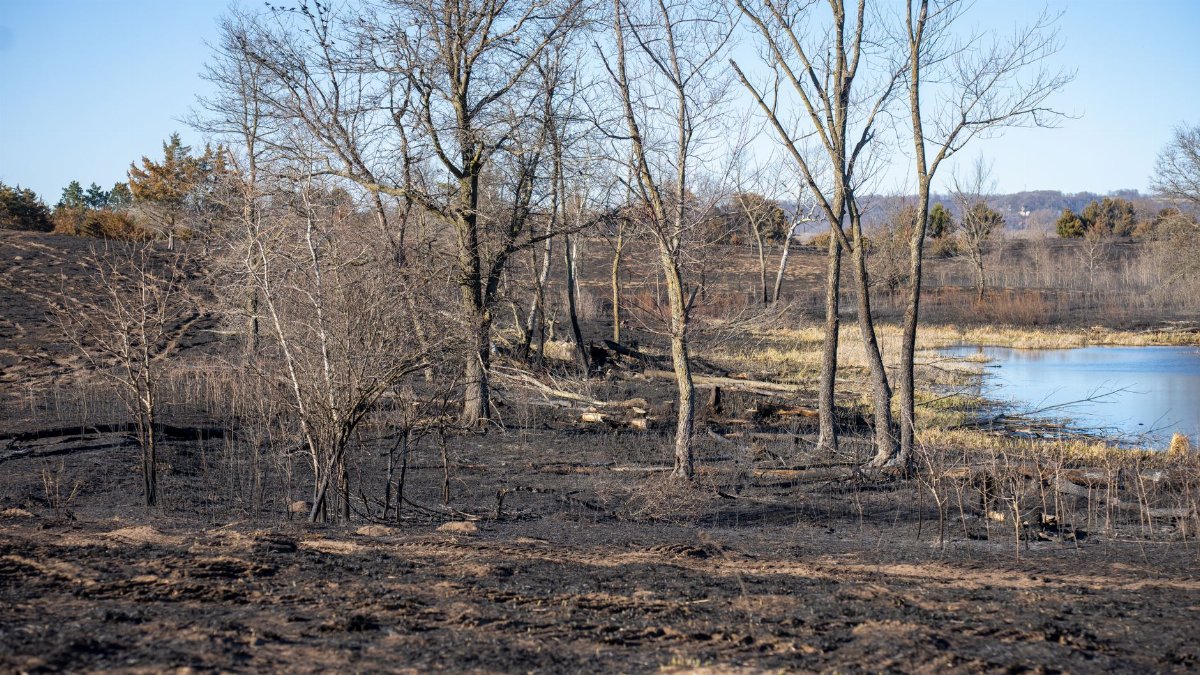
In the rolling landscapes of central Washington a wildfire has left lasting marks on both the land and the people who call it home. The Chelan Hills fire investigation has revealed that the blaze which consumed nearly ten thousand acres and claimed a life originated from human activity. Authorities continue their work to piece together the sequence of events that led to such widespread destruction amid ongoing containment efforts.
Tracing the Path of Destruction
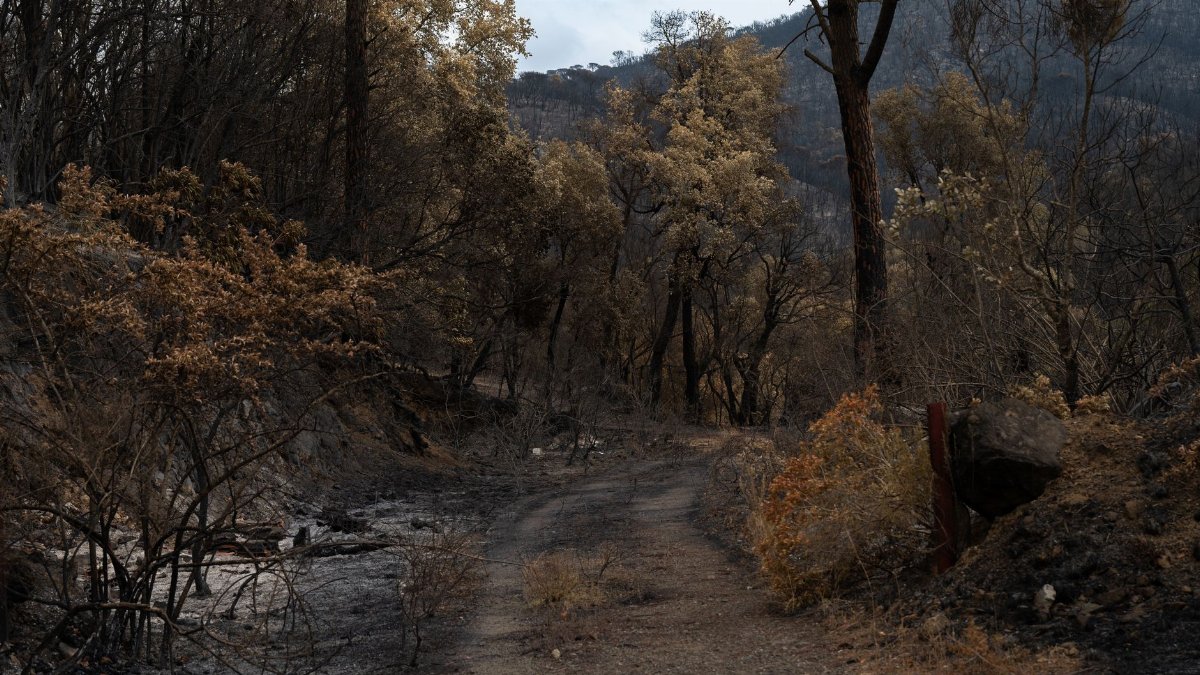
The fire spread rapidly through dry vegetation and rugged terrain creating challenges for responders who worked around the clock to limit further losses. Residents described sudden evacuations that disrupted daily routines and forced families to seek shelter elsewhere while uncertainty lingered about their homes and belongings.
Confirming Human Involvement

Officials have concluded through careful analysis of evidence at multiple sites that the ignition point ties directly to actions by people rather than natural factors such as lightning. This finding shifts focus toward prevention strategies that address everyday behaviors in fire prone regions during peak seasons.
Community Response and Recovery
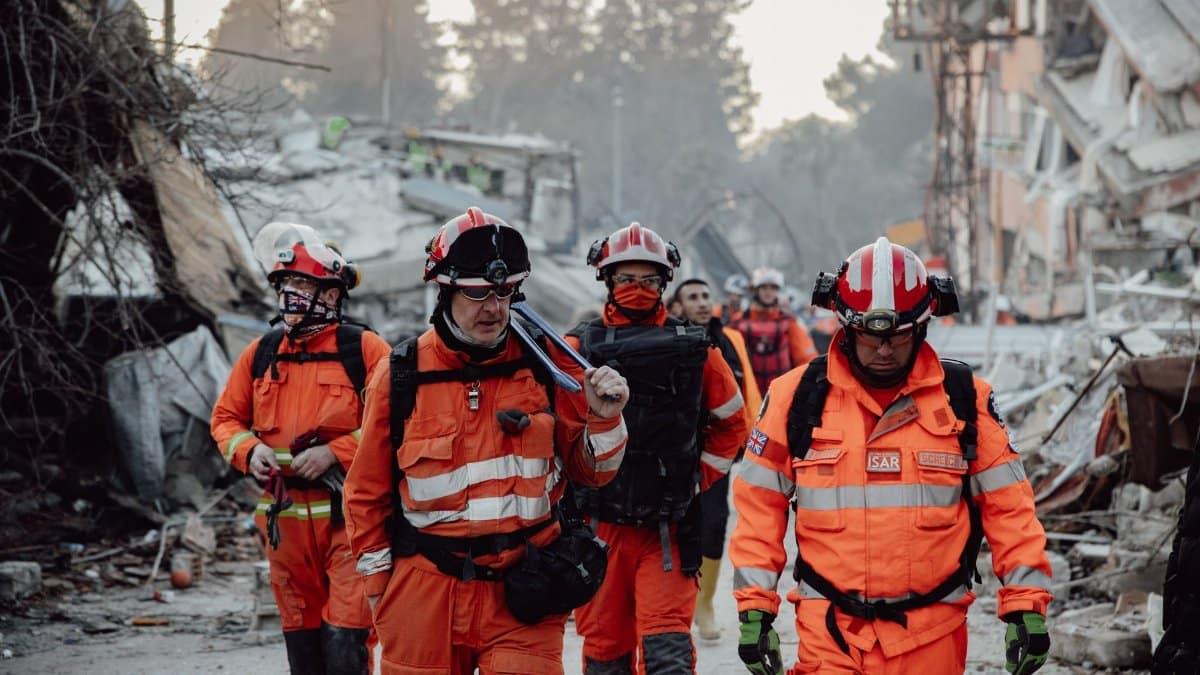
Local groups organized aid for those displaced by the event offering supplies and temporary housing while volunteers assisted with animal rescues and emotional support. Stories from survivors highlight resilience yet also underscore the long road ahead for rebuilding structures and restoring a sense of normalcy.
Methods Behind the Probe

Teams employed aerial surveys ground examinations and witness interviews to map how the flames advanced and to identify key factors that accelerated growth. Such techniques allow experts to rule out alternative explanations and build a clear timeline supported by physical traces left behind.
Current Status of Containment

Crews have made progress securing lines around the perimeter though hot spots remain under watch to prevent flare ups from wind or residual heat. Updates from command centers indicate steady gains but stress that full control requires sustained resources and favorable weather conditions.
Broader Lessons for Fire Management
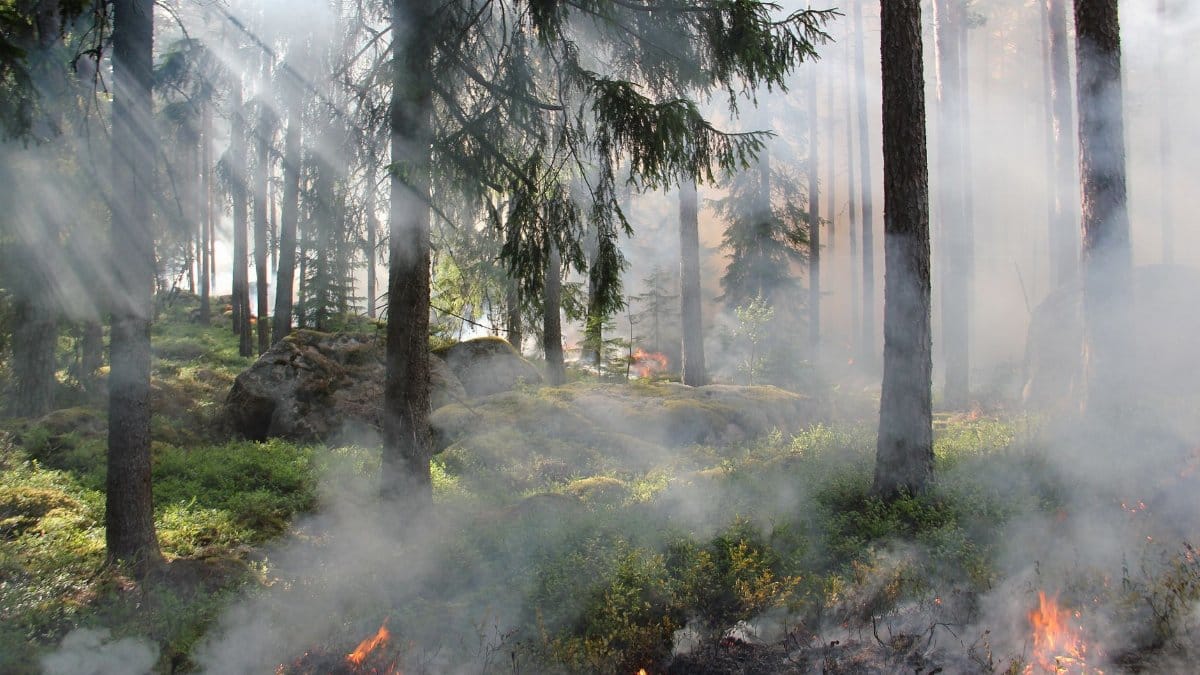
Events like this prompt reviews of existing protocols including vegetation clearance around properties and public education campaigns on safe practices. Policymakers examine how better coordination among agencies could reduce risks in similar rural areas across the Pacific Northwest.
Role of Weather Patterns

Dry conditions combined with gusty winds played a part in the rapid expansion turning what began as a small incident into a major event. Meteorologists note that climate trends may increase such occurrences making preparedness even more vital for communities in vulnerable zones.
Support Systems for Affected Families

State and federal programs have activated to provide financial assistance and counseling services aimed at easing the burden on victims. These efforts focus on both immediate needs and longer term recovery including grants for home repairs and business restarts.
Looking Ahead to Prevention

With the Chelan Hills fire investigation still active findings could inform new regulations on land use and equipment standards to lower the chance of recurrence. Residents express hope that shared knowledge will lead to safer environments without sacrificing the natural beauty that defines the region.