
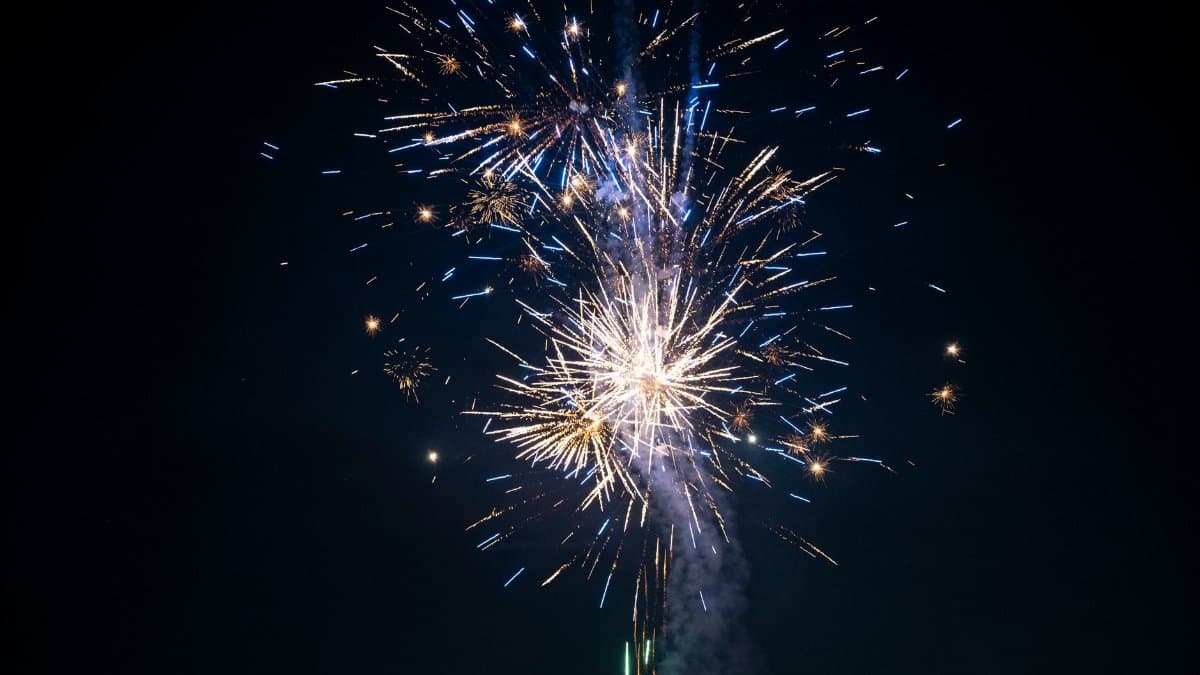
A sudden burst of light over a quiet suburban street in Southern California turned tragic last week when an errant firework struck a bystander during evening celebrations. The event formed part of a wider pattern of SoCal July 4 Fireworks Incidents that left one woman dead and multiple others hurt across several counties. Emergency crews responded to calls from Los Angeles, Orange and San Diego areas as families gathered outdoors under clear skies. Officials noted that many displays involved both permitted public shows and unauthorized backyard launches, raising questions about enforcement and preparation. Witnesses described chaos as sparks flew in unexpected directions, prompting immediate medical attention for those nearby. The episode underscores ongoing challenges communities face when balancing festive traditions with public safety measures during peak summer holidays.
Sequence of Events in the Fatal Case
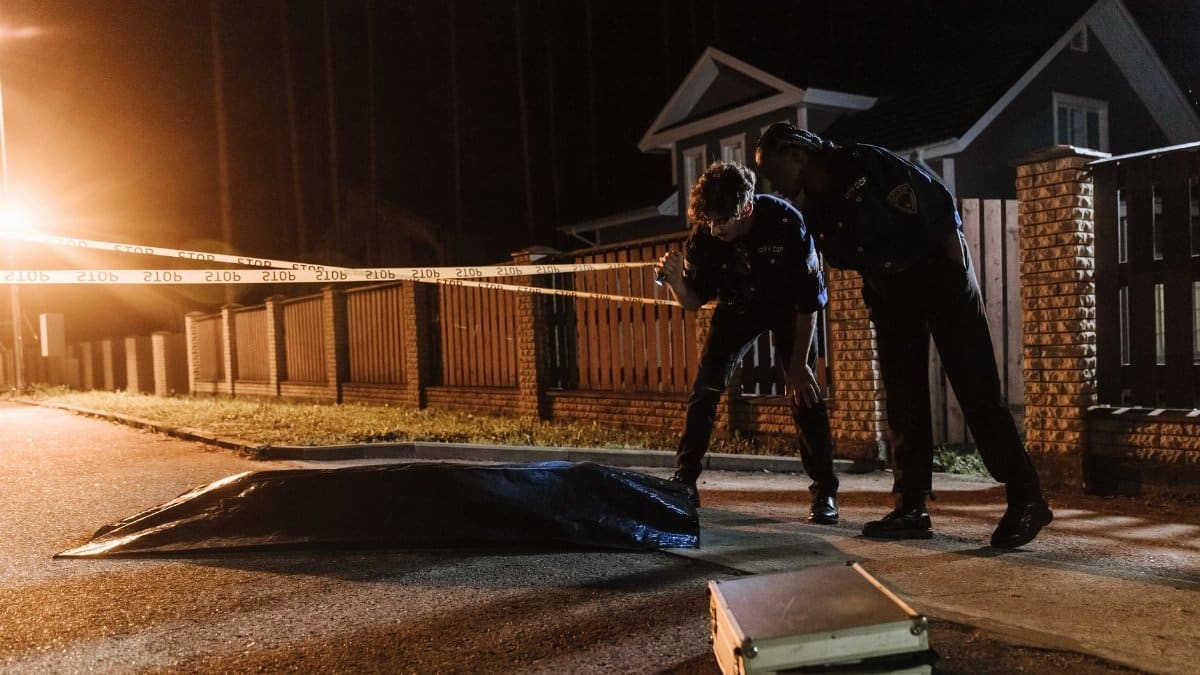
Reports indicate the victim stood near a residential driveway when a device misfired and traveled horizontally instead of ascending. Paramedics arrived within minutes yet could not revive her at the scene. Investigators collected fragments for analysis while neighbors recounted the rapid shift from laughter to alarm. Local authorities have opened a formal review to determine whether permits were secured for the launch site in question.
Medical Response Across Affected Areas
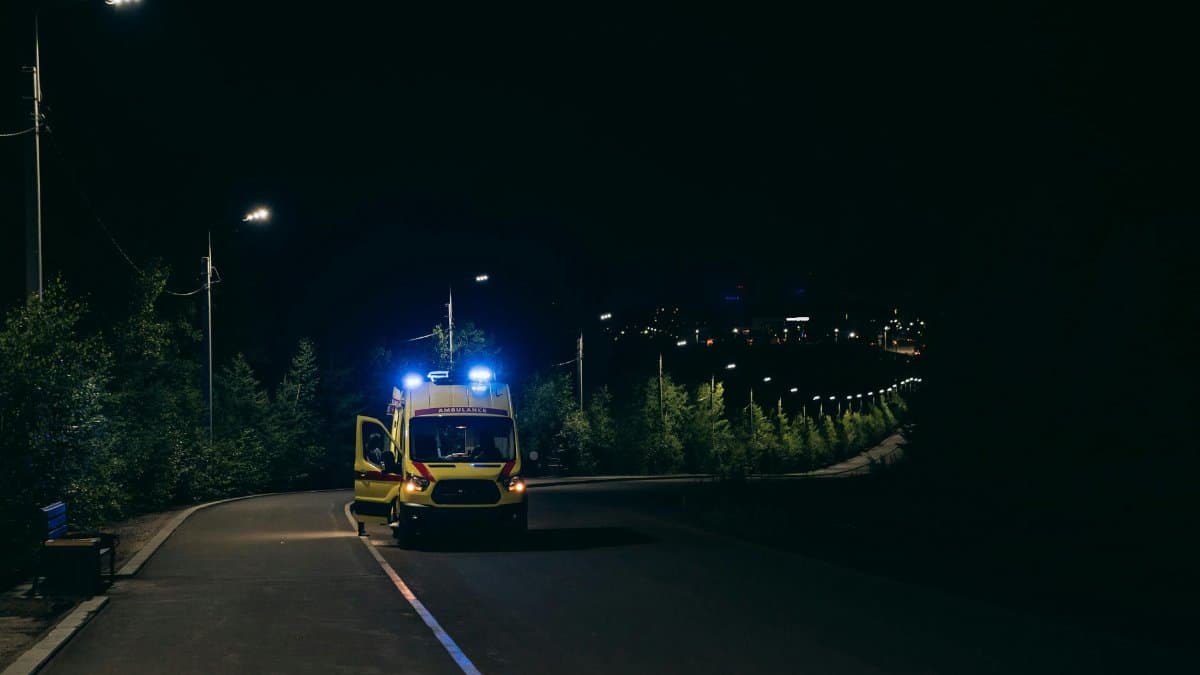
Hospitals in multiple counties treated burns, eye injuries and fractures linked to similar mishaps that night. Staff described a surge in arrivals shortly after dusk, with some patients requiring surgery for embedded debris. Trauma teams coordinated with regional centers to manage the caseload efficiently under high volume conditions.
Patterns Observed in Recent Years

Data from county fire departments show a consistent uptick in calls around Independence Day when private use increases. Factors include dry vegetation, wind shifts and crowded viewing spots that complicate quick evacuations. Analysts compare figures from prior seasons to identify hotspots where additional patrols might reduce risks without curtailing events.
Regulatory Framework Under Scrutiny
State laws permit certain consumer grade products yet restrict others to licensed operators. Enforcement varies by city, leading some residents to question whether current rules strike an adequate balance. Discussions in municipal meetings have centered on expanding buffer zones around residential zones and increasing fines for violations.
Community Reactions and Memorial Efforts
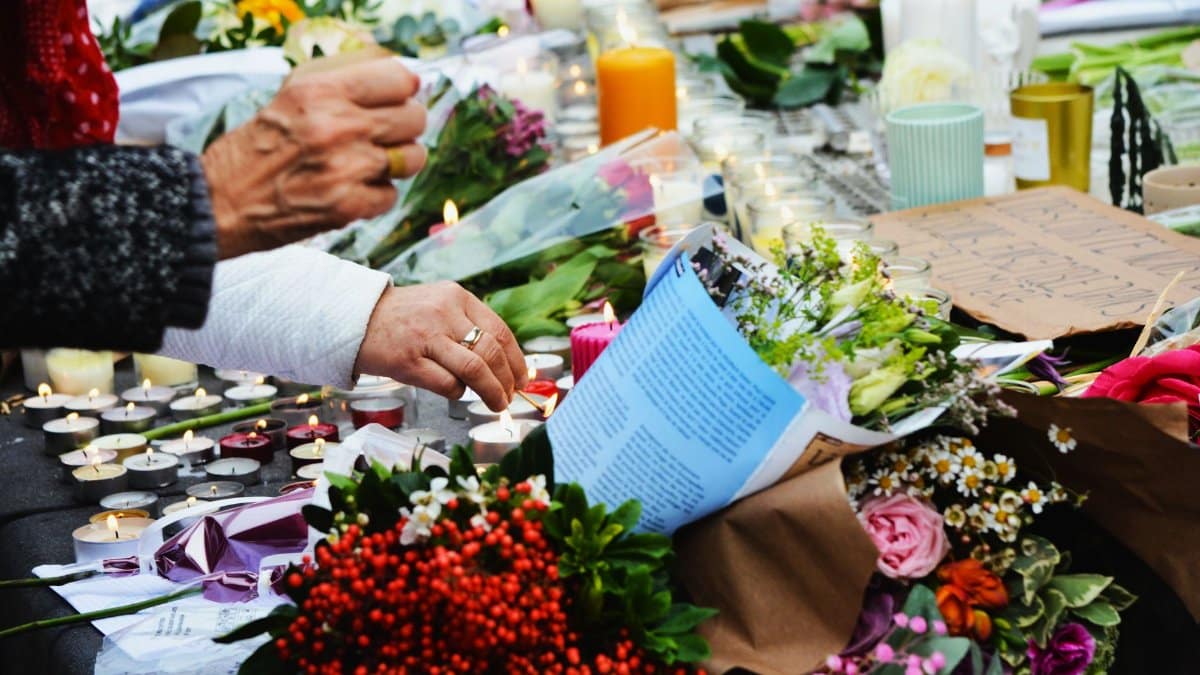
Neighbors organized vigils to honor the woman who lost her life, sharing stories of her involvement in local school programs. Friends emphasized her cautious nature and love for family gatherings. Such gatherings also prompted conversations about alternatives like drone light shows that avoid explosive materials altogether.
Expert Views on Prevention Strategies

Fire safety specialists recommend keeping water sources nearby, maintaining distance from lit fuses and supervising all activity involving minors. They stress the value of attending organized municipal displays where professionals handle setup and crowd control. Educational campaigns through schools and libraries aim to reach households before the next holiday cycle begins.
Broader Impact on Public Health Resources

The wave of injuries placed added strain on ambulance services already stretched during summer months. Officials reviewed staffing models to ensure faster deployment next time. Insurance providers noted a rise in claims tied to property damage from wayward sparks landing on roofs or vehicles.
Looking Ahead to Future Observances
Planners consider adjustments such as earlier start times or enhanced weather monitoring to limit exposure to gusty conditions. Collaboration between agencies could standardize reporting so lessons from one jurisdiction inform practices elsewhere. Residents meanwhile weigh personal choices about participation in light of recent losses.