

As families across North Texas prepare for barbecues and fireworks displays, the DFW Fourth of July Weather presents a familiar mix of heat and humidity that often defines summer celebrations in the region. Residents have grown accustomed to checking forecasts days ahead, knowing that conditions can shift quickly and influence everything from outdoor plans to travel routes. This year brings added uncertainty with the possibility of scattered storms, prompting many to weigh their options carefully. Local parks and lakefront areas typically fill with crowds seeking relief from the summer sun, yet the same atmospheric patterns that deliver warmth also create opportunities for sudden downpours. Officials have already begun advising caution around open flames and electrical equipment if showers develop. The broader outlook reflects larger climate trends that have made such weekends increasingly variable, encouraging people to stay informed through multiple updates.
Regional Temperature Patterns This Holiday
Highs are projected to reach near 98 degrees in many Dallas Fort Worth locations, with overnight lows holding in the mid 70s. Such readings align with long term averages yet feel more intense due to elevated moisture levels in the air. Urban heat islands around downtown corridors can push readings even higher during peak afternoon hours, while suburban neighborhoods experience slightly more moderation from surrounding green spaces. Residents planning extended time outside are encouraged to schedule activities for early morning or late evening when the sun sits lower.
Humidity Levels and Their Daily Impact
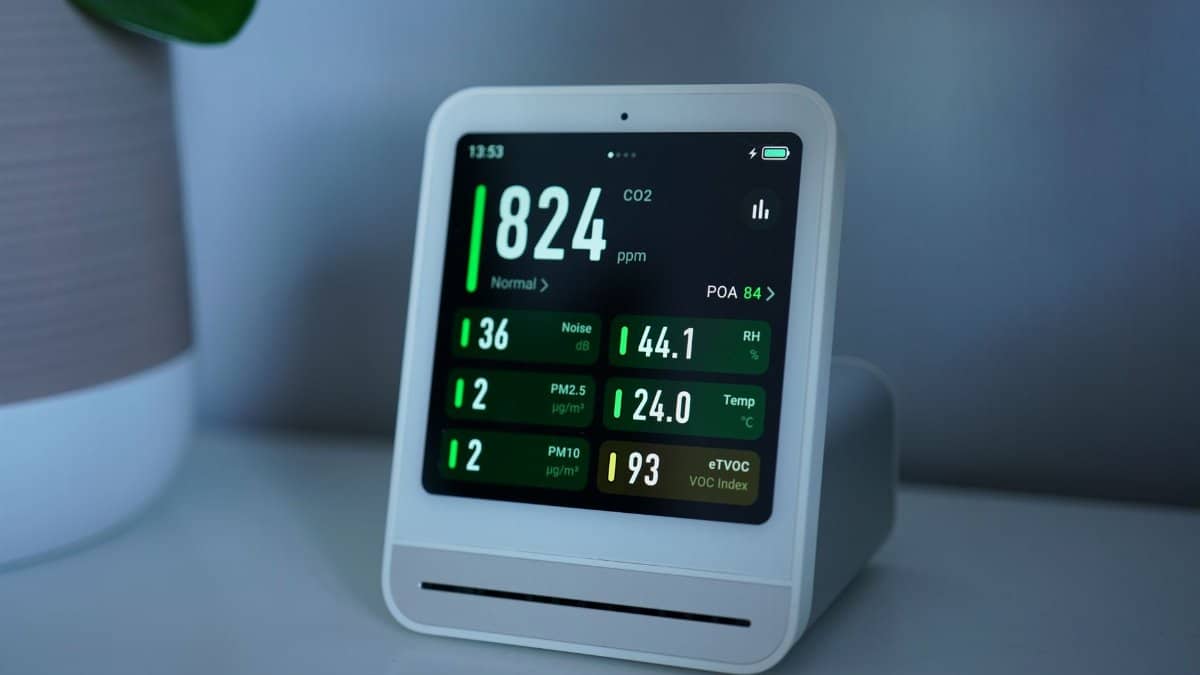
Moisture content in the atmosphere will remain elevated throughout the weekend, creating a muggy feel that lingers even after sunset. This combination often leads to higher apparent temperatures than the thermometer alone suggests, which can affect comfort during parades or evening gatherings. Individuals with respiratory sensitivities may notice increased strain, while pets left in vehicles face heightened risks even for short periods. Monitoring local humidity readings throughout the day provides a clearer sense of how conditions evolve.
Storm Development Chances and Timing
Isolated thunderstorms carry the greatest likelihood during afternoon hours, particularly on the third and fourth. These cells tend to form along weak boundaries left by earlier showers and can produce brief heavy rain along with lightning. Forecasters note that coverage should stay limited, leaving most areas dry for the majority of the holiday. Still, the potential for localized flooding in low lying streets remains a point of attention for drivers and event coordinators alike.
Effects on Public Fireworks Displays
Several municipal shows across the metroplex have contingency plans in place should lightning approach viewing areas. Organizers typically monitor radar feeds closely in the hours before scheduled start times and communicate delays through official channels. Spectators are advised to have backup indoor viewing options ready, especially those traveling with children or elderly family members. Past seasons have shown that even brief pauses allow events to resume once threats pass.
Historical Comparisons With Previous Years
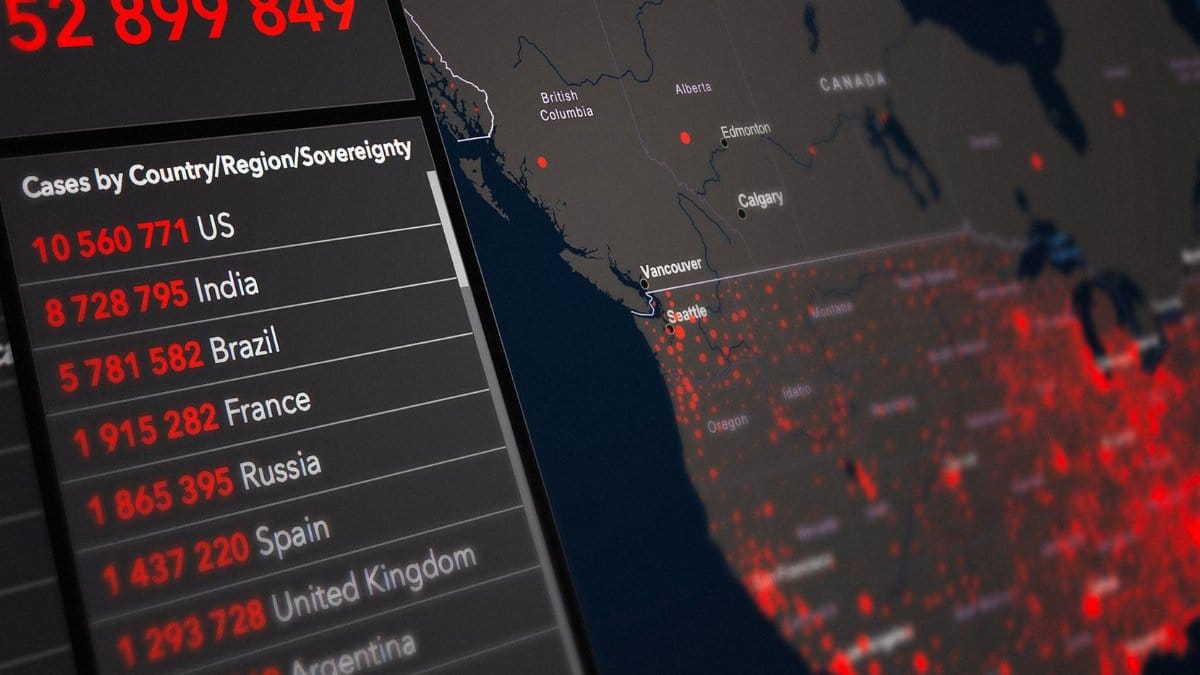
Records from the past decade reveal that Fourth of July weekends with similar humidity profiles often featured at least one day of measurable rainfall somewhere in the area. While totals rarely reach widespread levels, the frequency of such events has drawn notice from climatologists tracking seasonal moisture trends. This context helps residents understand why forecasts emphasize preparedness without predicting widespread disruption.
Travel and Road Condition Considerations
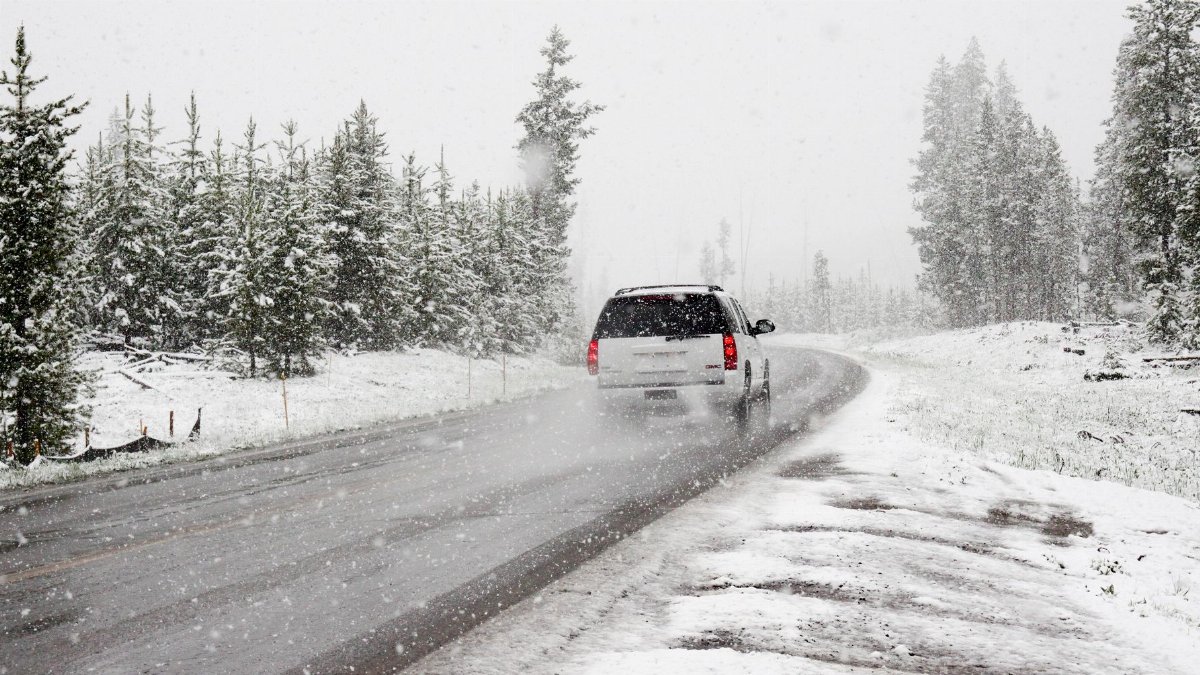
Major highways leading to popular recreation spots may see brief slowdowns if storms produce ponding on pavement. Motorists benefit from allowing extra time and checking real time traffic applications before departure. Construction zones that already reduce lane availability can compound delays when visibility drops during heavy showers. Public transit schedules generally remain unaffected unless severe weather triggers temporary halts.
Health Precautions for Outdoor Activities

Staying hydrated becomes especially important under combined heat and humidity, with medical professionals recommending water intake at regular intervals rather than waiting for thirst signals. Light colored clothing and shaded rest periods help reduce heat related stress during extended celebrations. Community centers and libraries often serve as cooling locations for those without reliable air conditioning at home.
Longer Term Climate Context for North Texas
Broader atmospheric patterns suggest that warm and humid holiday periods may occur more often in coming decades. This shift influences how cities approach infrastructure resilience, from drainage improvements to public cooling resources. Discussions among planners increasingly incorporate seasonal weather tendencies when scheduling major community events.
Preparation Advice for Home Gatherings

Hosts can reduce last minute adjustments by securing lightweight canopies and having indoor alternatives arranged. Checking extended forecasts the night before allows time to move supplies under cover if needed. Many families have adopted the practice of preparing flexible menus that work equally well indoors or out.