
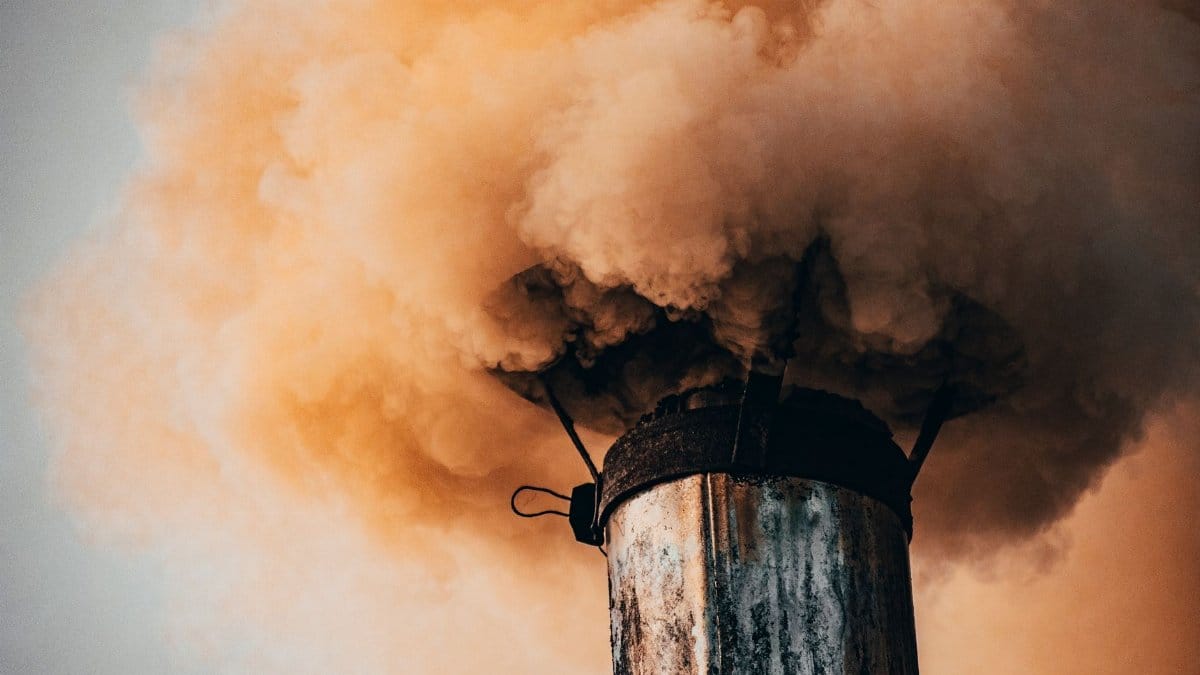
Residents across Southern California noticed a troubling shift right after Independence Day celebrations wrapped up. Persistent high temperatures combined with stagnant air masses turned an already challenging situation into something more concerning. Experts tracking conditions pointed to SoCal Air Quality Heat July 2026 as a period when heat and pollution reinforced each other in ways that caught many communities off guard. Families who stepped outside for evening walks found themselves coughing sooner than expected. Local health officials began issuing alerts earlier in the day than usual.
Weather Patterns Fueling the Problem
High pressure systems lingered over the Pacific and kept winds light for days on end. Without steady breezes to clear the air basin the region saw ozone levels climb steadily through midday hours. Meteorologists noted that overnight lows remained several degrees above normal which prevented the usual cooling that helps disperse pollutants. These conditions set the stage for repeated exceedances of federal air quality standards.
Impacts Felt in Daily Routines

Commuters reported more irritation during morning drives as exhaust mixed with elevated background pollution. Schools adjusted outdoor recess schedules to limit student exposure during peak afternoon heat. Parks that normally filled with joggers saw fewer visitors by midweek. People with asthma described needing inhalers more often even during light activity.
Health Concerns for Vulnerable Groups
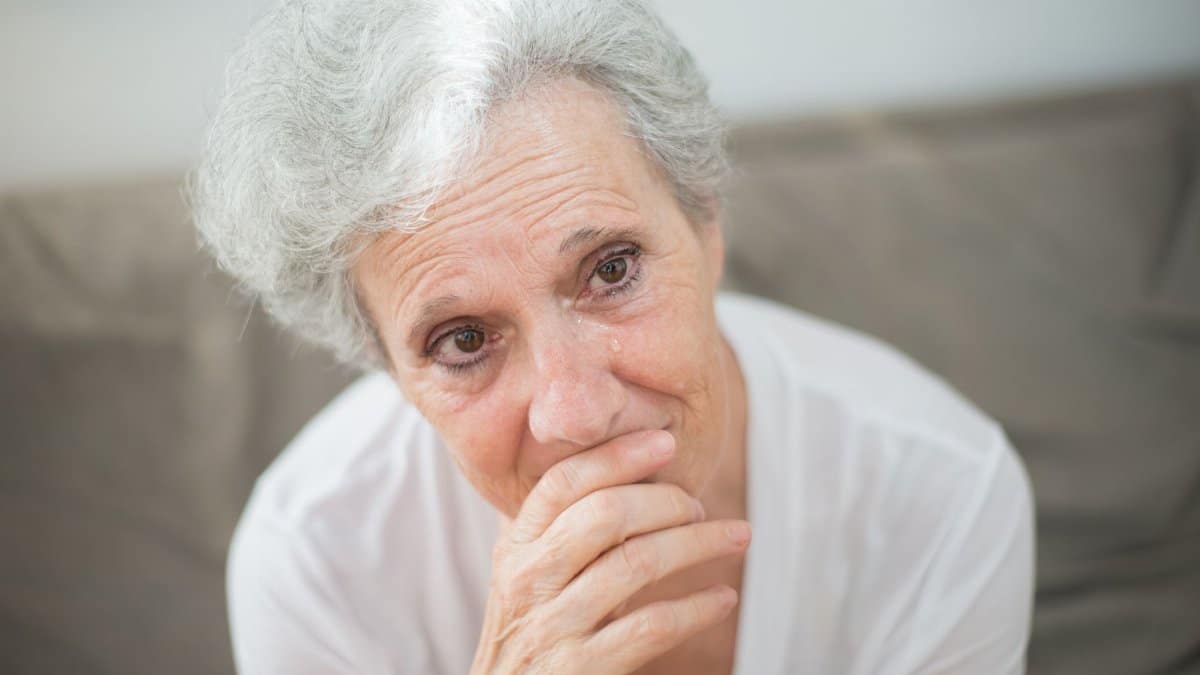
Older adults living in inland valleys experienced sharper spikes in respiratory complaints according to clinic visit data. Children in households without air conditioning faced longer periods indoors which added stress on family schedules. Doctors advised extra hydration and limited exertion yet many essential workers could not avoid time outside during the hottest stretches.
Regional Differences in Exposure

Coastal neighborhoods benefited from occasional marine layers that offered brief relief while desert adjacent cities recorded the highest readings. Los Angeles basin communities dealt with trapped emissions from freeways and ports. Inland empire residents saw the longest stretches of unhealthy air lasting into evening hours.
Steps Individuals Can Take

Public health messages emphasized checking daily forecasts before planning outdoor time. Using indoor air filters and keeping windows closed during peak heat helped reduce particle exposure at home. Choosing cooler early morning hours for exercise became a common adjustment among those able to shift their routines.
Broader Policy Questions Emerging

City leaders discussed expanding cooling centers and improving transit options to cut vehicle emissions on the worst days. Some called for faster transition to electric fleets while others focused on tree planting programs that provide shade and help filter air. Funding for such measures remains a point of ongoing debate in Sacramento.
Looking Ahead to Future Seasons
Scientists expect similar heat and air quality interactions to recur as average temperatures continue rising. Preparedness efforts now include better coordination between weather and health agencies. Community groups are also sharing practical tips through neighborhood networks to help residents stay informed without relying solely on official channels.