
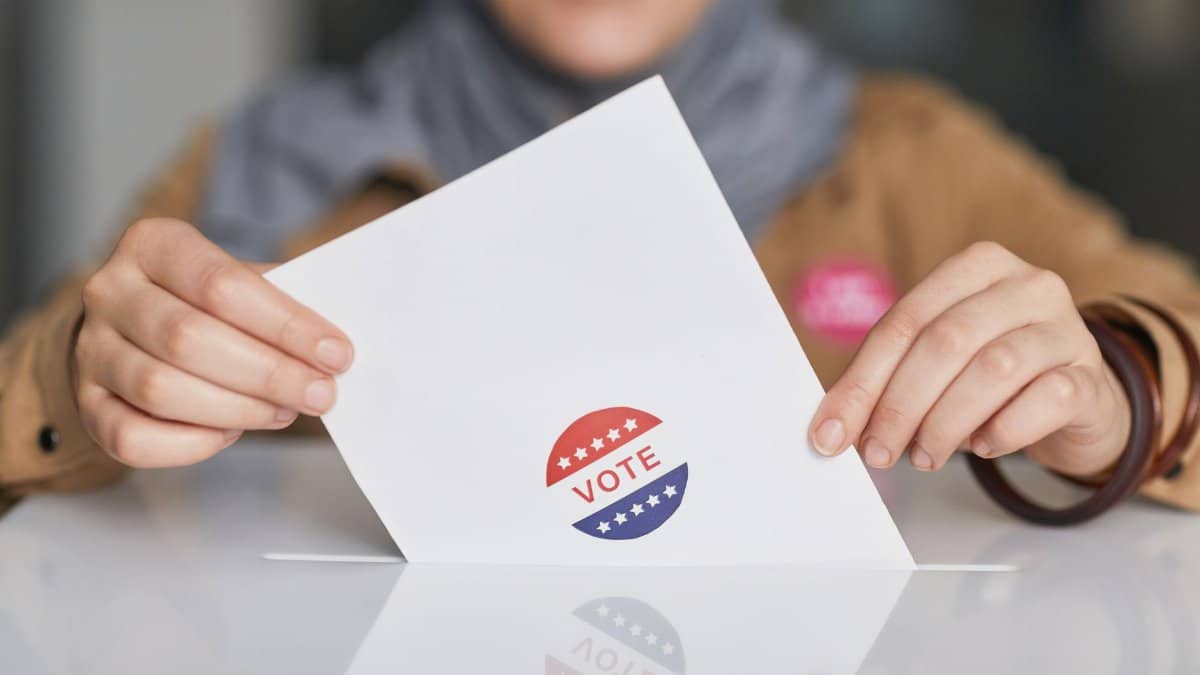
The recent decision from the nations highest court has clarified rules around how states manage ballots cast by mail, reshaping expectations for how election results get finalized in key battlegrounds. In this context Supreme Court Mail-in Ballots Illinois, Late Ballot Counting Ruling 2026, Illinois Election Law Upheld stands as a pivotal affirmation of state authority. The five to four ruling allows Illinois to continue its practice of accepting and counting certain ballots that arrive after polls close, provided they were postmarked on time. This approach aligns with procedures already in place in several other states and reflects ongoing efforts to balance access with security.
Origins of the Illinois Policy on Extended Ballot Receipt
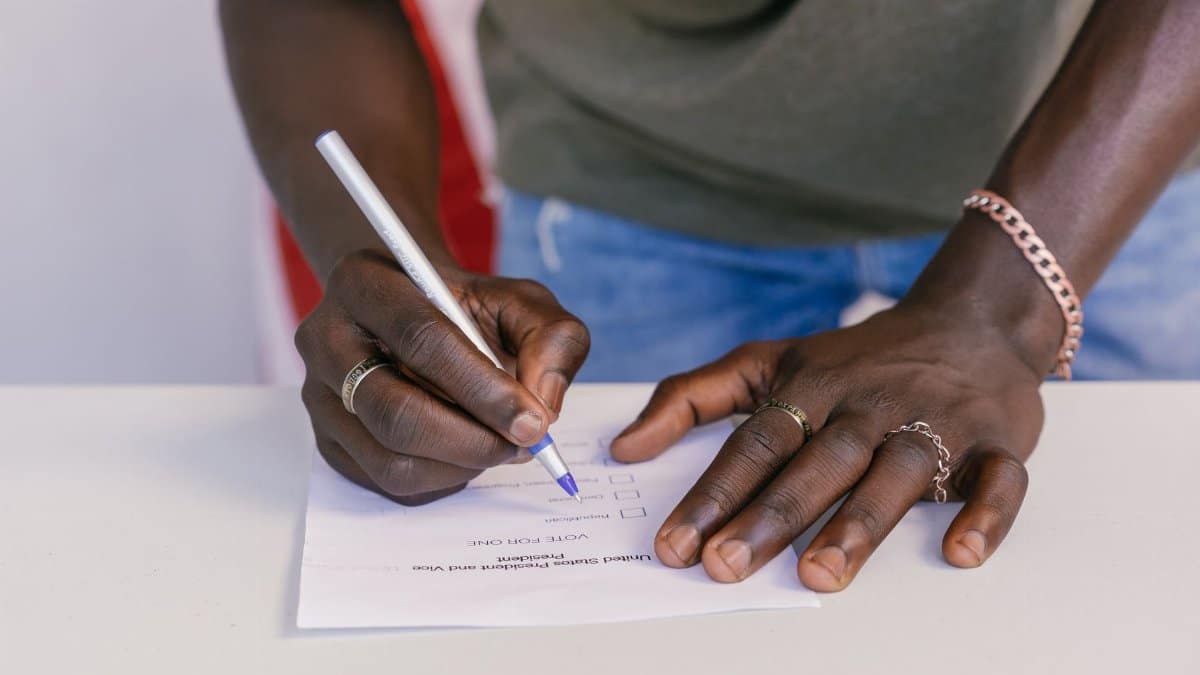
Illinois adopted its current framework after lawmakers reviewed turnout data from prior cycles and sought ways to accommodate voters who rely on postal services. The measure drew support from election administrators who noted consistent delays in mail delivery during peak periods. Courts at lower levels had upheld the approach before the case reached the Supreme Court.
Core Arguments Presented During Oral Arguments
Attorneys for the state emphasized that the policy does not change who may vote or extend the voting window itself. Instead it simply recognizes practical realities of mail transport. Challengers contended that any acceptance of late arriving ballots risked introducing uncertainty into certified results and could affect close races.
Breakdown of the Courts Five to Four Split
Justice Amy Coney Barrett wrote the majority opinion, joined by colleagues who viewed the matter as primarily one of state legislative prerogative. The dissenting justices argued for a stricter national standard tied to Election Day itself. Legal observers noted the decision continues a pattern of deference to state election codes.
Response from Governor JB Pritzker and State Legislators

Governor Pritzker welcomed the outcome as validation of measures designed to broaden participation without compromising safeguards. Legislative leaders from both parties issued statements underscoring the need for clear public communication ahead of future contests. Local clerks began updating training materials to reflect the affirmed procedures.
Effects on Planning for Upcoming Midterm Contests
Election offices across Illinois have adjusted timelines for final tabulation to incorporate the additional days required for processing late arriving envelopes. Training sessions now include scenarios that simulate varying volumes of mail ballots. Officials expect the changes to reduce litigation risk once results are announced.
Comparisons with Practices in Neighboring States
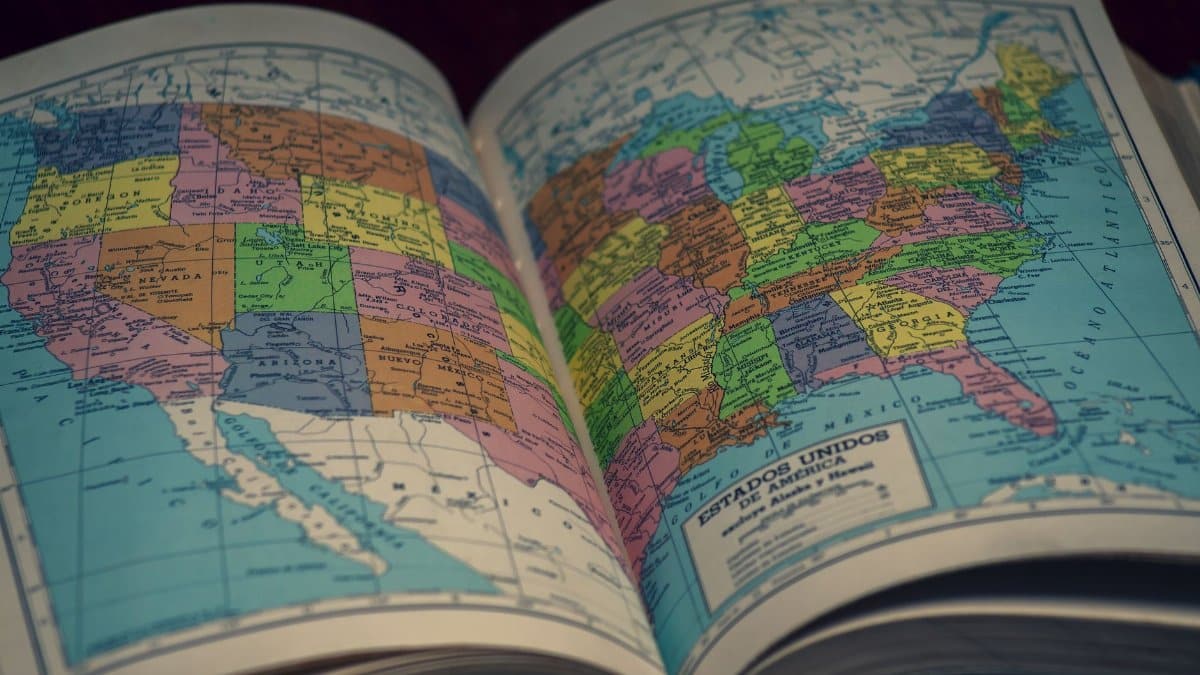
Indiana and Wisconsin maintain stricter cutoffs tied directly to Election Day, while Michigan permits a short grace period similar to Illinois. Analysts point out that these differences create a patchwork that voters must navigate when moving across state lines. The recent ruling leaves such variation intact.
Role of Data in Shaping Public Confidence

State audits conducted after the last general election showed minimal instances of ballots arriving after the deadline being decisive in any contest. Researchers at public universities compiled reports indicating that signature verification and postmark checks caught the vast majority of irregularities. Such findings informed the states defense before the Supreme Court.
Looking Ahead to Refinements in Election Administration

Stakeholders anticipate further legislative tweaks aimed at shortening the window between Election Day and final certification. Discussions include expanded use of drop boxes and earlier mailing deadlines to ease the burden on postal workers. Bipartisan working groups have already scheduled hearings for the coming session.