

In the murky waters of south Florida a group of biologists wades through thick vegetation under a blazing sun. They move with care probing the ground for signs of life that does not belong. Their mission involves Everglades Python Eggs Research which seeks to map how quickly these large reptiles multiply and how their presence alters the balance of the wetland ecosystem.
Field Teams Navigate Challenging Terrain
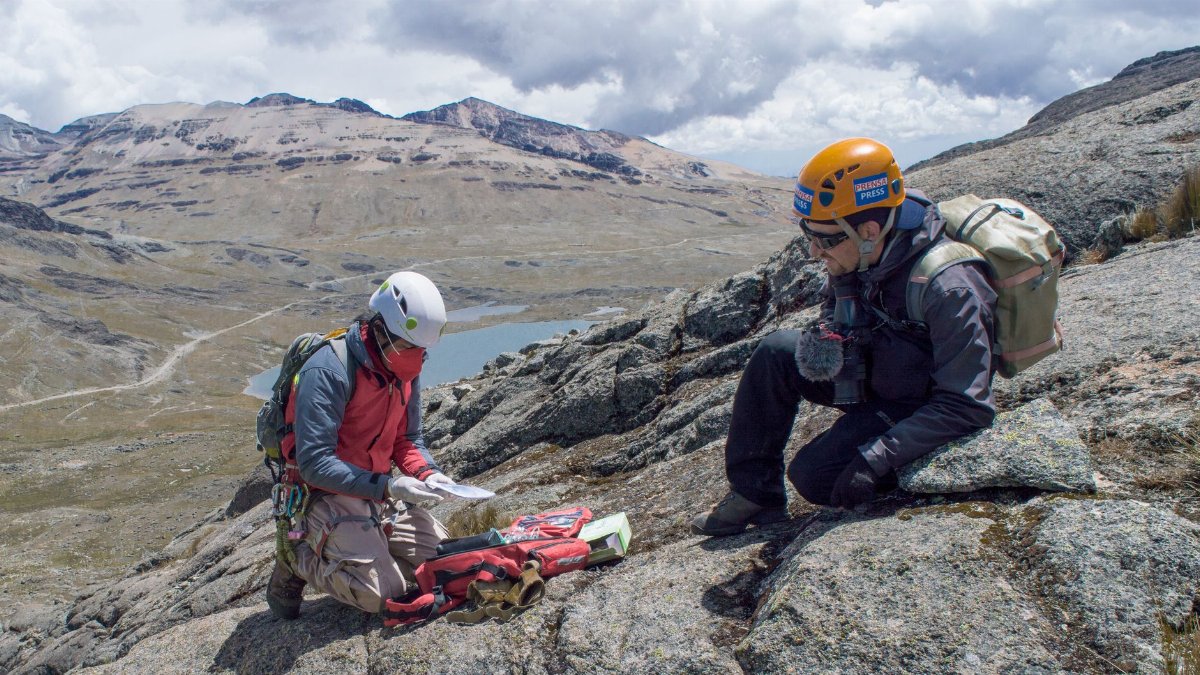
Teams from the University of Florida often start before dawn to avoid the worst heat. They carry heavy packs filled with tools for locating and securing eggs without causing damage. The work demands patience because nests lie hidden under layers of decaying plants and soil. Each discovery adds data to a growing picture of population growth across protected lands.
Collection Methods Protect Native Wildlife

Scientists use radio telemetry and trained dogs to pinpoint likely nesting spots. Once found the eggs are gathered with minimal disturbance to surrounding areas. This approach allows researchers to study development stages while reducing the chance of new hatchlings entering the wild. Local animals such as deer and small mammals benefit when fewer pythons survive to adulthood.
Insights from Laboratory Analysis

Back at the lab technicians examine shell thickness and embryo health. Results help explain why the species thrives in the current climate. Temperature records from the field connect to hatching success rates and reveal patterns tied to seasonal rainfall. Such details guide future removal efforts by state agencies.
Impact on Wetland Biodiversity

Pythons consume a wide range of prey including birds and reptiles that keep insect populations in check. Declines in those species can lead to broader shifts in plant growth and water quality. Everglades Python Eggs Research tracks these changes over multiple seasons to show long term trends.
Collaboration with State Agencies

University staff share findings with Florida wildlife officials who run public removal programs. Joint reports highlight areas where egg clusters appear most often. This cooperation speeds up response times and improves training for volunteers who assist during peak nesting months.
Public Awareness Campaigns

Outreach events at nature centers display preserved specimens and explain the research process. Visitors learn how reporting sightings helps scientists prioritize search zones. Schools incorporate simple lessons about habitat protection that encourage young people to value the unique landscape.
Technological Advances Aid Detection
Drones equipped with thermal cameras now scan large sections of marshland in hours rather than days. Software sorts images to flag warm spots that may indicate nests. These tools reduce physical strain on crews and allow coverage of zones previously considered too remote.
Future Goals for Population Control

Researchers aim to refine models that predict egg laying sites based on water levels and temperature swings. Refined forecasts could cut the number of new pythons released each year. Continued funding supports expanded Everglades Python Eggs Research that includes genetic studies of captured adults.
Regional Comparisons with Other States
Similar invasive reptile issues appear in parts of Texas and Louisiana. Florida teams exchange data with colleagues in those areas to test whether tactics developed here translate well. Shared databases track movement patterns across state lines and support national policy discussions.