

In the rolling plains north of Dallas, where farmland gives way to warehouses and server farms at a startling pace, residents have begun to question how much say they truly retain over their own backyards. The arrival of massive technology installations has brought jobs and tax revenue yet also higher utility bills and questions about who decides the pace of change. Texas Data Centers Local Control Community Impact now sits at the center of conversations in county offices and living rooms alike as communities weigh promises of prosperity against the reality of shared resources stretched thin.
Growth Patterns Across Northern Texas Counties

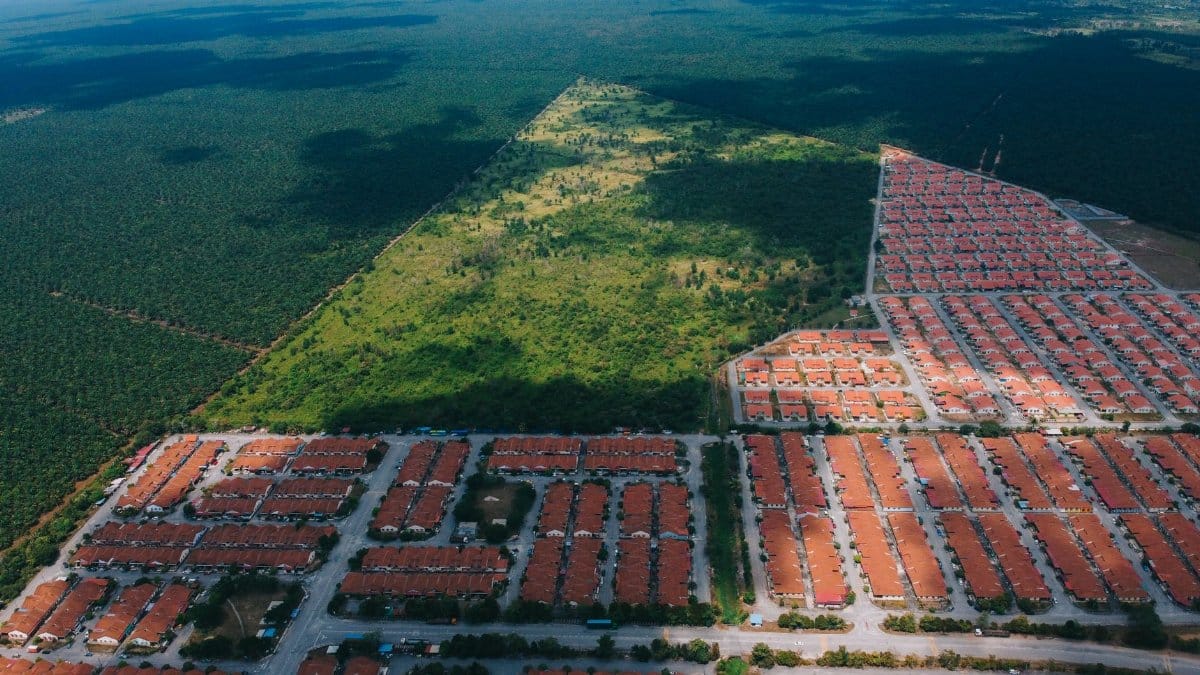
Technology facilities have clustered in areas once known for cattle and cotton. Local officials report dozens of projects in various stages of approval, each demanding enormous amounts of electricity and water. County records show permits issued with limited public hearings, leaving many homeowners surprised when construction begins near their property lines.
Electricity Costs Climb for Everyday Users
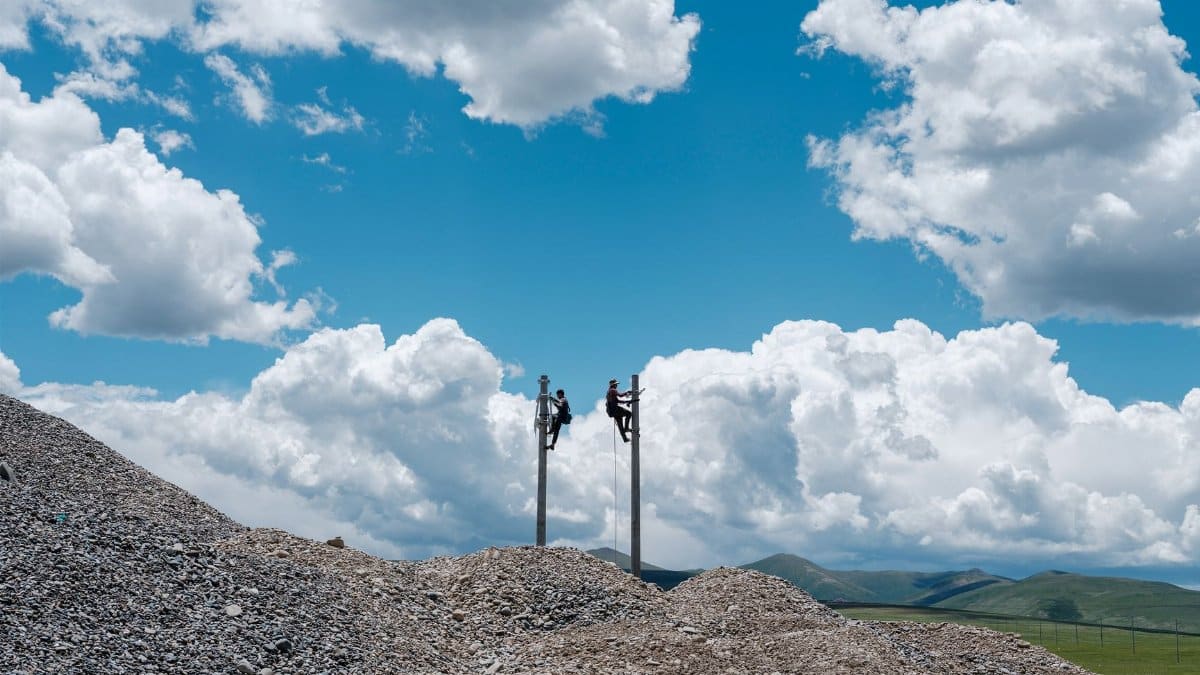
Power grids sized for homes and small businesses now carry loads once reserved for heavy industry. Utility data indicate that peak demand spikes during summer months have forced providers to purchase expensive backup power. Families open monthly statements to find increases that coincide with the opening of new facilities nearby.
Local Authority Faces Limits from State Rules
Texas law grants counties only narrow tools for reviewing large projects. Zoning authority remains weak in unincorporated areas, and state agencies often hold final say over environmental permits. Officials in Ellis County have described situations where they learned of plans only after state approvals were already granted.
Water Supplies Under Additional Pressure

Cooling systems require millions of gallons daily, drawn from aquifers and municipal systems already serving growing populations. Conservation districts note that drought cycles make such withdrawals harder to sustain without affecting farmers or household wells. Some towns have begun to explore reuse programs, yet funding remains uncertain.
Tax Revenue Gains and Hidden Service Costs

Property taxes from new facilities can reach millions annually, money that school districts and road departments welcome. At the same time, emergency services and road maintenance crews report heavier workloads from construction traffic and larger permanent employee bases. Budget planners caution that short term gains may not cover long term expenses.
Community Voices Seek Earlier Involvement

Public meetings in Dallas County have drawn standing room crowds where residents ask for impact studies before ground is broken. Organizers argue that advance notice would allow better planning for schools, traffic patterns, and emergency response. Several citizen groups have formed to track applications and share information across neighborhood lines.
Comparisons with Other States Offer Lessons

Virginia and North Carolina have adopted stricter siting reviews that require companies to demonstrate how local infrastructure will handle added loads. Texas lawmakers have considered similar steps yet face resistance from industry groups that warn of lost investment. Observers note that balanced rules need not halt growth if crafted with clear timelines.
Legislative Options for Stronger Oversight

Proposals under discussion would expand county review periods and require disclosure of expected power and water use. Supporters say such measures would restore a measure of Texas Data Centers Local Control Community Impact without creating new state bureaucracies. Critics worry about added paperwork that could slow projects already in the pipeline.
Looking Ahead to Balanced Development
As more facilities come online, the conversation is shifting from whether growth will occur to how it will be guided. County leaders, utility managers, and residents increasingly agree that transparent processes protect both economic opportunity and quality of life. The coming legislative session may determine whether Texas refines its approach or continues on the current path.