
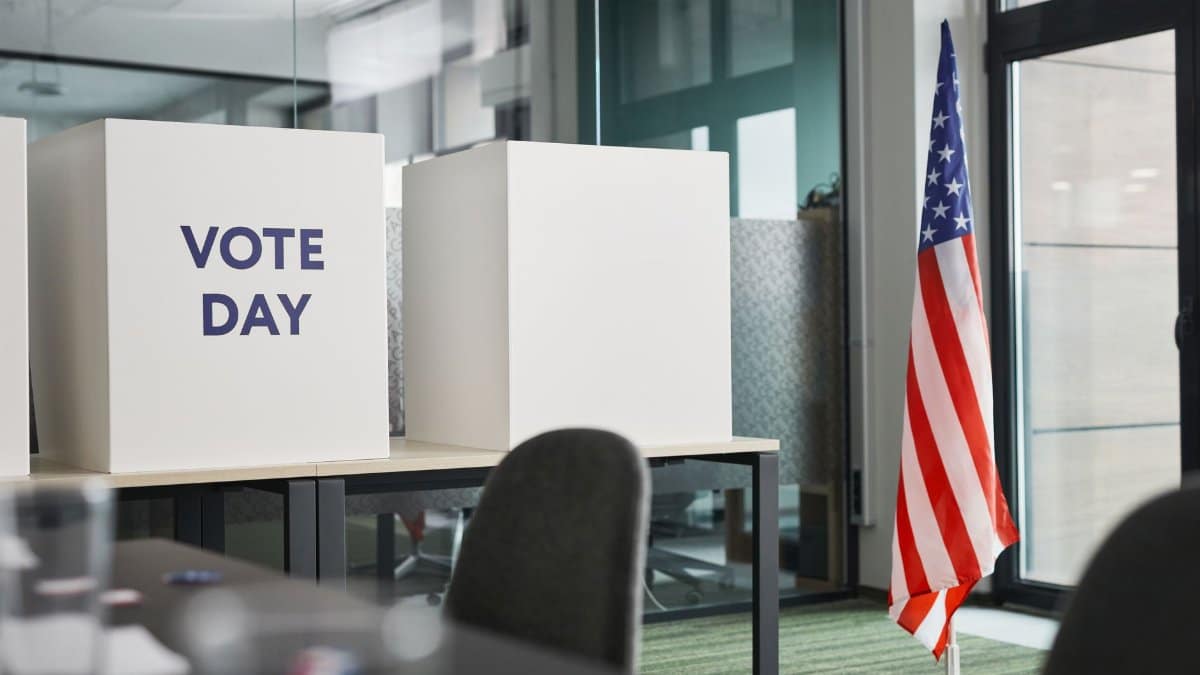
In a ruling that clarifies long standing questions about how states manage their electoral processes, the Supreme Court has given California and other states greater latitude to count ballots arriving after Election Day. This outcome strengthens access for voters who rely on mail options while sparking fresh debate over timing and procedures. The issues surrounding Supreme Court Ballots California Mail-in Voting Election Day reflect wider tensions between convenience and tradition in American elections.
The Path to the High Court

California officials defended their practices after lower courts questioned whether ballots could be accepted beyond the traditional deadline. The case reached the justices after years of litigation that tested the boundaries of state authority. Advocates argued that flexible deadlines accommodate modern life without undermining fairness.
Implications for California Voters

Residents who send ballots close to the deadline now face fewer risks of their votes being discarded. This change particularly aids those in rural areas or with demanding work schedules. Election administrators in the state welcomed the clarity as it allows more complete tallies.
How Mail Ballots Are Handled
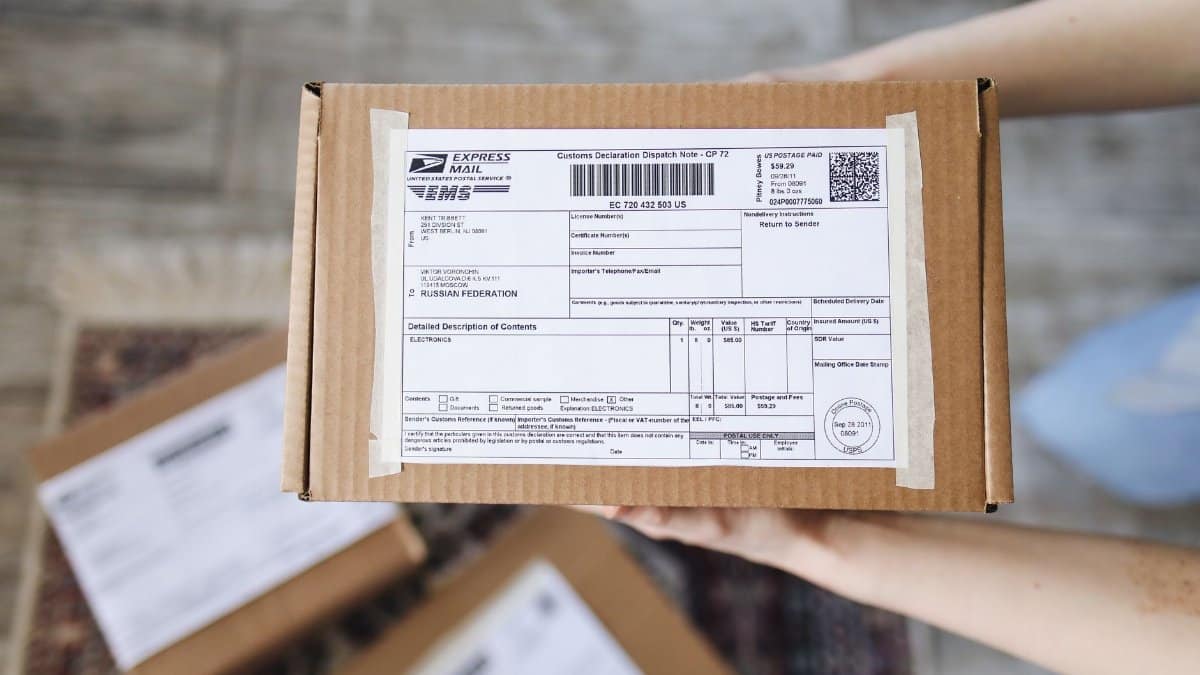
Processing centers sort envelopes by arrival date and verify signatures against registration records. Staff members continue their reviews for several days following Election Day to ensure accuracy. Such steps have grown more common as participation by mail has risen steadily.
Reactions from Legal Experts

Scholars noted that the decision aligns with precedents granting states wide discretion in election administration. Some pointed to similar policies already operating successfully in multiple jurisdictions. The ruling avoids imposing a uniform national rule that might conflict with local needs.
Impact on Future Elections

Campaigns may adjust their outreach strategies to encourage earlier returns while still relying on extended acceptance windows. Voter education efforts will likely emphasize postmarks and tracking features. Officials expect turnout patterns to remain stable or improve slightly.
State Laws Under Scrutiny
California statutes permit ballots received up to a week after Election Day provided they are postmarked on time. Other states maintain stricter cutoffs that the court decision leaves intact. Legislatures elsewhere may now consider adjustments based on the new guidance.
The Role of Key Justices
The majority opinion emphasized federalism and respect for state choices in conducting elections. Dissenting views focused on the need for consistent national deadlines to prevent confusion. The split highlighted ongoing divisions over how much variation the Constitution permits.
Broader Voting Access Issues

Groups focused on participation praised the outcome for reducing barriers faced by working families and those with health concerns. Critics countered that extended deadlines could invite perceptions of uncertainty on election night. Both sides agree that clear public communication remains essential.
Concerns from Opponents

Some lawmakers expressed worry that delayed counts might affect public confidence in results. They called for additional safeguards such as enhanced tracking systems and audits. Proponents responded that existing verification methods already address such risks effectively.
What This Means for Election Integrity

Independent observers have found no widespread problems tied to post Election Day acceptance in states that allow it. The Supreme Court Ballots California Mail-in Voting Election Day framework reinforces that states retain primary responsibility for maintaining secure and accessible systems. Continued monitoring will help refine best practices over time.