

As Coloradans prepare for an important political moment the landscape of choices facing voters in the coming cycle demands clear information and thoughtful analysis. Many residents across the state find themselves seeking reliable details on candidates and procedures especially amid shifting demographics and evolving policy debates. This environment makes resources like the Colorado 2026 Primary Voter Guide, Election Explain ers particularly valuable for those aiming to participate effectively. The guide compiles profiles stories and background materials designed to illuminate the path ahead without overwhelming readers new to the process or seasoned observers alike.
Understanding the Primary Process

The primary system in Colorado operates under rules that allow broad participation yet require attention to specific deadlines and eligibility criteria. Voters must register in advance and understand how mail ballots function in practice. This setup encourages turnout while placing responsibility on individuals to stay informed about timelines. Recent adjustments to election administration have aimed at increasing access though some communities report ongoing challenges with notification systems.
Key Races for Governor

The contest for governor draws significant attention as candidates outline visions for economic growth education funding and infrastructure development. Several contenders bring experience from local government or state agencies which shapes their approaches to taxation and public services. Observers note that early positioning often revolves around appeals to suburban voters who have proven decisive in past cycles.
Congressional Contests to Watch
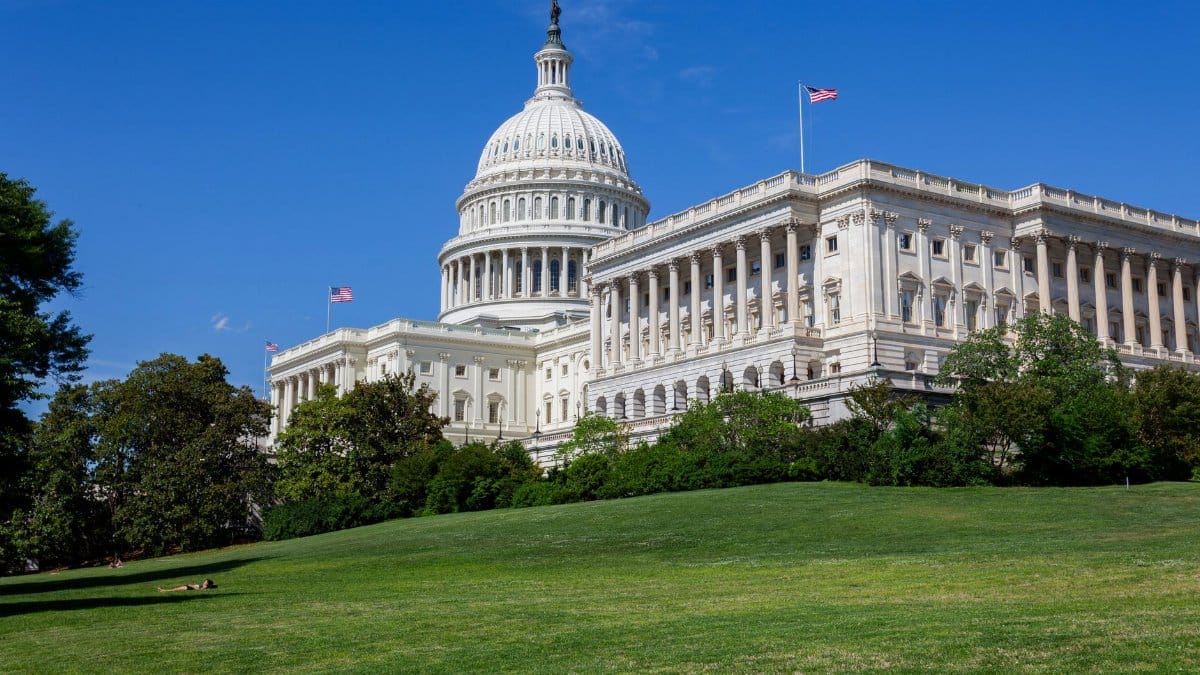
Districts across Colorado feature competitive bids for seats in the national legislature where national issues intersect with local concerns such as water rights and energy policy. Incumbents face challengers focused on affordability and federal spending priorities. These races often highlight contrasts in experience and policy emphasis that matter to households managing rising costs.
State Legislative Battles
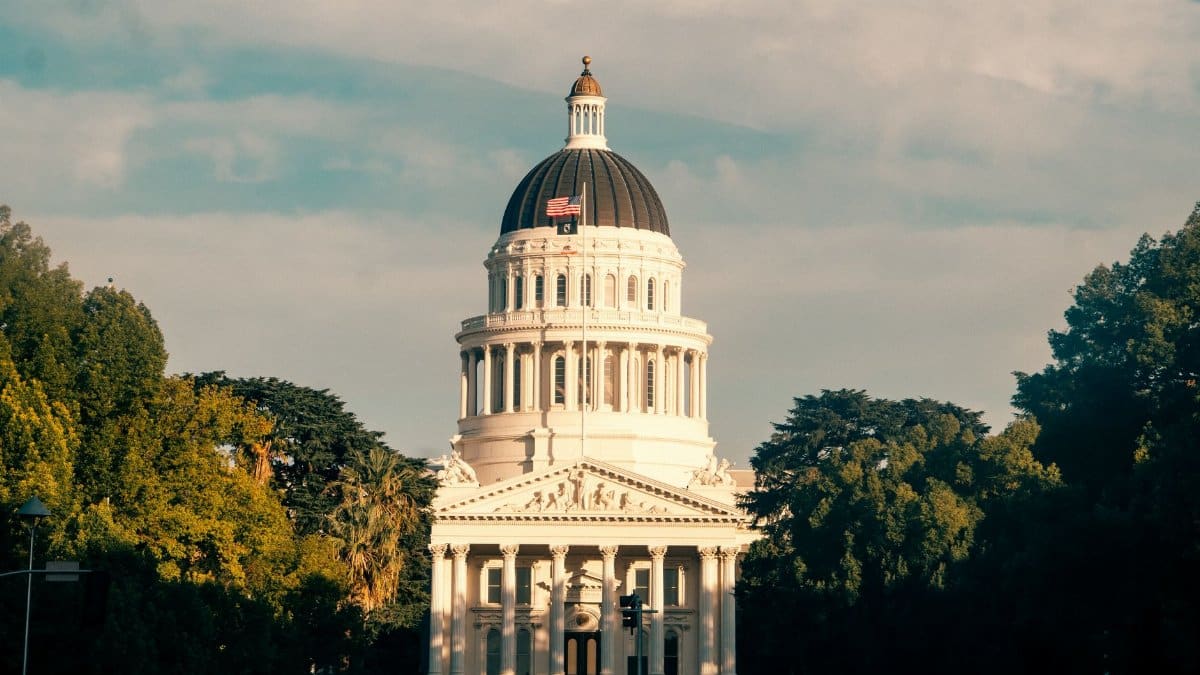
Legislative districts present opportunities for new voices to enter the statehouse with platforms centered on housing availability and healthcare access. Party leaders work to maintain majorities while grassroots efforts mobilize around specific ballot measures. The outcomes influence everything from school funding formulas to transportation investments over the next several years.
Voting Requirements and Deadlines

Eligibility hinges on citizenship age and residency standards with registration available through multiple channels including online portals. Ballots arrive by mail well before election day allowing time for review and research. Officials emphasize verification steps to prevent errors that could invalidate submissions.
Candidate Profiles and Positions

Detailed backgrounds reveal professional histories and community involvement that inform stances on pressing matters. Many aspirants participate in forums where they address questions about job creation and environmental protections. Such exposure helps voters compare records rather than relying solely on advertisements.
Impact of Recent Legislation

Laws passed in prior sessions affect campaign finance disclosure and redistricting outcomes which in turn shape the field of candidates. These measures also influence how parties allocate resources to different regions of the state. Analysts track their effects on turnout patterns among younger and older demographics.
Role of Independent Voters

Unaffiliated participants constitute a growing share of the electorate and often determine margins in closely contested primaries. Their preferences tend toward pragmatic solutions over ideological purity. Campaigns increasingly tailor messages to reach this group through targeted outreach.
How to Use Voter Guides Effectively

Guides serve best when cross referenced with official records and candidate websites to verify claims. Readers benefit from focusing first on races closest to home before expanding outward. This methodical approach reduces information overload while building confidence in final selections.
Resources for Further Information

County election offices provide direct assistance along with state maintained portals that list all active candidates. Nonprofit organizations supplement these with nonpartisan summaries of ballot issues. Engaging multiple sources leads to a fuller picture of what each choice entails for daily life in Colorado communities.