
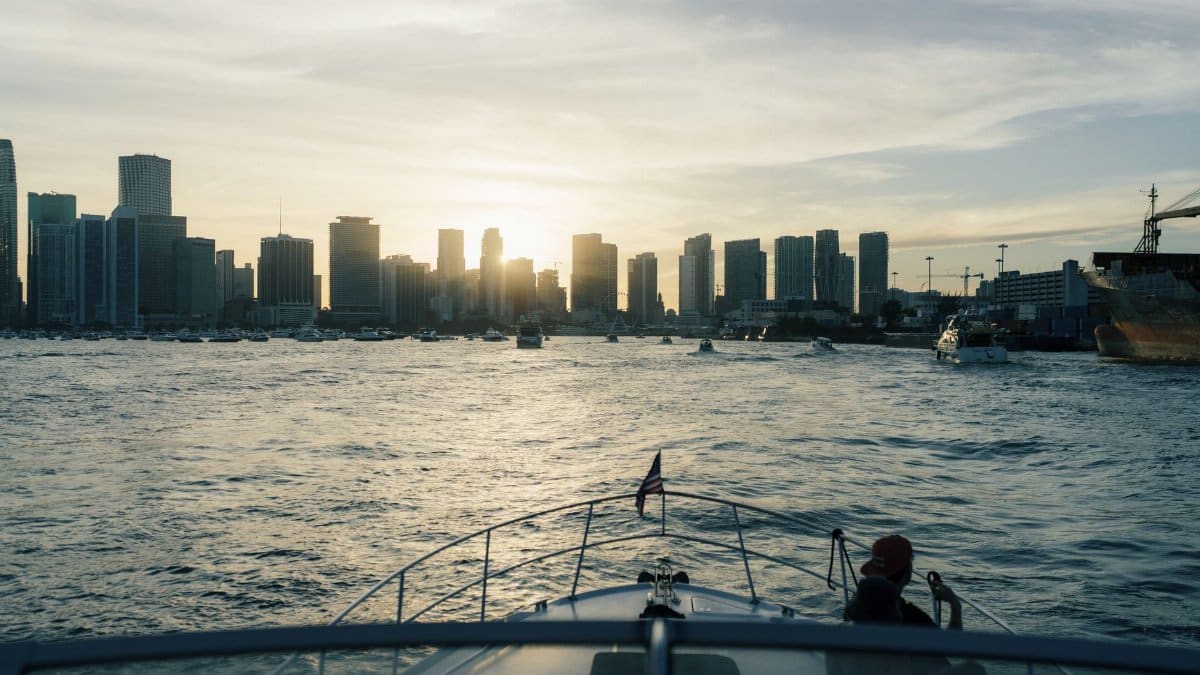
As crowds gather along the waterways of South Florida each summer the emphasis on Miami Dade July 4 Boating Safety grows stronger among local agencies and experienced mariners alike. Officials note that the holiday period brings a sharp rise in recreational traffic which can strain both operators and emergency responders. In past years this surge has coincided with preventable incidents ranging from collisions to groundings that leave families shaken. Authorities therefore encourage all participants to review basic protocols well before casting off. The focus remains on preparation rather than restriction allowing residents to enjoy the festivities while reducing risk on busy channels.
Seasonal Patterns in Local Waterways

Records from county marine patrols show that the days surrounding Independence Day consistently rank among the busiest for vessel activity. Increased numbers of rentals and private craft converge on popular routes near Key Biscayne and the Intracoastal Waterway. These patterns create tighter spacing between boats and heighten the chance of minor errors escalating into larger problems. Patrol logs indicate that many incidents occur during daylight hours when visibility appears adequate yet distractions multiply.
Agency Recommendations for Vessel Operators
Miami Dade marine units advise owners to complete a full pre departure checklist that covers fuel levels navigation lights and bilge pumps. They also stress the value of filing a float plan with a trusted contact on shore. Such steps allow responders to locate overdue vessels more quickly when conditions change. Officers distribute printed guides at popular ramps to reach both seasoned captains and occasional weekend users.
Role of Weather Monitoring
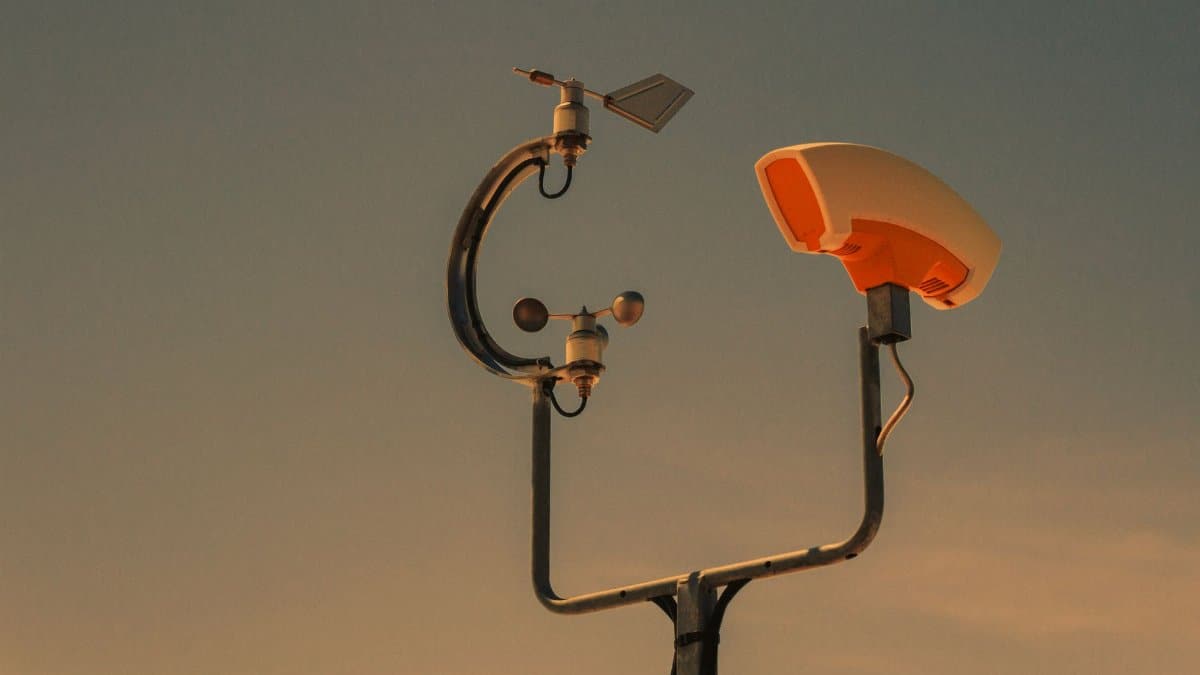
Sudden afternoon thunderstorms remain a leading concern during early July. Forecasters recommend checking marine reports at regular intervals rather than relying on a single morning update. Wind shifts can turn calm bays into challenging passages within minutes. Operators who carry handheld VHF radios gain access to real time advisories that land based apps sometimes miss.
Equipment Standards and Inspections

Life jackets must fit properly and remain accessible rather than stored deep in lockers. Flares and sound producing devices require current dates and functional batteries. County inspections at launch sites have revealed that many vessels carry outdated safety gear which loses effectiveness over time. Replacing these items before the holiday reduces the likelihood of last minute deficiencies.
Navigation Practices in Crowded Areas
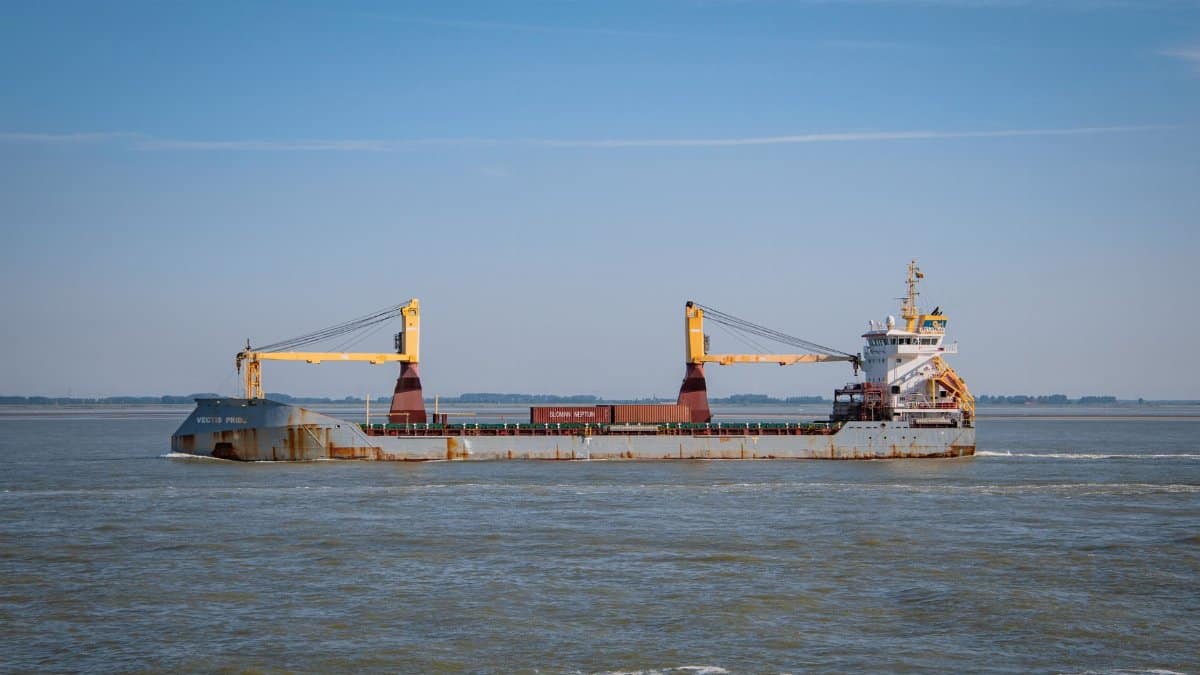
Maintaining steady speeds and clear sight lines helps prevent close calls near bridges and marinas. Operators should avoid anchoring in marked channels where larger commercial traffic continues to move. Charts updated within the past year provide accurate depth information that older maps may omit after recent dredging projects.
Training Opportunities for New Boaters
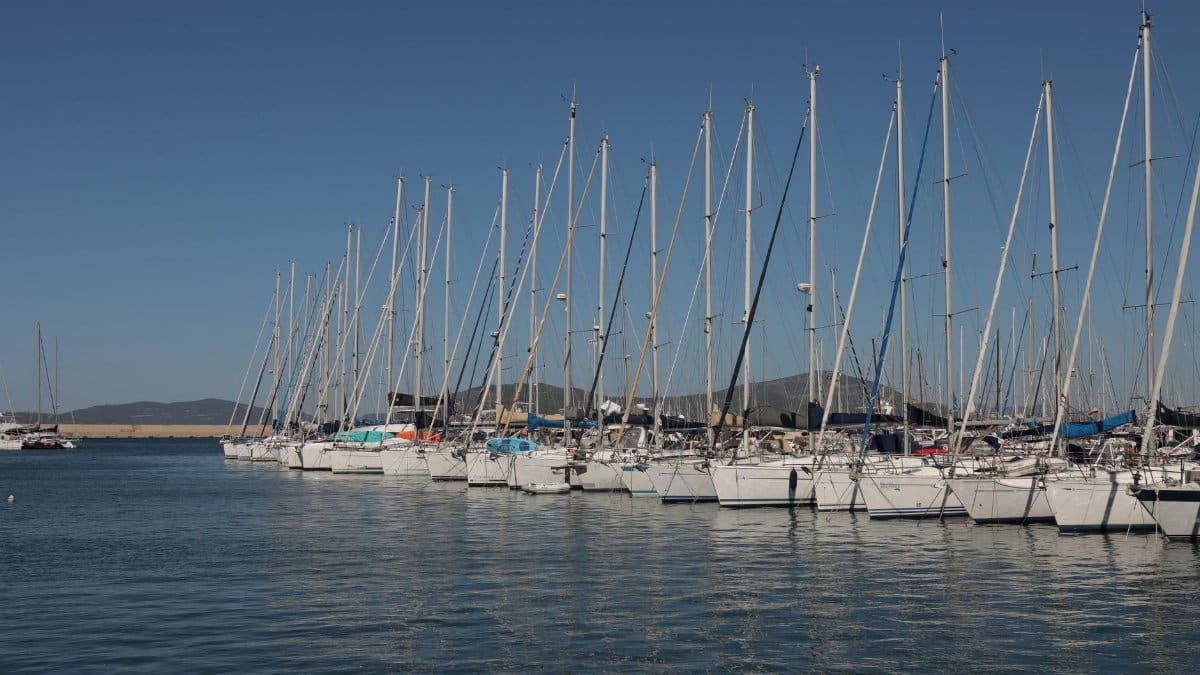
Local power squadron chapters offer short courses that cover rules of the road and basic radio procedures. These sessions run on weekday evenings and attract participants who recently purchased or inherited boats. Graduates often report greater confidence when handling unexpected situations on the water.
Coordination Among First Responders
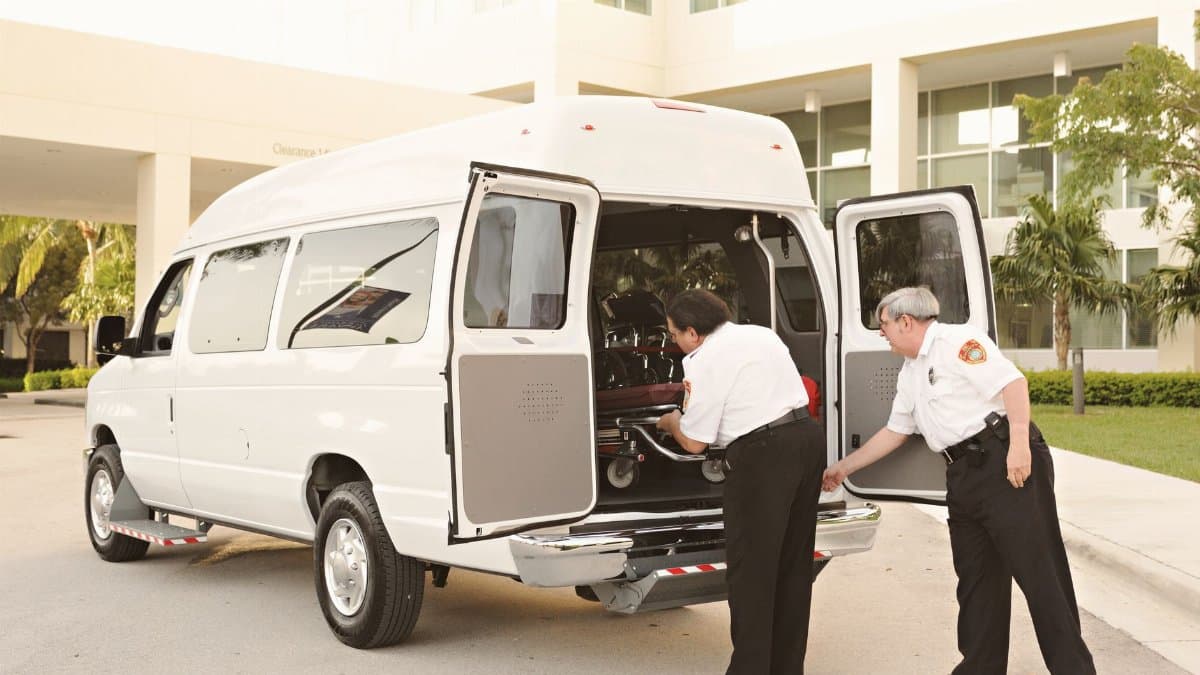
Fire rescue teams and sheriff marine units conduct joint drills each spring to refine communication during mass casualty scenarios. Shared radio frequencies and pre assigned zones allow faster deployment when multiple reports arrive simultaneously. This cooperation extends to neighboring counties when vessels drift across jurisdictional lines.
Public Access Points and Capacity Limits
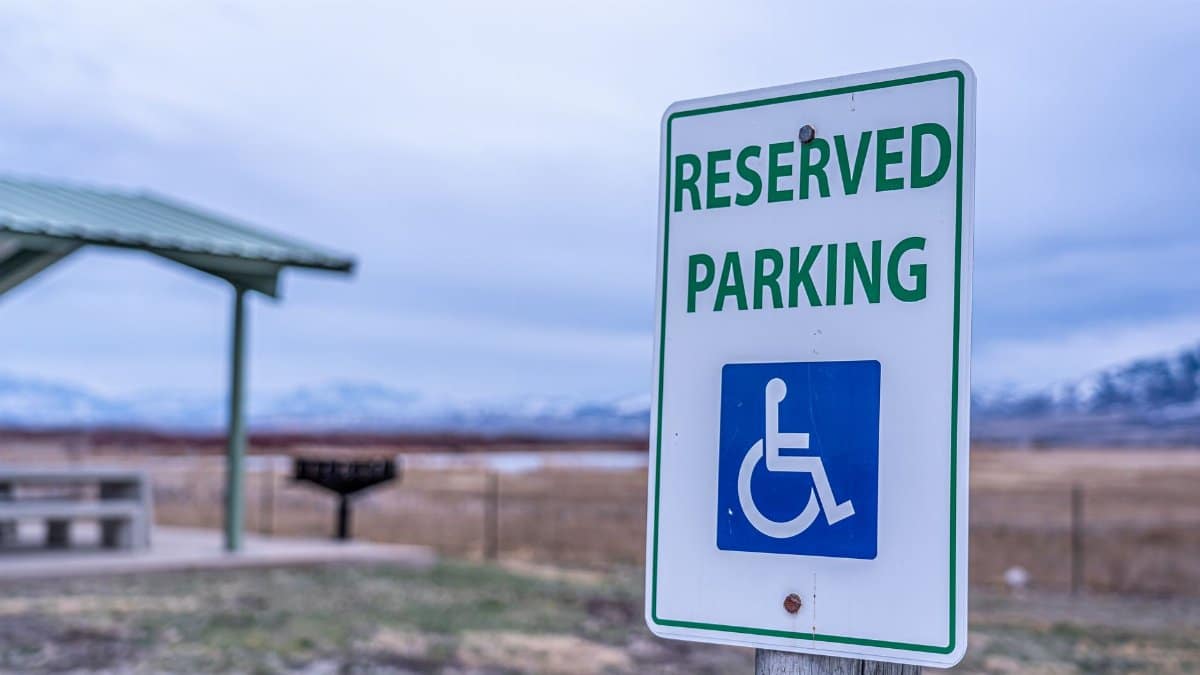
Popular parks that offer boat ramps may reach parking capacity early on the holiday itself. Arriving before sunrise or choosing secondary launch sites can ease congestion. Officials post real time updates on county websites to help drivers adjust plans accordingly.
Long Term Community Education Efforts
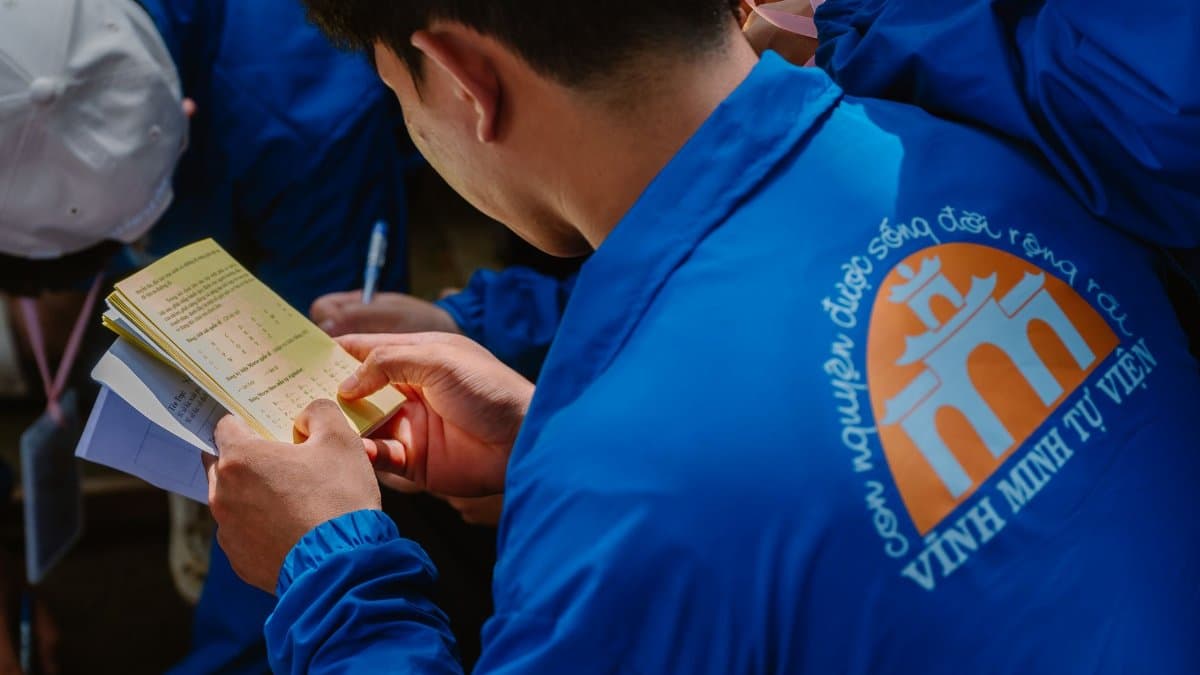
Schools and youth organizations incorporate basic water safety modules into summer programs. These initiatives aim to shape habits among the next generation of operators and passengers. Partnerships with marinas provide ongoing reminders through signage and dockside conversations.
Future Outlook for Holiday Weekends

Continued growth in recreational boating suggests that demand for safety resources will remain high. Expanded use of automatic identification systems on smaller vessels could improve situational awareness in coming seasons. County leaders continue to evaluate new technologies that balance freedom of movement with measurable reductions in incidents.