
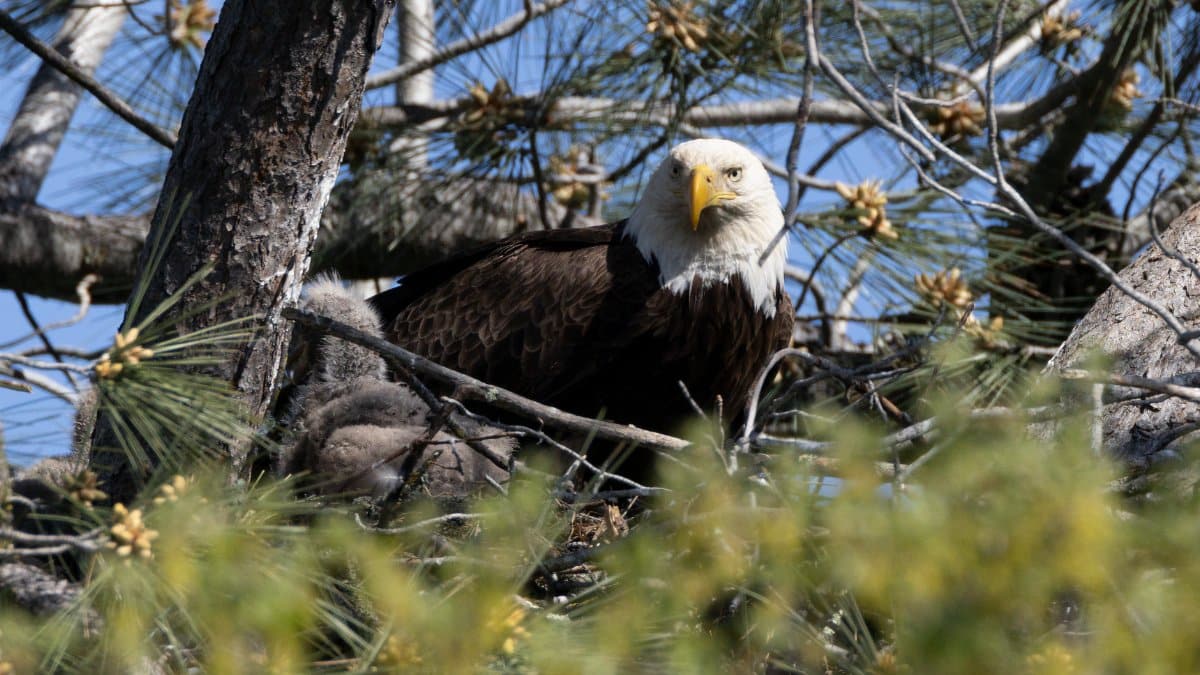
In a quiet stretch along the Chicago River last spring observers noted an unexpected pair of bald eagles tending to a nest high in an old cottonwood tree. Their presence signaled the first successful hatching in the region in generations and set the stage for a public naming process that unfolded in step with national anniversary plans. The episode drew residents of all ages to riverfront parks and online forums where suggestions poured in for names that reflected both local character and the broader spirit of renewal. This chapter of urban wildlife recovery now stands out as the Chicago Bald Eagles Naming 250th Anniversary.
Early Signs of Nesting Success
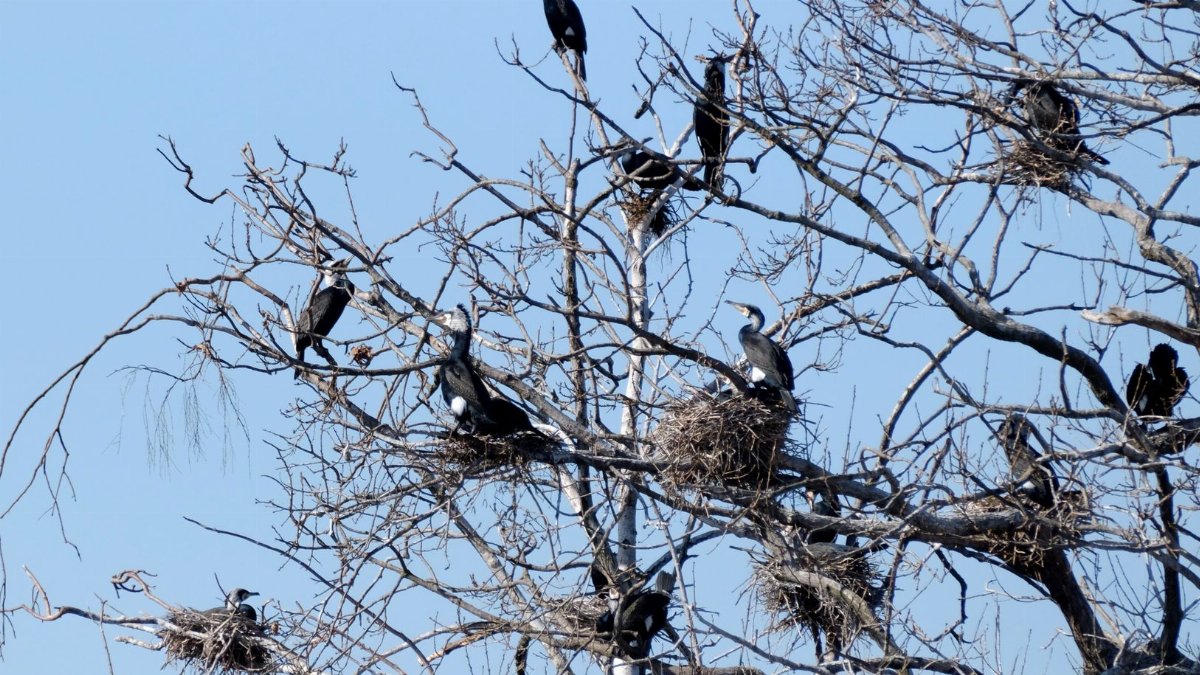
Wildlife monitors first spotted the adult pair in February when the male delivered sticks to a platform used years earlier by other raptors. By April the female was seen settling low in the nest cup and the pair began a steady routine of fishing along the waterway. Cameras mounted nearby recorded the moment two chicks emerged in early May their downy forms barely visible from the trail below. City biologists confirmed the births after weeks of careful distance observation and the news spread through neighborhood networks.
Public Participation in the Naming Process
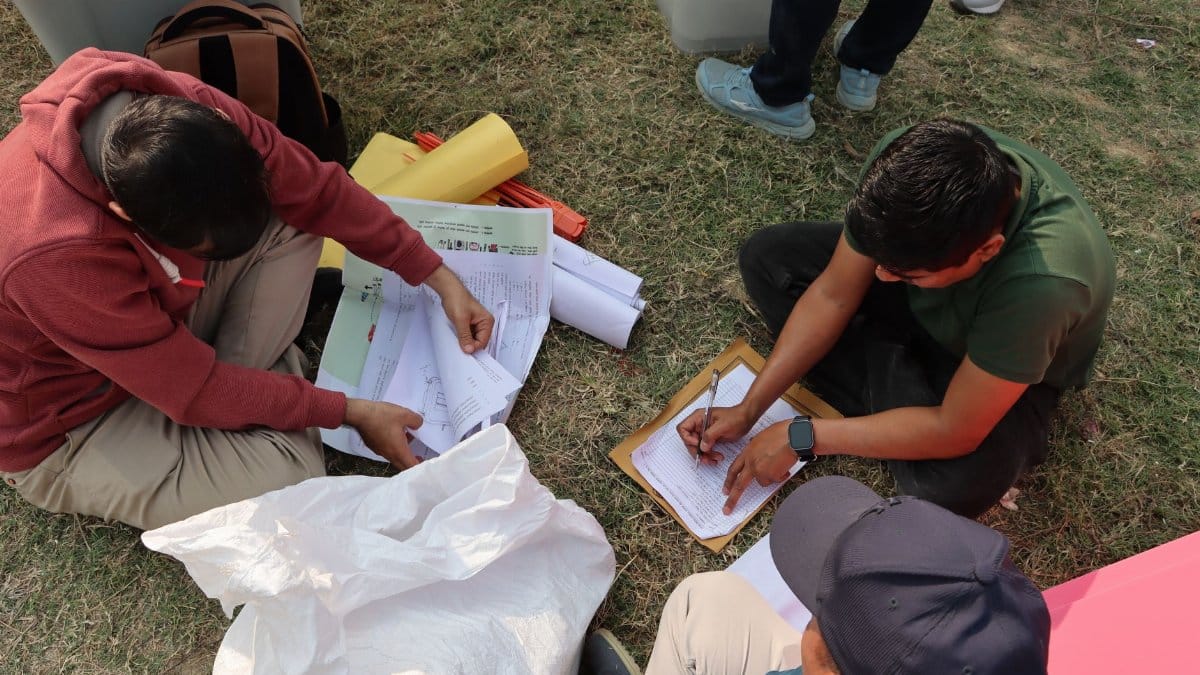
Officials invited residents to submit ideas through a simple online form that remained open for three weeks. Thousands responded with proposals drawn from Native American languages from Chicago sports lore and from the vocabulary of the American founding era. A committee of ornithologists historians and community leaders reviewed the entries and narrowed the list to six finalists. Voting then moved to a public website where the top two names emerged after a five day period.
Connection to National Anniversary Events

The timing of the chicks arrival placed the naming inside a wider calendar of commemorations planned for the nations 250th year. Organizers in several states have highlighted stories of environmental recovery as part of those observances and Chicago officials saw a natural fit. Educational programs in schools now link the eaglet milestone to lessons on habitat restoration and civic engagement.
Habitat Changes That Made Recovery Possible
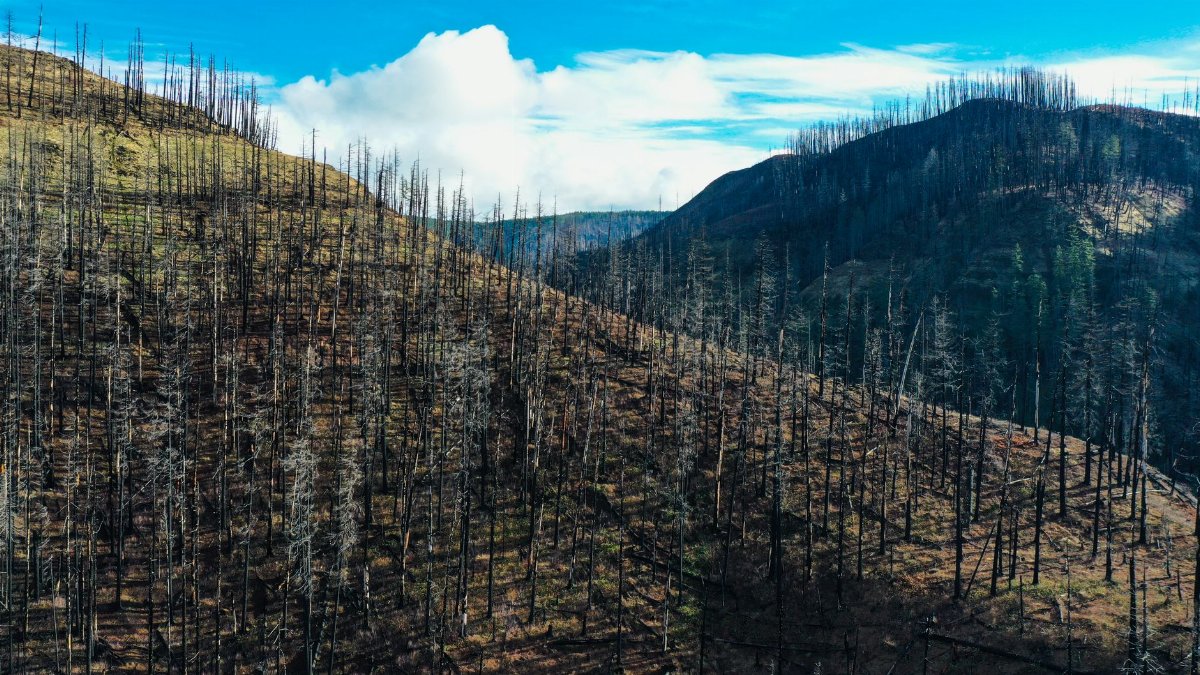
Decades of cleaner water regulations and shoreline plantings created conditions that allowed fish populations to rebound. With more prey available the eagles found reliable hunting grounds close to downtown. Reduced use of certain pesticides also removed a barrier that once limited raptor reproduction in the Midwest. These gradual shifts turned an industrial corridor into a place where large birds could raise young again.
Reactions From Local Residents
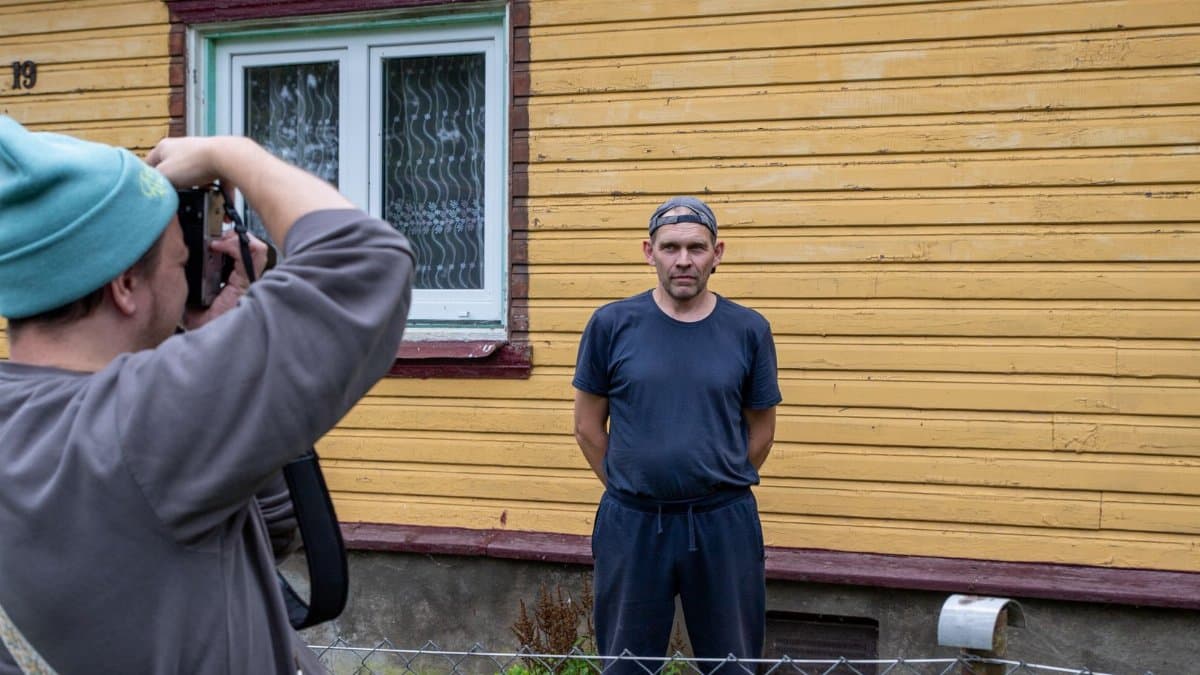
Many families visited the viewing area during the summer months bringing binoculars and sketch pads. Teachers incorporated the nest updates into science units while senior centers organized group outings along the riverwalk. Some longtime Chicagoans described the sightings as a welcome contrast to earlier decades when the waterway was known mainly for its industrial traffic.
Role of Volunteer Monitoring Networks

Trained volunteers logged hundreds of hours watching the nest from designated spots that kept human disturbance low. They recorded feeding visits and noted any signs of stress in the adults. Their data helped biologists decide when it was safe to install a second camera for live streaming. The same network now watches other potential nesting sites farther upstream.
Lessons for Other Cities

Urban planners in Milwaukee and Cleveland have already contacted Chicago officials to discuss similar nest monitoring projects. The experience here shows that modest investments in water quality and green space can produce visible wildlife gains within a single human generation. It also illustrates how public naming campaigns can build lasting interest in conservation work.
Future Outlook for the Eaglet Pair
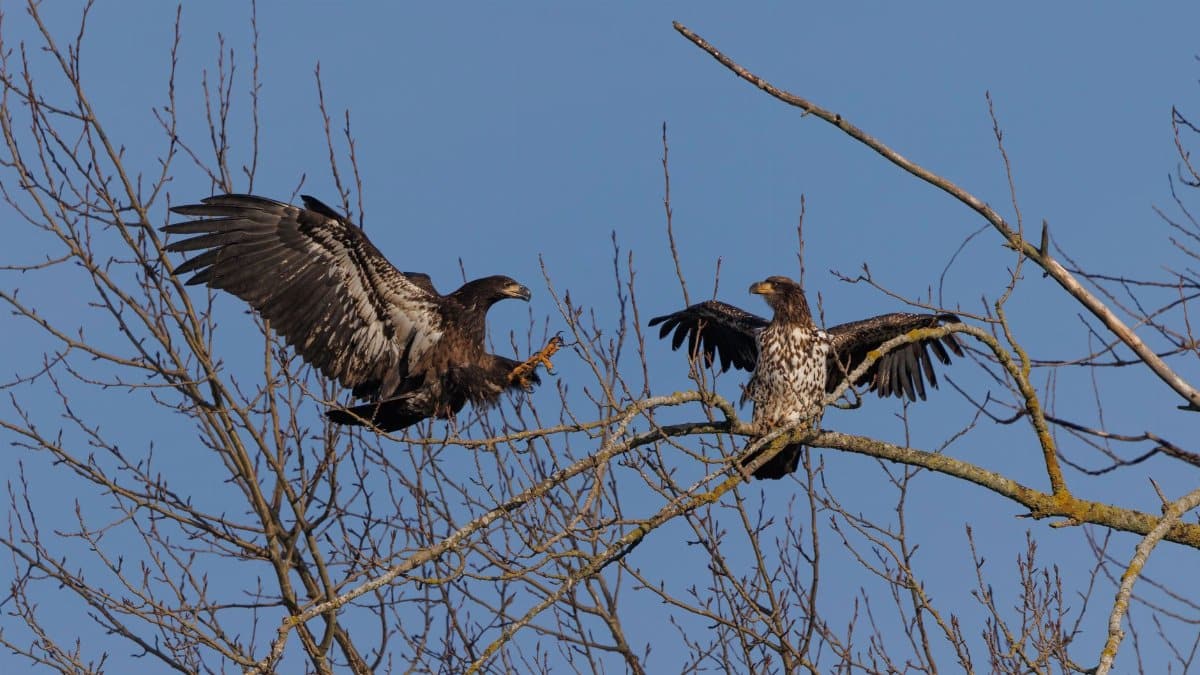
The young eagles are expected to remain near the nest through early autumn before dispersing. Researchers have fitted each with a lightweight tracking band that will transmit location data for several years. Those signals should reveal whether the birds return to the same stretch of river when they reach breeding age. Continued monitoring will help measure the long term impact of the recovery efforts now underway.