
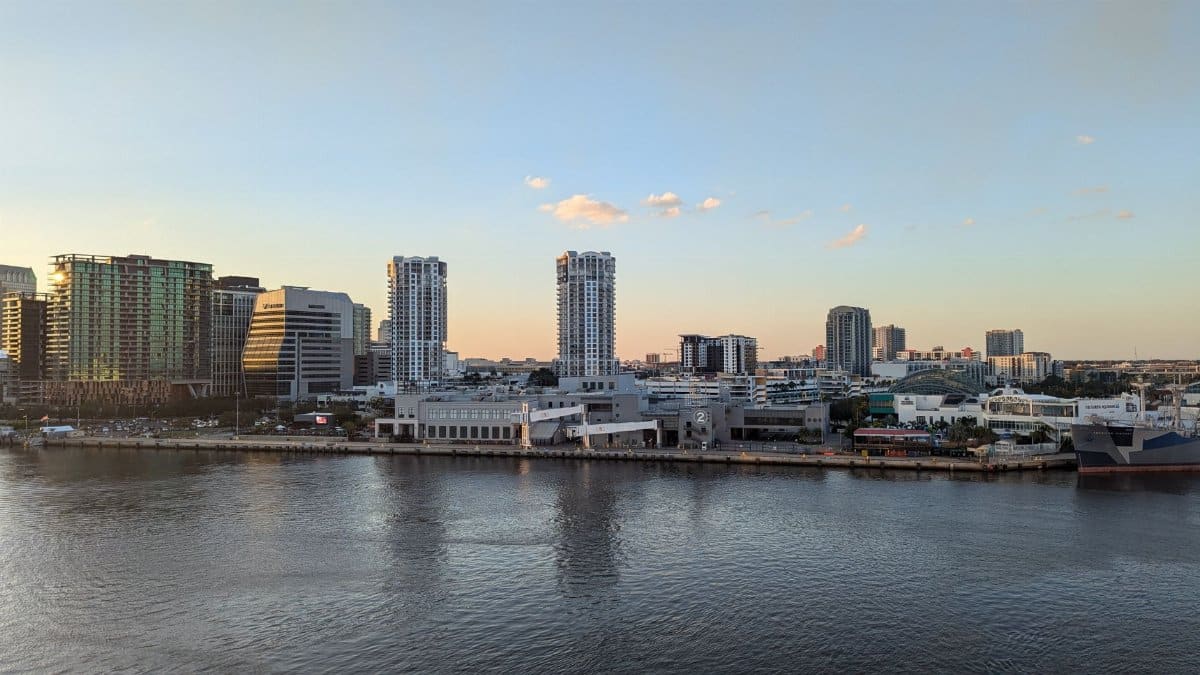
In the sunlit corridors of Tampa government buildings, conversations about a potential new home for the Rays have steadily gained momentum, reflecting deeper questions about urban growth and public priorities. Rays Stadium Tampa Politics now sits at the center of these exchanges, where elected officials weigh competing visions for the waterfront and surrounding neighborhoods.
Early Roots of the Ballpark Proposal
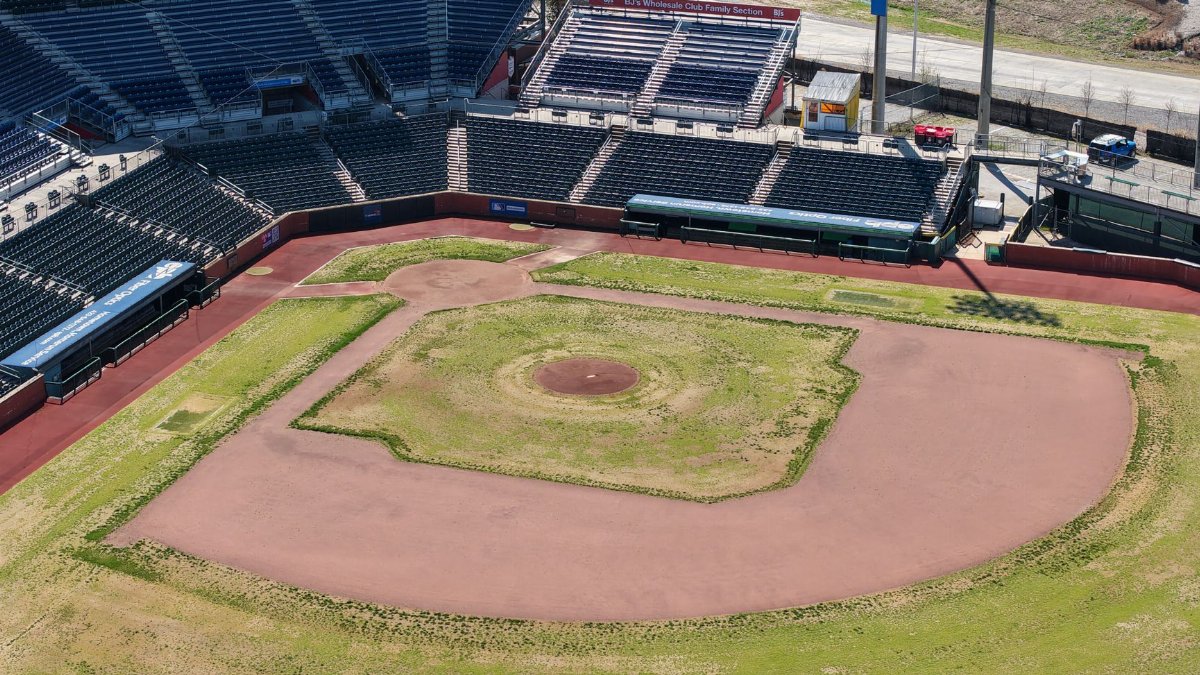
The idea for a modern facility traces back several years, when team leadership first approached city leaders with sketches and cost estimates. Initial talks focused on sites near the water, where existing infrastructure could support large crowds on game days. Over time these plans evolved as feedback from residents and business owners shaped the details.
City Council Sessions Shape Next Steps
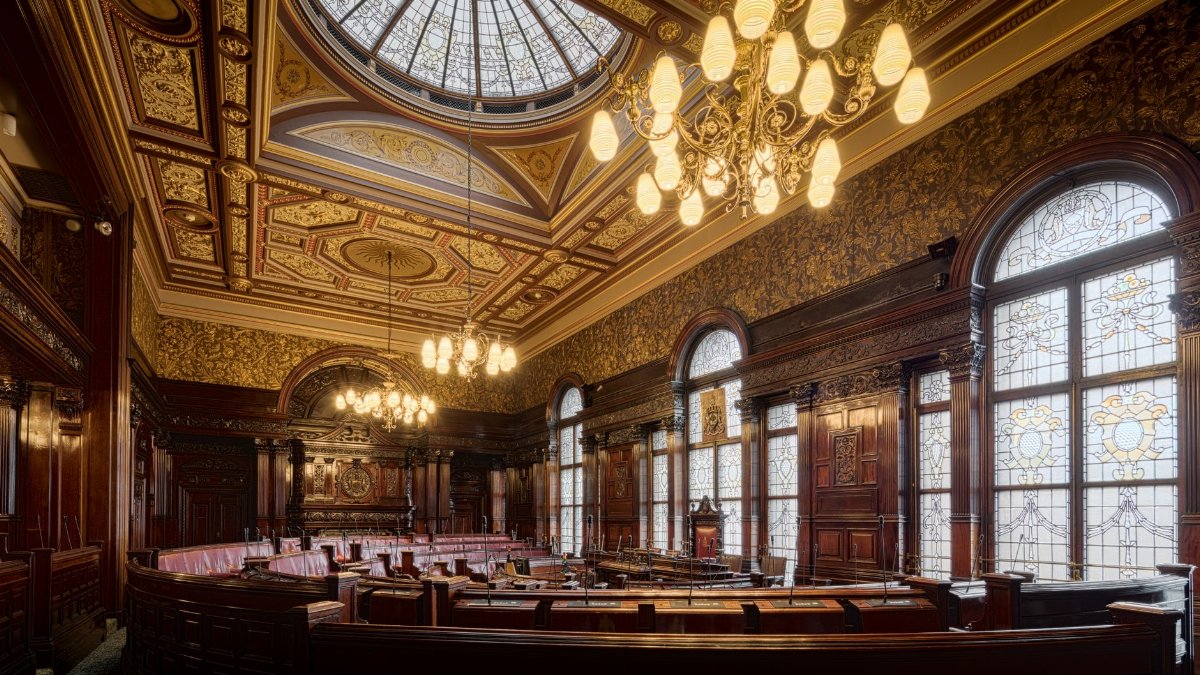
Recent meetings of the Tampa Bay City Council brought new scrutiny to funding models and land use agreements. Members asked pointed questions about long term maintenance costs and how any deal might affect local tax rates. These exchanges revealed divisions along familiar lines, with some voices favoring aggressive investment in sports infrastructure while others urged caution.
Public Input and Neighborhood Concerns
Residents living near proposed locations have voiced worries about traffic, noise and rising property values. Community forums allowed direct comments that council staff later summarized in reports. Many speakers emphasized the need for green space and pedestrian access, hoping any final design would serve daily life as much as occasional events.
Economic Projections Under Review

Analysts hired by the city produced estimates showing potential job gains during construction and afterward. The numbers also flagged possible shortfalls if attendance fell below expectations or if surrounding development lagged. Council members requested additional modeling to test different scenarios before committing public resources.
Environmental Reviews Add Complexity
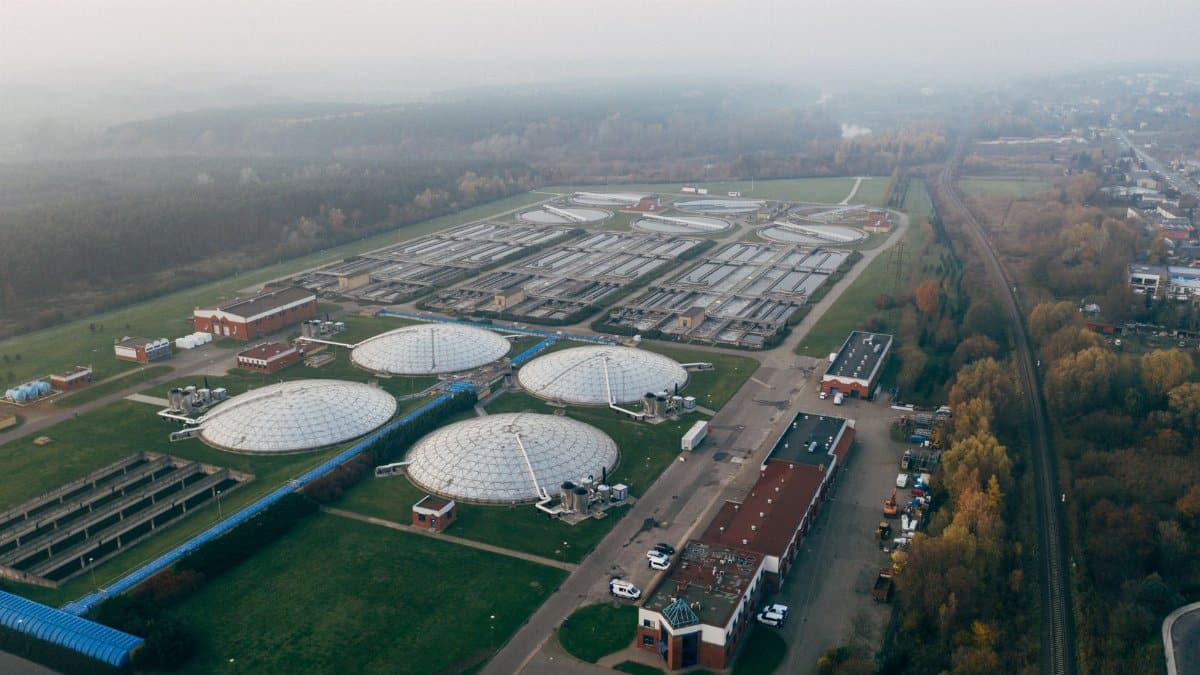
Coastal location options triggered assessments of storm preparedness and water management. Engineers examined how new structures might interact with rising sea levels over coming decades. These studies prompted design adjustments such as elevated foundations and improved drainage systems that raised overall expenses.
Comparison With Other Regional Projects
Nearby cities have pursued similar venues in recent cycles, offering Tampa officials case studies on revenue sharing and private contributions. Some succeeded through tight partnerships between teams and local agencies, while others faced delays when voter support wavered. Lessons from those experiences now inform ongoing negotiations here.
Key Figures Driving the Debate

Mayor and several council members have emerged as central voices, each bringing distinct priorities to the table. Team executives continue to advocate for a timeline that allows construction to begin within a set window. Observers note that personal relationships among these players may prove as influential as formal policy documents.
Funding Pathways and Tax Considerations

Options under discussion include hotel and sales tax increments along with direct contributions from the franchise. Officials stress the importance of transparency so taxpayers understand exactly what they would support. Alternative structures that limit public exposure continue to receive attention as talks progress.
Looking Ahead to Final Decisions

With Rays Stadium Tampa Politics remaining a live topic, further council votes are expected in coming months. Any agreement will likely require compromise on both design details and financial terms. The outcome will influence not only the Rays schedule but also the broader character of Tampa development for years ahead.