

Philadelphia faces an intense period of high temperatures over the July 4 weekend, raising concerns for public safety during the city 250th anniversary events. The phenomenon known as Philly Extreme Heat July 4th threatens to disrupt outdoor gatherings and strain medical resources across the region. With daytime highs potentially challenging long standing records and nighttime lows offering little relief, residents and visitors alike must take precautions to avoid heat related illnesses. Meteorologists have issued warnings about the potential for dangerous conditions that could affect thousands attending parades, fireworks, and other public events. The combination of heat and the timing with national holidays amplifies the risks, prompting calls for increased awareness and preparation among the population.
Health Impacts on Residents

Local hospitals report rising cases of dehydration and heat exhaustion as temperatures climb. Emergency rooms see more patients with symptoms that include dizziness and rapid heart rates. Public health officials emphasize the need for frequent hydration and limited time outdoors during peak hours. Community centers open cooling stations to provide relief for those without air conditioning at home. These measures aim to reduce serious complications that often arise during prolonged heat exposure in urban settings.
Effects on July 4 Celebrations

Organizers adjust schedules for parades and outdoor concerts to avoid the hottest parts of the day. Fireworks displays remain on track but with added medical staff on site. Many families reconsider large gatherings in favor of indoor alternatives or shorter visits to public spaces. The timing of Philly Extreme Heat July 4th forces event planners to prioritize safety over traditional formats that have defined past celebrations.
Record Temperatures Expected
Forecasts indicate highs may approach or exceed historic marks set decades ago. Weather services monitor conditions closely as humidity levels add to the overall stress on the body. Such extremes test the resilience of infrastructure including power grids that support widespread air conditioning use. Residents receive alerts through multiple channels to stay informed of any updates throughout the weekend.
Urban Heat Island Phenomenon
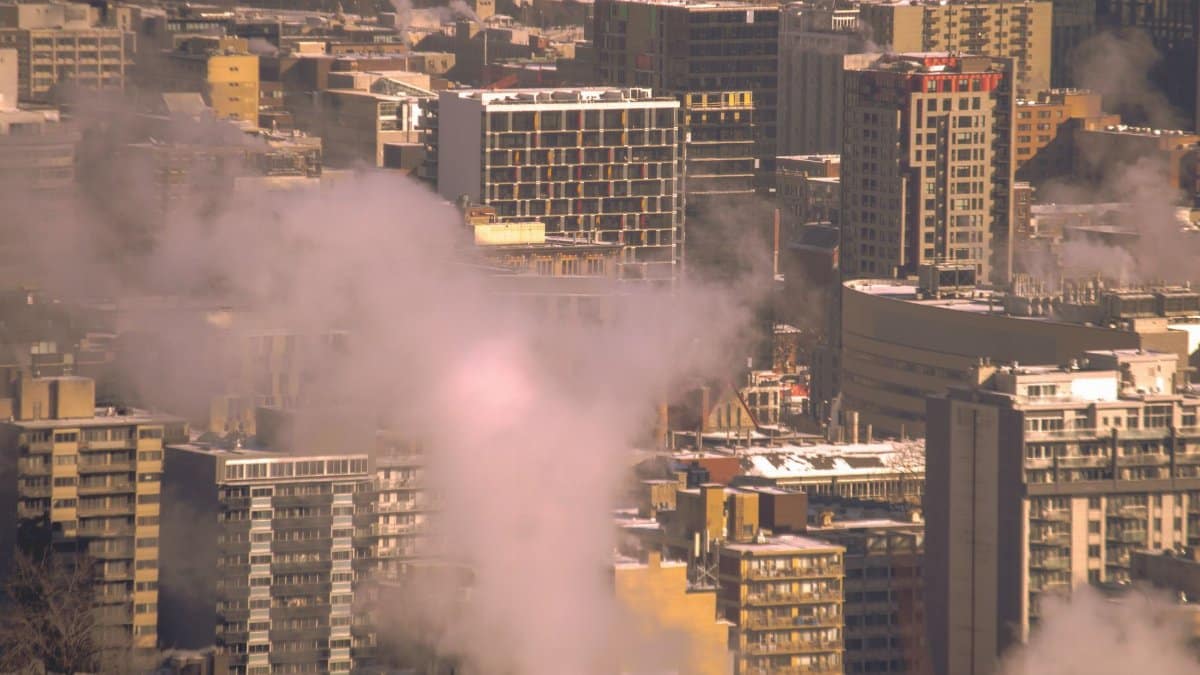
Dense building materials and limited green space trap warmth in Philadelphia neighborhoods, intensifying the overall experience. Areas with heavy pavement see slower cooling even after sunset. City planners have discussed expanding tree cover and reflective surfaces in future projects to ease these effects. Current conditions highlight how urban design influences daily comfort during summer months.
Advice from Local Officials

The mayor encourages checking on neighbors who live alone or have limited mobility. Guidelines recommend avoiding strenuous exercise and seeking shade whenever possible. Water distribution points appear in several parks to support those spending time outside. These steps reflect a coordinated response developed from past heat events in the region.
Historical Context of Heat Waves
Past summers have brought similar challenges that led to policy changes around emergency response. Records show increasing frequency of high temperature days in recent decades. Analysts compare current projections to earlier periods when fewer resources existed for public cooling. This perspective helps frame the present situation within a broader pattern of seasonal weather.
Nighttime Temperatures Rising
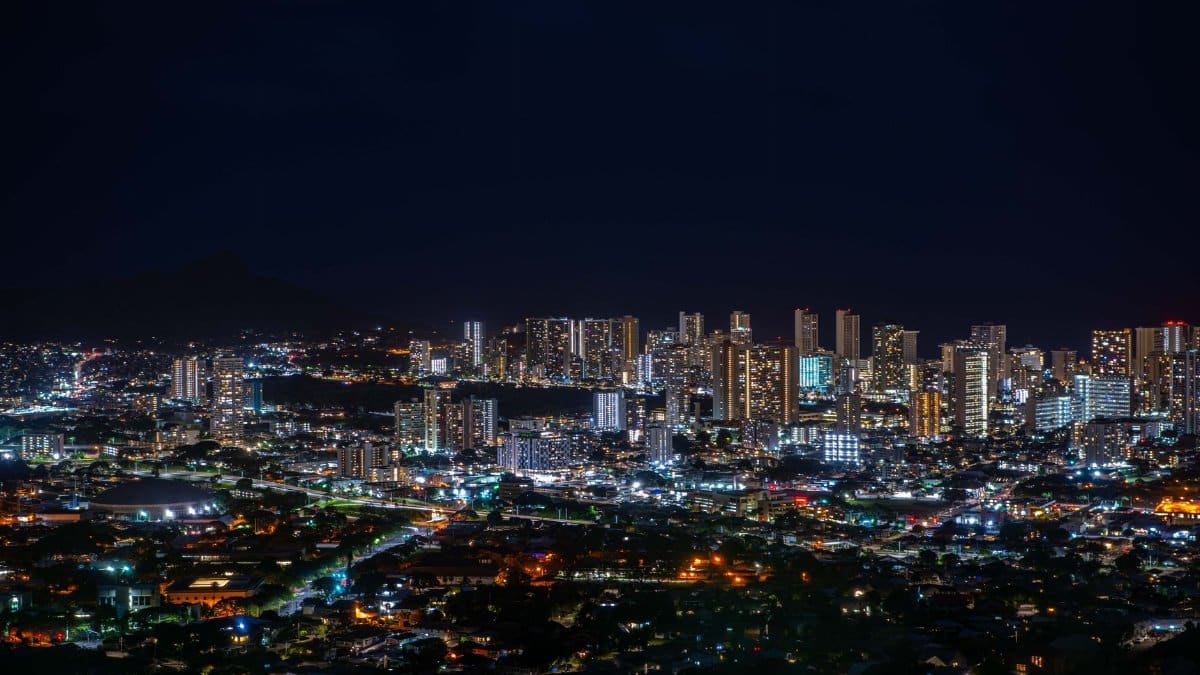
Overnight lows remain elevated, preventing the natural recovery that usually follows hot days. Homes without proper ventilation retain warmth well into the morning hours. This pattern contributes to cumulative fatigue among workers and families who rely on rest for the next day activities. Forecasters note that sustained warmth overnight distinguishes this event from milder episodes.
Vulnerable Populations at Risk
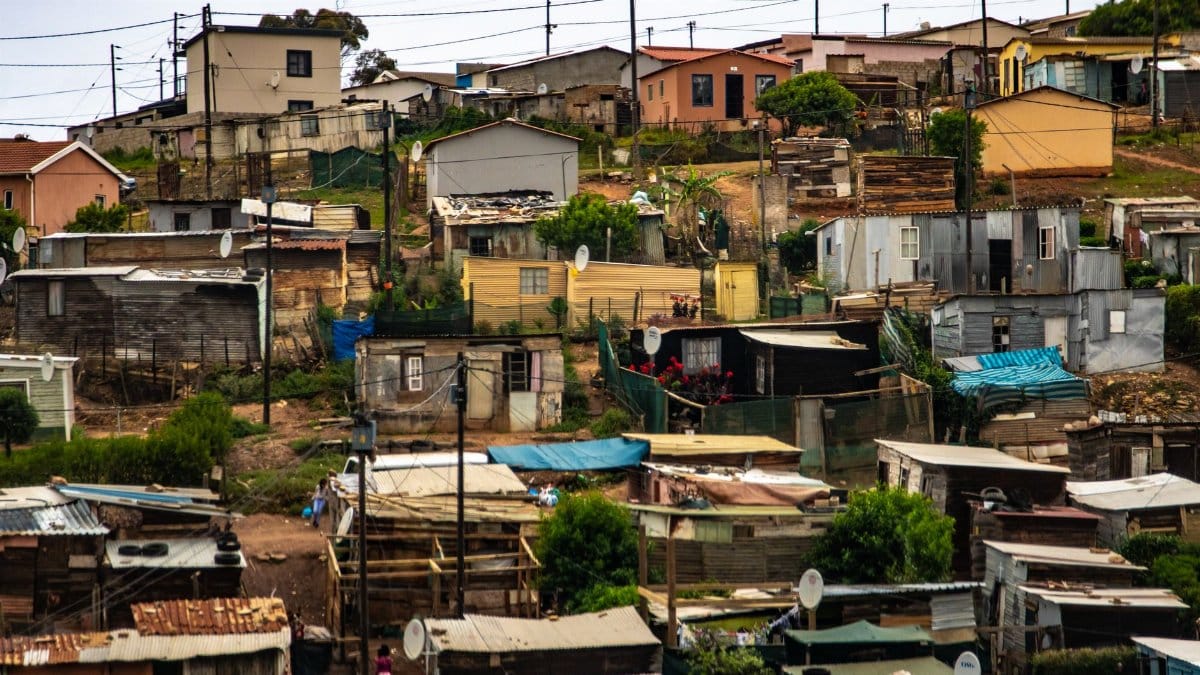
Elderly individuals and young children face heightened dangers from prolonged exposure. Outreach programs target these groups with transportation to cooling centers and wellness checks. Advocates stress the importance of recognizing early signs of distress in those who may not communicate needs clearly. Support networks expand during the holiday period to cover additional households.
Environmental Factors Contributing

Regional weather patterns trap warm air masses over the mid Atlantic area. Limited rainfall in preceding weeks reduces natural cooling from evaporation. These elements combine to create conditions that feel more oppressive than temperature readings alone suggest. Scientists continue to study how such factors interact in densely populated zones.
Future Climate Projections
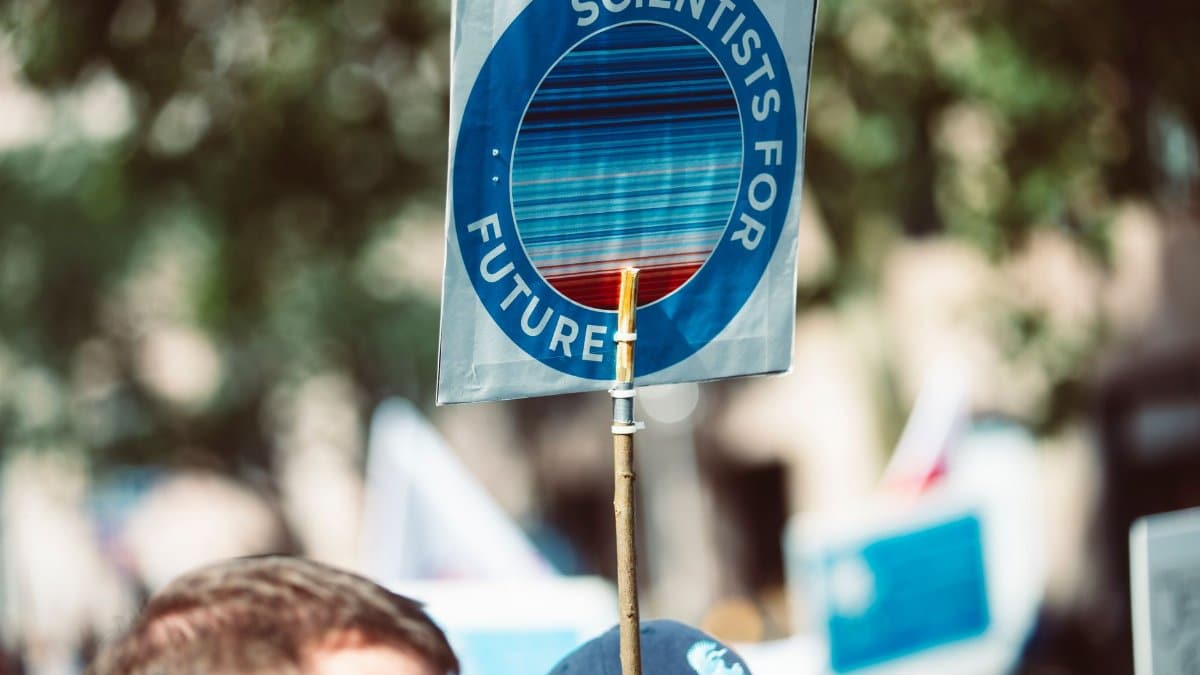
Long term models suggest more frequent periods of intense summer heat in coming years. Adaptation strategies include upgrades to public buildings and expanded green infrastructure. Discussions among policymakers focus on balancing growth with measures that protect residents from seasonal extremes. The current weekend serves as a reminder of the need for ongoing planning.