

Seattle faces mounting pressure from population increases and limited housing stock that has driven up costs across neighborhoods. City leaders now examine ways to speed approvals for new construction while residents weigh the tradeoffs of taller buildings and denser blocks. Within this debate Seattle Density Plan Appeals stand out as a procedural tool that some officials want to restrict in order to move the Comprehensive Plan forward more quickly.
Origins of the Current Housing Strategy

Seattle has updated its growth blueprint every decade to guide where homes and jobs should locate. Past versions emphasized single family zones that now cover large portions of the city. Recent revisions seek to open more land for apartments and townhomes near transit lines. Supporters argue this shift will ease shortages while critics fear loss of neighborhood character.
Mechanics of Project Challenges

Under existing rules any party can file an appeal against a proposed development that exceeds zoning limits. These filings trigger hearings that can stretch timelines by months or years. Builders say the process adds uncertainty and expense that ultimately raises rents. The proposed limits would narrow who qualifies to appeal and shorten review windows.
Views from Neighborhood Advocates

Community groups contend that appeals serve as an essential check against poorly designed projects. They point to cases where public input led to better landscaping or traffic fixes. Restricting access they warn could silence residents who live closest to future construction sites.
Impact on Construction Timelines

Data from recent projects show that appealed permits take roughly twice as long to resolve as unopposed ones. Developers have responded by scaling back ambitious proposals or shifting investment to suburbs with fewer hurdles. City staff estimate that trimming appeal windows could shave six to nine months from average approvals.
Legal Questions Raised by the Measure

Attorneys note that state law grants broad standing to challenge land use decisions. Any city ordinance that narrows those rights may face court tests. Planners therefore drafted language that preserves appeals for direct neighbors while limiting filings from distant advocacy organizations.
Comparison with Other West Coast Cities

Portland and Vancouver have adopted similar streamlining steps in recent years. Both reported faster permitting without widespread loss of public oversight. Seattle officials have studied those examples while tailoring rules to local hearing examiner procedures.
Economic Pressures Driving the Debate

Median home prices have climbed steadily forcing younger workers to delay household formation or leave the region. Employers in technology and health care cite housing costs as a recruitment obstacle. Faster plan adoption could unlock more units though skeptics question whether supply alone will moderate prices.
Role of Environmental Reviews

Appeals often cite impacts on open space or stormwater capacity. The new framework would fold many of those concerns into earlier environmental impact statements rather than case by case challenges. This consolidation aims to front load analysis and reduce duplicative hearings.
Public Comment Opportunities

Even with tighter appeal rules the city would retain open meetings and online portals for feedback on draft zoning maps. Officials promise to expand outreach in multiple languages to reach renters who have historically participated less often.
Potential Outcomes for Different Districts

Areas near light rail stations stand to gain the most new capacity under revised density targets. Single family pockets farther from transit may see smaller changes. Council members have requested detailed maps showing block by block effects before final votes.
Next Steps in the Legislative Process
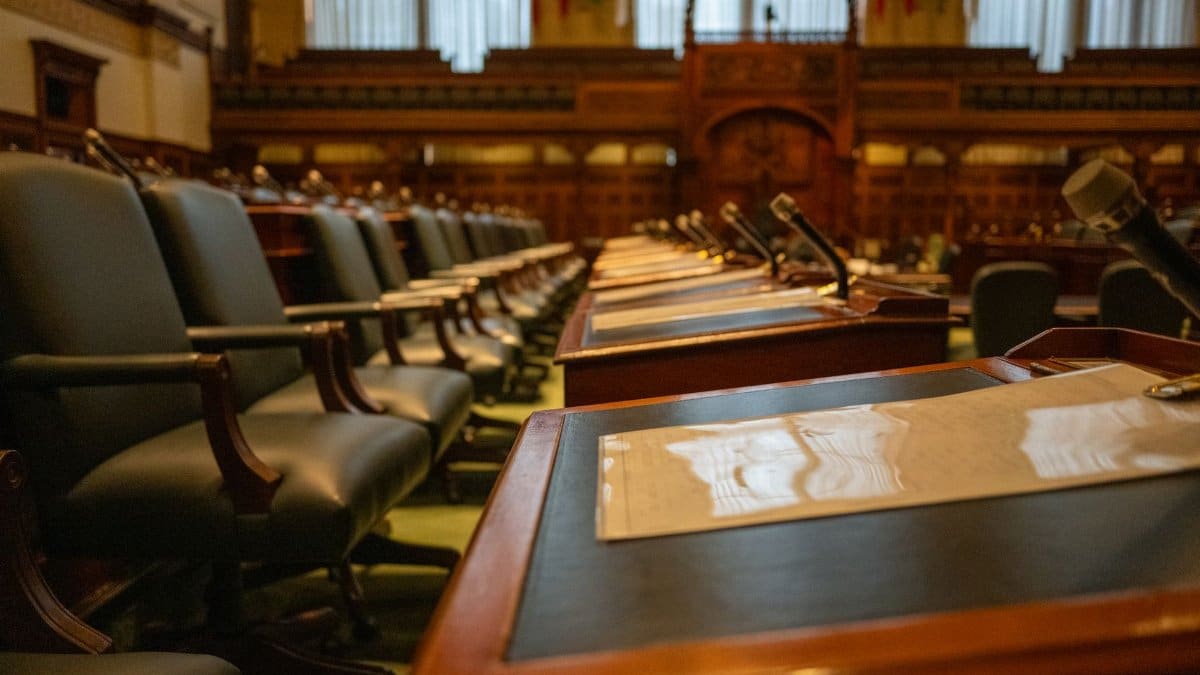
A committee will hold additional sessions to gather testimony from builders architects and tenant unions. Amendments could restore some appeal pathways or add affordability requirements to projects that benefit from faster reviews. Final action is expected before summer recess.