

In recent months a series of incidents involving firearms has unsettled families living in a historic industrial area of Chicago. The situation highlights how efforts to reduce crime must contend with deep rooted social and economic factors that have persisted for generations. Chicago Back of the Yards Gun Violence remains a focal point for discussions among policymakers and local leaders who are trying to build on past successes in lowering overall crime rates across the city. Residents describe a sense of unease that affects everything from children playing outside to businesses operating late into the evening. Community groups have organized meetings to discuss prevention strategies while city agencies review data on shooting locations and times. Despite some progress in certain parts of Chicago the challenges in this particular district illustrate the uneven nature of recovery from years of violence.
Local Organizations Mobilize Support Networks

Groups based in the area have stepped up their work to connect residents with resources aimed at easing conflicts before they escalate. These efforts include regular gatherings where people share experiences and learn about available counseling or job programs. Leaders emphasize building trust so that more individuals feel comfortable reporting concerns without fear of retaliation. Partnerships with nearby schools help reach younger people through after school activities focused on conflict resolution and skill development. Funding from private donors supplements public grants allowing for expanded outreach during peak periods of tension.
Historical Context of the Neighborhood
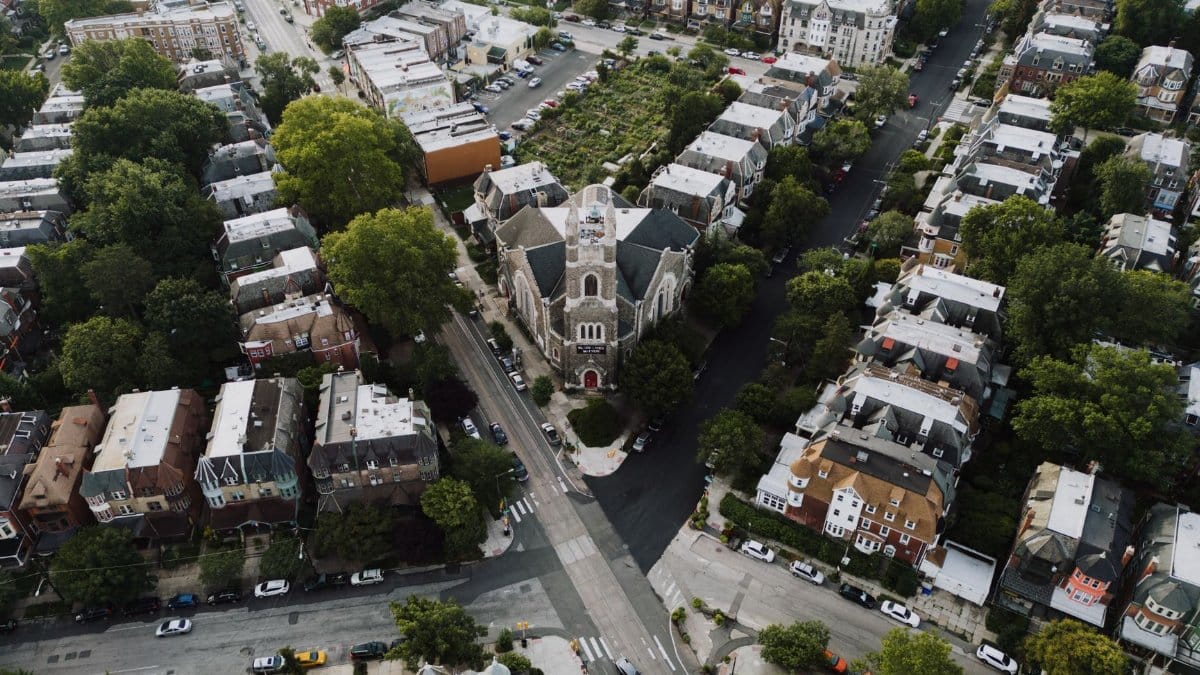
Once home to stockyards and factories that drew waves of immigrants the district carries a legacy of hard work alongside periods of economic strain. Shifts in industry left many without steady employment contributing to cycles of hardship that research links to higher rates of unrest. Over decades community advocates have pushed for better housing and schools yet gaps remain visible in everyday conditions. This background informs current approaches that seek to honor the resilience of past generations while addressing modern pressures from outside influences.
Economic Factors Contributing to Tensions

Limited access to stable jobs plays a central role in sustaining difficulties as many households juggle multiple low wage positions. Small businesses struggle with theft and declining foot traffic which reduces opportunities for young adults entering the workforce. Advocates call for targeted investments in training programs that match local skills with growing sectors such as logistics and technology. Without broader improvements in these areas experts warn that temporary measures will fall short of lasting change.
Police Strategies and Community Relations
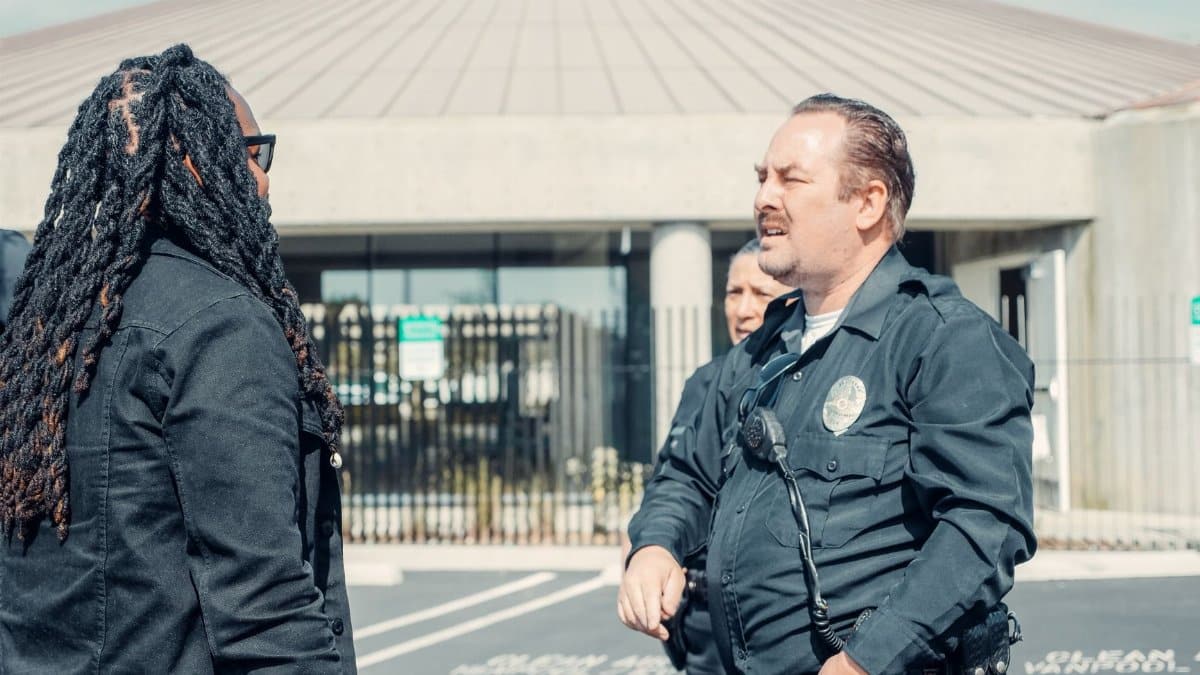
Officers assigned to the district have adopted foot patrols and data reviews to identify patterns in incidents allowing quicker responses. At the same time leaders stress the need for ongoing dialogue to repair relations strained by past encounters. Training sessions now incorporate input from residents on cultural sensitivities and deescalation techniques. Success depends on consistent presence rather than sporadic crackdowns that can alienate the very people officers aim to protect.
Impact on Families and Youth

Parents report altering routines to keep children indoors during evening hours limiting play and social development. Schools note increased absences following nearby events and counselors work to address trauma through group sessions. Youth programs offer outlets like sports and arts to channel energy productively yet demand often exceeds available spots. Long term observers see these effects compounding across generations unless comprehensive support expands.
Citywide Initiatives and Their Reach
Mayor led programs have allocated resources to high need zones including this one with mixed results so far. Coordination between departments aims to tackle root causes such as housing instability and mental health access. Evaluations track progress through metrics like response times and resident satisfaction surveys. Observers note that scaling successful pilots requires sustained commitment beyond election cycles.
Voices from Residents on Daily Life

Longtime inhabitants speak of a neighborhood rich in history and mutual aid yet tested by recurring disruptions. One woman described organizing block watches that foster connection among neighbors who once kept to themselves. Others highlight the role of faith based groups in providing comfort and practical aid after incidents. These accounts reveal both frustration and determination to preserve community bonds.
Looking Toward Future Solutions

Analysts recommend blending enforcement with social investments that address poverty and education gaps simultaneously. Pilot projects in similar districts show promise when they involve residents in planning from the start. Broader policy changes at state and federal levels could influence outcomes by supporting economic development. Ultimately progress hinges on viewing Chicago Back of the Yards Gun Violence as part of interconnected urban challenges rather than isolated events.