
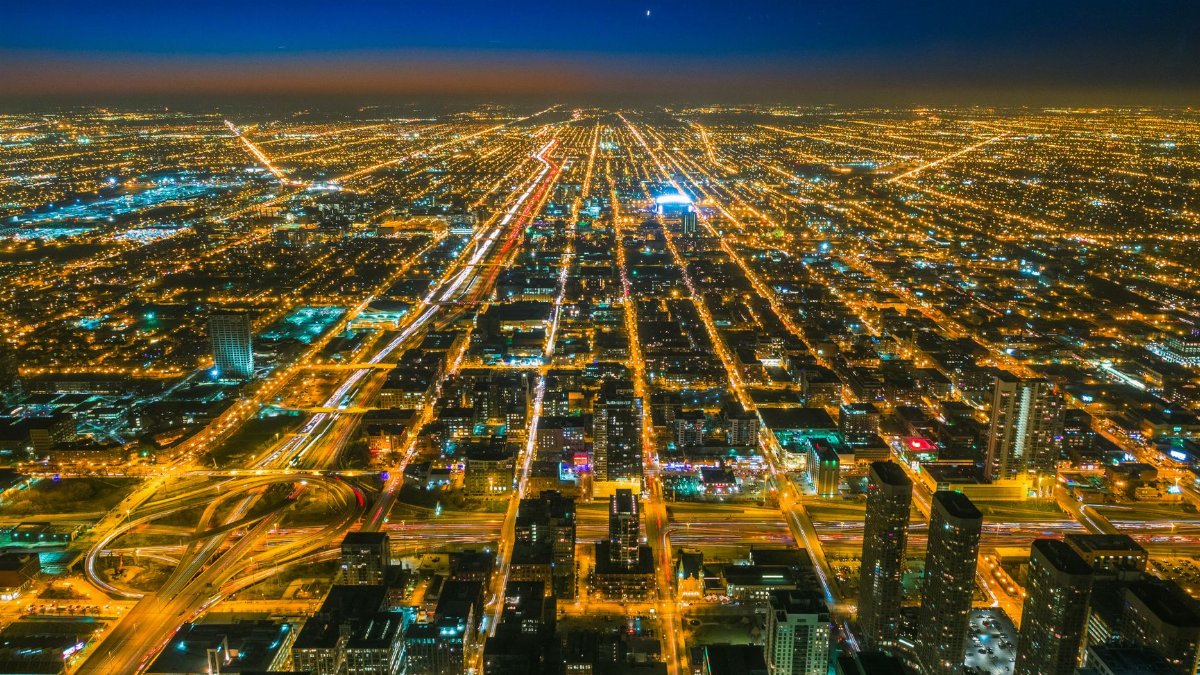
During last month’s punishing stretch of weather, with heat indices climbing past 100 degrees, Chicago residents discovered that public cooling options fell far short of demand. The result left thousands, particularly older adults and those without stable housing, searching in vain for reliable shelter. Reports from community organizations showed lines forming early at the few available sites, only for doors to close before everyone could enter. This situation underscores why Chicago Heat Wave Cooling Centers Inadequate remains a serious shortcoming in city planning.
Access Barriers During Peak Heat Hours
Many cooling centers operated on limited schedules that did not match the hours when temperatures peaked. Residents reported arriving after work or medical appointments only to find facilities closed for the evening. Transportation posed another obstacle, as several sites sat far from bus or train lines, forcing long walks in dangerous conditions. City data indicated that just over half the centers stayed open past 6 p.m. on weekdays, leaving gaps that grew wider on weekends.
Effects on Older Adults and Isolated Residents

Senior citizens faced particular hardship because many live alone and lack air conditioning at home. Case workers described repeated calls from people over age 70 who felt too weak to travel across neighborhoods. Some centers lacked enough seating or quiet spaces suited to those with mobility challenges, leading to early departures and renewed exposure to outdoor heat. Follow up visits by outreach teams found several individuals showing signs of dehydration after unsuccessful attempts to reach relief.
Shortcomings in 24 Hour Availability
Advocates have long pressed for round the clock options, yet the current network still closes most locations overnight. This gap proves especially troubling during multiday heat events when overnight lows stay elevated. Emergency calls related to heat illness rose sharply in the early morning hours, according to fire department logs. Without continuous access, the most vulnerable residents remain unprotected during the periods when their bodies have the least chance to recover.
Strain on Homeless Service Providers
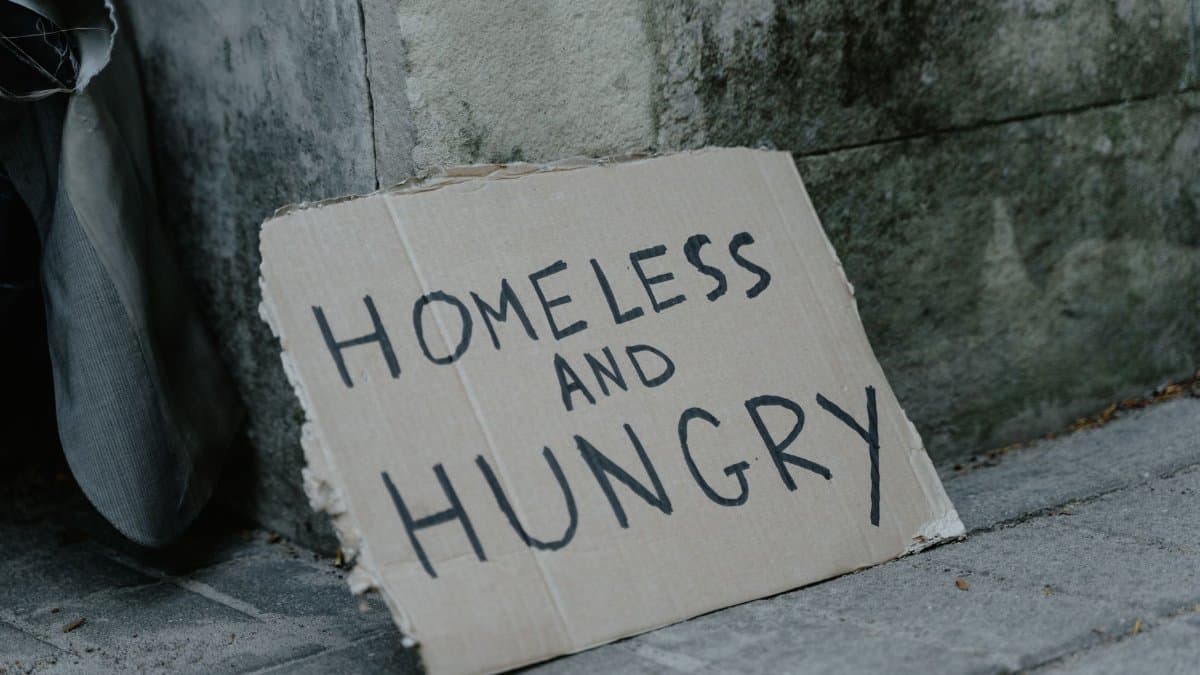
Shelters already operating near capacity absorbed extra demand without additional funding or staff. Volunteers described turning away individuals once cots filled, directing them instead to distant public libraries that also closed at set times. The added pressure reduced the ability of these organizations to offer other essential services such as meals and medical checkups. Several providers noted that the recent heat wave exposed long standing shortfalls in coordinated citywide planning.
City Budget Decisions and Resource Allocation

Officials have pointed to existing budgets as sufficient, yet spending records show cooling efforts receive a fraction of what goes toward winter weather preparations. Requests for expanded hours or new sites have met repeated delays tied to procurement rules and staffing shortages. Community groups argue that reallocating even modest sums from other departments could open additional libraries and recreation centers during alerts. Without clearer priorities, the imbalance between seasonal needs continues.
Lessons From Other Major Cities
Places such as New York and Los Angeles have introduced extended hours and mobile cooling units that reach high risk blocks. Those programs include partnerships with private buildings willing to open lobbies during emergencies. Chicago officials have studied these models yet cite local density patterns and union rules as barriers to quick adoption. Pilot projects launched in two South Side wards showed strong usage rates, suggesting the approach could scale with proper support.
Public Health Data on Heat Related Illness

Hospital emergency rooms recorded a measurable uptick in visits for heat exhaustion and related complications during the latest stretch of high temperatures. Public health researchers linked many cases to residents who had no access to cooled spaces for more than a few hours each day. Tracking systems now flag neighborhoods with the fewest centers per capita as priority zones for future expansion. These patterns reinforce the need for a more evenly distributed network.
Advocacy Efforts and Community Pressure

Local organizations have organized public meetings and delivered petitions calling for immediate changes before the next heat season. Residents shared personal accounts of searching block after block without success, adding urgency to the discussion. Elected representatives have begun scheduling hearings to review cooling center performance, though timelines for concrete action remain unclear. Sustained attention from these groups appears essential to moving proposals forward.
Possible Steps Toward a Stronger Network

Expanding the list of participating sites to include more schools and places of worship could increase capacity without major new construction. Installing backup generators would keep centers functional during power outages that often accompany severe weather. Training additional staff and volunteers in advance would reduce wait times and improve the experience for those seeking relief. Coordinated alerts sent through multiple channels could also guide people to the nearest open location more effectively.