
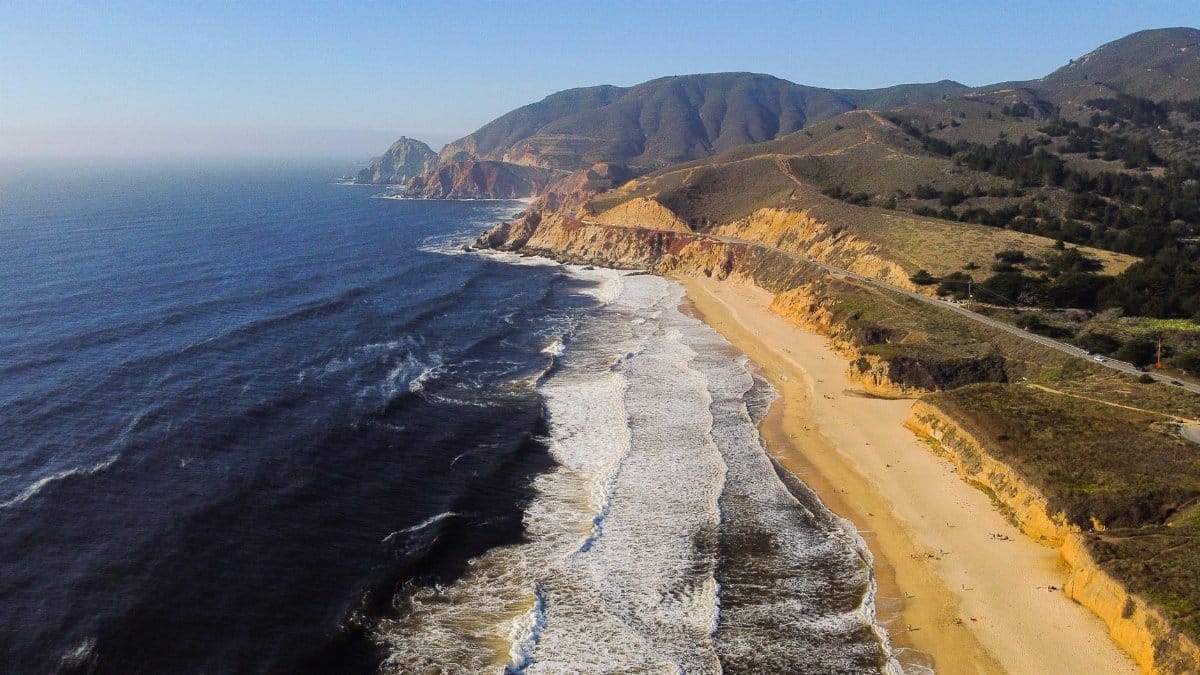
Along the rugged shoreline north of Santa Barbara waves crash against sandstone cliffs that have served as gathering places for generations of native people. The area offers sweeping views of the Pacific and holds ancient village sites burial grounds and ceremonial locations passed down through oral traditions. In recent months state leaders completed a transfer that advances California Indigenous Land Return marking one of the larger coastal handovers in the western United States.
Roots of Dispossession in Early Statehood
During the mid nineteenth century federal policies and state actions stripped native groups of nearly all their original territory in California. Treaties signed but never ratified by the United States Senate left tribes without legal title to millions of acres. Successive waves of settlement mining and railroad expansion further fragmented remaining holdings. Historians note that these losses severed access to coastal resources that had sustained communities for thousands of years.
Cultural Meaning Embedded in the Returned Acreage
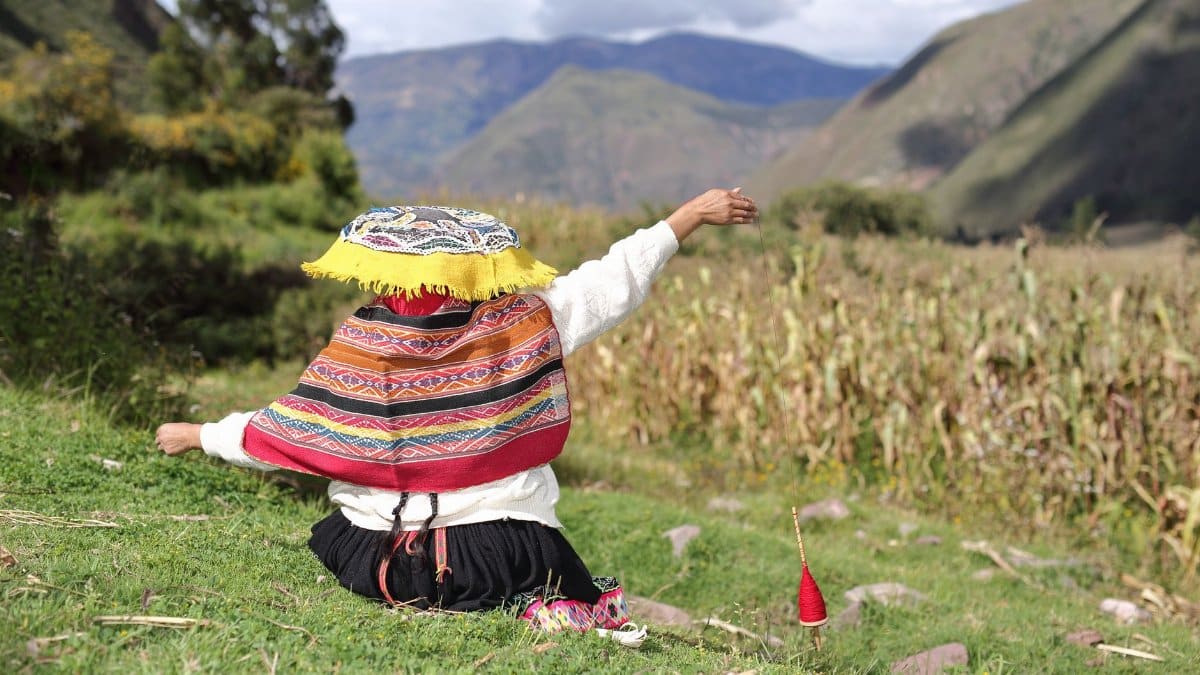
Tribal elders describe the transferred coastline as a living classroom where language songs and gathering practices continue. Shell middens and rock art still visible on the bluffs connect present day residents to ancestors who fished these waters. Restoring ownership allows renewed stewardship over plants used in traditional medicine and foods central to seasonal ceremonies.
Mechanics of the Recent Transfer Agreement

Negotiations involved the California Natural Resources Agency several native nations and nonprofit land trusts. The final deed places roughly 580 acres into tribal ownership while creating conservation easements that limit future development. Title clearance required review of historic land patents and resolution of overlapping claims from the railroad era.
Ecological Benefits Anticipated from Tribal Management
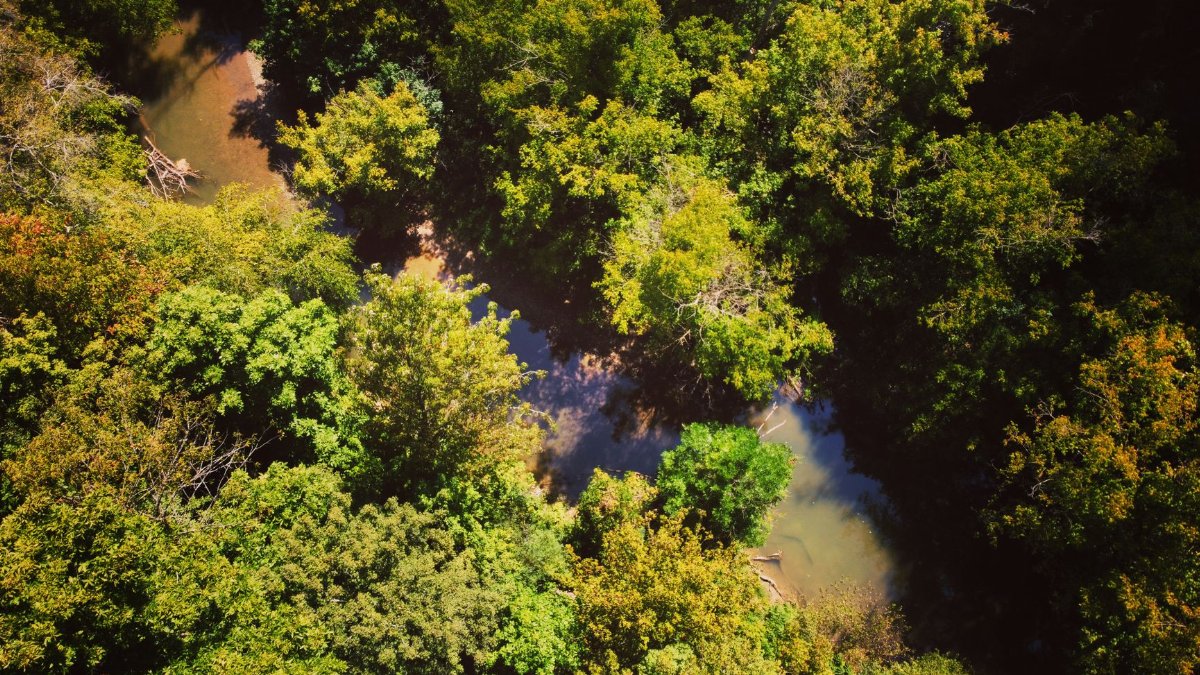
Biologists expect improved protection for tide pools and coastal sage habitat once oversight shifts to groups with longstanding local knowledge. Tribal rangers have already begun removing invasive ice plant that crowds out native species. Monitoring programs will track steelhead trout runs and seabird colonies that depend on undisturbed shoreline.
Reactions from Neighboring Property Owners

Some residents expressed concern about changes in public access while others welcomed clearer signage and guided tours led by tribal docents. County supervisors held listening sessions to address questions about parking and trail maintenance. Early reports indicate visitor numbers have remained steady since the handover.
Legal Precedents Shaping Future Returns

Similar transfers in the Pacific Northwest and the Southwest provided templates for co management clauses and revenue sharing from tourism. California courts have upheld the validity of such conveyances when they meet state environmental standards. Advocates point to these cases as models for expanding the practice to additional coastal parcels.
Challenges in Long Term Stewardship Funding

Tribal governments must now secure grants for trail upkeep and archaeological surveys. State lawmakers have proposed dedicated funding streams drawn from offshore wind energy leases. Without stable support some portions of the land risk deferred maintenance that could undermine conservation goals.
Broader National Conversation on Land Rematriation
The California example joins a growing list of municipal and state actions aimed at correcting historic dispossession. Universities and churches have also begun returning parcels to original inhabitants. Observers suggest these steps may influence federal policy on public lands in the coming decade.