
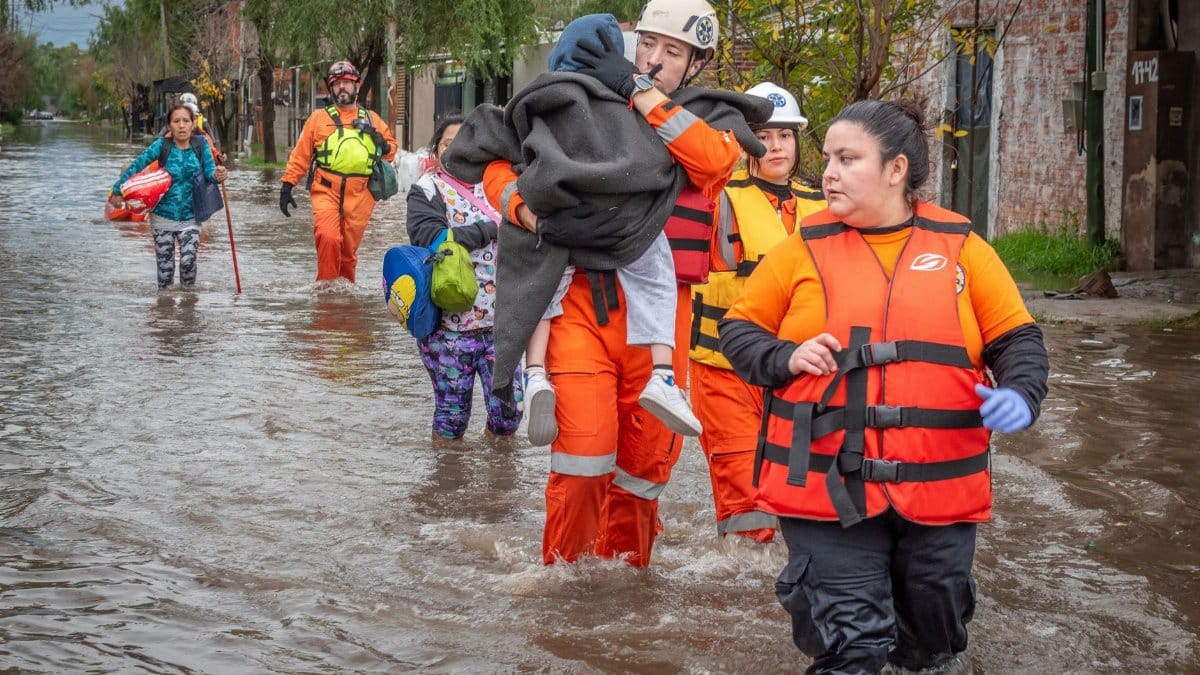
When the ground began to shake in Venezuela many residents faced sudden loss and uncertainty. A woman from Miami with family roots in the area chose to respond without delay. She mobilized resources and people to reach those cut off from help. Her work illustrates Venezuela Earthquakes Miami Aid in action as support crossed borders despite many obstacles. The effort brought both immediate relief and longer term connections between distant communities.
Early Signals of Trouble in Venezuela
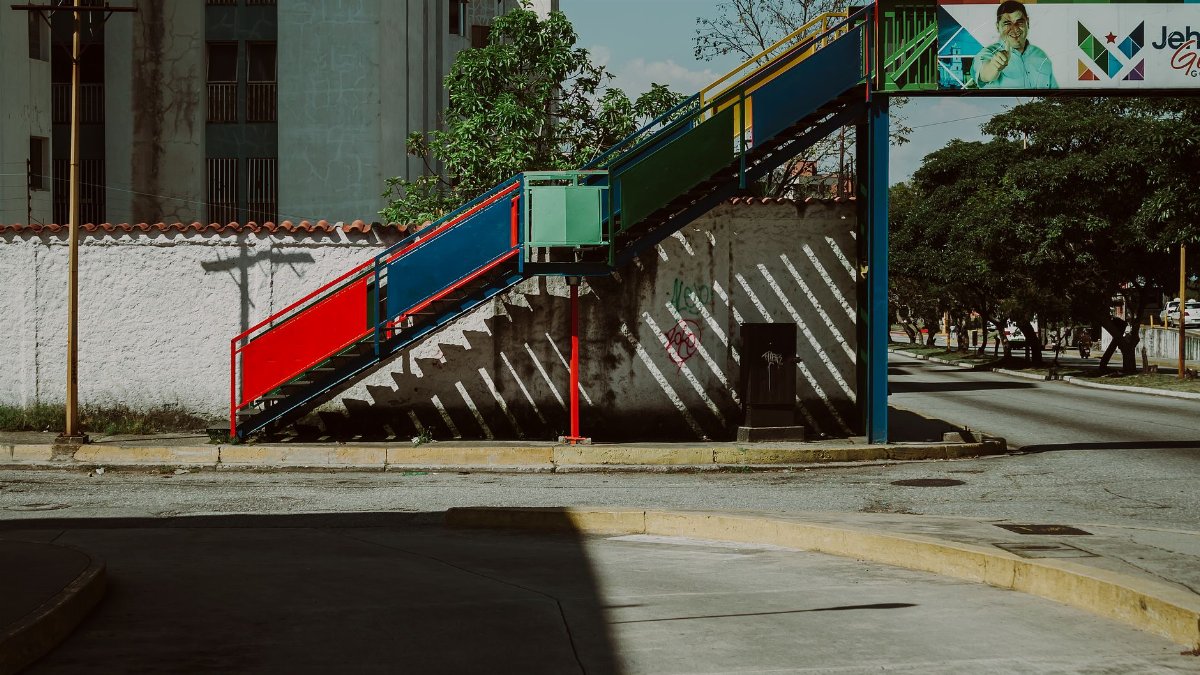
Reports arrived quickly about collapsed structures and blocked roads. Observers noted that remote villages suffered the most from limited access to outside support. Local officials struggled to coordinate while basic services failed in several zones.
The Miami Woman Steps Into Action
She contacted friends and aid networks across Florida to collect food and medical items. Within days trucks carried supplies southward. Her direct involvement set the tone for volunteers who followed her example in the field.
Building Teams on Short Notice
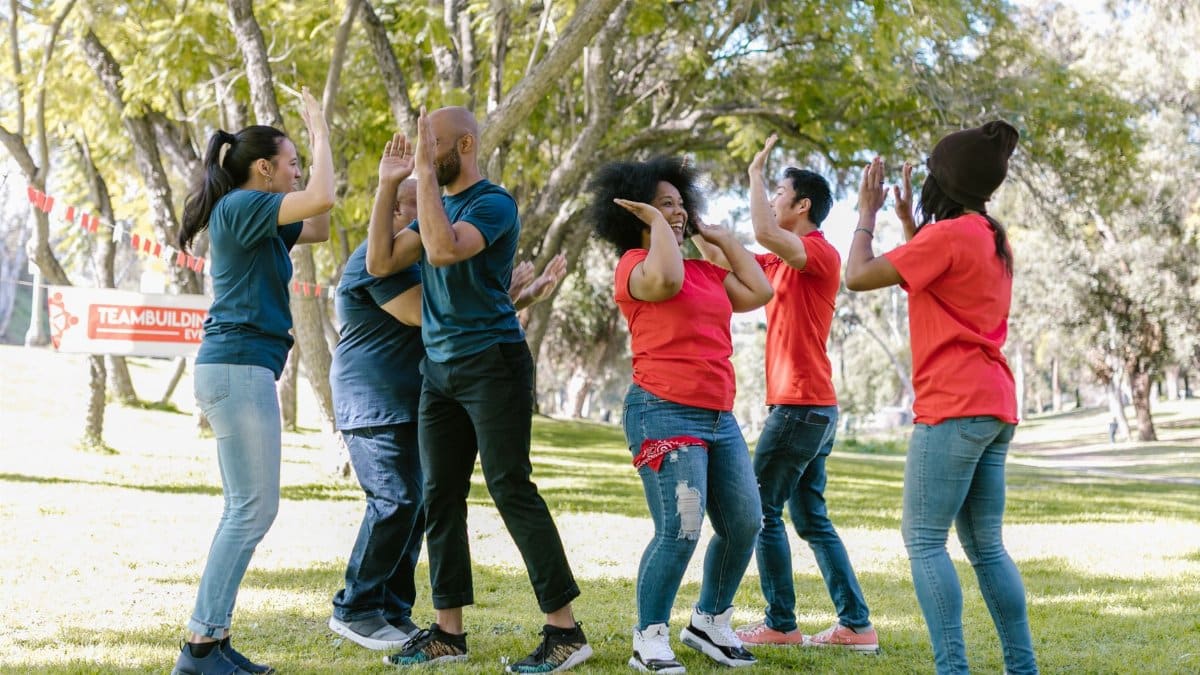
Calls went out to doctors and engineers willing to travel. Groups formed around shared goals rather than formal structures. This flexible approach allowed quick movement when official channels moved slowly.
Challenges of Reaching Affected Zones
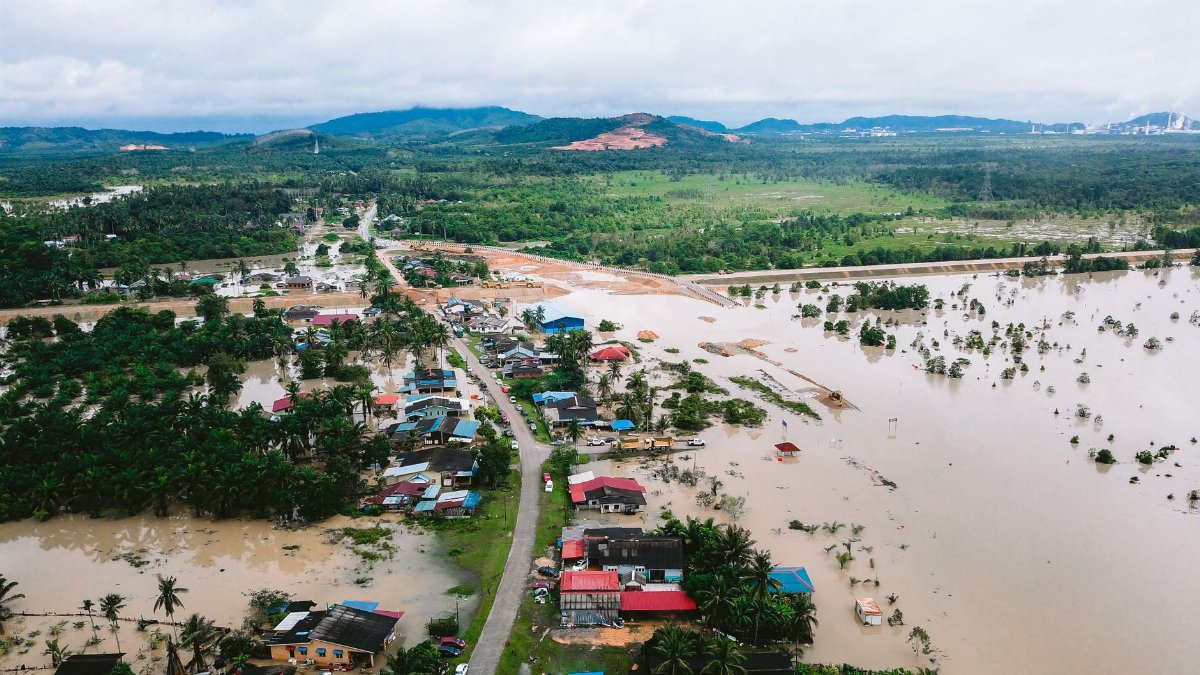
Travel routes proved unreliable after repeated tremors. Fuel shortages added pressure on every journey. Teams adapted by using smaller vehicles and local guides who knew safer paths through damaged terrain.
Stories From Hands On Rescue Work
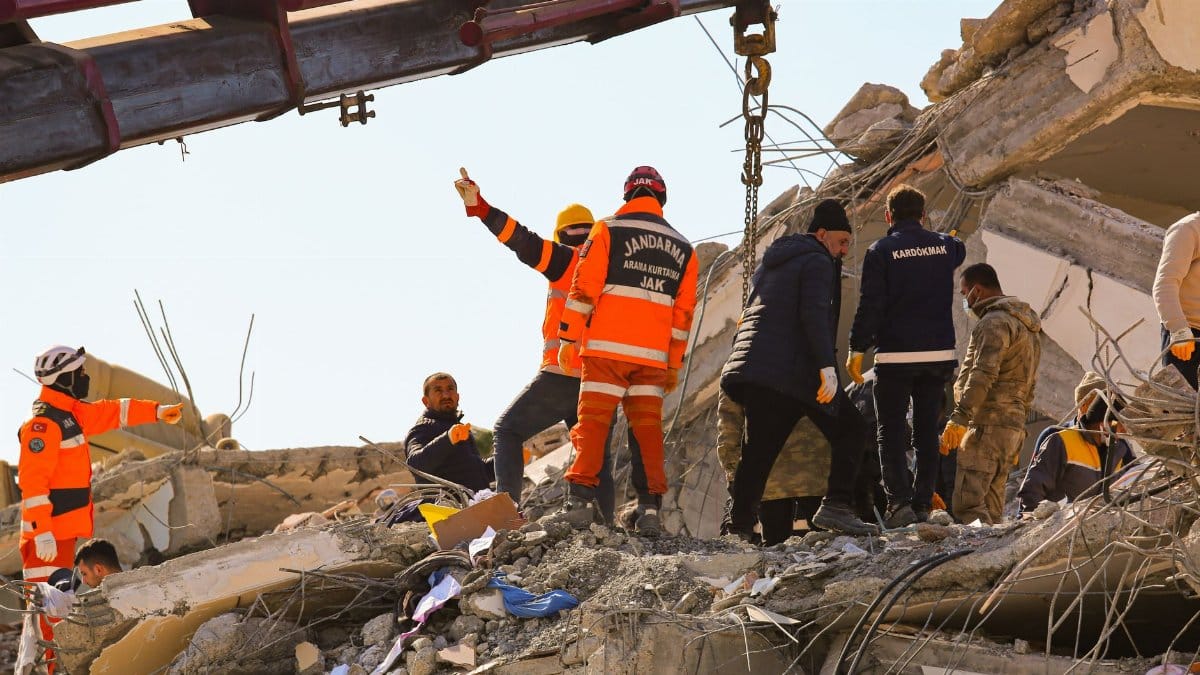
One site involved pulling survivors from rubble using simple tools and determination. The Miami woman described moments when quick thinking prevented further harm. Such accounts spread through media outlets and drew more donations from distant supporters.
How Venezuela Earthquakes Miami Aid Gained Momentum
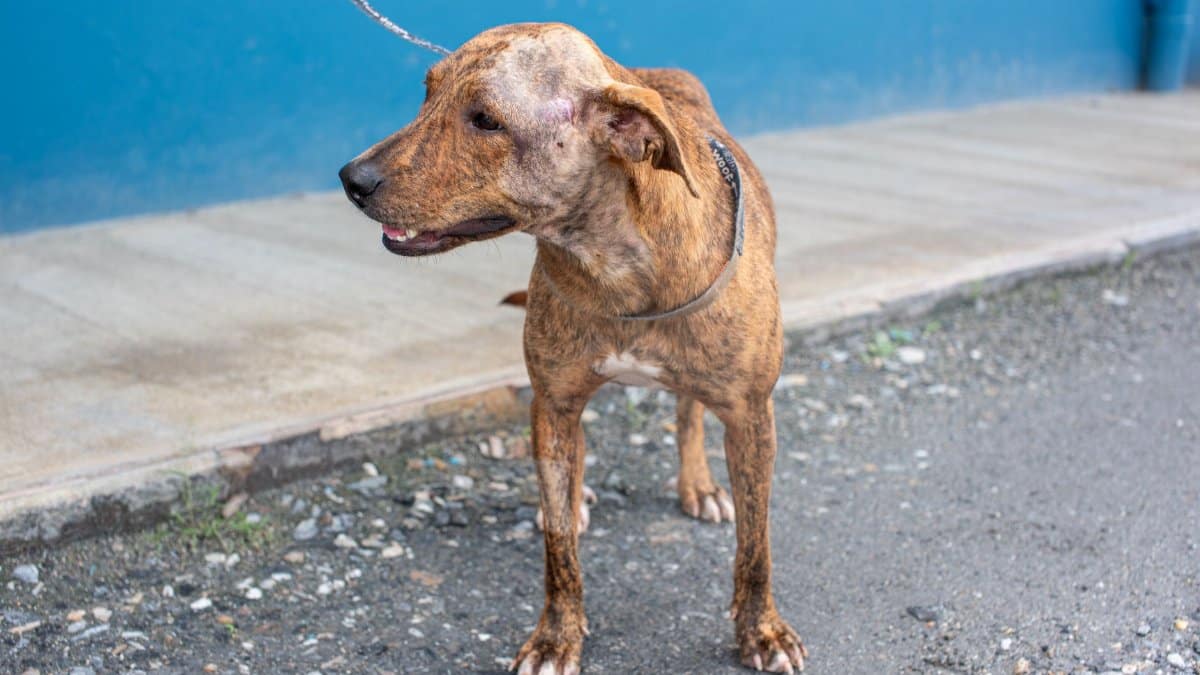
News coverage in Florida highlighted the personal connections driving the project. Donations increased as readers learned about specific needs in Venezuelan towns. The effort grew from a small initiative into a sustained channel for resources.
Coordination With Local Partners
Relationships with Venezuelan community leaders proved essential for distribution. These ties ensured items reached the right places without waste. Trust built over time helped overcome initial suspicions from authorities.
Medical Support Delivered Under Pressure
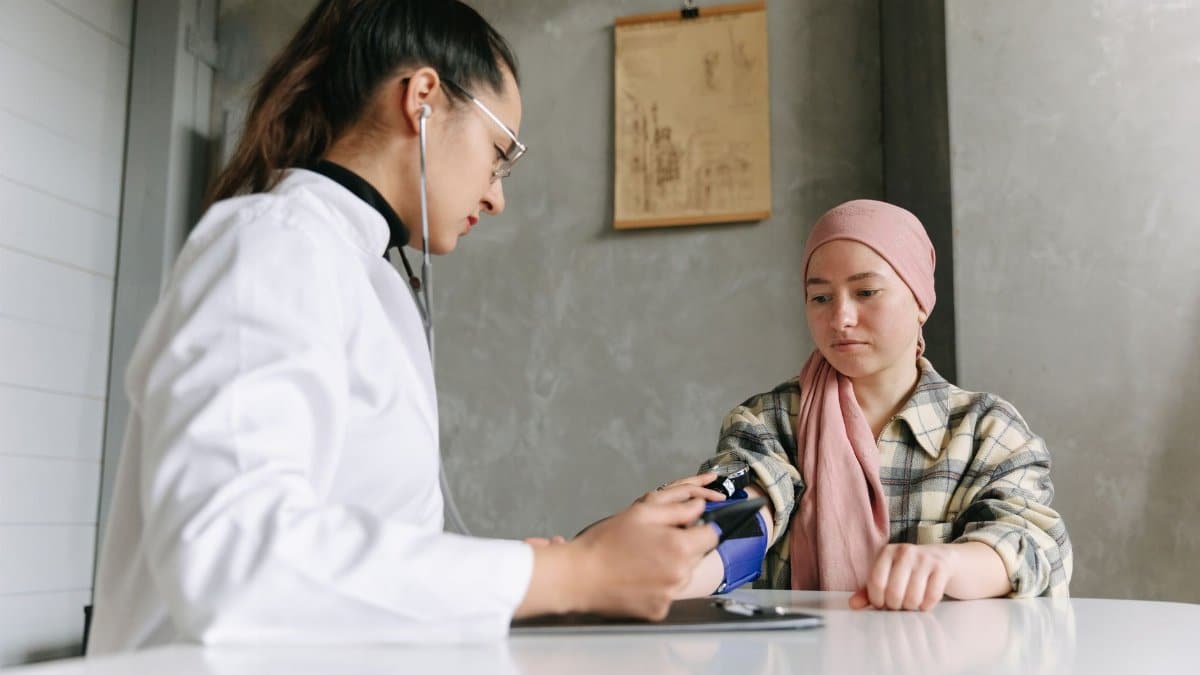
Basic health supplies addressed injuries and ongoing illnesses in crowded shelters. Volunteers trained in first response worked alongside local nurses. The combination reduced complications in areas where hospitals had closed.
Longer Term Recovery Questions
Attention now turns to rebuilding homes and restoring services. Questions remain about sustained funding and political stability. Participants in Venezuela Earthquakes Miami Aid stress that early help must connect to lasting solutions.
Lessons for Future Cross Border Efforts
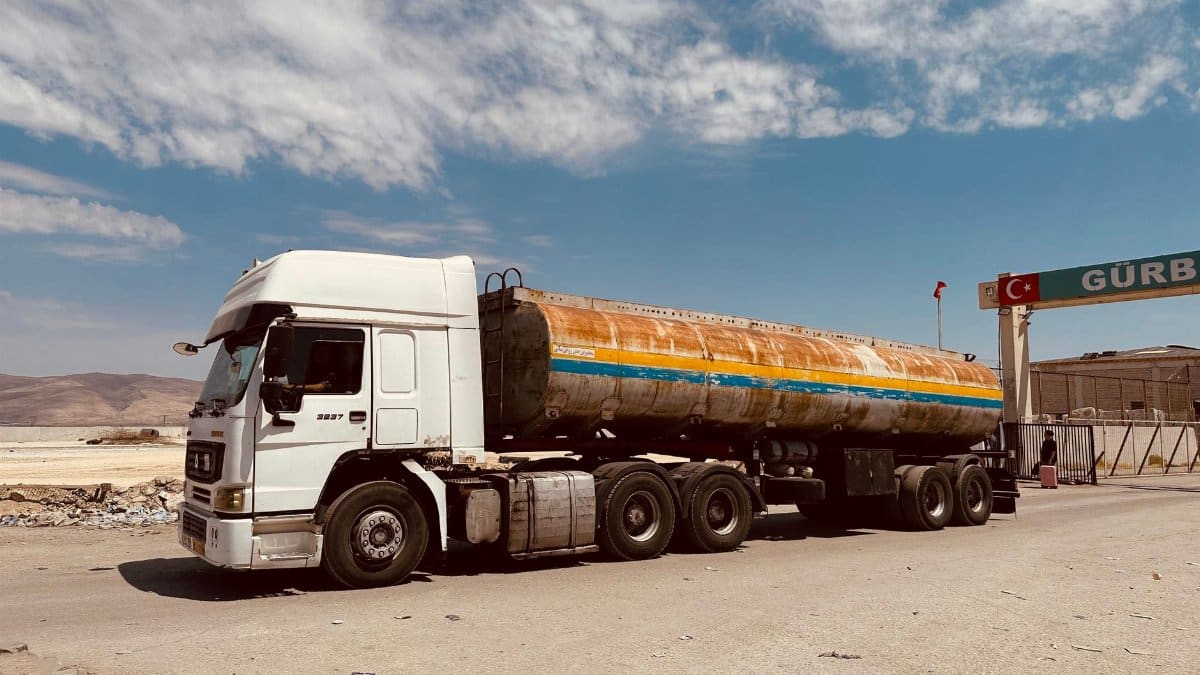
Observers note the value of personal networks when governments face limits. The Miami woman plans to document her methods for others facing similar events. Clear communication and flexible roles emerged as key factors in success.
Public Response in South Florida
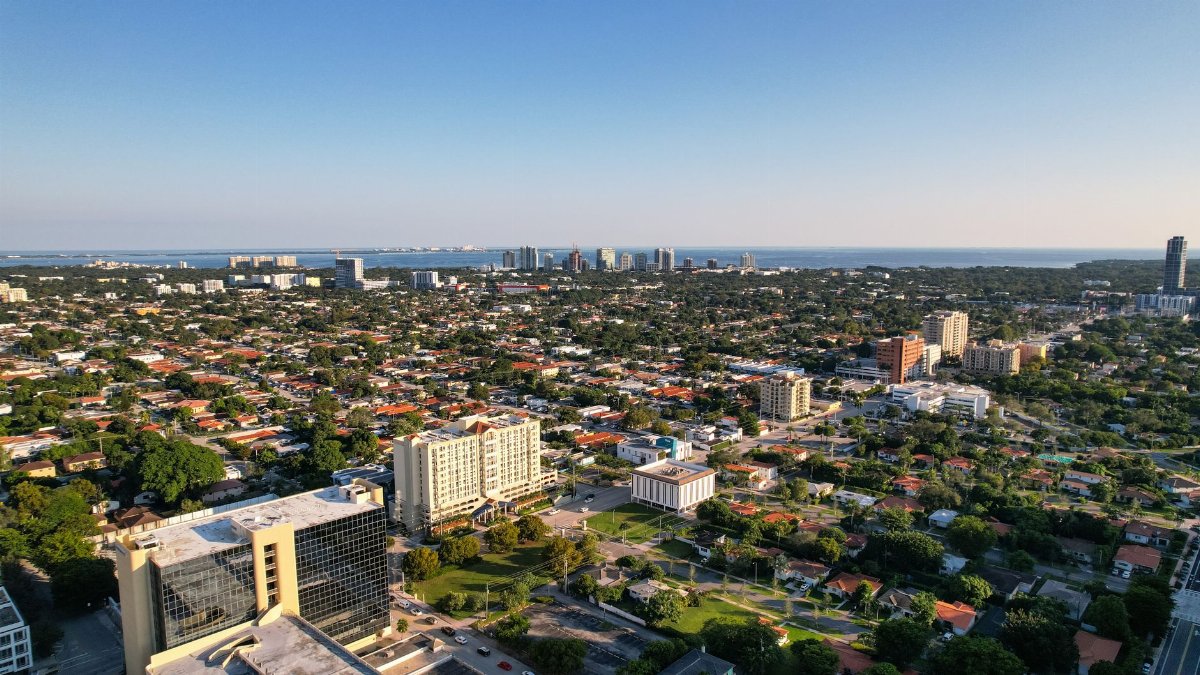
Events in Miami raised awareness and funds through churches and civic groups. Residents shared stories of their own ties to Venezuela. This local involvement kept momentum alive even as global headlines shifted elsewhere.
Looking Ahead After the Crisis
Many families continue to seek stability months later. Venezuela Earthquakes Miami Aid remains active through smaller projects focused on education and health. The original leader reflects that true recovery unfolds over years rather than weeks.