
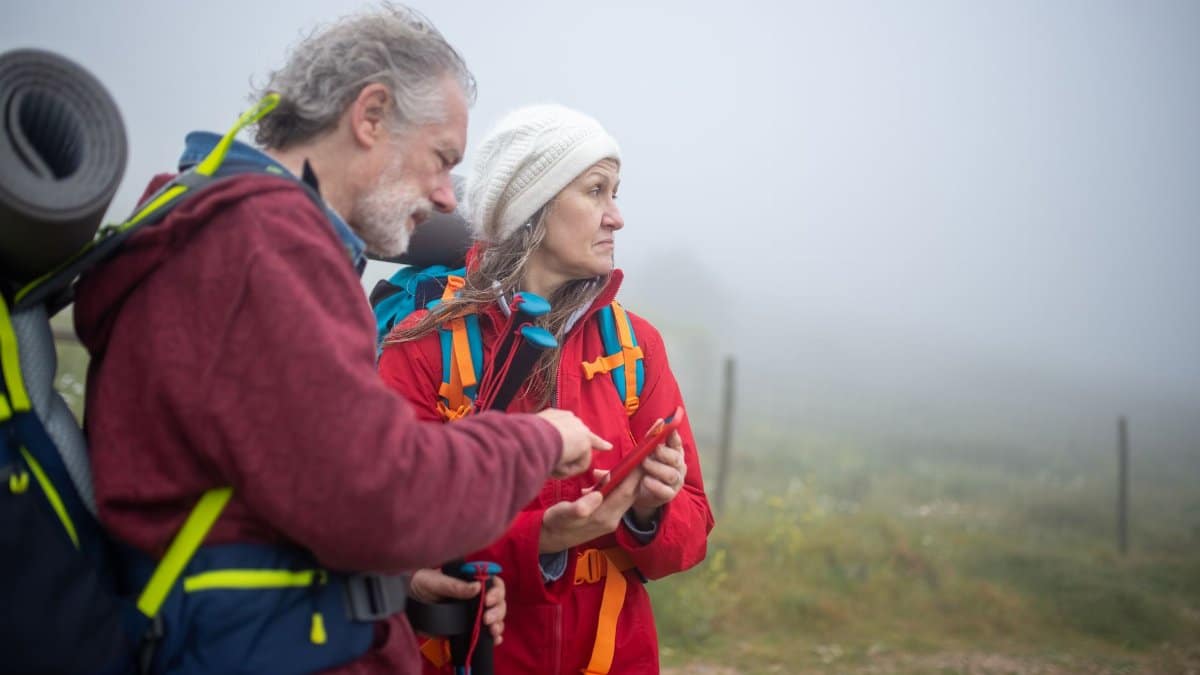
As the first light touches the peaks of the Rocky Mountains many residents and visitors step onto winding paths ready to discover what lies ahead. Smartphones now serve as reliable companions that reveal hidden details about the landscape. The concept of Colorado Summer Apps Nature Trails 2026, Outdoor Tech shows how these devices blend with the natural setting to enrich every outing without overwhelming the senses.
Discovering Local Bird Species Through Simple Interfaces

Applications focused on birds allow users to record songs and match them against extensive libraries. In Colorado meadows and forests this process turns a quiet walk into an educational session. Observers note the exact time and place of each sighting which helps build personal records over repeated visits. Such tools encourage patience and attention to subtle sounds that might otherwise pass unnoticed during a busy day outside.
Recognizing Plants Along Popular Routes
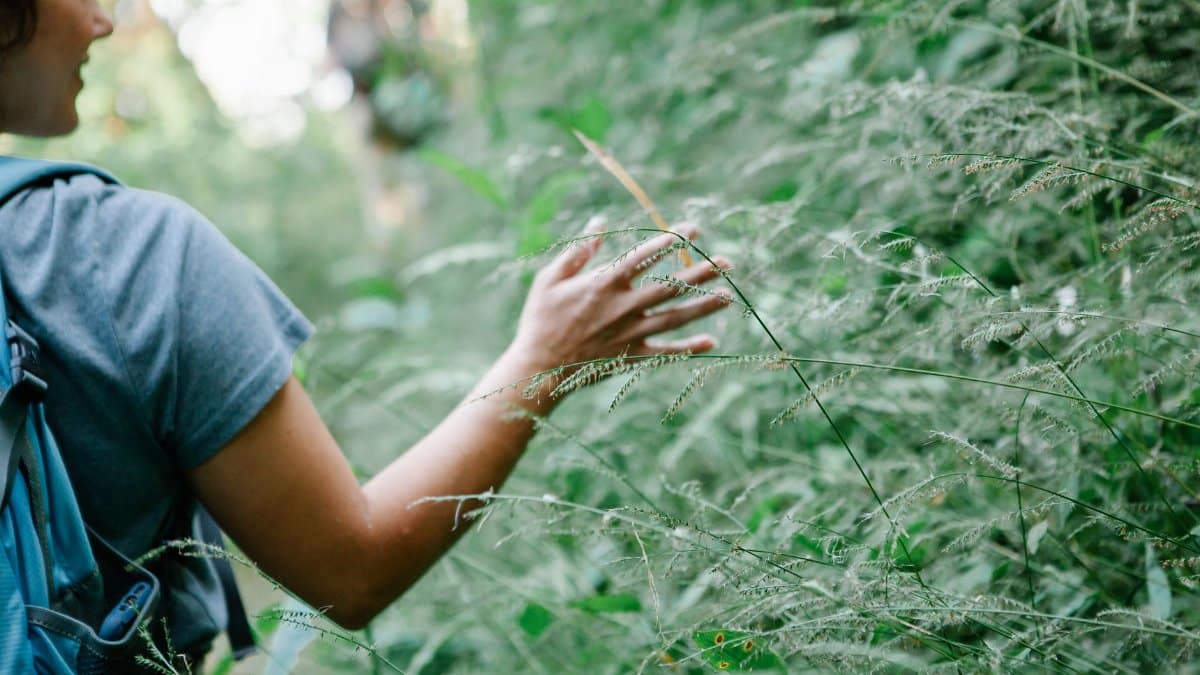
Many programs offer visual scanning that identifies leaves flowers and bark with quick photo uploads. Hikers along established nature trails gain immediate feedback about edible species or those to avoid. This knowledge supports safer choices when gathering information for meals or remedies. Repeated use builds familiarity with regional flora that changes with elevation and season.
Mapping Trails With Updated Digital Guides
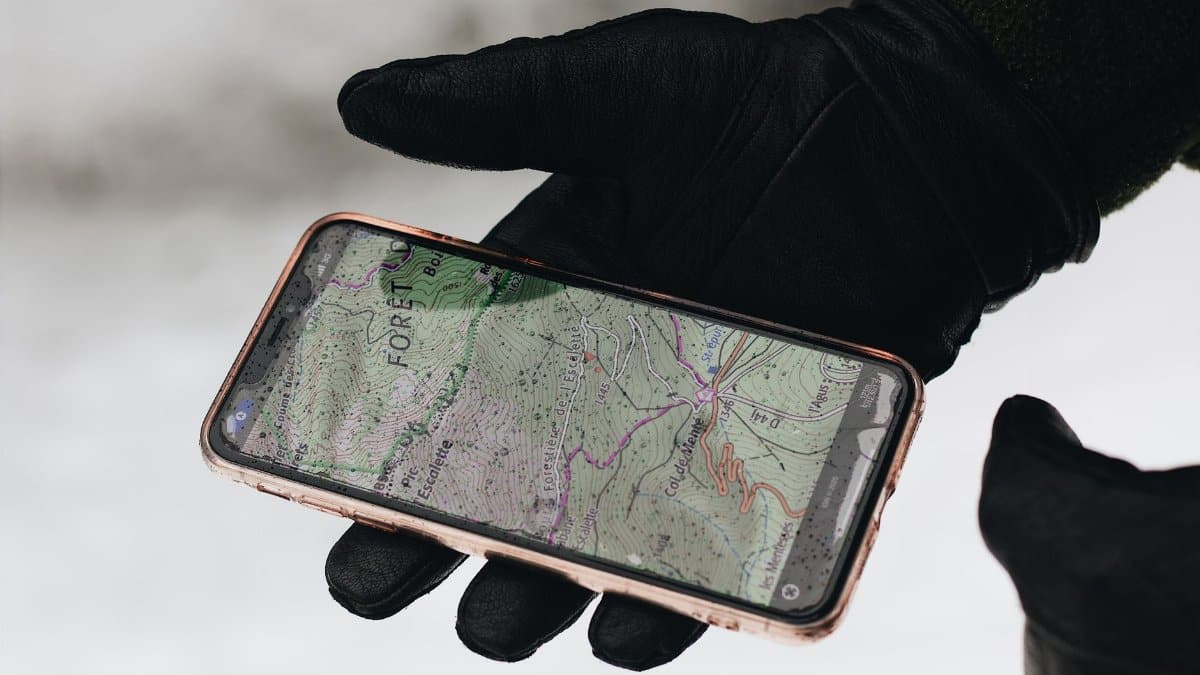
Navigation features provide offline maps that function even when cellular signals fade in remote areas. Users mark starting points and receive gentle alerts about upcoming turns or elevation shifts. These systems reduce the chance of straying from marked paths while preserving the sense of exploration that draws people to the outdoors each summer.
Observing Night Skies With Astronomy Aids

After sunset certain applications highlight constellations and planets visible from high altitude locations across the state. They adjust for current time and position to show what appears overhead without requiring prior expertise. Groups gather in open fields to compare notes and learn together under clear conditions that often prevail during warmer months.
Balancing Device Use With Direct Experience

Thoughtful settings let people limit screen time so the focus remains on the surroundings rather than constant checks. Alerts can be scheduled for key moments such as reaching a viewpoint or spotting a rare plant. This measured approach keeps technology in the background where it supports rather than replaces direct contact with the environment.
Sharing Observations Within Local Communities

Users contribute sightings to collective databases that track migration patterns or plant health over multiple seasons. These contributions help scientists monitor changes in Colorado ecosystems. Participants receive summaries that show how their individual efforts add to larger understandings of regional conditions.
Preparing for Varied Weather Through Forecasts

Integrated weather details offer hour by hour predictions tailored to specific trail segments. Alerts about sudden temperature drops or approaching storms allow adjustments to plans before conditions shift. Such preparation supports longer comfortable stays outside even when forecasts indicate mixed possibilities.
Reviewing Past Journeys to Plan New Ones

Stored logs of completed routes display distance time and notable finds from earlier trips. Review of these records helps select new destinations that match current fitness levels or interests. Patterns emerge that guide future choices toward less crowded segments of nature trails during peak summer periods.
Considering Privacy When Using Location Services
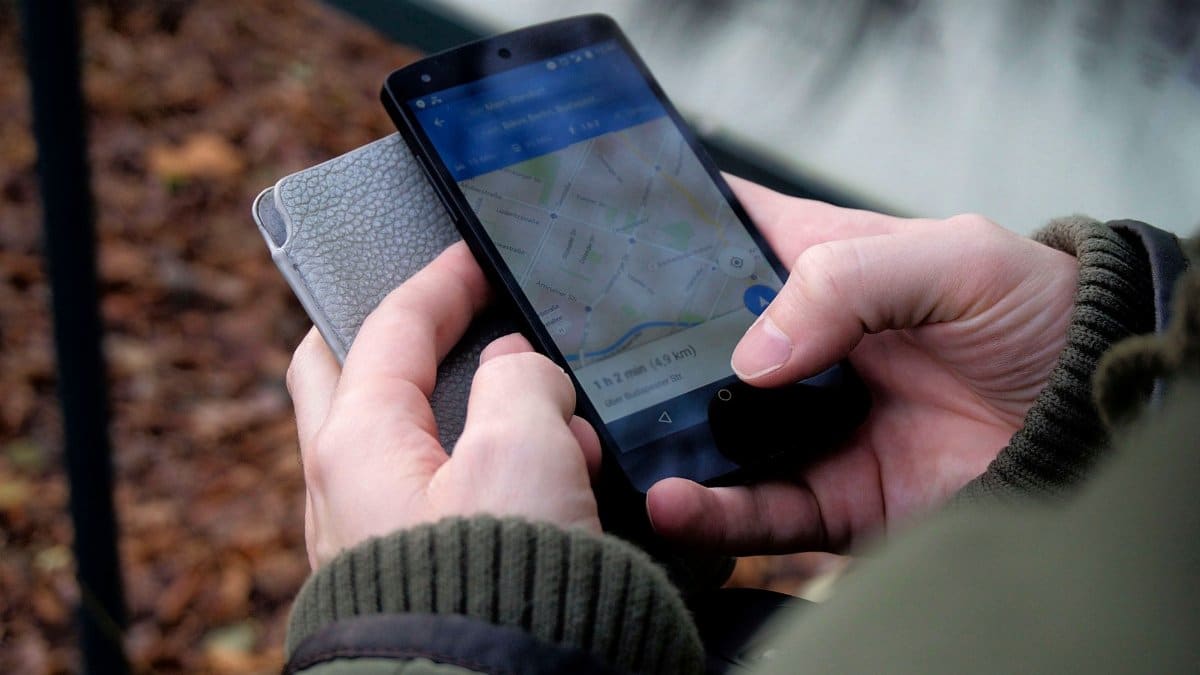
Settings control how much data leaves the device during each session. Many prefer to keep precise coordinates private while still benefiting from general guidance features. Clear options in the applications make these decisions straightforward and reversible at any moment.