
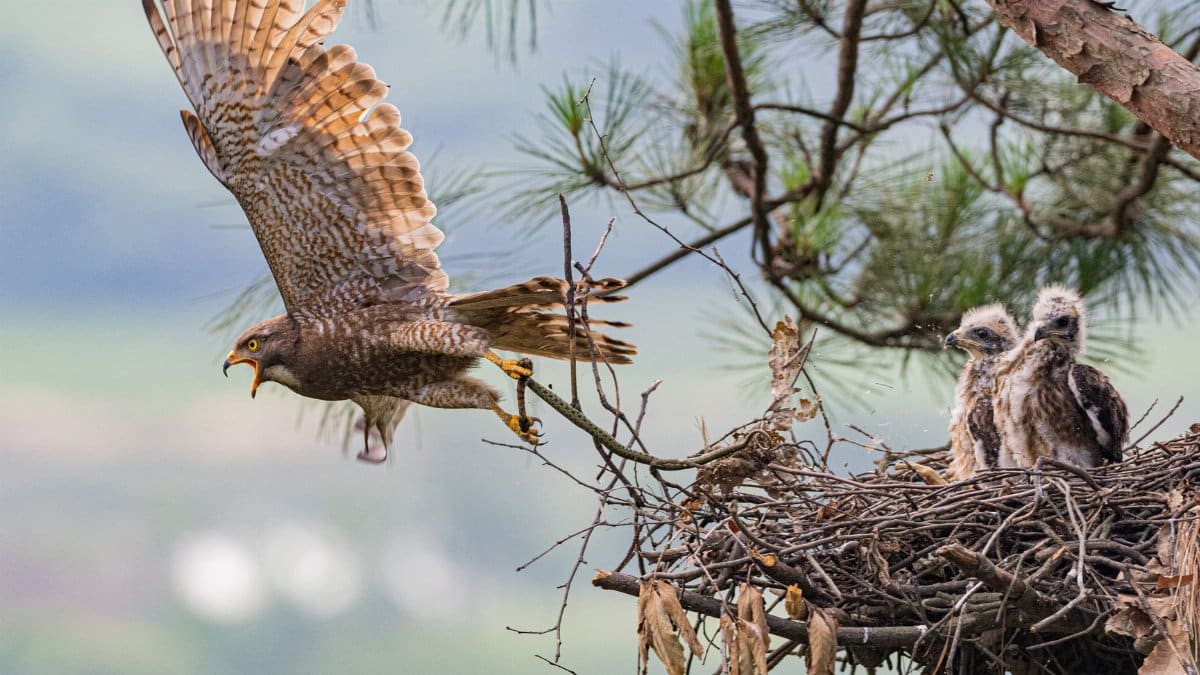
In the serene mountains surrounding Big Bear Lake wildlife observers have been captivated by the daily activities of a well known bald eagle family. The recent development with Big Bear Eaglet Sandy First Flight has drawn widespread attention as the young bird ventured out in an unexpected manner. This occurrence highlights the unpredictable aspects of nature and the journey of young eagles as they gain independence from the nest where they were raised under constant observation.
Origins of the Famous Big Bear Eagle Pair
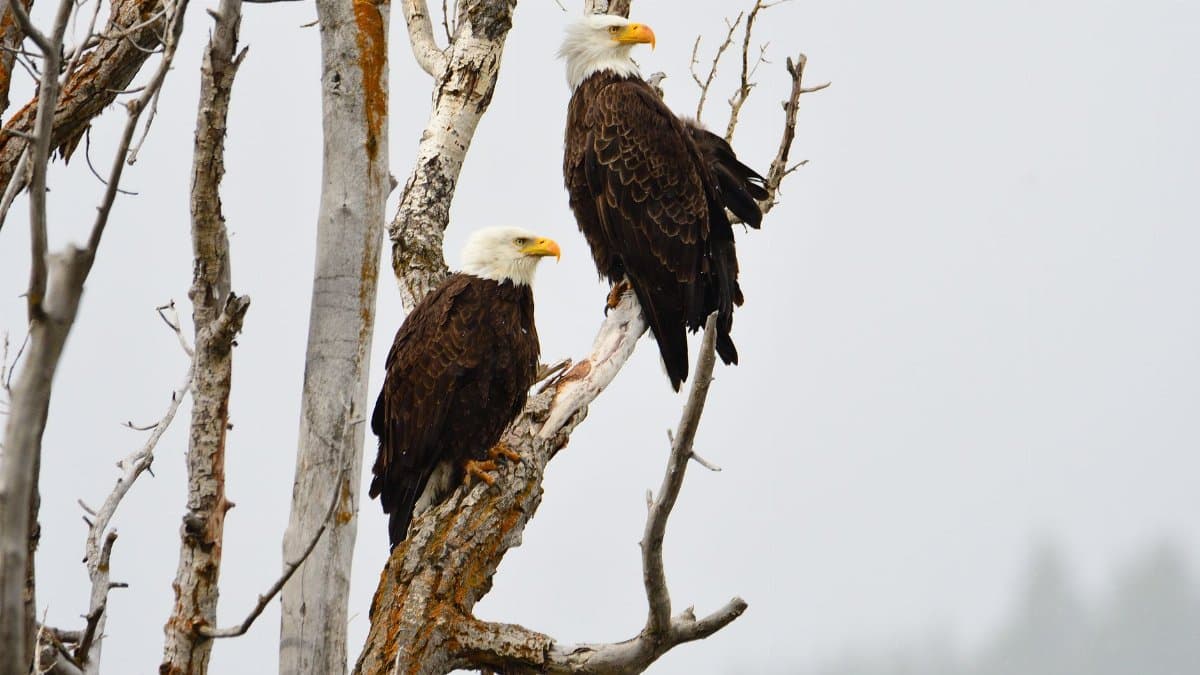
The bald eagles that nest near Big Bear Lake have become symbols of resilience in a region where urban growth meets protected wilderness. Their story began years ago when the pair established a home in a tall pine that overlooks the water. Local groups such as Friends of Big Bear Valley installed cameras to share the scene with a global audience. Viewers tune in daily to watch feeding sessions and the growth of new chicks. These streams create a sense of connection that goes beyond simple entertainment and fosters greater awareness about habitat needs.
How the Eaglet Named Sandy Entered the Story
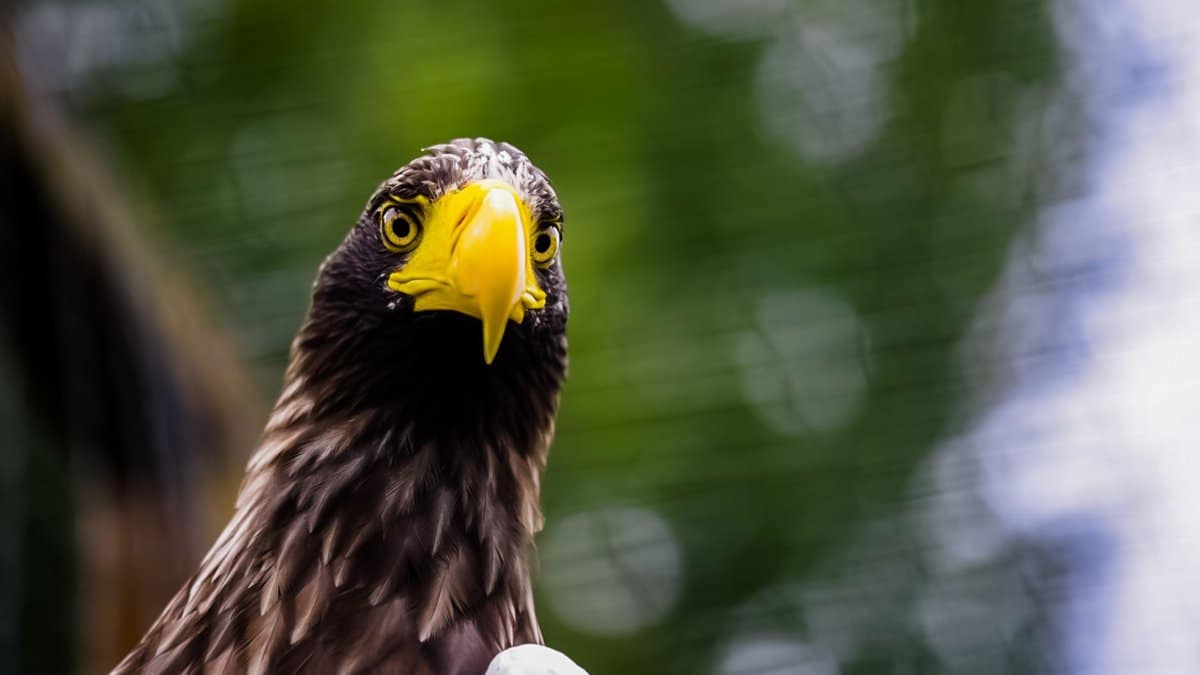
Sandy arrived as one of two chicks in the latest season. From the start the bird showed a curious personality often peering over the edge of the nest while siblings remained tucked away. Parents delivered fish and other prey at regular intervals allowing the young ones to build strength. Over weeks the feathers developed fully setting the stage for future movement beyond the immediate surroundings. Observers noted distinctive markings that helped identify Sandy among the group.
The Unexpected Fludge That Changed Everything

What began as ordinary wing practice turned into something more dramatic when Sandy lost balance during a strong gust. The motion resembled a mix of flapping and sliding which some described as a fludge. Instead of a controlled launch the eaglet dropped and then caught air for the first time. Cameras captured the entire sequence providing clear evidence of this accidental milestone. Such events occur in the wild yet few are documented with such detail.
Immediate Reactions from the Live Camera Community

Online forums filled with comments as soon as the footage spread. Many expressed concern for the young bird while others celebrated the natural step toward adulthood. Experts from local wildlife organizations offered reassurance that brief absences are common once flight begins. The community continues to monitor the stream hoping for updates on where Sandy might land or rest. This shared vigilance turns casual viewers into active participants in conservation efforts.
Why Sandy Has Not Returned to the Nest
After the initial flight Sandy remained away from the original site. This pattern aligns with typical eagle behavior where fledglings explore nearby trees before settling into a routine. Parents may still provide food in the area but the young bird must practice hunting skills independently. The absence does not indicate trouble but rather the beginning of a wider territory search that could last several weeks.
Role of Citizen Science in Tracking These Events

Live cams like the one at Big Bear allow researchers to gather data without disturbing the animals. Volunteers log observations that contribute to studies on eagle development and survival rates. Such information proves valuable when planning protections for nesting sites across California. The public gains insight into real wildlife challenges including weather impacts and food availability.
Broader Implications for Bald Eagle Conservation
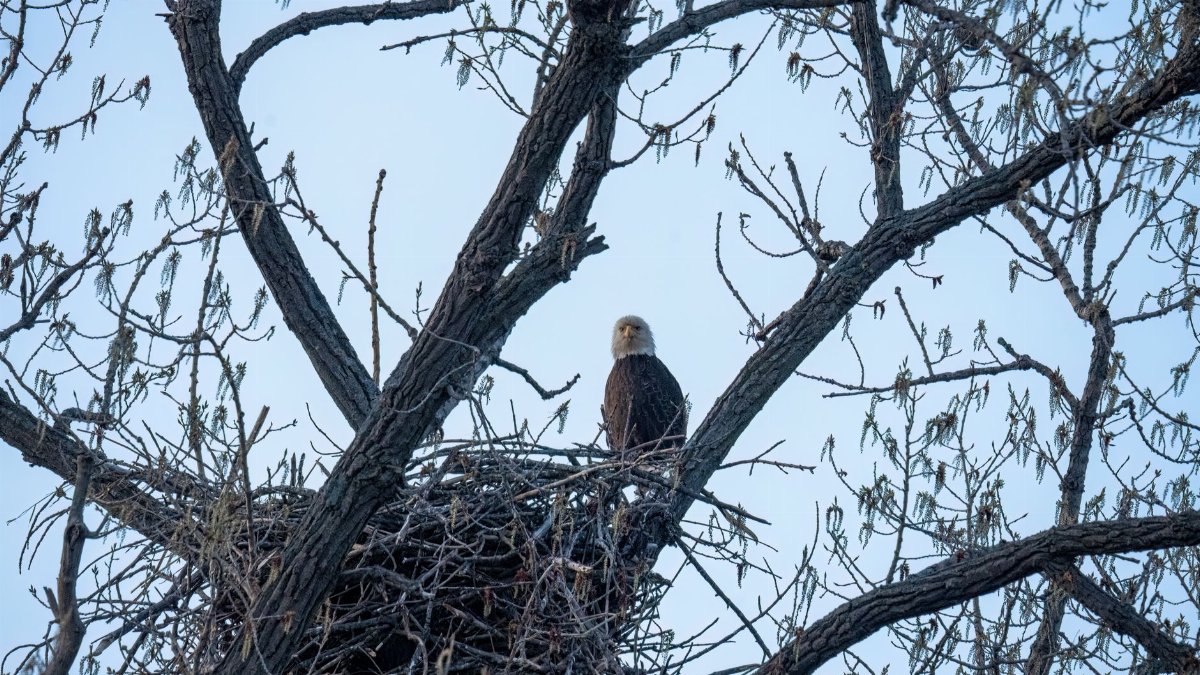
The success of pairs near Big Bear reflects decades of recovery efforts after the species faced near extinction. Continued monitoring helps identify threats from pollution or loss of mature trees. Stories like that of Big Bear Eaglet Sandy First Flight remind audiences that protection measures yield visible results over time. Support for groups involved in habitat restoration remains essential to sustain these gains.
Future Expectations for the Young Eagle
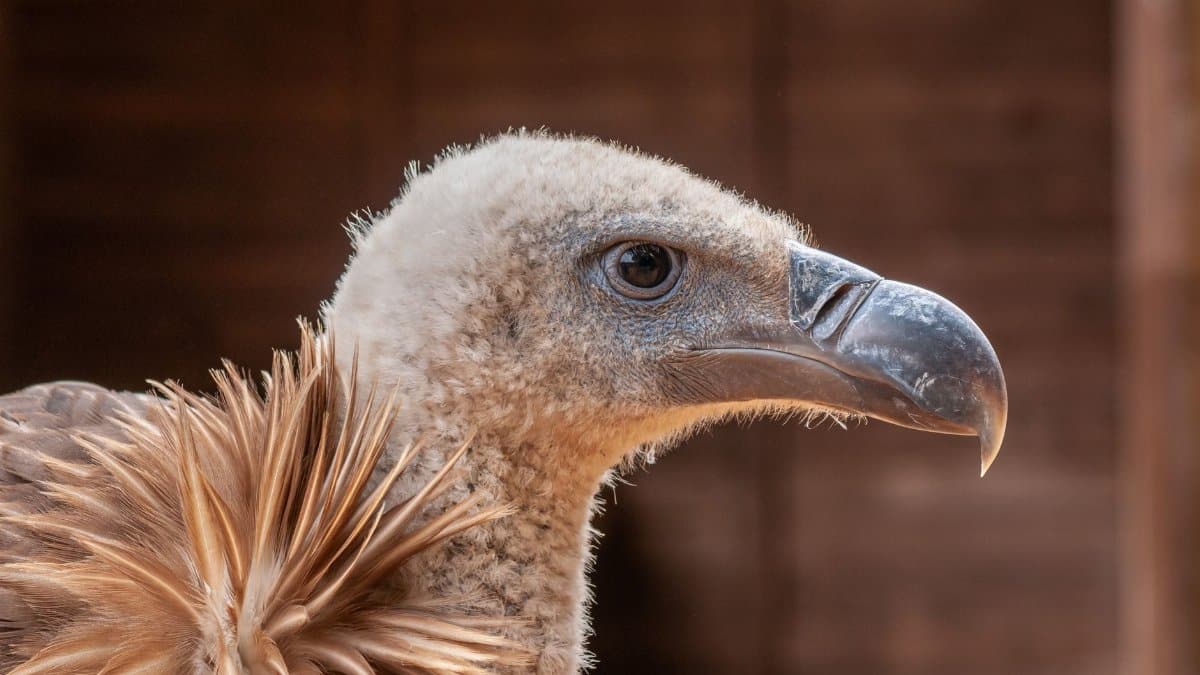
As weeks pass Sandy will likely refine flight techniques and establish a personal range. Return visits to the natal area might happen during certain seasons yet full independence is the goal. The entire episode serves as a reminder of how individual moments in nature connect to larger ecological patterns. Ongoing camera coverage will keep the public informed about further developments.