
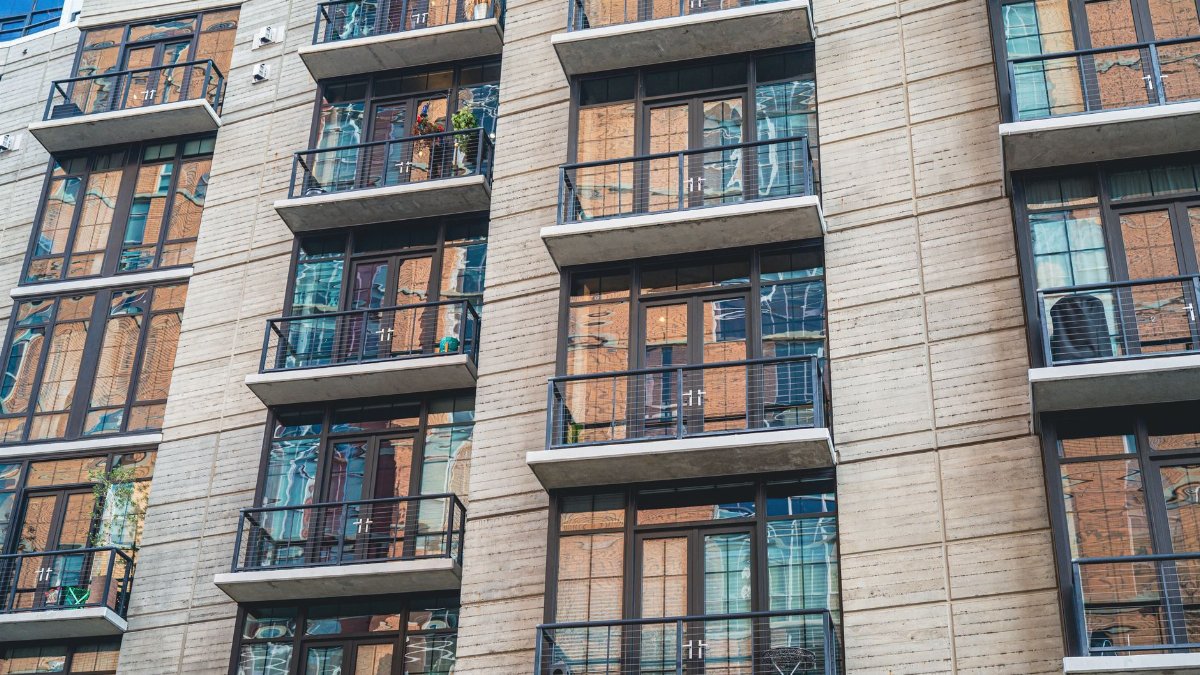
The notice on the glass looked ordinary, the kind of paper that usually means a boiler repair or a change in laundry hours. Residents in a midrise near a frequent bus line stopped anyway, because housing news in this city rarely stays small. Officials and the public developer voters created are moving toward a second apartment purchase, and Seattle social housing is no longer only a campaign line. It is becoming a closing checklist, a rent formula, and a test of whether a public landlord can do what the private market has not.
A ballot idea meets a real lobby

In February 2023, Seattle voters approved a measure to stand up a social housing developer, a public development authority meant to acquire and build homes and to keep them outside the usual speculative cycle. The Ballotpedia record of Initiative 135 describes a developer charged with mixed income housing, with rents tied to what households earn rather than to whatever the market will bear that month. A later account in the Seattle Times treats the next purchase as the moment when that charter has to survive contact with lenders, tenants, and a building that already has a history.
That shift matters. Campaigns live in slogans. Buildings live in boilers, leases, insurance, and the quiet fear that a new owner will raise the rent or clear the roll. A second acquisition is more revealing than a first, because the novelty excuse is gone. Staff have to show they can repeat a closing without treating every file as a miracle.
Who the homes are meant to serve

The promise is not a single income band. Social housing, in the version Seattle wrote into law, is supposed to mix households so the building is not a poverty warehouse and not a luxury tower with a token set of cheaper units. Teachers, grocery clerks, retirees on fixed incomes, and better paid professionals could share a stairwell, with each household paying a share of income rather than a posted market number.
That design is morally attractive and operationally hard. Mixing incomes only works if the cheaper homes are real homes, not leftover studios beside the trash room, and if higher income tenants accept that their rent helps carry the building. Seattle social housing will be judged on whether that mix feels fair on a Tuesday night, not on whether it looked elegant in a voter pamphlet.
Rent tied to wages, not to whim
The core idea is simple enough to explain at a kitchen table. A household should not have to spend a crushing share of pay on shelter. Many housing programs aim near thirty percent of income. Social housing tries to lock that principle into the ownership itself, so a new buyer cannot flip the building and reset the math.
Simple is not the same as easy. Income changes. People lose hours, gain a second job, have a child, or retire. A public landlord needs a way to recertify income without turning every lease renewal into an interrogation. Privacy matters. So does fraud. So does the household that earns just enough to miss a category and still cannot find a private apartment near work. The formula has to bend without breaking the books.
The public landlord problem
Ownership is the point, and ownership is also the risk. A private landlord can walk away from a troubled asset or sell to the next fund. A public developer cannot treat tenants as a line item and expect the city to shrug. If the roof fails, the politics fail with it. If management is slow, the model gets blamed before the market does.
I have watched enough housing fights to know that competence is the unglamorous half of justice. Tenants do not experience a governance chart. They experience a work order, a leak, a neighbor, a notice. If Seattle wants this developer to last, it has to fund maintenance as seriously as it funds acquisition. A cheap purchase that becomes a neglected building is not a victory. It is a delayed scandal.
Money, patience, and the payroll fight

A developer without capital is a letterhead. Voters later argued over a dedicated revenue stream, including a tax on high company payrolls, because acquisition and construction do not wait for annual budget scraps. Supporters said a stable fund would let the agency buy when buildings come up, not when politics feels generous. Critics warned about business flight, fuzzy oversight, and a new bureaucracy learning real estate in public.
Both worries can be true at once. Seattle social housing will not scale on applause. It will scale on closings that pencil, on reserves for repairs, and on a board that can say no to a bad building. The second purchase is a stress test of that discipline. If the agency overpays to prove momentum, tenants and taxpayers inherit the mistake for decades.
What current tenants should ask

For people already in the building, ideology is secondary to the lease. They should ask who the landlord will be on day one, whether existing leases carry over, how rent will be recalculated, and what happens to households that would pay more under an income formula than they pay now. They should ask about relocation during repairs, about language access, and about whether a sale triggers any just cause or relocation duties the city already recognizes.
They should also ask who answers the phone. A mission statement does not unclog a drain. Tenant associations, legal aid groups, and the city’s renter protections remain relevant even when the owner is public. Public ownership is not a reason to accept worse service. If anything, the standard should be higher, because the owner claims a civic purpose.
Neighbors, fear, and the block
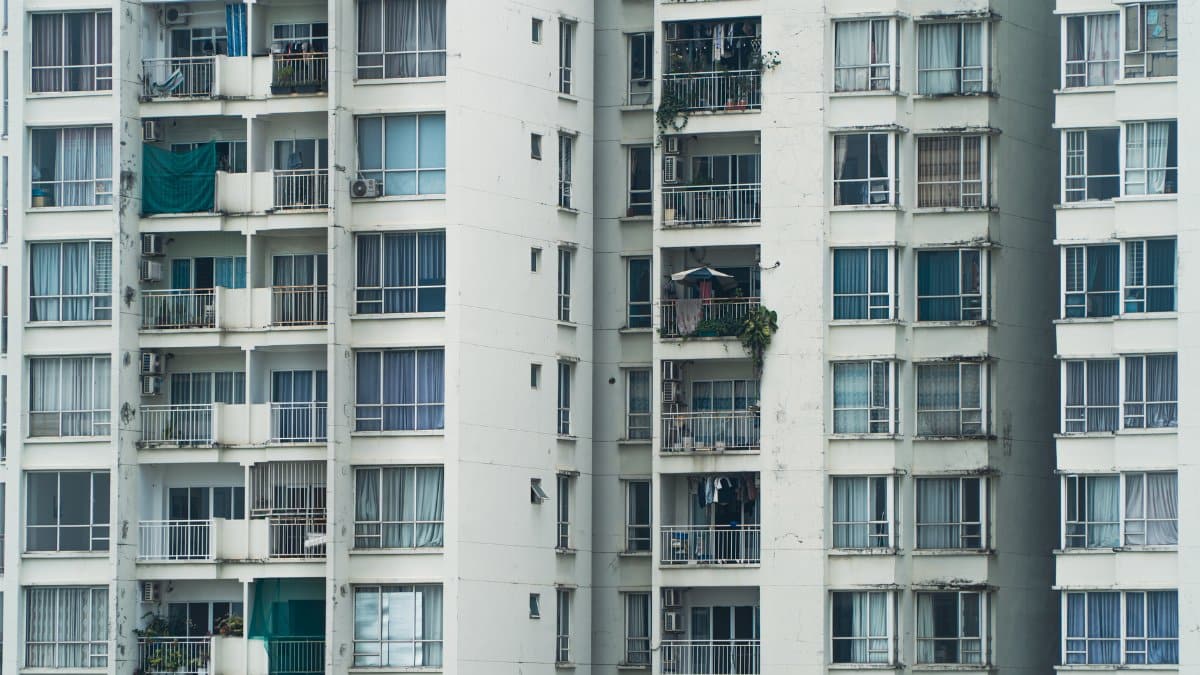
Every conversion collects stories that are only half about the building. Nearby owners worry about values. Some renters hope a public purchase will cool the block. Others fear a stigmatized label on an address they already love. Those reactions are human, and they are often louder than the facts.
A social housing building is still an apartment building. People go to work, walk dogs, argue about packages, and try to sleep. The civic experiment fails if neighbors treat residents as a pilot project instead of as neighbors. It also fails if supporters pretend that management, noise, and safety questions are illegitimate. Cities do not get extra credit for good intentions when the sidewalk feels neglected.
Other cities, without the romance

Vienna is the postcard everyone reaches for, a city where public and limited profit housing shape the market rather than patching its edges. Singapore’s public housing is another reference, built on a land system and a political history Seattle does not share. Montreal and parts of Europe offer co operative and municipal examples closer in scale, though none of them can be copied like a recipe.
The useful lesson is not architectural envy. It is patience. Those systems took generations, steady funding, and a public that accepted housing as infrastructure. Seattle is starting with purchases of existing buildings because new construction is slow and expensive. That is a reasonable first chapter. It is not a finished housing system. Readers should be wary of anyone who sells the second acquisition as proof that the crisis is solved, or as proof that the idea has already failed.
Politics after the victory lap

Ballot wins feel clean. Implementation does not. Council members, the mayor, labor, landlords, and tenant groups will all try to define what counts as success. Some will want speed: more doors, faster closings, a visible win before the next election. Others will want purity: only the lowest incomes, no higher rent payers, no compromise with private sellers.
Speed without standards produces bad buildings. Purity without tenants produces an empty theory. Seattle social housing sits in that argument whether its board likes it or not. The healthiest posture is public and specific. Publish purchase prices when the law allows. Publish rent bands. Publish repair backlogs. Sunshine will not please every faction. It will make it harder to turn the agency into a slogan factory.
A quieter definition of success

Success, if it comes, will not look like a ribbon. It will look like a household that can stay near a job, a school, or a parent without treating rent as a monthly emergency. It will look like a building that still works in ten years, with reserves in the account and staff who know the tenants by more than a unit number. It will look like a second purchase that teaches the agency how to make a third without drama.
Housing is close to what people mean when they talk about a life that can hold still long enough for meaning. That is not mysticism. It is the practical condition for everything else: work, worship, friendship, rest. If Seattle social housing becomes a durable landlord rather than a headline, the city will have done something rarer than passing a measure. It will have kept a promise after the signs came down.