
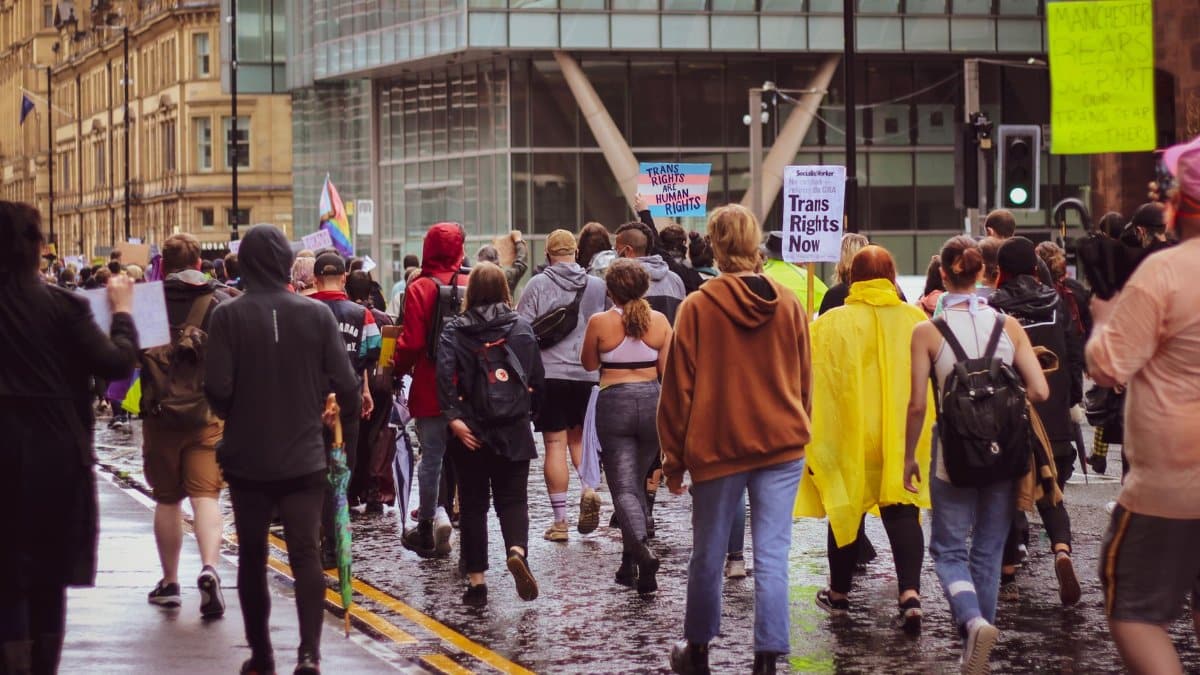
State Senator Scott Wiener faced intense protests at this years San Francisco event focused on transgender visibility. Demonstrators confronted him over his positions regarding the Gaza conflict. The disruption grew so severe that he concluded staying would be impossible. Reports of Scott Wiener Trans March Harassment San Francisco quickly spread through local media and political circles. Observers noted how the confrontation highlighted divisions within progressive communities over foreign policy and public safety at large gatherings.
Background on the Senator and His Record

Scott Wiener has served in the California legislature for several years representing parts of San Francisco. His work has touched on housing policy public health measures and criminal justice reform. Colleagues describe him as a pragmatic voice willing to negotiate across party lines. This approach has earned praise from moderates yet drawn criticism from activists who see compromise as insufficient on certain issues.
The Atmosphere at the Annual March
The San Francisco Trans March draws thousands each summer to celebrate transgender lives and advocate for rights. Organizers emphasize joy and solidarity while participants march through city streets. Security planning typically accounts for large crowds though tensions can rise when political disputes enter the space. This year the mood shifted noticeably once protesters targeted one attendee.
How the Confrontation Unfolded
Eyewitness accounts indicate that a group approached Wiener shortly after he joined the route. Chants and signs referenced his past statements on Middle East policy. The situation escalated with some individuals blocking his path and others recording the exchange. Police presence helped prevent physical altercations yet the senator decided continued participation served no purpose.
Views on Gaza That Sparked Backlash

Wiener has expressed support for Israels right to defend itself while also calling for humanitarian aid to civilians in Gaza. Critics argue such positions fall short of demanding an immediate ceasefire. Supporters counter that his stance reflects a desire for balanced diplomacy rather than one sided rhetoric. The disagreement illustrates how international events increasingly influence local political events.
Reactions from Organizers and Participants

March coordinators issued statements acknowledging the right to protest yet stressing the need for events to remain focused on transgender issues. Some attendees expressed disappointment that external debates overshadowed the original message. Others defended the protesters as exercising free speech in a public setting. These differing perspectives reveal ongoing debates about boundaries at advocacy gatherings.
Broader Implications for Progressive Politics

Incidents like Scott Wiener Trans March Harassment San Francisco point to fractures within coalitions that once appeared united. Foreign policy questions now compete with domestic priorities such as healthcare access and economic equity. Lawmakers must navigate these crosscurrents while maintaining connections to diverse voter bases. Analysts suggest similar tensions could appear at future rallies across the country.
Media Coverage and Public Response
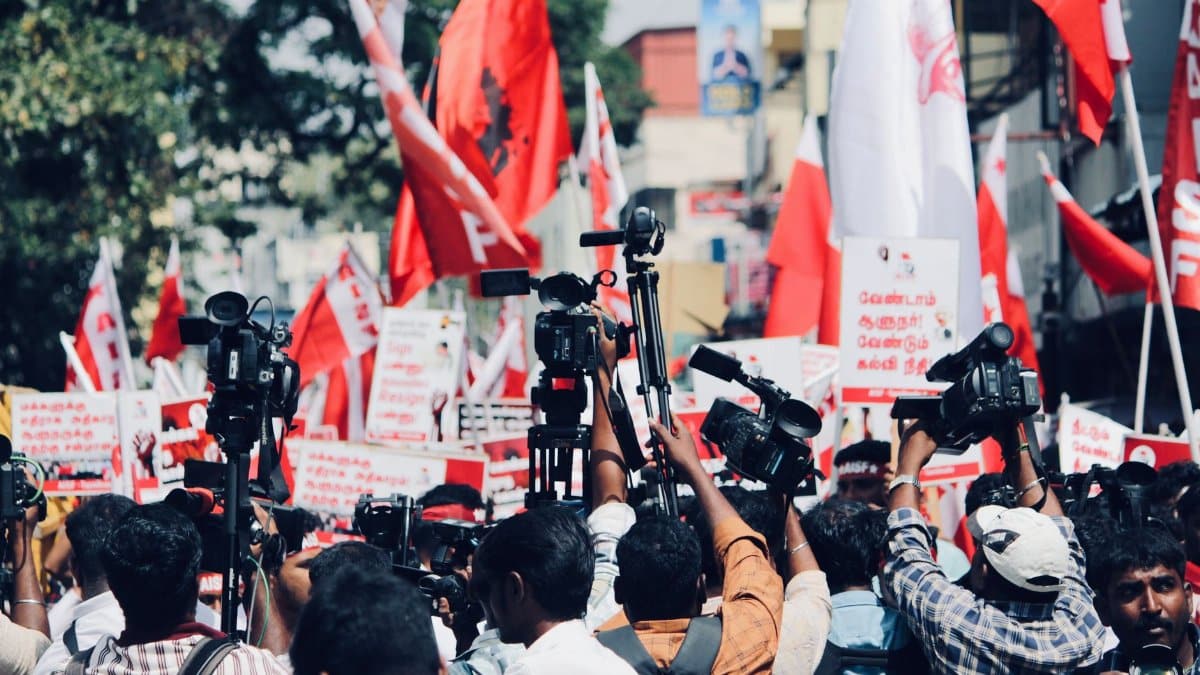
Local outlets including the San Francisco Chronicle documented the episode with detailed timelines and participant interviews. Social media amplified clips of the confrontation though context often varied by platform. Public commentary ranged from condemnation of the harassment to questions about the senators decision to attend. Such coverage shapes how similar stories reach audiences beyond the city.
Looking Ahead to Future Events

City officials and advocacy groups are reviewing security protocols for upcoming marches. Discussions include clearer guidelines on protest zones and de escalation training for volunteers. Wiener has indicated he remains committed to public life despite the experience. Observers will watch whether the episode influences participation patterns or policy priorities in the months ahead.