
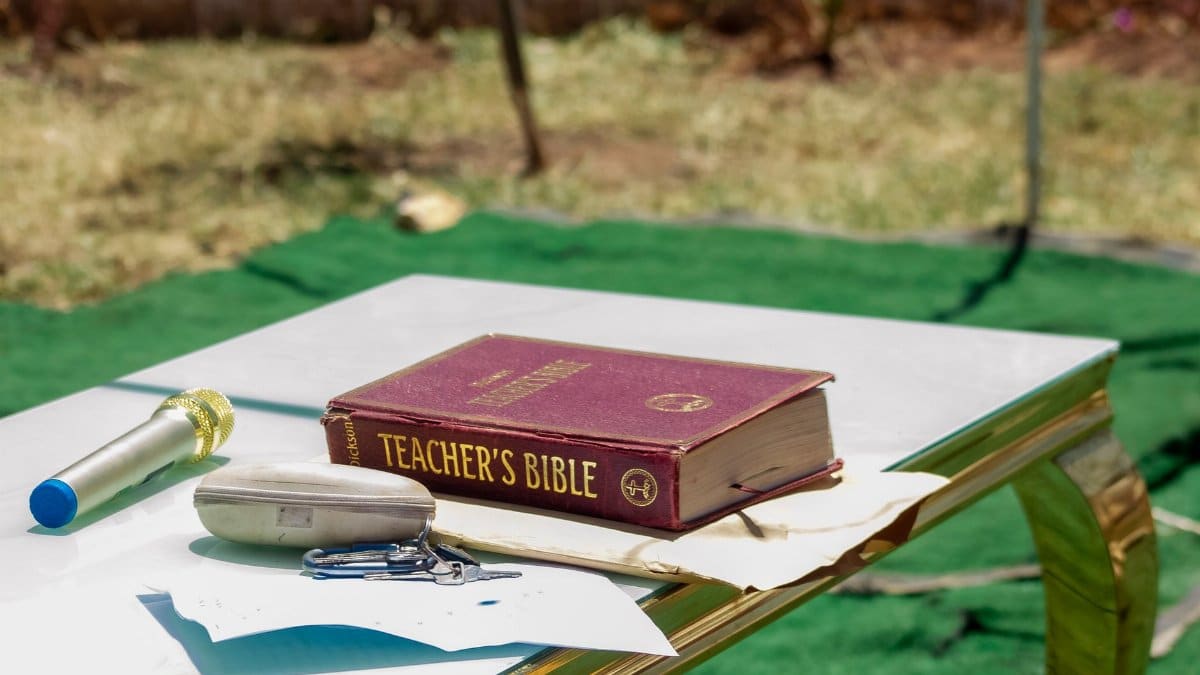
In a development that has stirred conversations from Austin to small town school boards, Texas now stands alone among states in directing public school students to engage with specific Bible passages as part of revised social studies lessons. This approach, framed as the Texas Bible School Mandate, aims to weave religious texts into lessons on history and culture while raising questions about boundaries between church and state. Educators and families watch closely as the policy takes shape in classrooms across the state.
Roots of Religious Content in American Classrooms

Public schools in the United States have long navigated the place of religious materials in daily instruction. Early textbooks often drew from Protestant traditions, yet court rulings in the twentieth century pushed back against required devotional reading. Texas now tests those lines again with its new standards that call for direct references to biblical narratives in lessons about early American governance and Western traditions.
Mechanics of the Curriculum Update

Under the Texas Bible School Mandate, teachers must incorporate selected verses into units covering the founding era and moral influences on law. The guidelines specify passages tied to concepts like justice and community without mandating prayer or worship. Districts receive sample lesson plans that link these texts to documents such as the Mayflower Compact and early colonial charters.
Perspectives from Teachers on Implementation
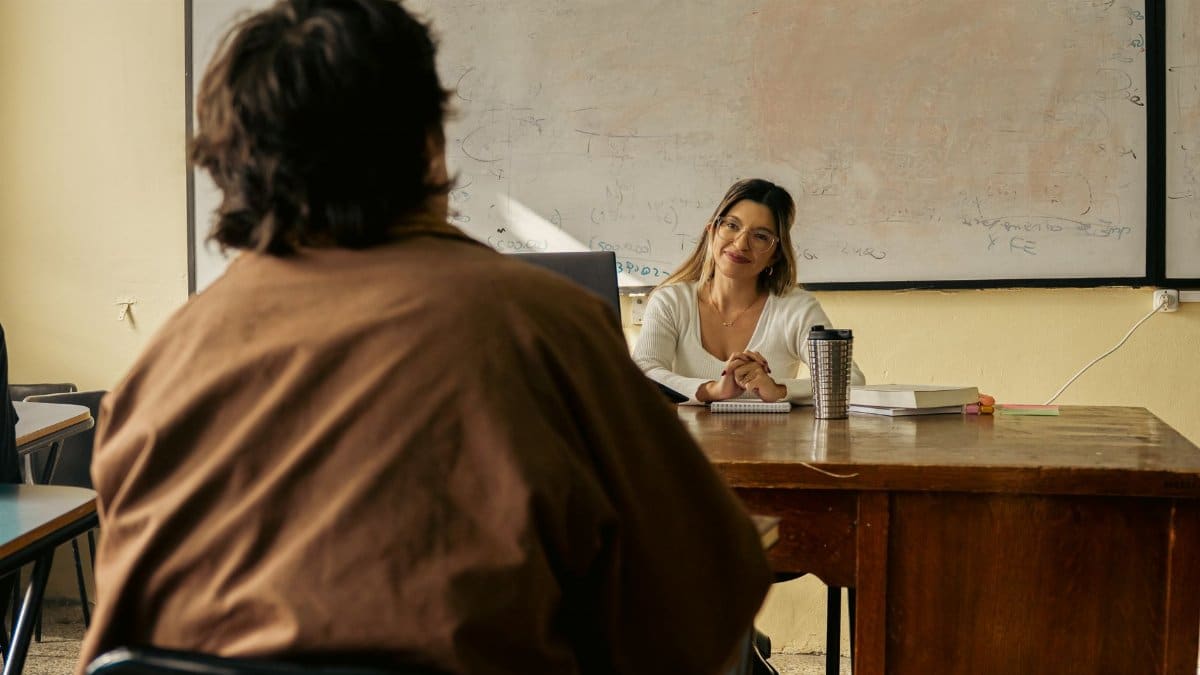
Many instructors express uncertainty about delivering the material in a neutral manner. Some welcome the chance to discuss primary sources from the period, while others worry about navigating diverse family beliefs in mixed classrooms. Professional development sessions focus on framing the content as historical rather than devotional, though time constraints limit how deeply staff can explore those distinctions.
Parental Responses Across Regions

Families in suburban Houston and rural West Texas voice differing views on the shift. Supporters argue it restores context to American origins often omitted in modern texts. Critics counter that it privileges one faith tradition in a pluralistic society and may leave children from non Christian homes feeling sidelined during discussions.
Potential Courtroom Tests Ahead
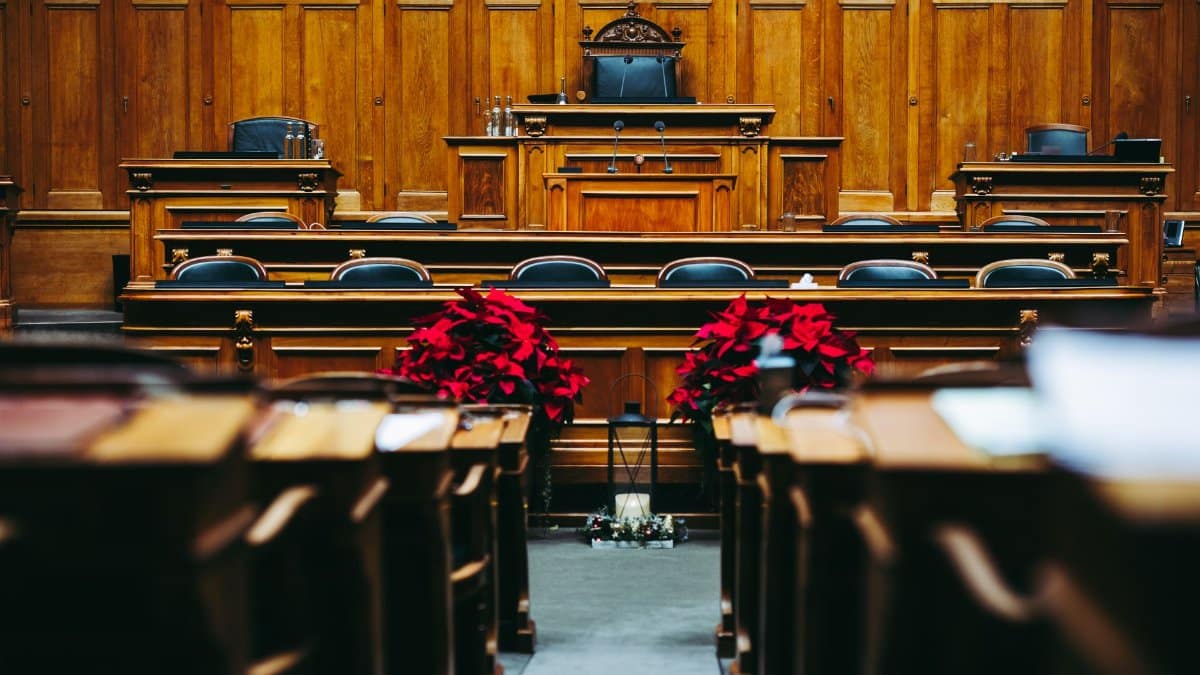
Legal observers anticipate challenges under the First Amendment once the standards reach full rollout. Precedents such as the 1963 Abington decision against school sponsored Bible reading provide a framework for arguments on both sides. Advocacy groups prepare amicus briefs while state officials maintain the requirement stays within permissible academic bounds.
Effects on Student Learning Outcomes

Early pilots suggest students gain familiarity with certain historical references, yet questions remain about measurable gains in critical thinking or civic understanding. Researchers plan to track whether exposure leads to greater interest in primary documents or simply adds another layer of required memorization amid already crowded schedules.
Political Drivers Behind the Policy

Lawmakers who advanced the changes cite voter surveys showing support for greater emphasis on traditional sources in education. The measure emerged during a broader overhaul of social studies frameworks that also addressed economics and government topics. Observers note the role of advocacy organizations that have long pressed for recognition of religious heritage in public settings.
Comparisons with Approaches Elsewhere

No other state currently requires Bible passages as part of standard social studies sequences, though several permit elective courses on religious literacy. Texas stands out for embedding the requirement across grade levels rather than offering it as an optional class. Neighboring states watch the results for clues about political viability in their own legislatures.
Voices from Faith Communities

Clergy and lay leaders offer mixed assessments. Some congregations see the mandate as validation of biblical influence on national character. Others, including interfaith coalitions, caution against any appearance of state endorsement that could erode trust among minority religious groups or secular families.
Looking Forward for Social Studies Instruction

As districts adjust materials and assessments, the Texas Bible School Mandate may influence textbook publishers and teacher training programs nationwide. Ongoing evaluation will determine whether the approach deepens historical insight or invites further division over the proper role of sacred texts in taxpayer funded schools.