

As society moves forward into a new era questions arise about how psychological science will adapt to emerging challenges. Psychology Trends 2026 highlight several key areas where innovation is expected to flourish. From digital platforms to deeper cultural understandings the landscape of mental health support continues to evolve in ways that could benefit millions seeking guidance. Observers note that these changes reflect broader shifts in how people view emotional wellbeing and personal growth.
Embracing Technology in Therapeutic Practices
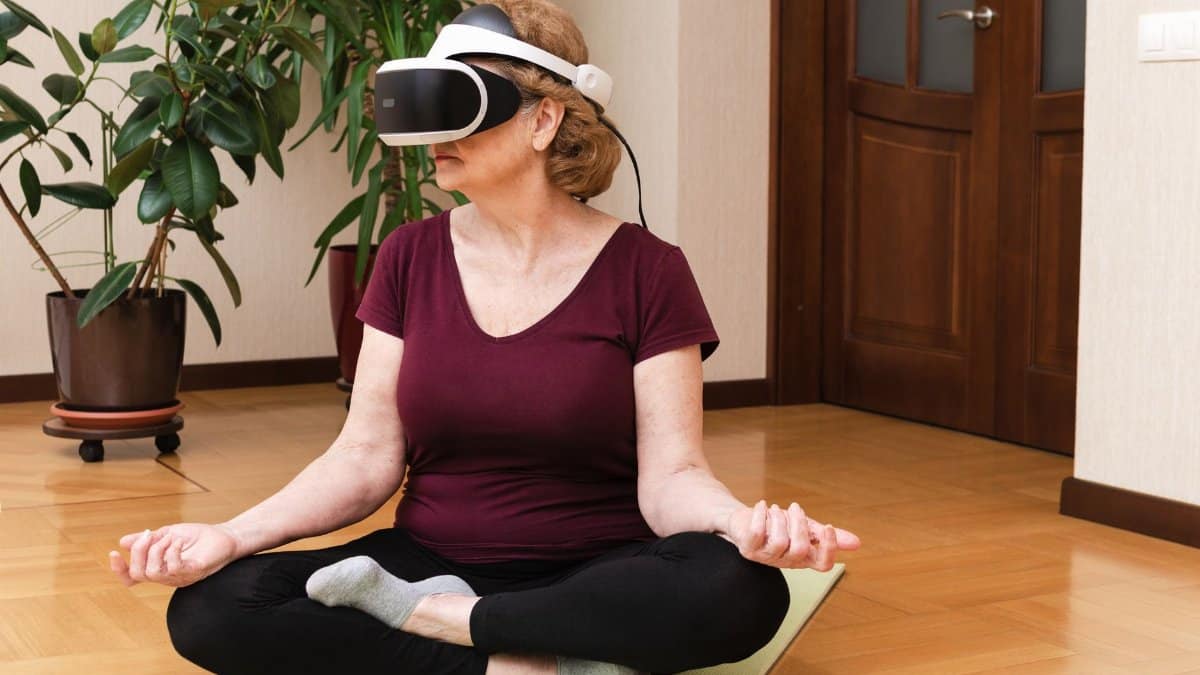
Digital tools now allow therapists to track patient progress with greater precision than before. Many professionals integrate apps that monitor mood patterns over time and suggest interventions tailored to individual needs. This approach reduces barriers for those living far from urban centers where traditional offices are located. Research indicates that such methods maintain effectiveness when combined with regular video sessions. Patients report feeling more engaged because they can access resources at any hour. Psychology Trends 2026 suggest this trend will expand further as artificial intelligence refines recommendations based on large data sets.
Focus on Cultural Competence Among Practitioners

Training programs increasingly emphasize understanding diverse backgrounds to build trust with clients from varied communities. Therapists learn to recognize how family structures and traditions influence emotional expression. This awareness helps avoid misinterpretations that once led to ineffective treatment plans. Workshops encourage ongoing self reflection among clinicians so they remain aware of their own assumptions. As demographics shift across the country such skills become essential for successful outcomes. Groups that felt overlooked in past decades now find more welcoming environments in counseling settings.
Expansion of Telehealth Services Across Regions

Remote counseling has grown steadily allowing people in rural areas to connect with specialists without long travel. Insurance coverage has adjusted in many states to support these visits at rates comparable to in person meetings. Convenience plays a major role as busy professionals and parents fit sessions into packed schedules more easily. Follow up data shows comparable satisfaction levels to office based care when technical connections remain stable. Psychology Trends 2026 anticipate further policy support that could make telehealth a standard option rather than an exception.
Advances in Understanding Trauma Responses
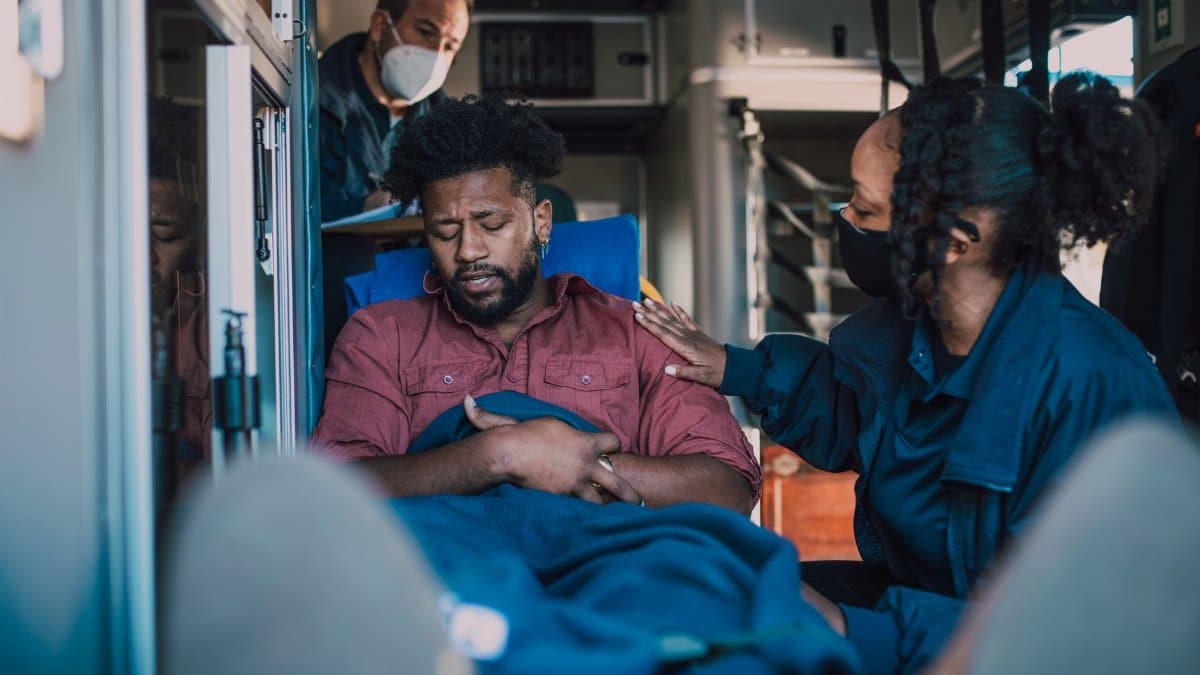
New studies examine how the brain processes difficult events and what factors promote resilience. Clinicians apply these insights to develop shorter yet impactful intervention sequences. Somatic techniques that involve body awareness gain attention alongside traditional talk methods. Survivors benefit from approaches that address both memory and physical sensations simultaneously. Training for first responders now includes modules on recognizing early signs of distress in themselves and colleagues. This knowledge helps prevent long term complications that affect work performance and relationships.
Role of Mindfulness in Daily Routines

Workplaces and schools introduce brief mindfulness exercises to help manage stress before it escalates. Participants learn simple breathing techniques that can be practiced during short breaks. Evidence suggests regular use improves focus and reduces irritability over several weeks. Instructors adapt programs for different age groups so children and older adults alike find suitable entry points. Psychology Trends 2026 indicate these practices may become integrated into standard wellness offerings at companies and community centers.
Policy Changes Affecting Access to Care

Legislative efforts aim to increase funding for mental health programs in public systems. Advocates push for parity laws that treat psychological services the same as physical health coverage. Such measures could lower out of pocket costs for ongoing therapy. State level initiatives also target early intervention in schools to catch issues before they require intensive treatment. Observers expect continued debate around these proposals as budgets face competing demands.
Research into Neuroplasticity and Recovery

Investigations reveal the brain capacity to form new connections even after significant setbacks. This understanding encourages therapies that combine cognitive exercises with lifestyle adjustments like physical activity. Patients receive hope from seeing measurable progress through repeated practice rather than viewing conditions as fixed. Laboratories collaborate across institutions to test interventions on larger scales. Findings may lead to revised guidelines for rehabilitation after injury or prolonged stress.
Community Initiatives for Mental Wellness

Local organizations create peer support networks that complement professional care. These groups meet regularly to share experiences in structured yet informal settings. Facilitators receive basic training to maintain safety while encouraging open dialogue. Partnerships with libraries and recreation centers make participation convenient for residents. Psychology Trends 2026 point toward growth in such grassroots efforts as they prove cost effective and culturally adaptable. Success often depends on sustained volunteer involvement and modest grants from foundations.