

In North Dallas, where established neighborhoods meet busy commercial corridors, a proposed eight hundred million dollar project has sparked debate over how cities balance growth with community character. The Preston Royal Development Dallas Tax Base represents one such effort, promising added revenue streams that could support public services without immediate tax hikes for residents. Local officials and developers point to similar past initiatives that expanded municipal resources while reshaping underused parcels into vibrant districts.
Projected Revenue Streams from Large Scale Construction
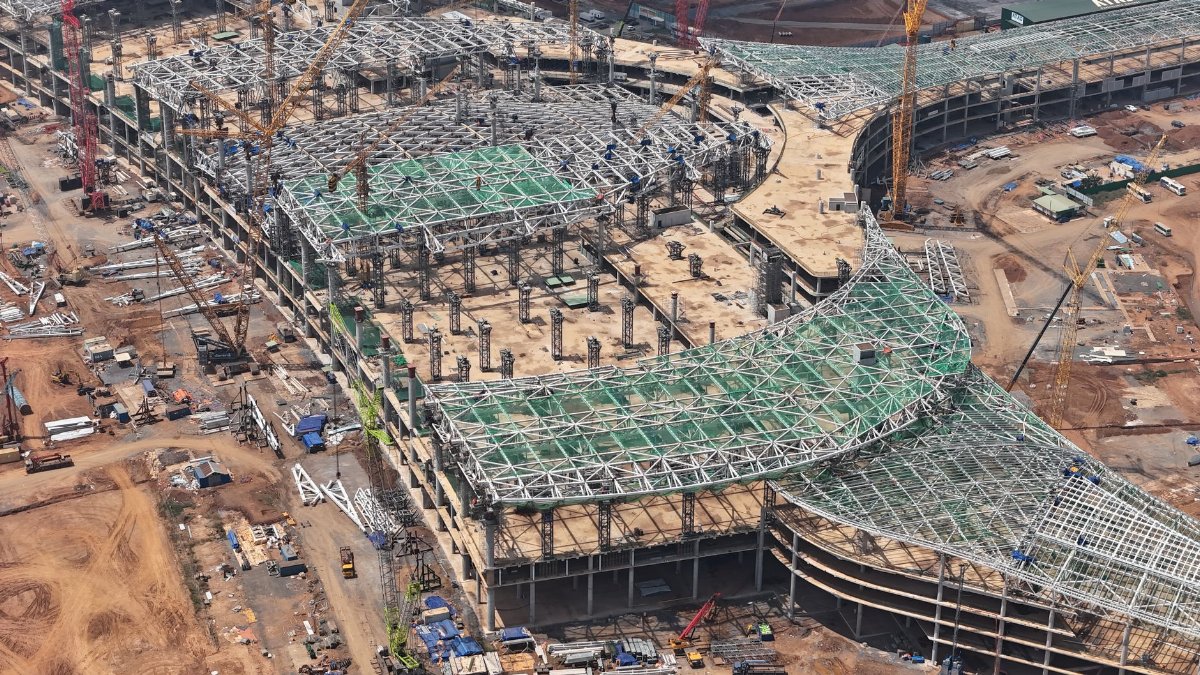
City analysts estimate that completed office towers, retail spaces and residential units would generate steady property tax collections over decades. These inflows could fund road maintenance, library expansions and fire department upgrades across broader Dallas districts. Past examples in comparable suburbs show annual gains reaching several million dollars once full occupancy occurs. Such figures help offset costs associated with infrastructure upkeep that older developments sometimes strain.
Comparisons to Successful North Texas Projects
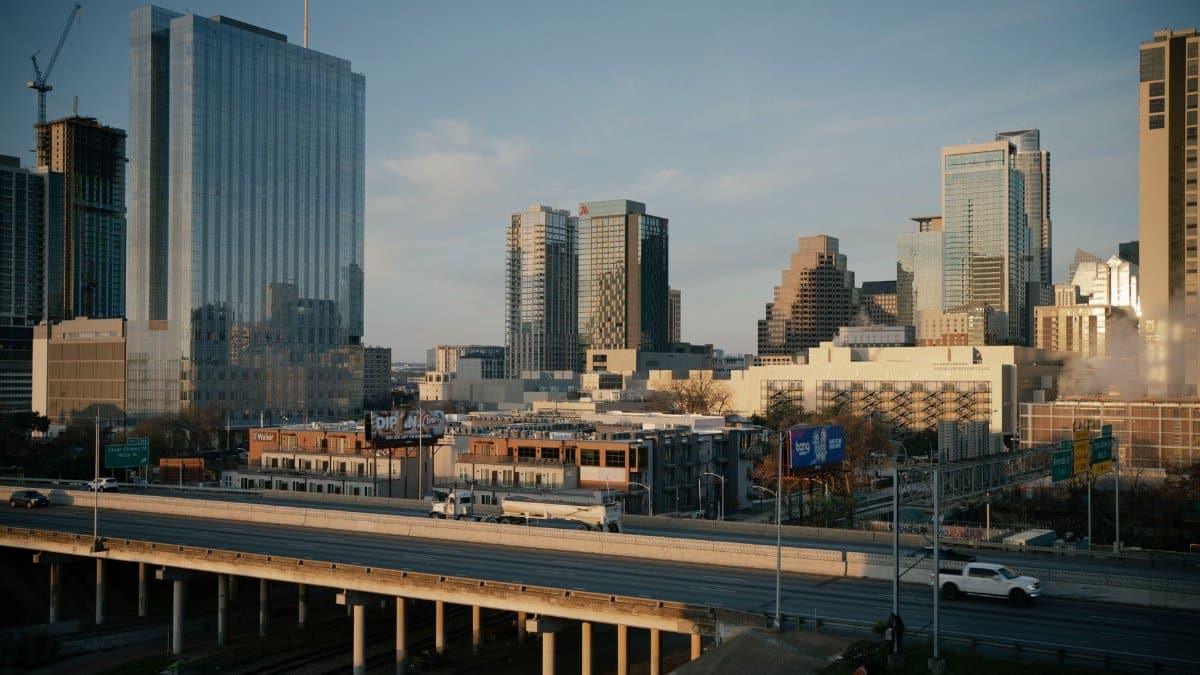
Nearby mixed use sites have demonstrated how integrated planning lifts surrounding assessed values. Developments near transit lines often attract corporate tenants who contribute to sales tax pools through daily operations. This pattern suggests the current proposal could mirror those outcomes if zoning approvals move forward on schedule. Observers note that coordinated design reduces long term maintenance burdens on municipal budgets.
Addressing Neighborhood Concerns Through Data
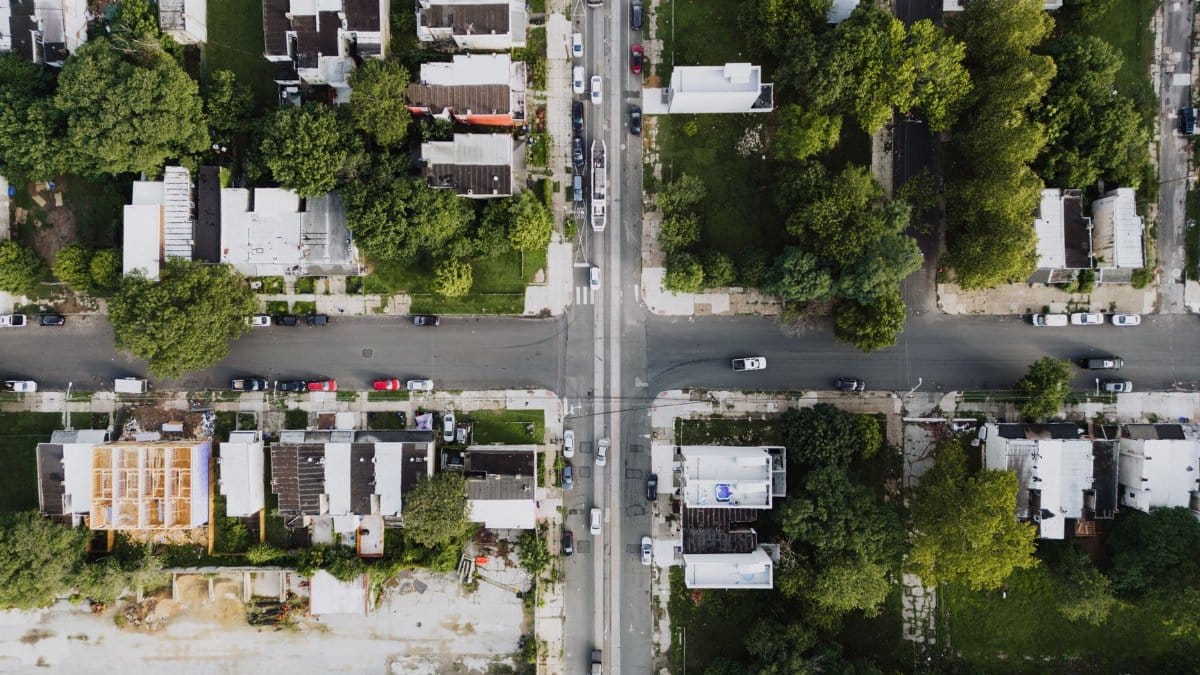
Residents have voiced worries about traffic volumes and building heights, yet traffic studies project manageable increases with planned signal improvements. School enrollment projections indicate existing facilities can absorb new households without new construction levies. These assessments draw from census trends and regional growth models that have proven reliable in adjacent areas.
Job Creation and Its Ripple Effects

Construction phases alone would employ hundreds of workers across trades from carpentry to electrical work. Once operational the site would sustain permanent positions in retail, hospitality and professional services. Local spending by these employees tends to circulate within Dallas businesses, amplifying the initial investment through secondary commerce.
Fiscal Health for Future City Budgets
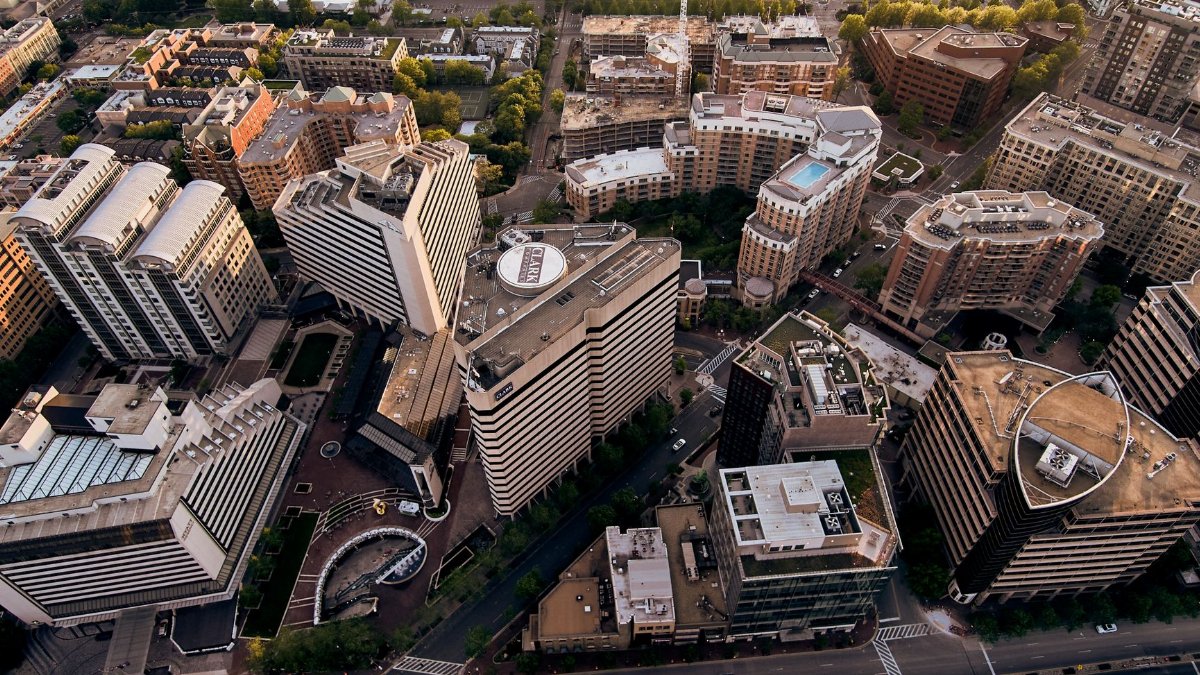
Dallas leaders face recurring shortfalls in pension obligations and capital projects. Added tax collections from the Preston Royal Development Dallas Tax Base could provide a reliable buffer during economic downturns. Historical data from the region illustrates how diversified commercial bases stabilize revenue when residential collections fluctuate with housing markets.
Urban Density and Infrastructure Efficiency
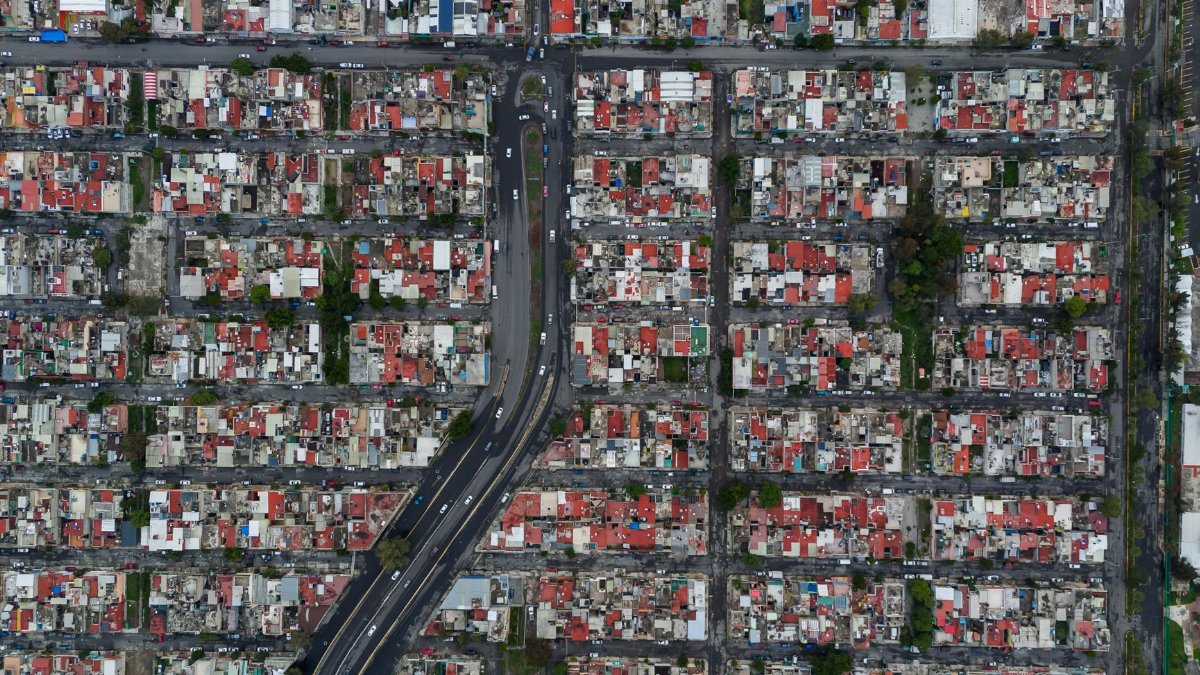
Concentrated development allows better utilization of existing water lines, power grids and public transit routes. Sprawl alternatives often require costly extensions that burden taxpayers for years. Planners emphasize that vertical integration preserves open land elsewhere while concentrating services in accessible nodes.
Long Term Property Value Trends
Appraisers anticipate gradual appreciation in nearby single family homes as amenities improve. This uplift translates into higher tax assessments without rate changes, benefiting school districts and county operations alike. Similar effects appeared in earlier Dallas infill projects where walkable retail drew steady foot traffic.
Policy Implications for Regional Planning

Approval of the project could set precedents for other North Dallas corridors facing redevelopment pressure. Consistent application of impact fee structures ensures developers share costs for public improvements. This approach aligns incentives so that private gains support collective needs over time.