

In a quiet room in Seattle a woman named Elena sat with her hands on her knees breathing deeply as waves of anxiety washed over her. Rather than pushing the feeling away she chose to meet it with a gentle presence drawn from Embodied Compassion Meditation. This approach invites practitioners to ground themselves in the body while extending kindness toward even the most challenging emotions. Many middle aged adults discover that such practices offer steadier footing during periods of loss or uncertainty when familiar coping methods fall short.
The Core Principles Behind the Method

Embodied Compassion Meditation draws from mindfulness traditions yet places special weight on physical sensation as a gateway to emotional balance. Participants learn to notice tension in the shoulders or a tightening in the chest without immediate judgment. The process encourages a slow return to the breath while silently offering phrases of care such as may this feeling be met with patience. Over repeated sessions the body becomes an ally rather than an obstacle to awareness.
How Physical Grounding Supports Emotional Resilience

Research from contemplative science centers shows that pairing breath awareness with compassionate intention can lower physiological stress markers. Individuals report fewer episodes of emotional flooding after several weeks of consistent practice. The technique avoids abstract analysis of feelings and instead emphasizes direct contact with bodily experience. This shift helps many people remain present rather than retreating into distraction or rumination.
Distinctions from Standard Mindfulness Routines
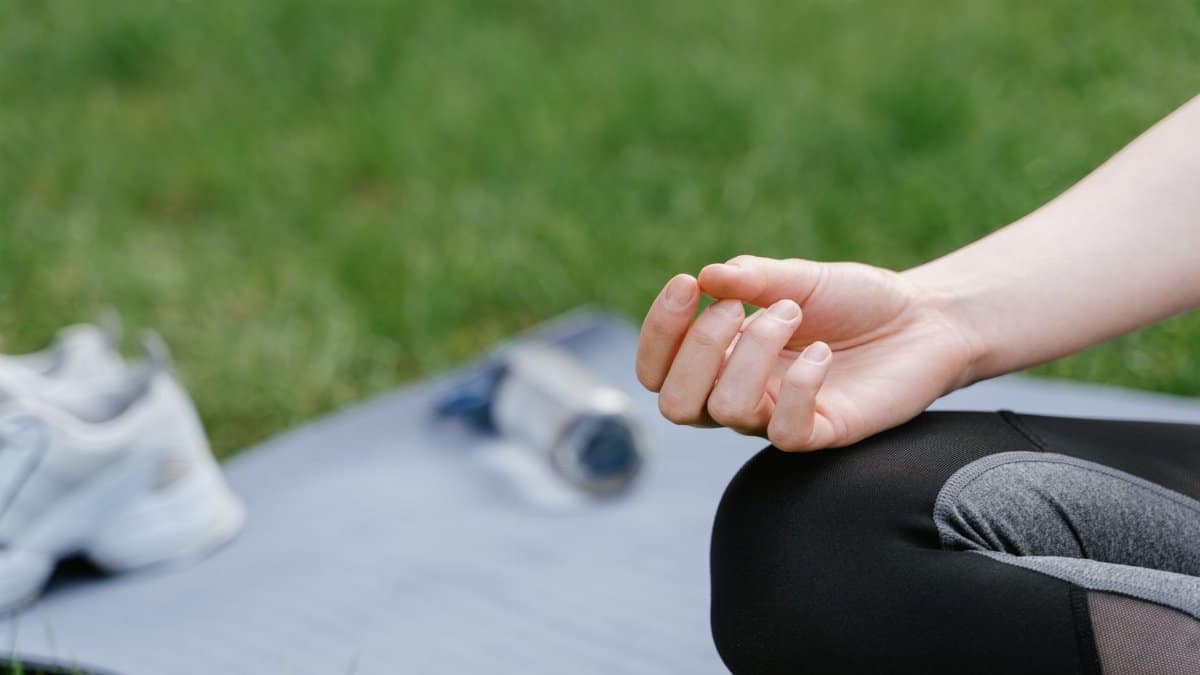
Traditional mindfulness often focuses on neutral observation of thoughts. Embodied Compassion Meditation adds an active layer of warmth directed at whatever arises. Practitioners are guided to locate a difficult emotion in a specific area of the body then to imagine a soft light or warmth surrounding that region. The addition creates a sense of inner support that pure observation alone may not provide.
Practical Steps for Beginning the Practice
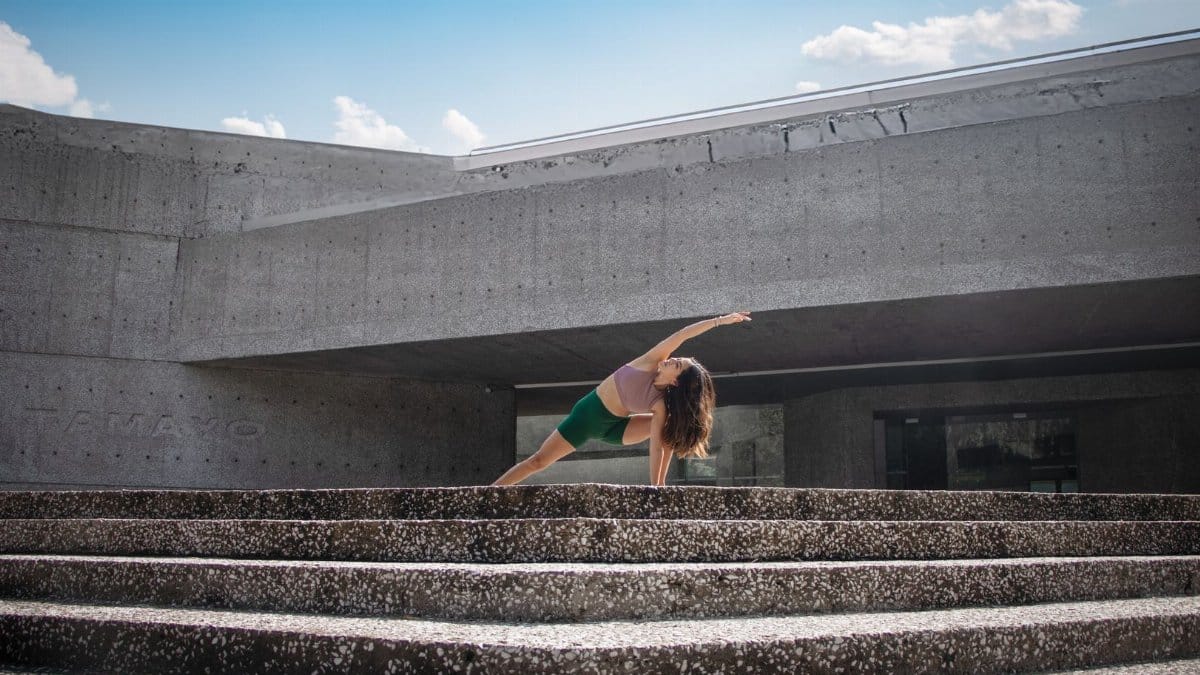
Start by finding a comfortable seated position with feet flat on the floor. Close the eyes and scan the body for any areas of tightness. When a strong emotion surfaces name it gently such as this is grief or this is frustration. Offer a brief phrase of kindness while maintaining awareness of the breath moving through the torso. Sessions can last ten to twenty minutes and are most effective when done daily.
Stories of Transformation Among Everyday Practitioners

One retired teacher described how the method helped her navigate the sudden loss of her spouse. Instead of avoiding memories she learned to hold space for waves of sorrow while keeping her posture upright and open. A corporate manager reported reduced reactivity during tense meetings after incorporating the practice into his morning routine. These accounts illustrate the accessible nature of the technique across varied life circumstances.
Integrating the Approach into Daily Challenges
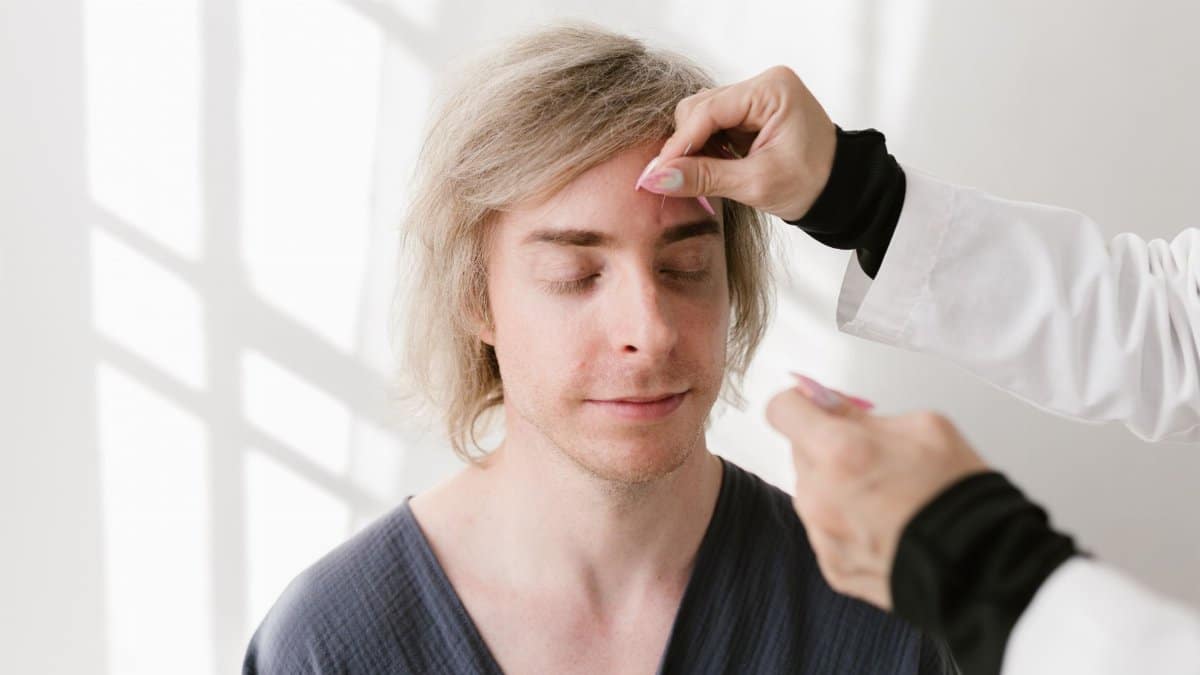
Busy professionals can weave brief moments of embodied awareness into routine activities such as walking between appointments or pausing before responding to emails. The key lies in returning attention to physical sensation and adding a note of compassion when stress surfaces. Over time these micro practices accumulate into greater emotional steadiness without requiring extended retreats or special equipment.
Potential Obstacles and Gentle Adjustments

Some beginners encounter resistance when first sitting with painful feelings. In such cases teachers recommend shortening the session or placing a hand over the heart as a physical reminder of support. The emphasis remains on patience rather than forcing a particular outcome. Adjustments like these keep the practice sustainable and reduce the likelihood of discouragement.
Connections to Broader Well Being Trends

Interest in body based compassion methods has grown alongside wider conversations about mental health in the workplace and at home. Community centers and wellness programs increasingly list similar offerings because participants value the blend of physical and emotional attention. The trend reflects a desire for tools that address both the mind and the lived experience of stress within the body.
Guidance for Sustained Engagement Over Time
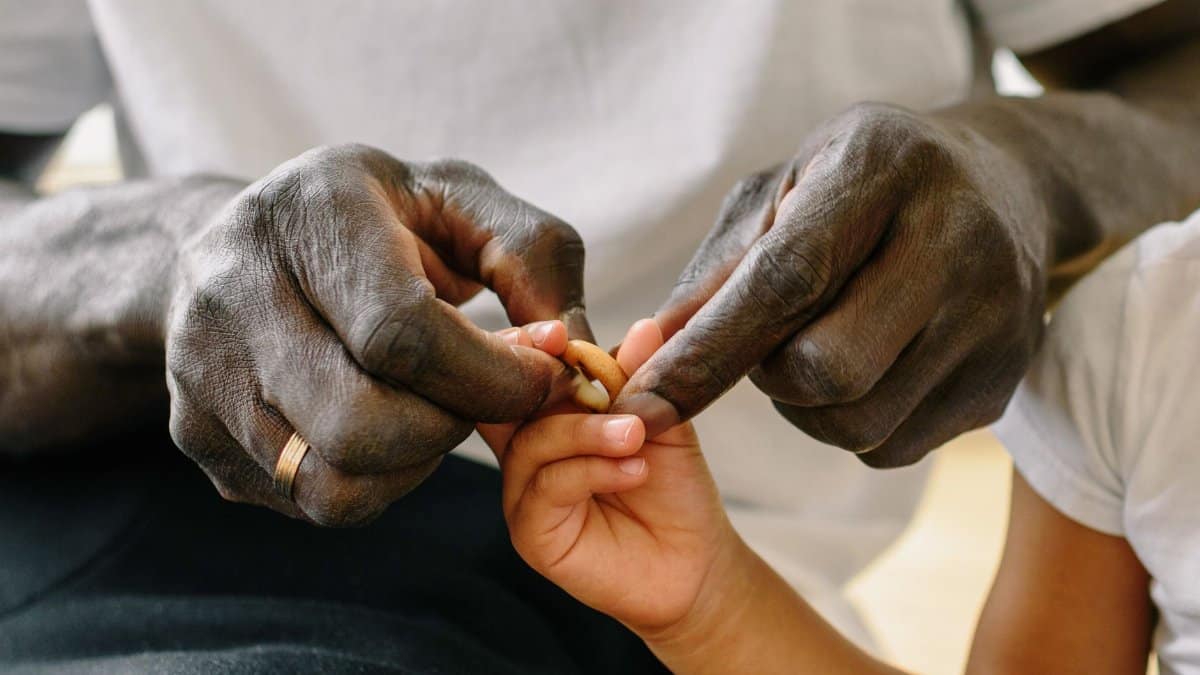
Long term benefits appear most reliably when the practice becomes part of a larger rhythm rather than an isolated exercise. Keeping a simple journal noting physical sensations and shifts in mood can highlight subtle progress. Periodic guidance from experienced teachers helps refine technique and prevents the drift into mechanical repetition. Many find renewed motivation by joining small groups that meet weekly for shared practice.