

In recent years researchers have turned their attention to the ways older adults sustain mental clarity amid the changes that come with time. One retired librarian in Vermont still leads weekly book discussions at the local community center and reports feeling as engaged as she did decades earlier. Her experience points toward Purpose Cognitive Health as a factor worth examining more closely for its potential role in supporting memory and reasoning skills throughout later life. Studies now suggest that individuals who maintain a clear sense of direction may experience slower declines in certain cognitive measures compared with those who report less direction.
Research linking life direction to brain performance
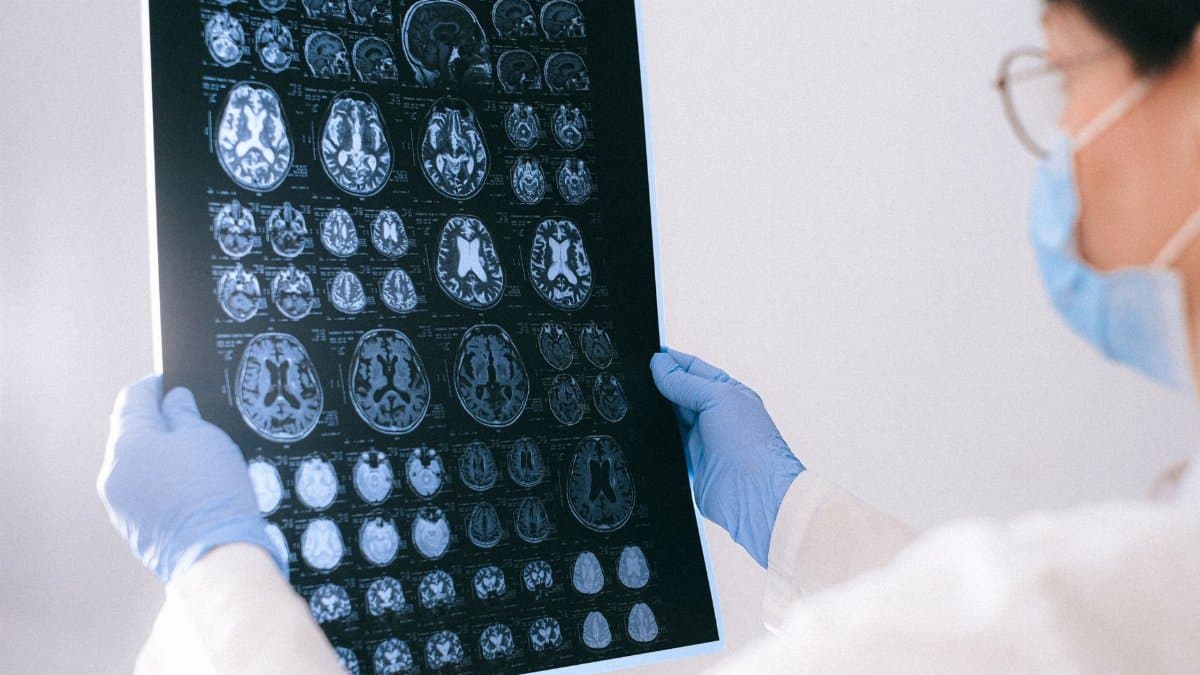
A summary published by the American Psychological Association examined multiple investigations into how having meaningful goals relates to mental function in older populations. The findings indicated that participants who described stronger purpose tended to show better results on tests measuring recall and problem solving over periods of several years. The full report appears at https://www.apa.org/monitor/2026/01-02/research-summaries-purpose-cognition and offers details on sample sizes and assessment methods used across the projects.
Brain regions that may benefit from sustained purpose
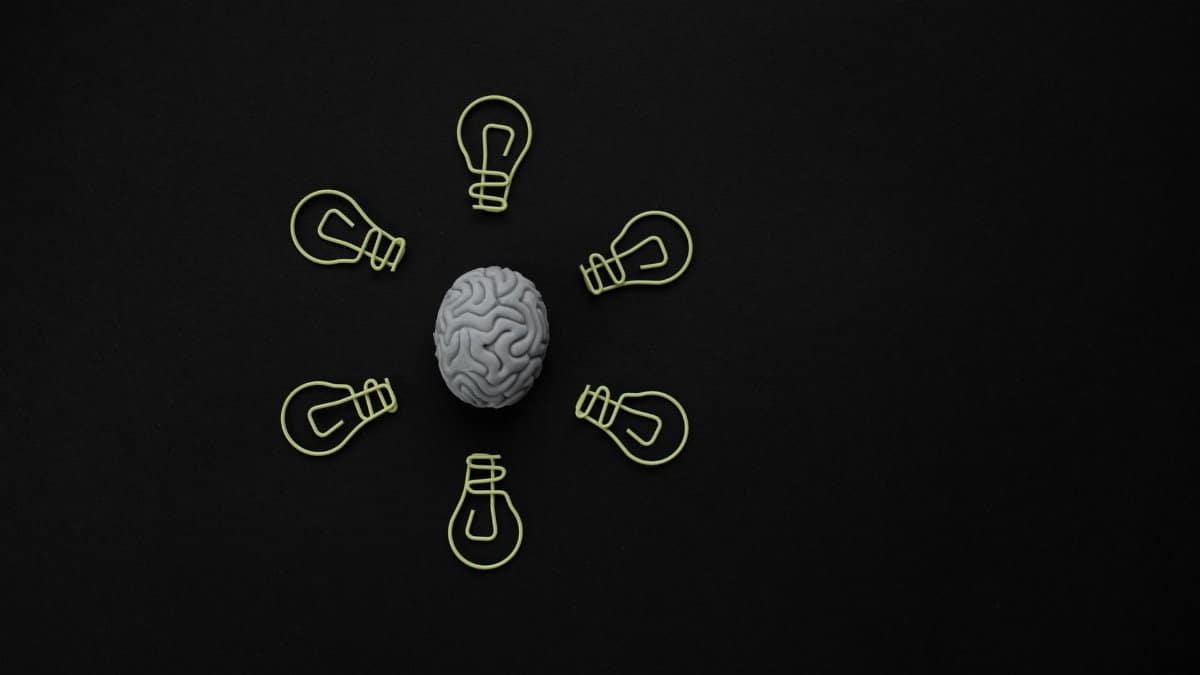
Neuroimaging work has identified areas such as the prefrontal cortex and hippocampus as regions possibly influenced by ongoing engagement with meaningful activities. When individuals pursue activities aligned with their values these zones appear to retain volume and connectivity at higher rates than in less engaged peers. Such patterns emerge even after accounting for education level and physical health status.
Daily routines that support Purpose Cognitive Health

Small consistent actions like volunteering at a neighborhood garden or teaching a skill to grandchildren can reinforce a sense of contribution. These practices require planning and social interaction both of which stimulate neural pathways associated with attention and language. Over months the cumulative effect may help offset typical age related slowing in processing speed.
Comparisons across different cultural settings

Observations from communities in Japan and parts of Latin America reveal similar associations between purposeful living and preserved mental function. Elders who continue to advise family members or participate in local ceremonies often maintain verbal fluency and orientation longer than age matched counterparts who withdraw from such roles. The consistency across settings strengthens the case for broader relevance.
Potential limits and remaining questions

While the evidence grows some studies note that the direction of influence remains under discussion. It is possible that early cognitive changes reduce the capacity to pursue goals rather than the reverse. Longer term tracking of younger cohorts into later decades will help clarify whether Purpose Cognitive Health actively protects function or simply coexists with it.
Practical steps for middle aged readers

Professionals in their fifties and sixties can begin by listing activities that once felt rewarding and identifying which ones remain feasible. Scheduling regular time for these pursuits whether through local organizations or personal projects creates structure that may carry forward. Consulting with a counselor can further refine goals to match current abilities and interests.
Interactions with physical activity and social ties
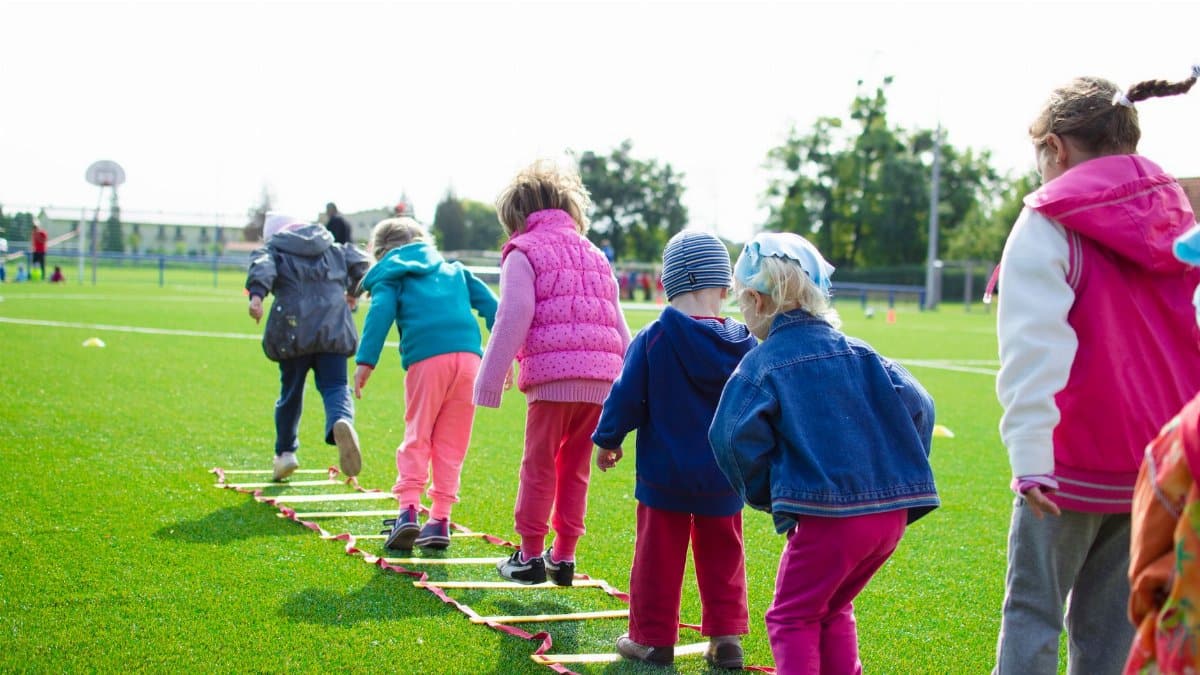
Purpose Cognitive Health appears to work alongside other protective factors such as regular movement and close relationships. When an individual combines walking groups with a shared community project the combined stimulation may amplify benefits for both body and mind. Researchers emphasize that no single element operates in isolation.
Future directions for public health efforts

Community programs that encourage goal setting among older adults could become part of standard wellness offerings. Libraries museums and faith based groups already host discussion circles that foster reflection and planning. Expanding access to such opportunities may help more people cultivate the direction associated with better cognitive outcomes in available data.