

City sounds have grown into an inescapable backdrop for many Americans, from morning commutes filled with honking vehicles to evenings interrupted by distant machinery. This constant layer of disturbance affects concentration, sleep patterns, and overall mood in ways that accumulate over time. Exploring Noise Pollution Wellbeing reveals how even modest adjustments in daily routines can restore a sense of calm while supporting broader environmental goals.
Recognizing Everyday Sources of Disturbance
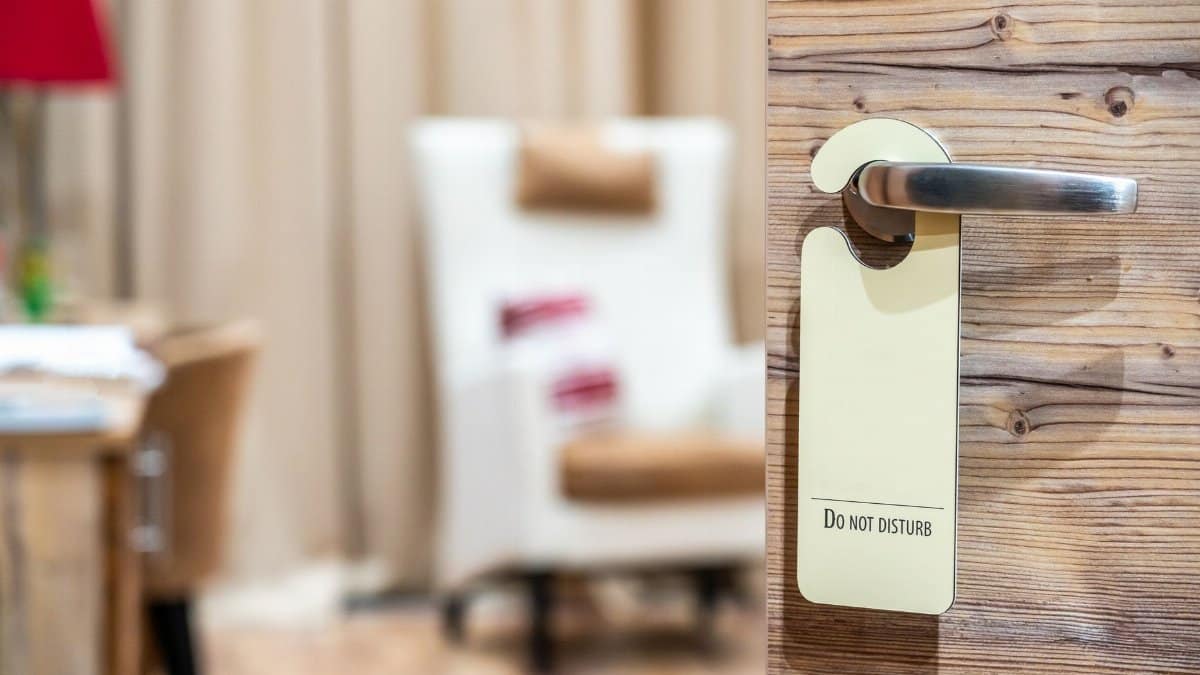
Traffic remains one of the most widespread contributors in residential zones. Delivery trucks and commuter cars create overlapping layers that travel through open windows and thin walls. Construction sites add rhythmic pounding that carries across blocks for months at a time. Even household appliances such as leaf blowers and air conditioning units add steady background hums that residents often overlook until they pause to listen.
Shifting Toward Quieter Transportation Options

Choosing bicycles or electric scooters for short trips cuts engine noise at the source. Public transit systems powered by overhead lines rather than diesel produce noticeably less rumble on city streets. Carpooling reduces the total number of vehicles in motion during peak hours, which in turn lowers the collective sound footprint of a neighborhood. These choices also decrease exhaust emissions, linking personal mobility decisions directly to community level improvements.
Adding Vegetation as Natural Sound Buffers
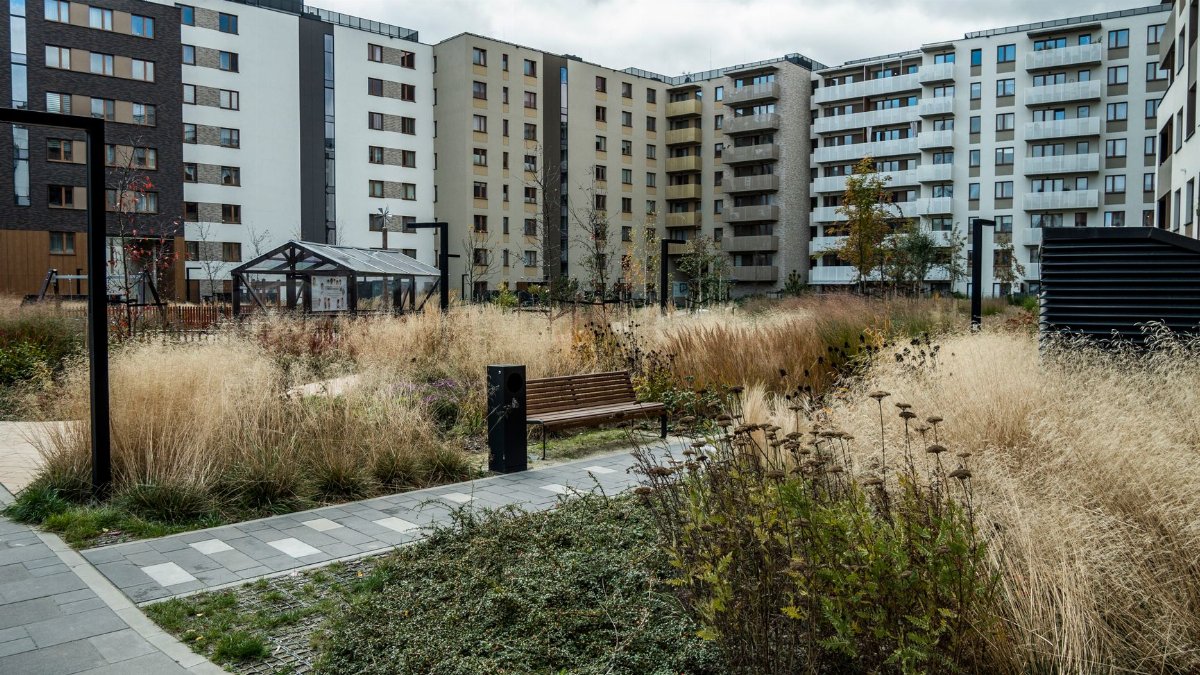
Planting dense rows of shrubs and trees along property lines absorbs and deflects sound waves more effectively than solid fences alone. Species with thick foliage such as evergreens work year round to soften traffic hum. Community gardens placed near busy roads serve the same purpose while providing fresh produce and gathering spaces. Maintenance requires only periodic watering and pruning, keeping the approach low impact and sustainable.
Designing Interiors for Better Acoustic Comfort
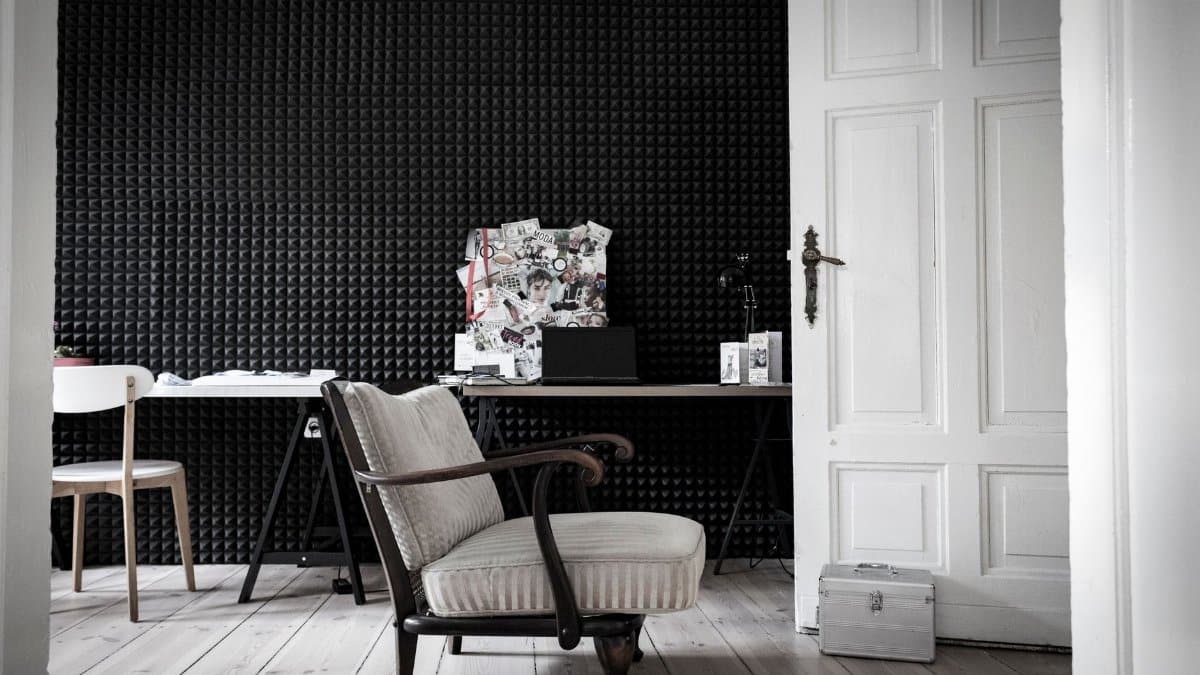
Heavy curtains and area rugs absorb vibrations that hard surfaces reflect. Bookshelves filled with volumes act as irregular barriers that scatter sound rather than bounce it back into living areas. Relocating desks away from street facing windows reduces direct exposure during work hours. These rearrangements require no new purchases when existing furnishings are repositioned thoughtfully.
Encouraging Shared Responsibility in Apartment Buildings

Quiet hours posted in common areas remind residents of mutual consideration without needing enforcement measures. Shared laundry facilities scheduled during daytime slots prevent nighttime machine cycles from disturbing adjacent units. Building managers can install door sweeps and window seals during routine upkeep, an inexpensive step that yields measurable reductions in sound transfer between floors.
Exploring Low Impact Landscaping Practices

Mowing lawns with reel push mowers eliminates motor noise entirely on smaller properties. Mulching fallen leaves by hand rather than with gas powered equipment prevents bursts of high volume operation. Rain gardens positioned to capture runoff also create soft ground cover that dampens footstep sounds from nearby pathways. Each practice supports soil health while trimming unnecessary auditory stress.
Tracking Personal Exposure Over Time

Simple phone applications record average sound levels throughout a typical day, revealing patterns that might otherwise remain unnoticed. Noting periods of peak disturbance helps identify which activities or locations contribute most. Adjusting schedules around these peaks, such as taking walks in early morning rather than midday, can restore periods of genuine quiet without major lifestyle upheaval.
Connecting Reduced Sound Levels to Daily Wellbeing

Lower background noise supports steadier focus during reading or conversation. Sleep quality often improves when evening hours become less interrupted, leading to better daytime energy. Noise Pollution Wellbeing improves further when individuals notice these shifts and begin advocating for similar conditions in workplaces and public spaces. Over months the cumulative effect appears in reduced irritability and clearer mental states.
Supporting Local Initiatives for Lasting Change

Attending city council meetings allows residents to request updated ordinances on construction timing and vehicle idling. Neighborhood associations can pool resources for shared sound monitoring equipment that informs future planting projects. Schools benefit when playground surfaces are switched to softer materials that lessen impact sounds during recess. Each step reinforces collective commitment to quieter surroundings.