
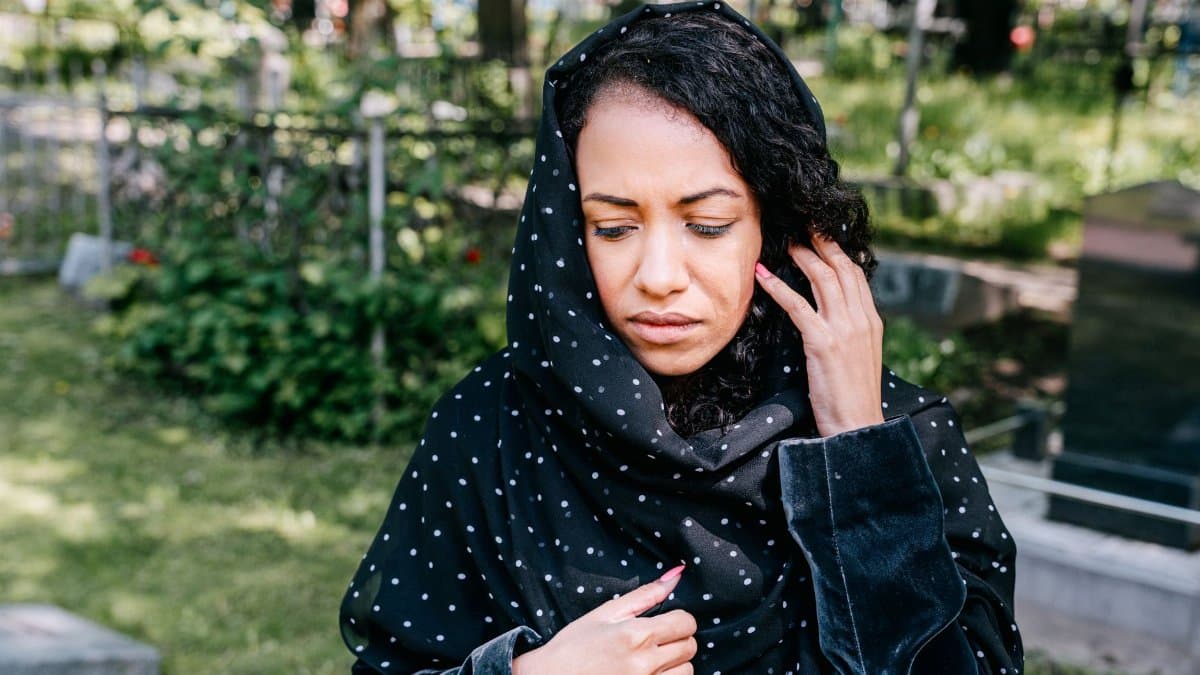
When a loved one dies the sorrow often arrives with layers that resist easy description. For many the bond carried tension or unfinished conversations that now shape every memory. In such cases Complex Grief Healing offers a path toward understanding these contradictions rather than forcing them into a simpler story of loss.
Recognizing When Standard Grief Does Not Fit
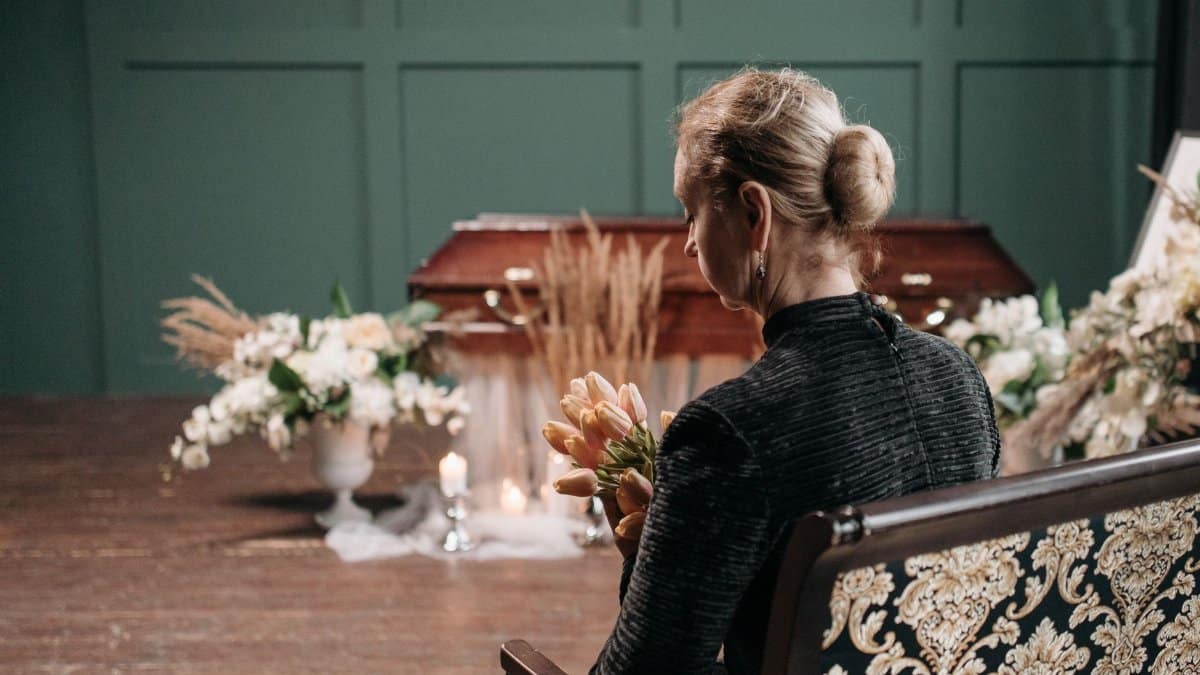
Grief that follows a strained relationship rarely follows the patterns described in popular accounts. People may feel relief alongside sadness or anger that refuses to fade. These responses do not indicate a lack of care. They reflect the true history of the connection and require attention that ordinary advice seldom supplies.
Allowing Contradictory Emotions to Exist
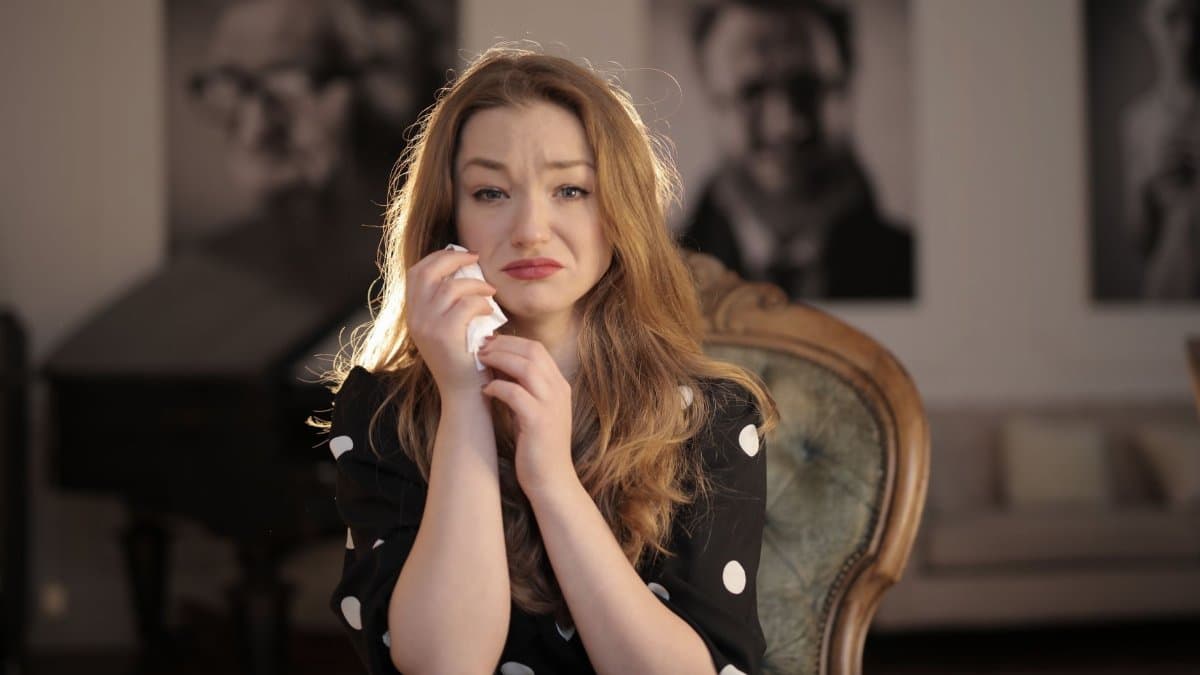
The mind can hold affection and resentment at once. Attempts to suppress one side only prolong distress. Individuals who give space to both sentiments often discover that acceptance grows naturally. This process forms a central part of Complex Grief Healing and prevents emotions from surfacing later in unexpected ways.
Revisiting the Relationship Without Judgment

Quiet reflection on the full arc of the bond can bring clarity. Some choose to write letters that will never be sent or to speak aloud about moments both difficult and tender. The goal remains understanding rather than rewriting history. Over time this practice reduces the power of lingering questions.
Distinguishing Between Grief and Lingering Conflict

Unresolved disputes sometimes masquerade as grief. When arguments continue inside the mind long after death the task shifts toward internal resolution. Techniques such as imagined dialogue or consultation with a neutral third party help separate past friction from present sorrow. This distinction supports steadier progress.
Seeking Guidance From Trained Professionals

Therapists familiar with complicated bereavement provide structure that friends and family may lack. Sessions focus on naming specific emotions and tracing their origins. Research published by the American Psychological Association notes improved outcomes when treatment addresses relational complexity directly. Details appear at apa.org.
Creating Rituals That Match Reality
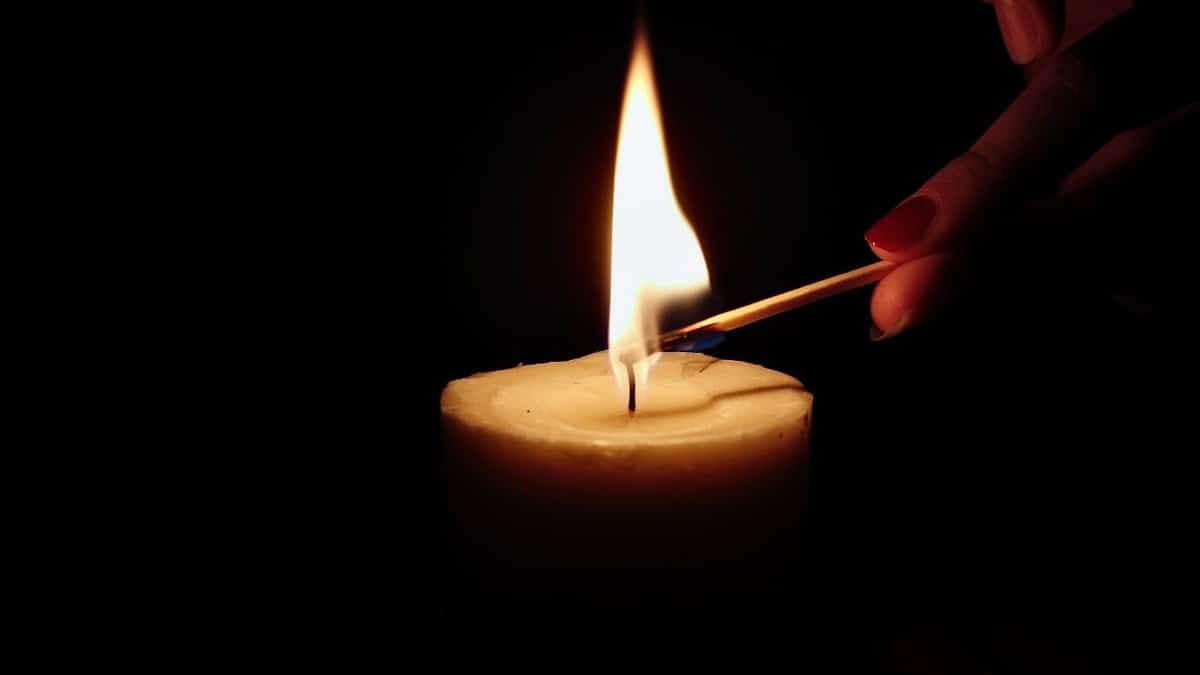
Traditional memorial practices assume uncomplicated love. When that assumption does not hold new forms of remembrance prove useful. Lighting a candle while acknowledging both warmth and friction can validate the actual experience. Such personalized acts advance Complex Grief Healing by aligning outward gestures with inner truth.
Protecting Physical Health During Emotional Strain

Prolonged stress affects sleep appetite and energy. Regular movement and consistent meals supply the body with resources needed for mental work. Medical checkups rule out physical contributors to fatigue. Attention to these basics sustains the stamina required for deeper emotional exploration.
Leaning on Communities That Understand Nuance
Support groups sometimes emphasize only positive memories. Specialized gatherings welcome accounts of mixed legacies. Participants report reduced isolation when others recognize the legitimacy of their full range of feelings. Local hospices and online moderated forums frequently host such circles.
Measuring Progress Beyond Linear Expectations

Healing does not arrive on a predictable schedule. A sudden memory or reminder can reopen questions that seemed settled. Patience with these fluctuations prevents discouragement. Over months the intensity tends to lessen even if complete closure remains elusive.
Extending Compassion to Oneself

Self criticism often accompanies complicated loss. People wonder whether they should have tried harder or forgiven sooner. Replacing that inner voice with measured kindness allows energy to flow toward recovery. This shift marks another steady element of Complex Grief Healing.