

Federal regulators have taken action on a large batch of a common hypertension drug after laboratory tests revealed problems with how quickly the tablets dissolve in the body. The move affects more than eleven thousand bottles distributed across the country and stems directly from concerns outlined in the Blood Pressure Medication Recall FDA notice. Patients who rely on steady daily dosing now face questions about whether their current supply meets standards, prompting many to contact pharmacies or physicians for guidance. The recall centers on a specific lot manufactured by a Texas based firm, where dissolution rates fell below required thresholds during routine verification. Such shortfalls can reduce the medication ability to control blood pressure over a full twenty four hour period.
Details Behind the Affected Product

The recalled items consist of a generic version of a widely prescribed angiotensin receptor blocker. Bottles carry lot number and expiration dates printed on the label, and officials urge anyone holding matching containers to stop use immediately. Pharmacies have been instructed to quarantine remaining stock while the manufacturer works with oversight agencies on corrective steps.
Why Dissolution Rates Matter for Patients

Medication effectiveness depends on consistent absorption into the bloodstream. When tablets fail to break down properly, the active ingredient may not reach therapeutic levels, leaving blood pressure unmanaged. Middle aged adults managing chronic conditions often juggle multiple prescriptions, so any disruption can create ripple effects on overall treatment plans.
Geographic Reach of the Distribution

Although the producer operates in Texas, shipments extended to retail chains and mail order services nationwide. Tracking records show the product reached both urban centers and smaller communities, widening the pool of potentially exposed individuals. State health departments in several regions have begun posting alerts on their public websites.
Manufacturer Response and Next Steps

Company representatives stated they are cooperating fully with investigators and have already halted further production of the implicated lot. Internal reviews are underway to identify any upstream factors that might have contributed to the testing failure. Future batches will undergo enhanced screening before release.
Guidance for Individuals Currently Taking the Drug

Doctors recommend that patients examine their pill bottles at home rather than waiting for a pharmacy notice. Those who discover a match should schedule a prompt consultation to arrange a replacement from an unaffected supplier. Abrupt cessation without medical oversight carries its own risks, so professional advice remains essential.
Comparison With Earlier Pharmaceutical Actions

This episode follows a pattern of similar quality checks across the generic drug sector in recent years. Oversight bodies continue to refine testing protocols to catch issues earlier in the supply chain. The current case differs because it focuses on performance characteristics rather than contamination.
Role of Routine Inspections in Drug Safety
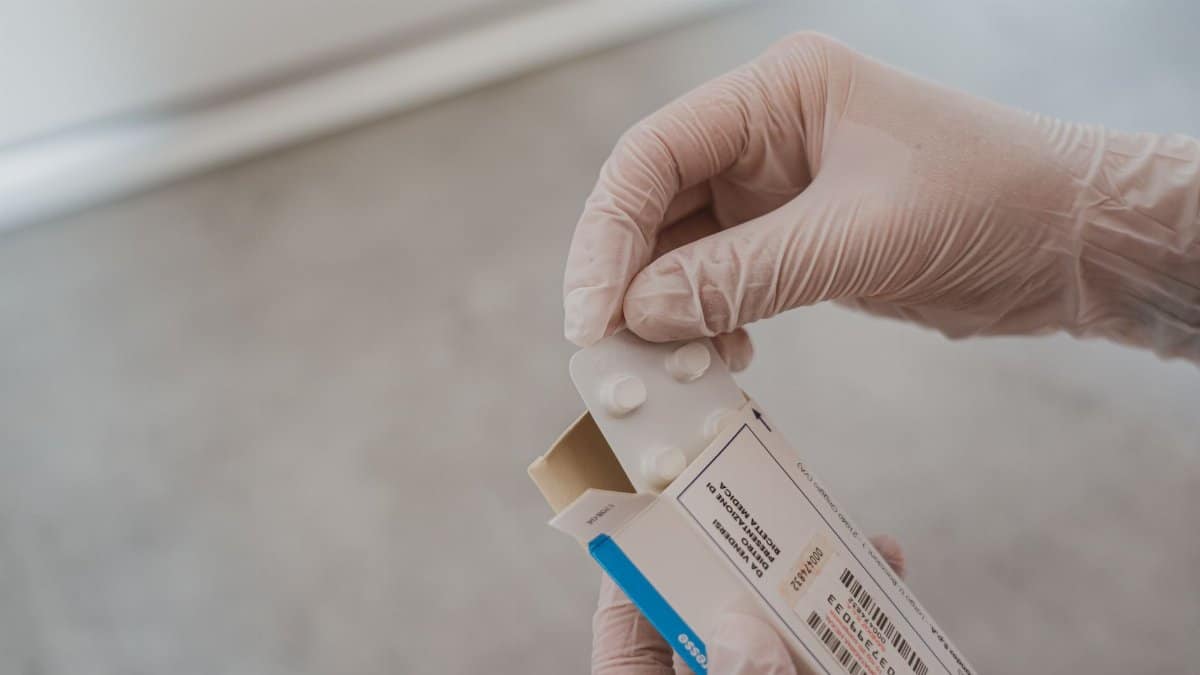
Regular sampling at manufacturing sites helps surface problems before widespread harm occurs. Laboratories measure dissolution under controlled conditions that mimic stomach environments. Results below set limits trigger the recall process, which serves as a safeguard for the public.
Longer Term Implications for Supply Chains

Recalls of this scale can strain inventory levels at community pharmacies, particularly for drugs with limited alternative manufacturers. Wholesalers may accelerate orders from secondary sources while the primary producer resolves its quality concerns. Patients in rural areas sometimes experience longer wait times for substitutes.
Advice From Cardiovascular Specialists

Clinicians stress the value of regular monitoring appointments even when recalls are not involved. Home blood pressure cuffs provide useful data between visits, allowing adjustments if readings trend outside target ranges. Open communication with care teams helps address any sudden changes in medication access.
Public Notification Channels Used

The Food and Drug Administration posted details on its enforcement database and distributed updates through its MedWatch system. News outlets and medical societies amplified the message to reach older adults who may not follow agency announcements directly.
Broader Lessons on Medication Quality

Events like this underscore the importance of vigilance throughout the pharmaceutical lifecycle, from raw material sourcing to final packaging. Both regulators and producers share responsibility for maintaining standards that protect daily health outcomes for millions of users.