

In kitchens across the city, apple cores and vegetable peels from dinner preparations often start an unexpected trek across Southern California. These remnants get collected and driven far beyond urban boundaries for handling, highlighting inefficiencies that have persisted for years. As discussions around Los Angeles Food Waste Sustainability gain momentum, one council member proposes shifting toward nearby facilities to reduce the distance and associated emissions. Residents may not realize how their daily discards connect to broader regional logistics, yet the current system strains resources and delays potential benefits from composting or energy recovery.
Current Hauling Distances and Logistics
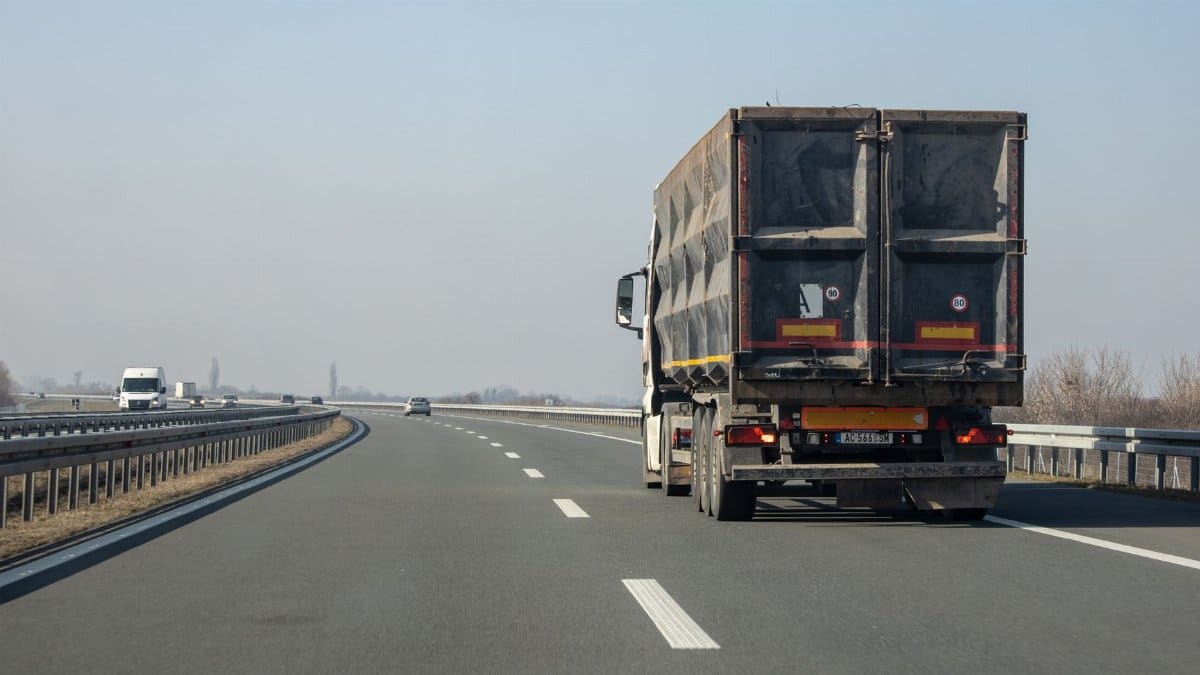
Food scraps collected in Los Angeles typically travel to sites outside the county, sometimes exceeding one hundred miles round trip. Trucks navigate highways daily, burning fuel and contributing to air quality concerns in already busy corridors. This setup stems from limited local infrastructure built decades ago when land seemed abundant and transport costs lower.
Proposal for Decentralized Facilities

A local elected official advocates building smaller processing centers within city limits. Such sites could handle composting and anaerobic digestion closer to collection points, cutting travel needs significantly. Early models suggest these hubs might integrate with existing parks or industrial zones without major disruptions to neighborhoods.
Environmental Benefits of Shorter Routes

Reducing mileage directly lowers greenhouse gas outputs from diesel vehicles. Soil enrichment from local compost could also support urban gardens, closing nutrient loops that currently break during long transports. Water conservation improves too when materials avoid extended exposure during transit.
Community Roles in Waste Reduction
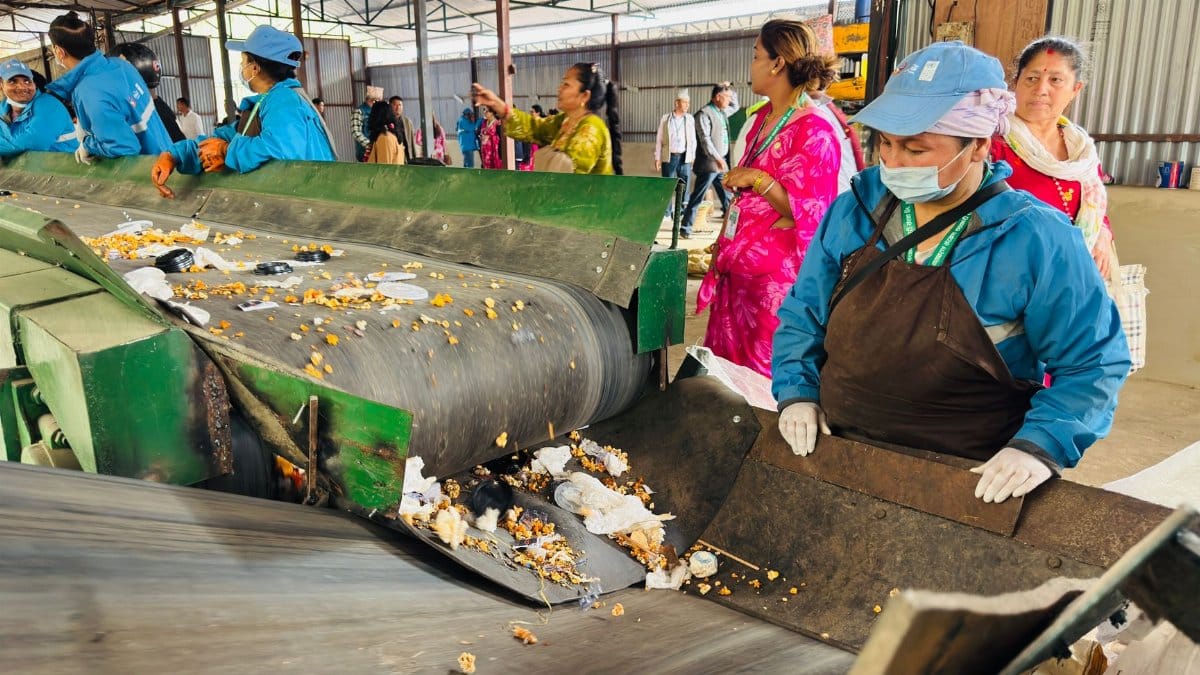
Households and businesses play a part by separating organics more carefully at the source. Educational outreach in schools and markets helps residents see scraps as resources rather than burdens. Neighborhood groups have started pilot programs that demonstrate how collective efforts scale up when paired with convenient drop offs.
Economic Factors and Job Creation
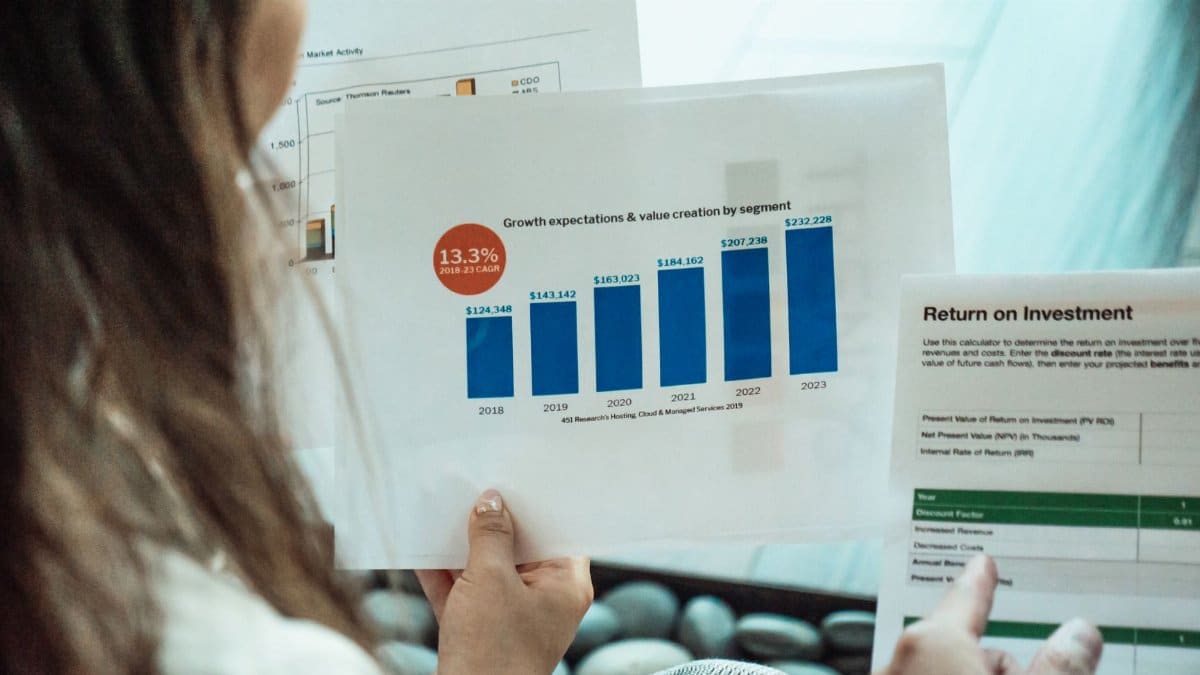
Investing in nearby plants promises new employment in operations and maintenance roles. Savings on fuel and vehicle wear might offset initial construction expenses over time. Local governments could partner with private firms to share risks while ensuring public oversight on pricing and access.
Policy Comparisons with Other Cities
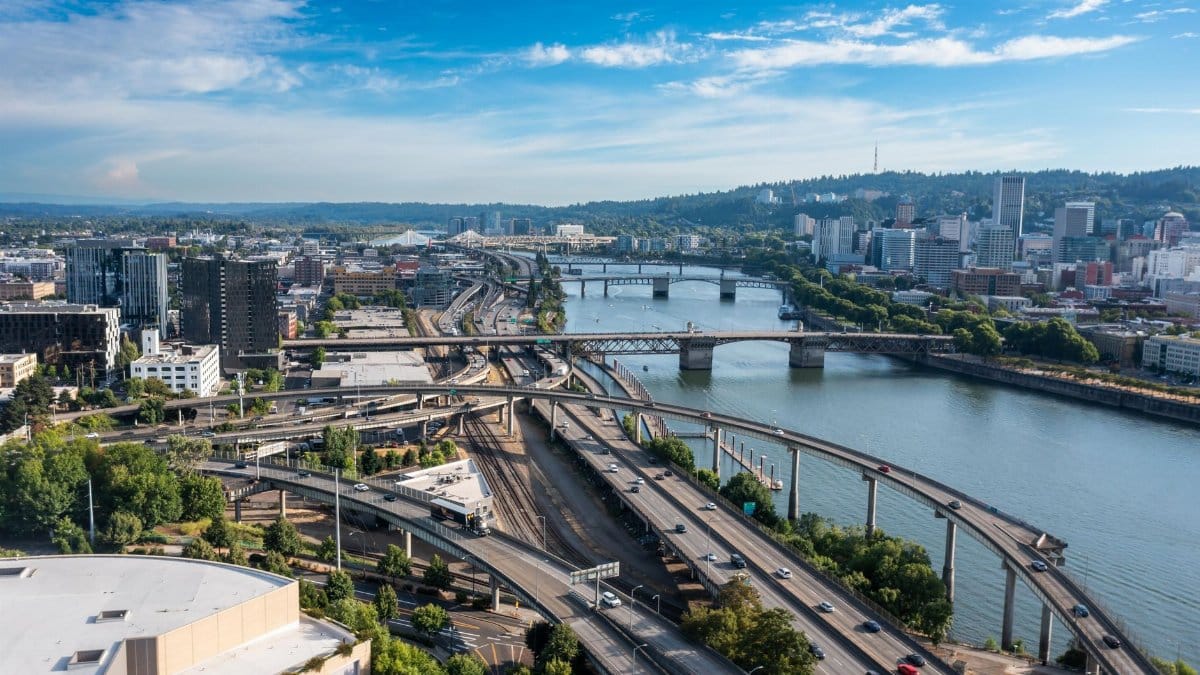
San Francisco and Seattle offer examples where on site processing has matured into reliable systems. Their experiences show measurable drops in landfill use alongside steady community adoption rates. Los Angeles could adapt similar rules while accounting for its larger scale and diverse geography.
Technological Options for Processing
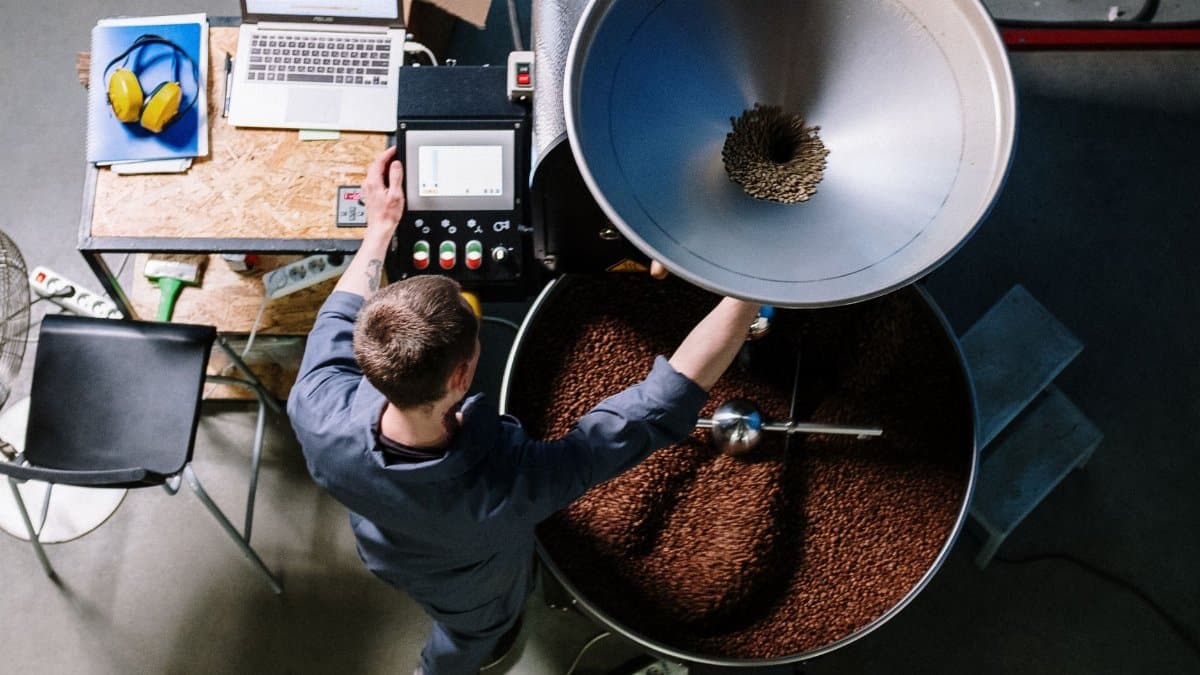
Modern digesters convert waste into biogas that powers nearby buildings or fleets. Sensors and automation allow facilities to operate efficiently even in dense areas. These tools reduce odors and speed turnaround, making integration into residential zones more feasible than older methods allowed.
Challenges in Implementation

Zoning approvals and funding allocations remain hurdles that require careful negotiation among agencies. Public input sessions help address worries about traffic or smells near proposed locations. Phased rollouts starting with high volume districts provide data to refine designs before wider expansion.
Long Term Vision for Urban Sustainability

Widespread adoption of local handling aligns with goals for carbon neutrality by mid century. It also strengthens resilience against supply disruptions that affect distant sites. Continued monitoring and adjustments will determine how effectively Los Angeles Food Waste Sustainability translates into everyday practice across the metro area.