
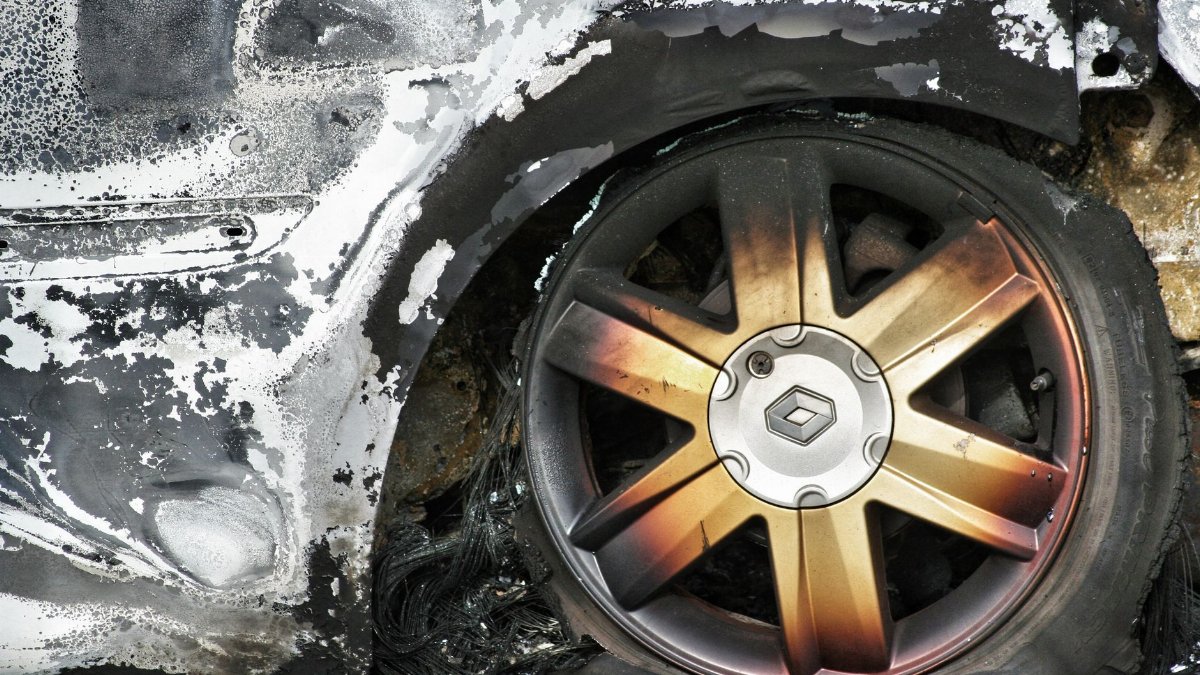
The tire fire that scorched several acres in Houston East End last summer has drawn fresh attention from creditors who say unpaid obligations stem from a PPP fraud case involving the property owner. Local residents watched as flames consumed mountains of discarded rubber and left a pall of smoke over nearby homes for days. Investigators later traced the land to a businessman already facing federal scrutiny over loan applications filed during the pandemic. Lawsuits now piling up in civil court allege that funds obtained through those applications were diverted rather than used to sustain payroll at his tire recycling venture. The episode raises questions about how pandemic relief programs intersect with environmental hazards in working class neighborhoods.
Origins of the East End property dispute
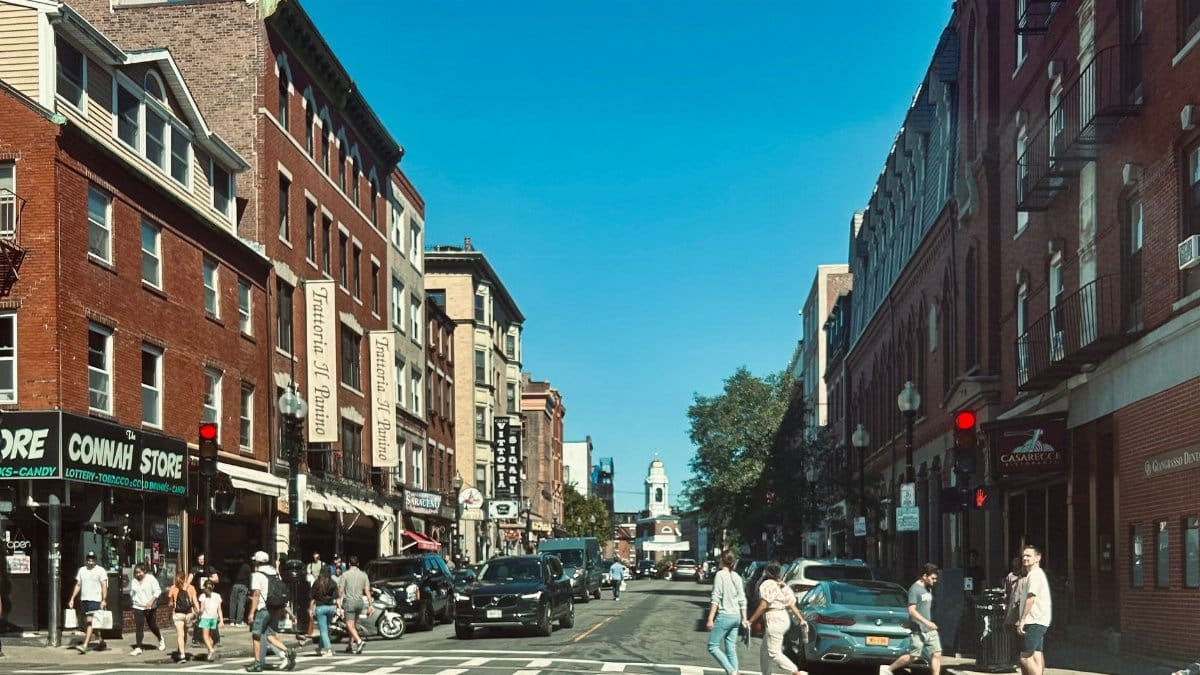
Records show the site along Kellogg Street changed hands multiple times before the blaze. Early owners operated a modest retreading shop that grew into a larger storage yard. Neighbors recall complaints about runoff and odors long before flames appeared. Court filings indicate the current holder secured multiple business loans that later came under review by federal auditors.
How pandemic relief funds entered the picture
Applications submitted in 2020 and 2021 listed dozens of employees at the recycling operation. Prosecutors have argued in related proceedings that many names on the payroll lists could not be verified. The resulting PPP fraud case has prompted banks to pursue repayment of principal plus interest through civil channels.
Debt claims surface after the fire
Once the smoke cleared, suppliers and lenders filed liens against the scorched parcel. Some argue that assets tied to the PPP fraud case should be liquidated to cover outstanding balances. Others seek environmental cleanup costs they claim should fall on the same individual.
Environmental regulators step into the fray
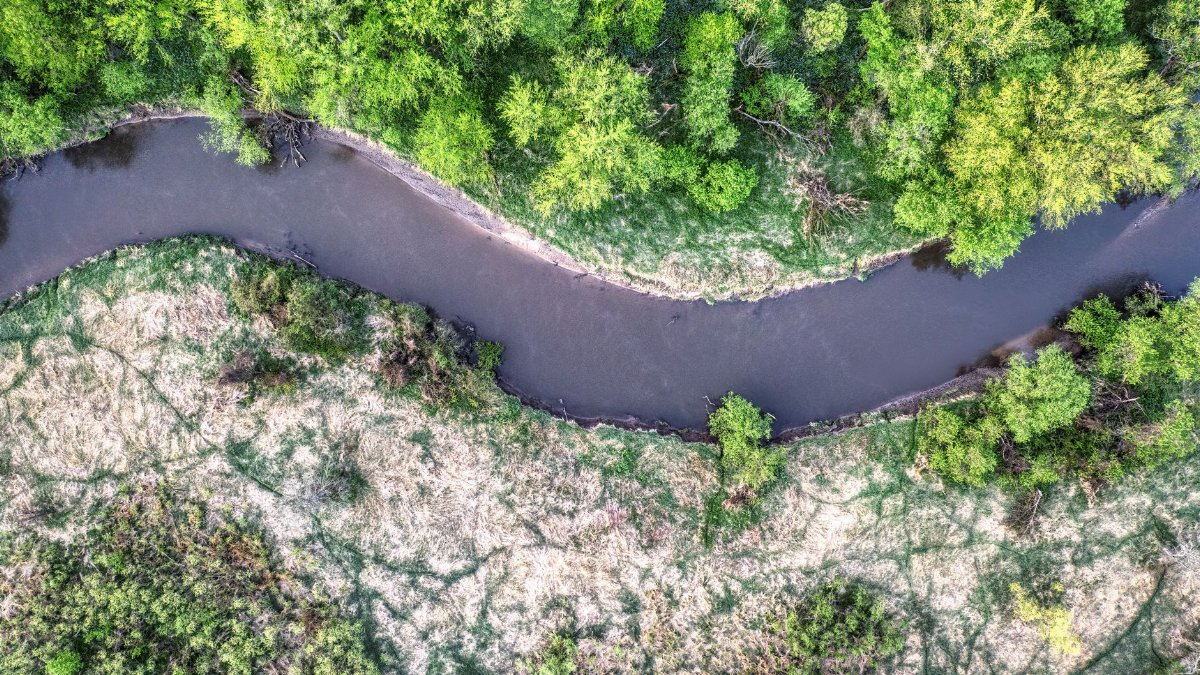
State inspectors documented hazardous materials left exposed after the fire. Soil samples revealed elevated levels of heavy metals common in tire ash. Officials have yet to determine whether federal relief money was meant to address such risks or whether it was spent elsewhere.
Community residents voice ongoing concerns
Families living within a mile of the site describe persistent health worries and declining property values. Several have joined class complaints that cite both the physical damage from smoke and the financial fallout from unresolved debt tied to the PPP fraud case. Public meetings have drawn steady crowds seeking clearer answers.
Legal strategies unfolding in civil court

Attorneys for the creditors are attempting to pierce corporate veils to reach personal holdings. Defense counsel counters that separate entities handled the loans and the land. Judges have scheduled preliminary hearings to sort ownership questions before addressing the core allegations of the PPP fraud case.
Broader implications for small business oversight

Analysts note that rapid distribution of pandemic aid left gaps in verification. Similar situations in other cities have led to tightened reporting rules. Houston officials now review whether additional safeguards could prevent future mixing of relief funds with properties that carry environmental liabilities.
Possible paths toward site remediation
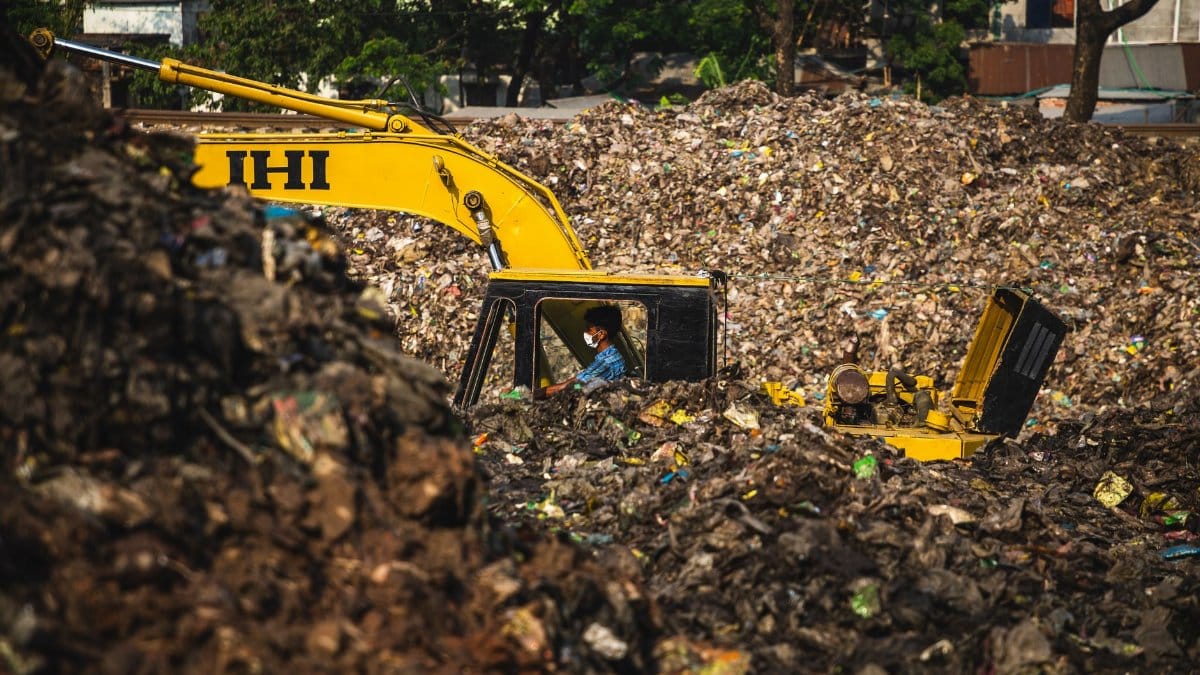
City planners have floated ideas for converting the parcel into green space once debts are settled. Funding could come from settlements linked to the PPP fraud case or from new grants aimed at brownfield restoration. Residents remain skeptical until concrete timelines emerge.
Lessons for future disaster preparedness
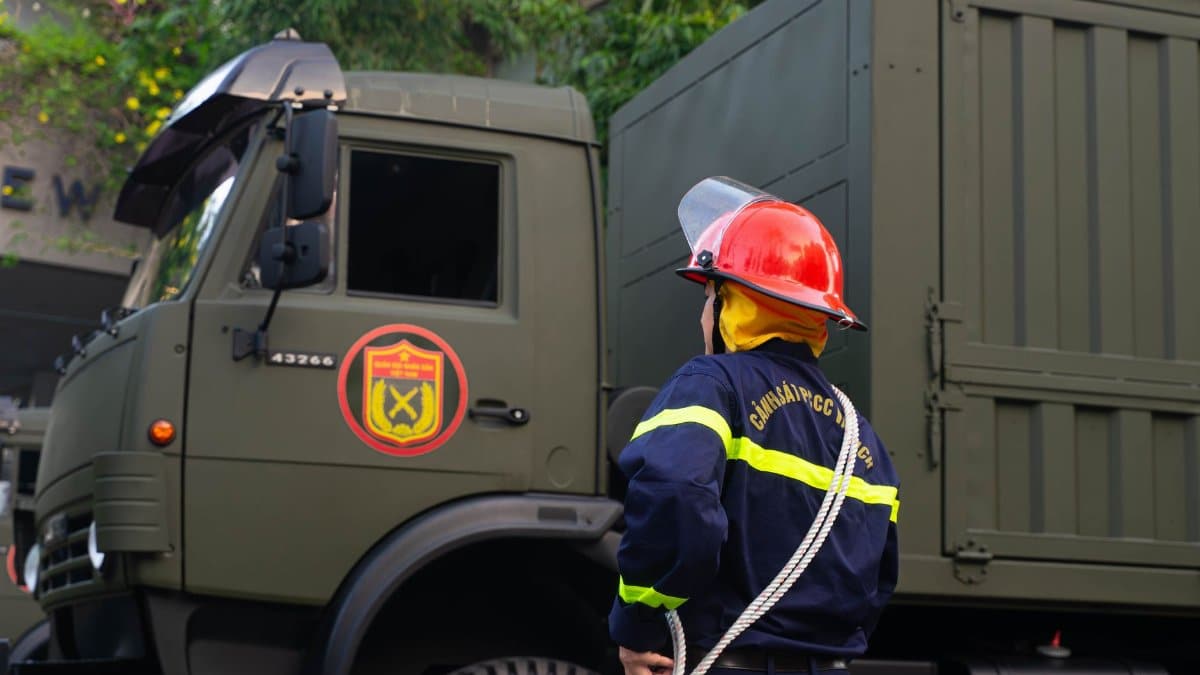
Emergency responders have studied the tire fire response to improve coordination with environmental agencies. Better mapping of high risk storage sites might allow quicker intervention. The episode also highlights how financial misconduct can compound physical hazards in dense urban zones.