
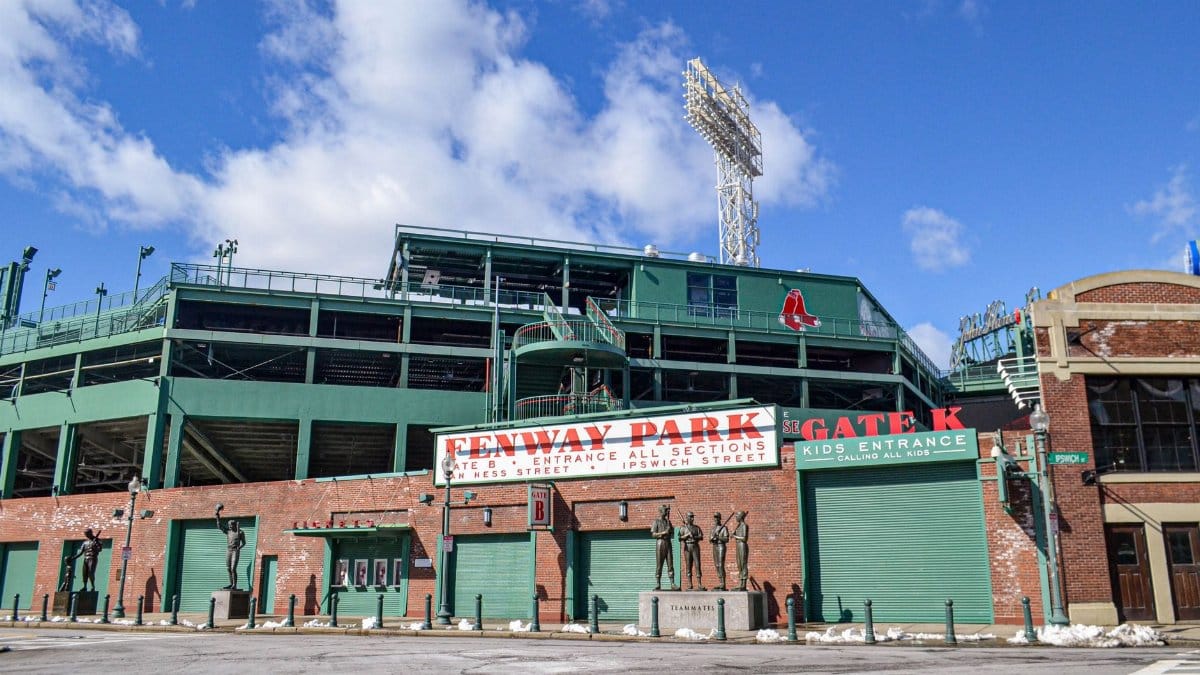
Federal authorities recently shared an image of a beloved Boston landmark on their social media channels. This action by the Fenway Park DHS has prompted widespread conversation about the choice of subject and what it conveys to the public. Observers note that such posts can carry multiple layers of meaning especially when they feature places tied to national pastimes and community gatherings. The image shows the stadium under clear skies with empty stands suggesting a moment of reflection rather than celebration. Many viewers expressed surprise at the selection given the current climate of public discourse around security and national identity. Discussions have spread quickly highlighting divisions in how Americans interpret official communications.
The Context Behind the Federal Post
The Department of Homeland Security maintains active accounts across major platforms to share updates on safety and preparedness. In this instance the post featured Fenway Park without additional commentary leaving room for varied readings. Agency representatives later described the choice as an effort to connect with everyday American experiences in a city known for its sports heritage. Critics countered that the absence of explanation allowed assumptions to fill the gap and turn a simple picture into something more charged.
Reactions from Boston Residents
Local voices responded with a mix of curiosity and concern. Some longtime fans viewed the image as a nod to resilience in a place that has hosted generations of shared moments. Others questioned whether an agency focused on threats should highlight a venue associated with leisure and crowds. Community forums filled with comments ranging from appreciation for the visual appeal to unease about potential undertones in the timing of the release.
Symbolism in the Chosen Location

Fenway Park stands as more than a sports facility. It represents continuity and collective memory for many in New England and beyond. Selecting this site for an official federal image invited analysis of how government entities draw on cultural touchstones. The empty seats in the photo struck some as evoking solitude while others saw an open invitation to reflect on unity during uncertain periods.
Political Interpretations Emerging

Commentators across the spectrum weighed in on possible motives. Progressive outlets suggested the post might soften perceptions of enforcement agencies by linking them to beloved public spaces. Conservative voices argued it underscored vigilance even in settings of recreation. Such contrasting takes illustrate how a single image can fuel ongoing debates about the role of federal messaging in daily life.
Media Coverage and Amplification

National outlets quickly picked up the story after initial shares gained traction online. Reports examined past instances where government accounts used landmarks to convey broader themes. Analysts pointed to the rapid spread as evidence of how visual content travels farther than text alone. The original Boston Globe piece provided early details that shaped subsequent narratives in other publications.
Historical Role of the Stadium
Built more than a century ago the ballpark has witnessed pivotal events in American culture from championship victories to moments of national mourning. Its distinctive features like the Green Monster have made it instantly recognizable worldwide. Placing it in a federal post revives questions about how historic sites intersect with contemporary security concerns and public trust.
Implications for Government Communication

This episode highlights challenges agencies face when engaging audiences through imagery. Clear context often prevents misreadings yet brevity on social media can work against that goal. Experts in public affairs recommend pairing visuals with short explanations to guide interpretation. The Fenway Park DHS example may serve as a case study for refining future approaches.
Broader Cultural Resonance

Places like Fenway Park hold emotional weight that extends past game days. They function as anchors for regional identity and shared rituals. When federal channels feature them the intersection of official duty and popular culture becomes visible. Observers suggest ongoing dialogue about such choices could strengthen understanding between institutions and the people they serve.