

In the competitive arena of autonomous transportation a significant disagreement has surfaced between prominent technology firms pursuing driverless mobility solutions. This development known as the Waymo Uber rift underscores the fragility of alliances in an industry where innovation races ahead of regulatory frameworks and market demands. Observers note that such tensions could delay broader adoption of these vehicles while investors scrutinize the fallout for stock valuations and future strategies.
Roots of Tension in Technology Collaborations

The Waymo Uber rift traces back to differing visions on how to scale autonomous fleets in urban environments. Companies involved sought shared resources yet clashed over data ownership and operational control. This friction mirrors broader patterns where partnerships dissolve when one side perceives unequal benefits from joint research efforts.
Impact on Market Positions for Ride Services

Uber faces particular pressure as its plans for expanded driverless offerings encounter setbacks from the Waymo Uber rift. Analysts suggest this could slow revenue growth in key cities where testing had advanced. Competitors stand ready to fill gaps left by any prolonged uncertainty in Uber timelines.
Regulatory Hurdles Facing Autonomous Fleets

Government bodies continue to refine rules for testing and deployment of these vehicles amid concerns over safety and liability. The Waymo Uber rift adds complexity as officials weigh whether fractured alliances hinder or help public oversight. Cities like San Francisco and Phoenix serve as testing grounds where policy evolves alongside technology.
Investor Reactions and Stock Volatility

Financial markets responded with caution to news of the Waymo Uber rift sending shares of involved companies into fluctuations. Portfolio managers adjusted holdings based on revised projections for profitability in the robotaxi sector. Long term forecasts now incorporate higher risks associated with partnership breakdowns.
Technological Challenges in Scaling Operations

Developing reliable mapping systems and sensor arrays remains a core obstacle for firms in this space. The Waymo Uber rift exposed gaps in how data from real world miles gets shared or protected between entities. Engineers must now navigate these issues independently or seek new alliances.
Future Prospects for Driverless Mobility
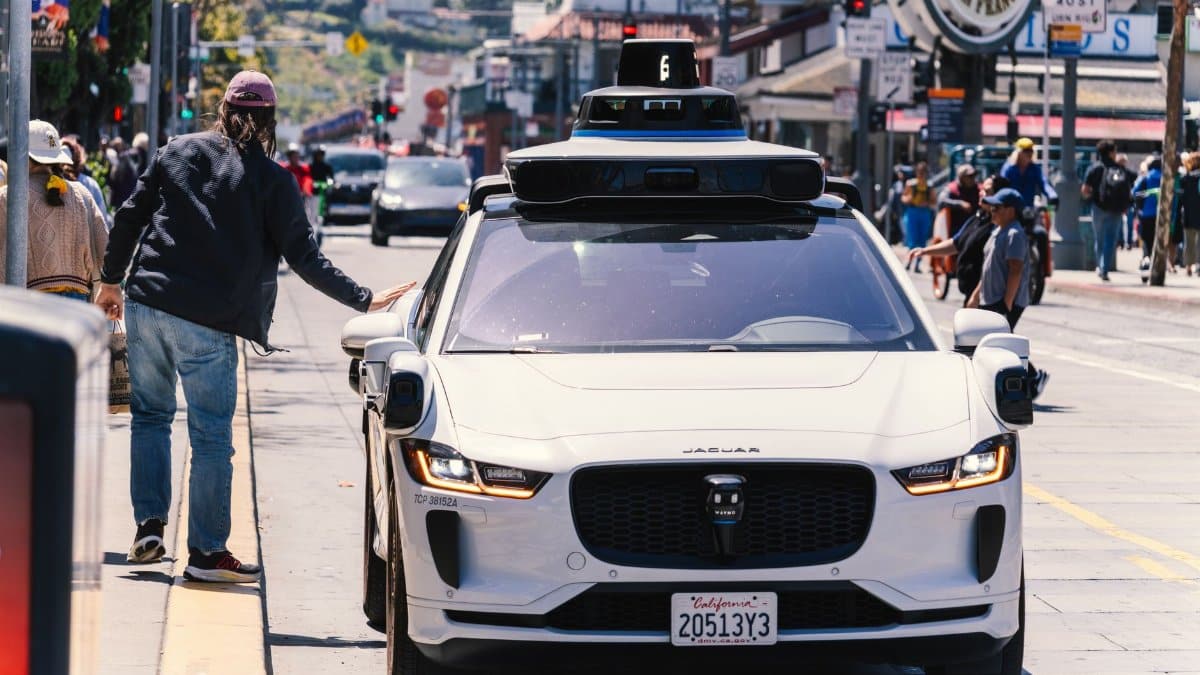
Despite current strains experts anticipate eventual consolidation in the autonomous vehicle market. The Waymo Uber rift may serve as a cautionary example prompting more cautious agreements in coming years. Success will depend on aligning incentives around safety standards and cost efficiencies.
Broader Industry Implications Beyond Major Players

Smaller startups watch closely as the Waymo Uber rift unfolds potentially opening doors for niche innovators. Supply chain providers for lidar and software tools could see shifted demand patterns. Overall the episode highlights how quickly momentum can shift in high stakes technology races.