

In the heart of a city founded on ideals of liberty and shared purpose, many residents now confront the reality that access to quality schooling and financial stability remains uneven across neighborhoods. A recent survey known as the Philly equity poll captured these tensions with striking clarity, showing widespread willingness among Philadelphians to back bold steps toward greater fairness. The findings point to a public ready to reconsider longstanding patterns in education funding and asset distribution, framing these issues as central to the community future.
Roots of Uneven Opportunity in Philadelphia
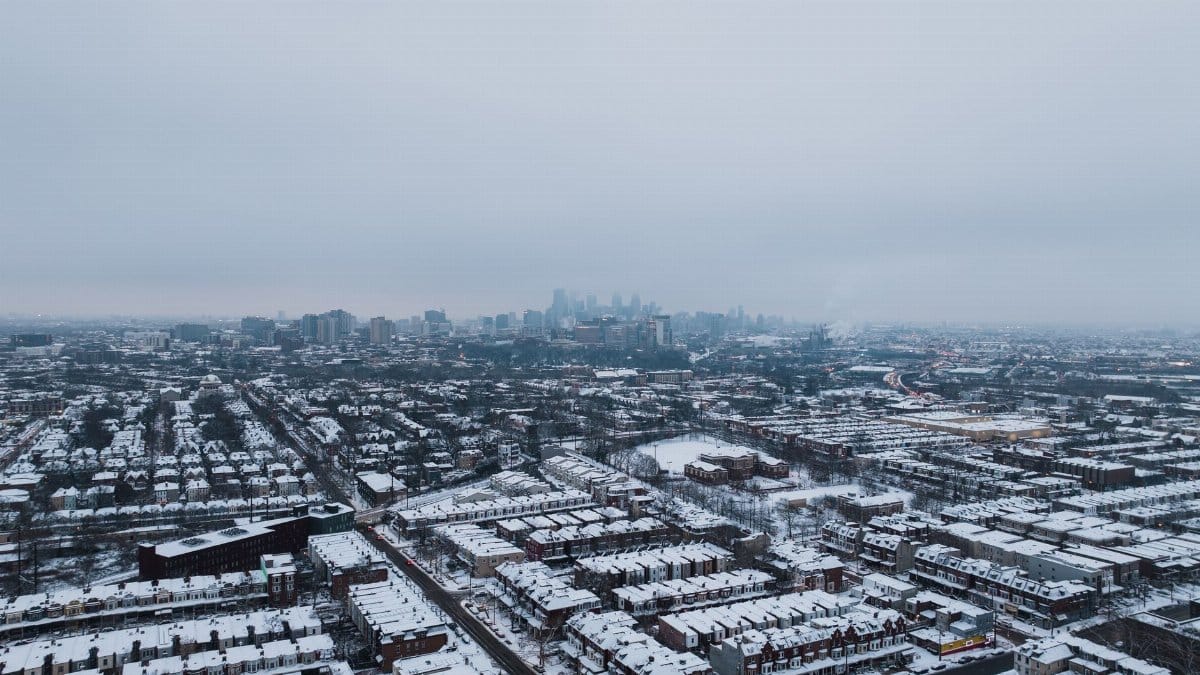
Philadelphia history includes waves of growth alongside persistent splits in resources between districts. Families in some areas enjoy well funded schools while others manage with outdated facilities and fewer programs. The poll highlights how these patterns shape daily life for children and adults alike, influencing everything from job prospects to home ownership rates. Residents express frustration that such gaps continue despite decades of discussion and partial reforms.
Survey Details and Participant Views
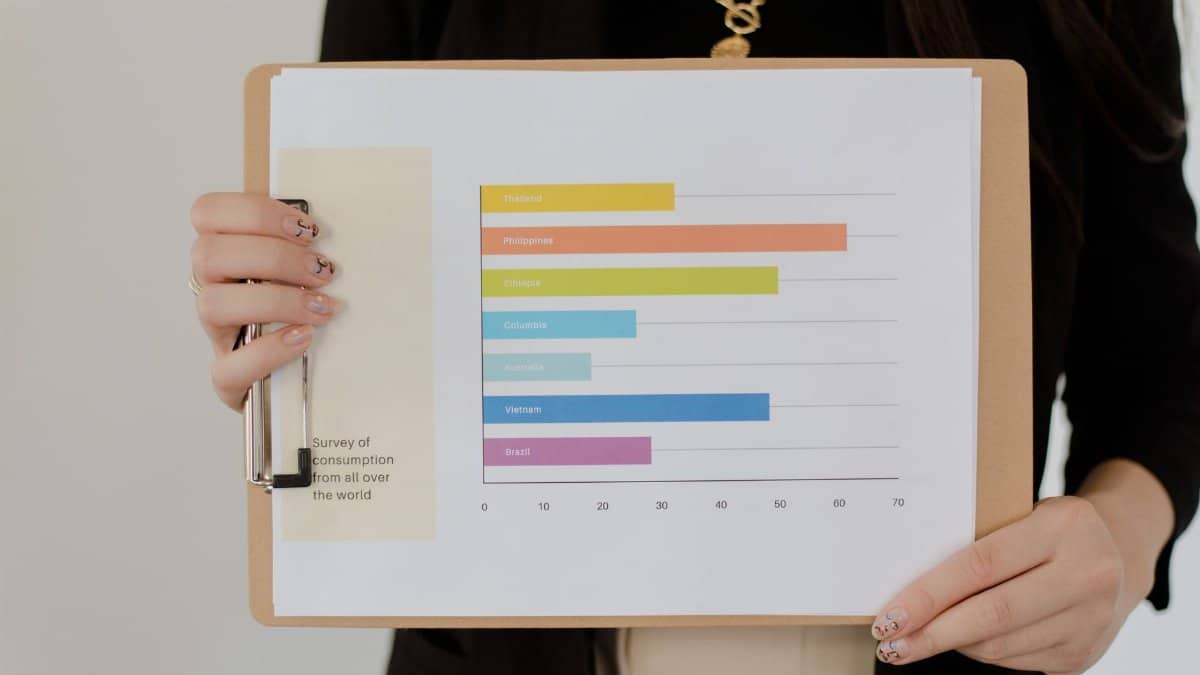
The Philly equity poll gathered responses from a broad cross section of the city population, focusing on attitudes toward closing gaps in learning and wealth. Participants voiced support for stronger public investment in early education and community colleges as pathways to stability. Many described personal experiences with limited options, underscoring a collective sense that current systems favor certain groups over others.
Support for Major Policy Shifts
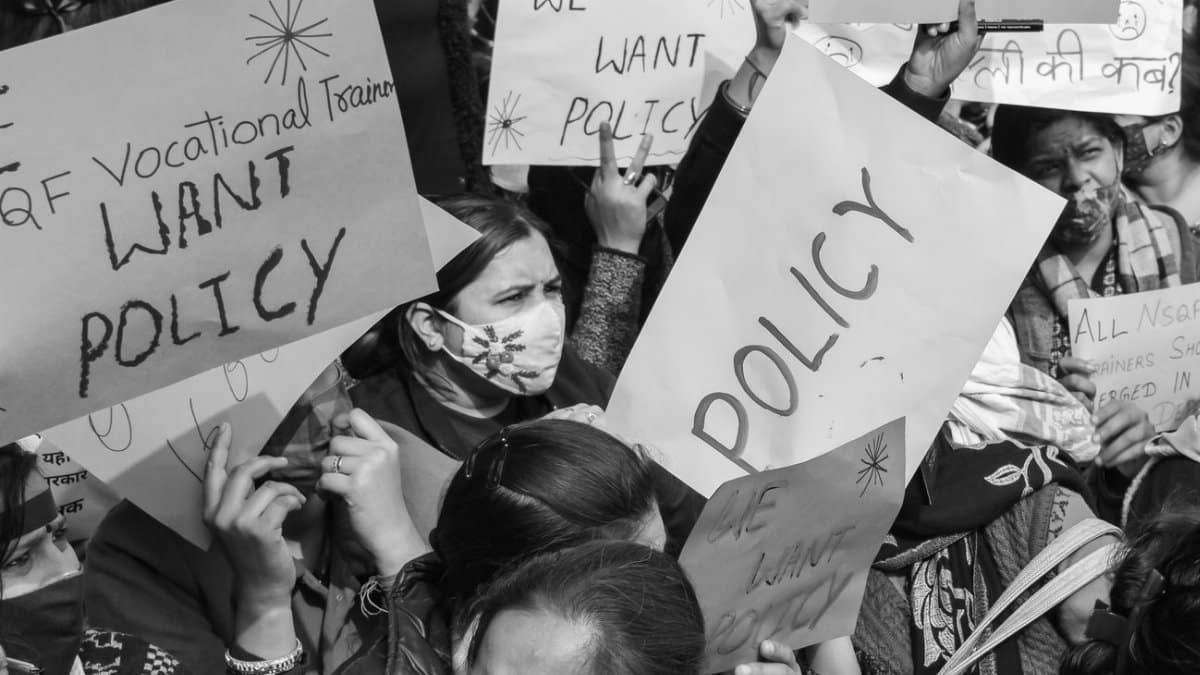
Respondents indicated openness to significant changes, including revised tax structures aimed at redistributing resources more evenly. The data suggests Philadelphians see these moves as necessary rather than extreme, with majorities favoring action on both school quality and wealth building tools like savings programs. This stance reflects a broader desire for practical solutions that address root causes instead of surface symptoms.
Moral Dimensions of Equity Efforts
Discussions around fairness often touch on ethical questions about community responsibility and shared humanity. In this light the poll results align with trends in spiritual thinking that emphasize care for the vulnerable and pursuit of justice as core values. Local faith leaders have noted rising interest in how policy can reflect principles of compassion and balance, turning abstract ideals into concrete community practices.
Impact on Families and Future Generations

Gaps in education and wealth create ripple effects that last across lifetimes, from limited college access to reduced ability to pass on assets. The Philly equity poll reveals concern among parents who worry their children will face the same barriers they did. Addressing these issues could foster stronger family units and more resilient neighborhoods over time.
Challenges in Implementing Change
Translating poll support into action involves navigating political and administrative hurdles. City leaders must balance competing priorities while building consensus across diverse groups. The findings suggest residents understand these complexities yet remain committed to progress, viewing incremental steps as insufficient for the scale of the divides involved.
Comparisons With National Trends
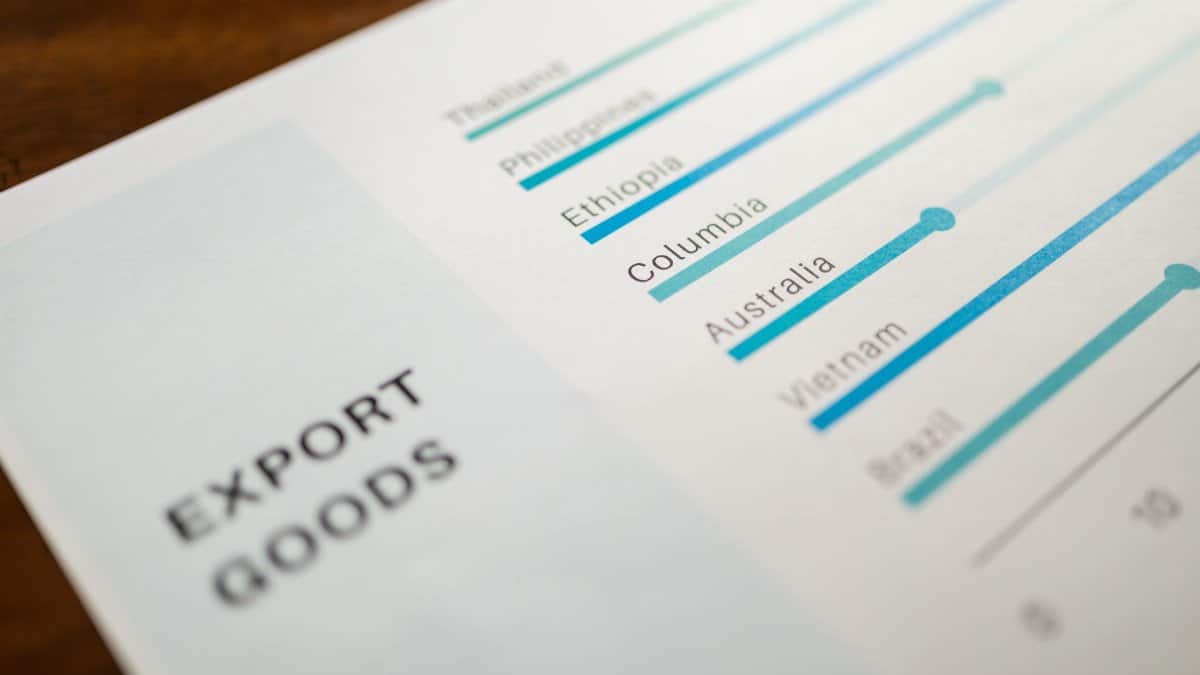
Philadelphia attitudes mirror patterns seen in other urban centers where similar surveys show demand for equity focused policies. Yet local history adds unique layers, from industrial legacies to recent migration shifts. The Philly equity poll positions the city as a case study in how residents weigh tradition against the need for renewal in opportunity structures.
Paths Forward for Community Leaders

Advocates and officials can draw from the poll to shape initiatives that expand access to training and financial tools. Partnerships between schools, businesses and civic groups appear promising based on respondent feedback. Sustained attention to these areas may help align daily realities with the aspirational spirit that has long defined the city.