

When a man first holds his newborn child the world seems to tilt on its axis in ways that no amount of preparation can predict. This profound transformation reaches deep into the neural pathways reshaping how fathers perceive risk connection and purpose. Researchers have begun mapping these changes under the term Fatherhood Brain revealing a remarkable capacity for adaptation that extends well beyond the early months of parenting.
Heightened Sensitivity to Infant Signals

Fathers often report an almost instinctive alertness to the slightest sounds or movements from their children. Brain imaging studies show increased activity in areas linked to auditory processing and attention. This adjustment helps men respond quickly during moments of need fostering a protective bond that strengthens over time.
Expansion of Empathic Networks
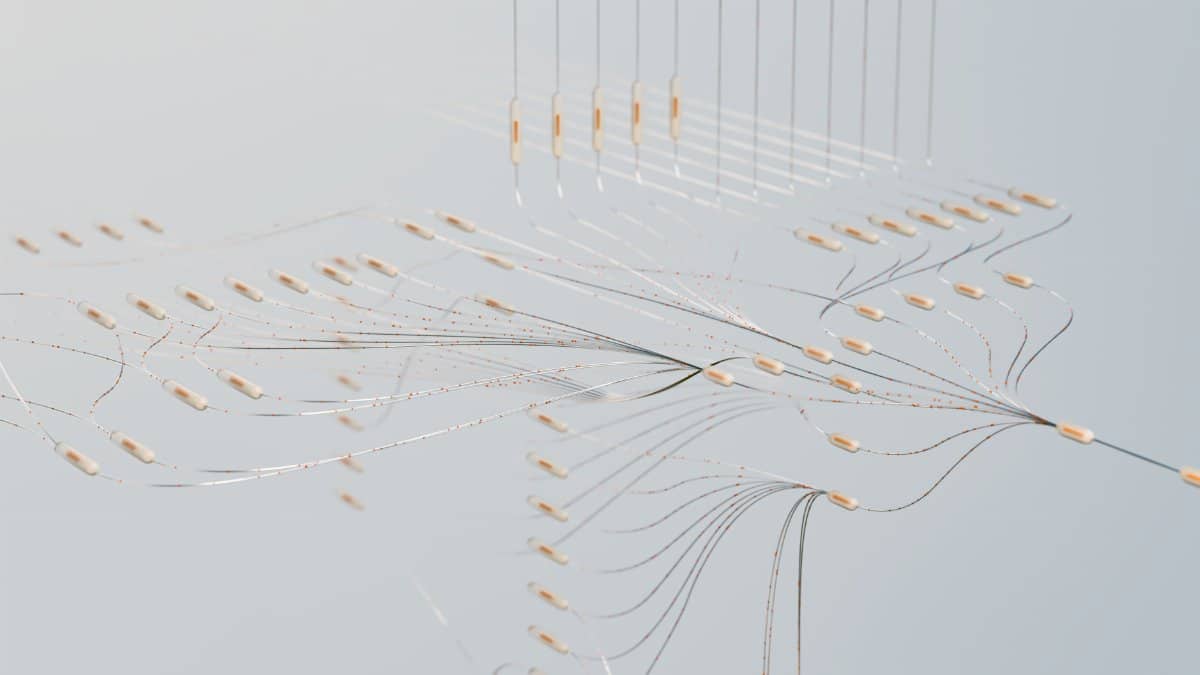
The capacity to sense another persons emotions grows notably after becoming a parent. Regions associated with understanding facial expressions and vocal tones become more engaged allowing fathers to anticipate distress or joy with greater accuracy. Such neural tuning supports steady emotional availability through the challenges of raising children.
Refined Risk Assessment Mechanisms

Everyday decisions take on new weight once a child enters the picture. The brain recalibrates its approach to danger placing higher value on long term safety rather than immediate thrills. This shift appears in scans as altered responses within the prefrontal cortex promoting choices that prioritize family stability.
Strengthened Reward Pathways Tied to Caregiving

Simple acts like reading a bedtime story or playing on the floor activate pleasure centers more intensely than before. The Fatherhood Brain seems to link these routine interactions with deeper satisfaction encouraging consistent involvement. Over months and years this reinforcement builds habits that sustain close relationships.
Adjustments in Stress Regulation

Cortisol responses evolve as men adapt to the demands of parenthood. While initial stress levels may rise the brain develops more efficient ways to recover promoting resilience. Fathers often find they handle pressure differently drawing on new reserves of patience learned through daily practice.
Enhanced Memory for Personal Details

Recalling a childs favorite color or a shared joke becomes second nature. Neural structures involved in autobiographical memory show greater connectivity supporting the accumulation of family stories. This capacity helps preserve meaningful moments that might otherwise fade.
Broader Sense of Identity Integration

The self concept expands to include the role of guide and provider. This integration influences motivation and future planning as the Fatherhood Brain aligns personal goals with the wellbeing of the next generation. Men frequently describe a clearer sense of legacy emerging from these internal realignments.
Implications for Lifelong Development

These brain modifications do not fade after the toddler years. Instead they lay groundwork for continued growth in compassion and focus that carries into later stages of life. Continued engagement with children reinforces the pathways keeping them active and responsive.
Supporting Evidence from Recent Research

Studies available at https://greatergood.berkeley.edu/article/item/seven_ways_fatherhood_rewired_my_brain document structural changes in gray matter volume among new fathers. The findings align with observations from multiple labs emphasizing neuroplasticity across adulthood. Such evidence underscores the dynamic nature of the Fatherhood Brain when nurtured through active participation.
Practical Steps to Encourage Positive Change

Regular physical contact skin to skin time and shared routines accelerate the neural adaptations described above. Setting aside uninterrupted moments for conversation also strengthens the connections formed during early parenthood. Communities that value involved fathers contribute to environments where these benefits can flourish.