
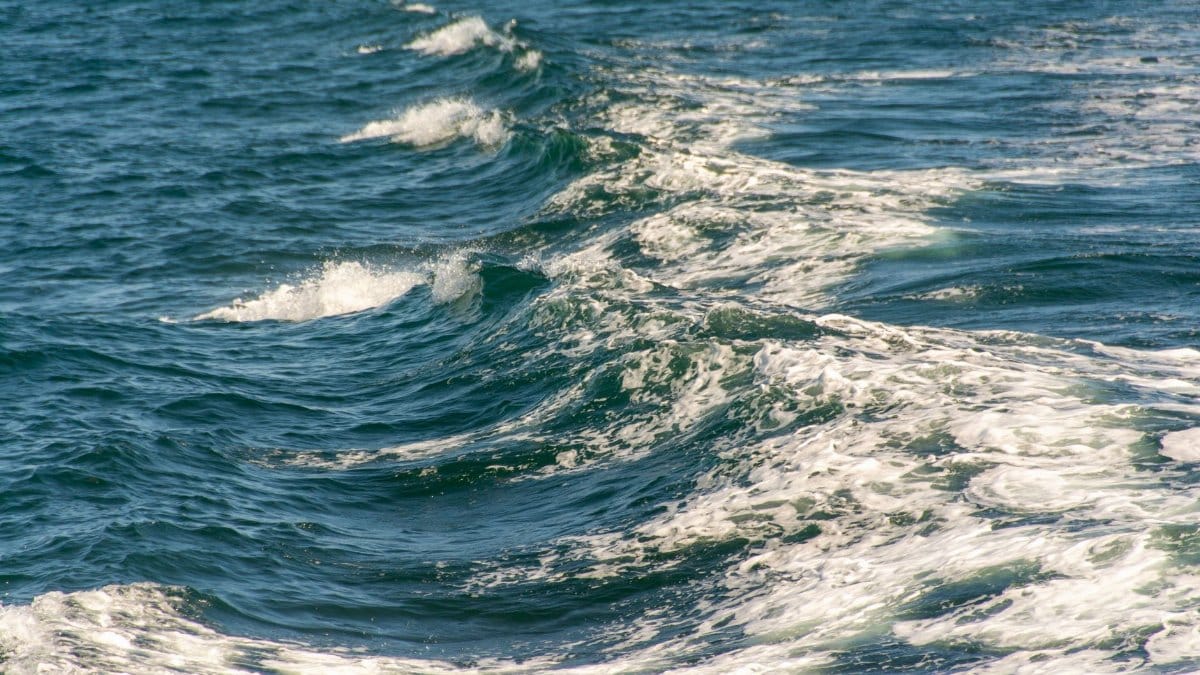
The morning light catches the crest of a Pacific wave just as a lone surfer drops in, paddle forgotten in the rush of motion. Time seems to stretch and compress at once, leaving only the board beneath, the water ahead, and an effortless sense of control. This is the heart of Surfing Flow, a phenomenon that blends physical skill with deep mental immersion and draws interest from psychologists and athletes alike.
The Roots of Immersion in Ocean Sports
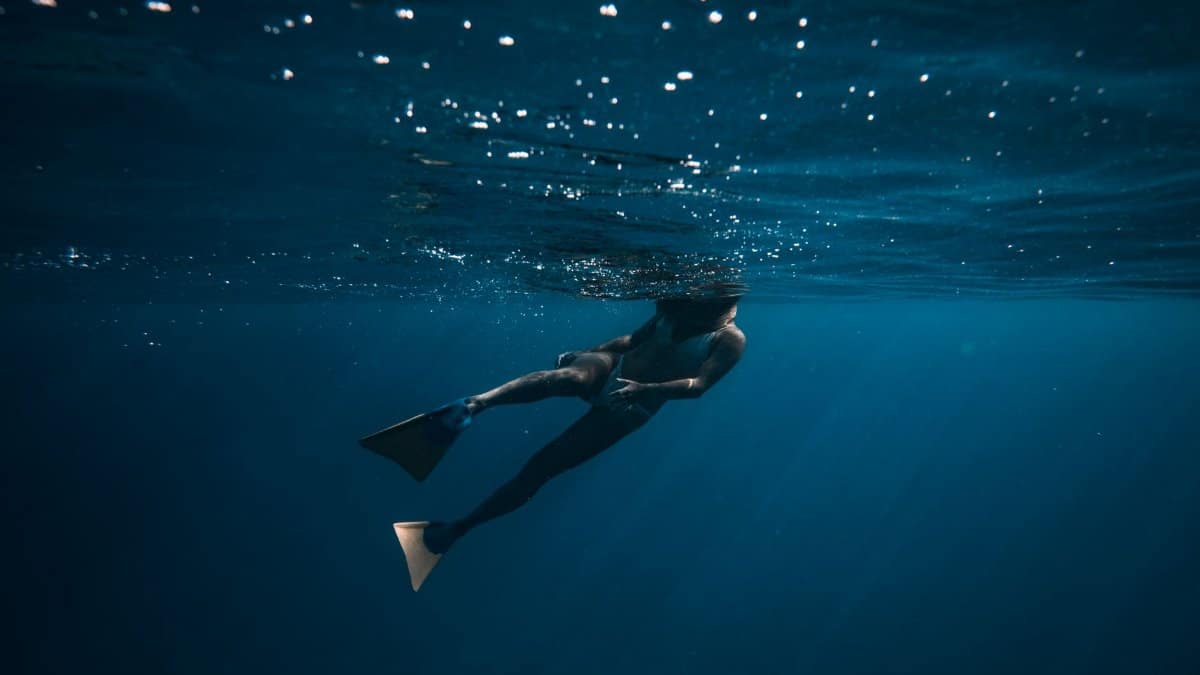
Surfing has long offered more than sport. Riders describe moments when the boundary between self and sea fades, producing a clarity that lingers long after the session ends. Researchers tracking brain activity during such experiences note reduced activity in areas linked to self-criticism, replaced by heightened focus on immediate sensory input. The result feels less like effort and more like alignment with the environment.
How Physical Motion Shapes Mental Clarity
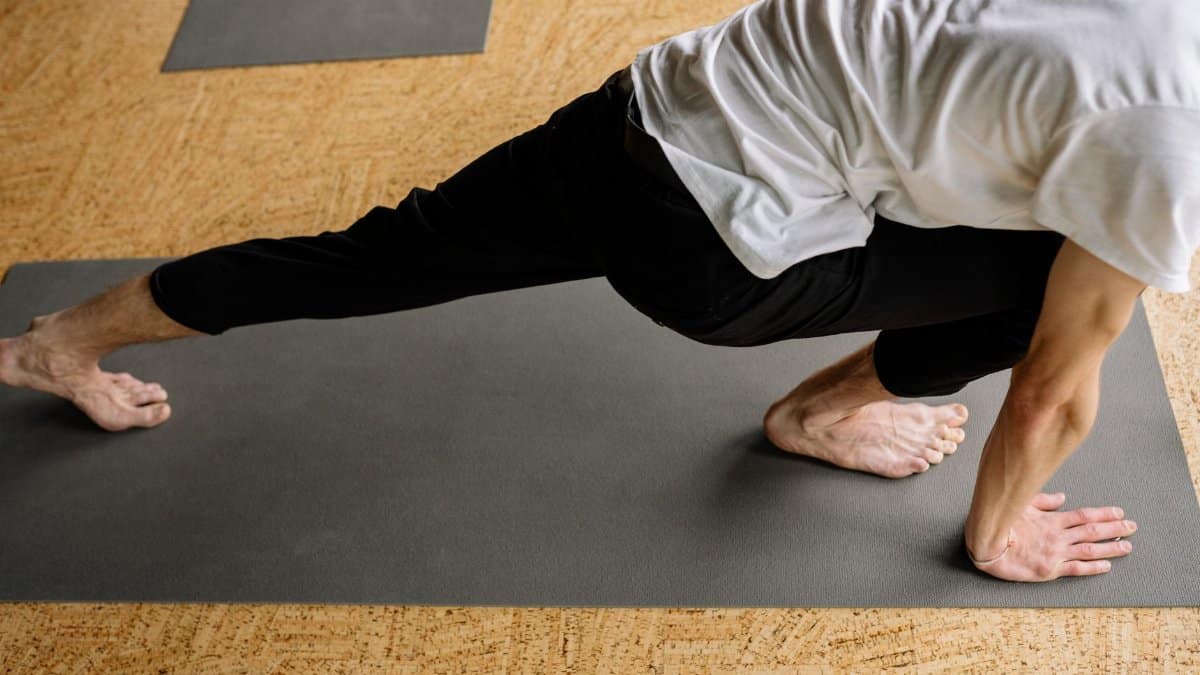
Balance on a moving wave demands constant micro adjustments that occupy the body while freeing the mind. This division of attention mirrors conditions identified in studies of optimal performance, where routine actions become automatic and higher cognition turns to strategy or presence. Over repeated sessions the pattern strengthens, allowing surfers to enter the state with greater consistency.
Lessons from Coastal Communities

Along stretches of California and Hawaii, local groups treat regular time in the water as essential maintenance rather than recreation. Older participants often report that decades of practice have sharpened their ability to stay present during other demanding tasks, from work meetings to family decisions. The ocean serves as both gymnasium and classroom for sustained attention.
Comparing Flow Across Different Pursuits

While musicians speak of losing themselves in performance and writers describe hours passing unnoticed at the keyboard, surfing supplies an added layer of environmental unpredictability. Each wave arrives with its own timing and shape, forcing adaptation that can accelerate entry into the desired mental state. The variability appears to keep the experience fresh even for veterans.
Practical Steps for Newer Participants

Those seeking similar benefits need not chase large surf immediately. Consistent practice in smaller conditions builds the physical vocabulary required for deeper sessions. Instructors emphasize breath control and visual focus on the horizon as early tools that translate into steadier rides and quicker recovery from mistakes.
Psychological Research on Water Based Activities

University teams studying extreme sports have begun including surfing in controlled trials. Preliminary findings suggest participants exhibit lower baseline cortisol after regular exposure compared with matched control groups. The combination of rhythmic paddling and brief, intense rides may produce a reset effect similar to meditation yet achieved through motion rather than stillness.
Extending the Experience Beyond the Beach

Many riders notice carryover effects during ordinary routines. A tendency to pause before reacting, or to notice subtle environmental cues, surfaces in traffic or conversations. Surfing Flow thus functions less as an isolated event and more as training for everyday resilience, provided the practitioner maintains regular contact with the water.
Potential Limits and Individual Differences
Not every session produces the sought after immersion. Fatigue, crowded lineups, or shifting weather can interrupt the process. Experienced surfers learn to treat these disruptions as data rather than failure, adjusting expectations and sometimes choosing to observe rather than participate on certain days.
Broader Cultural Interest in Natural Flow States

Popular writing on peak performance increasingly references outdoor activities as accessible entry points. Surfing receives particular attention because it combines solitude with community, risk with repetition, and measurable progress with moments that resist quantification. This balance appeals to readers seeking alternatives to gym based or digital approaches to mindfulness.
Future Questions for Continued Exploration

Longitudinal studies could clarify whether sustained engagement with surfing produces lasting changes in attention span or emotional regulation. Early anecdotal evidence points in that direction, yet controlled data remain limited. As interest grows, clearer protocols may emerge for integrating elements of Surfing Flow into therapeutic or corporate wellness programs.