
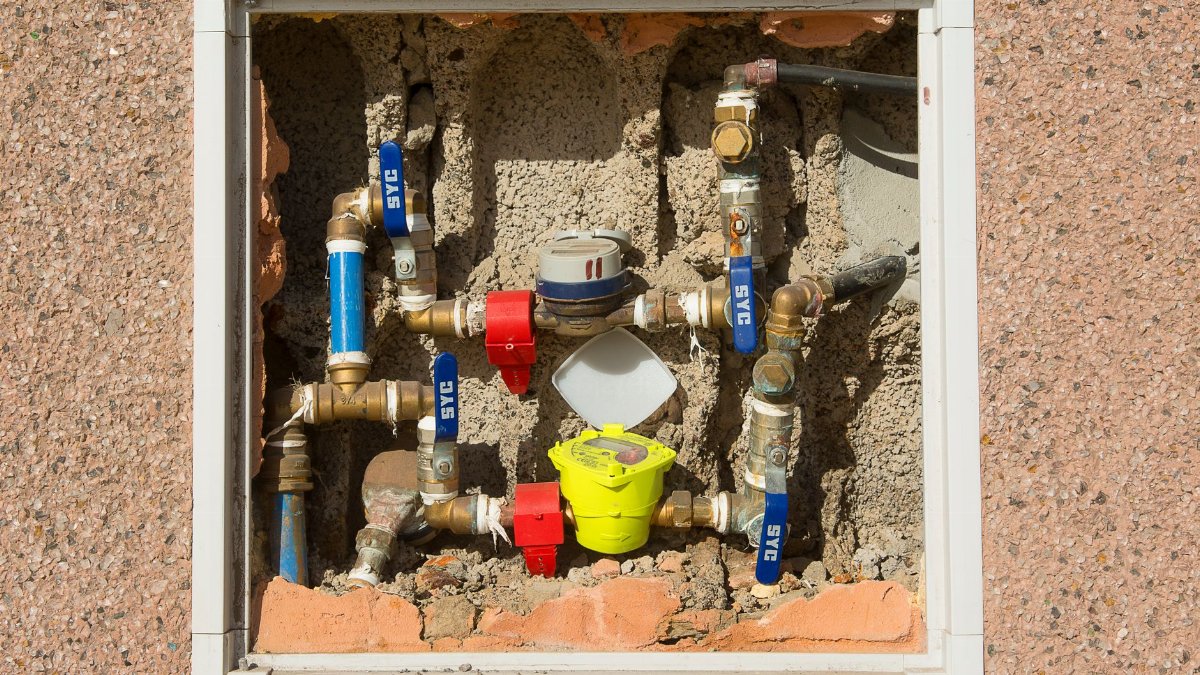
In recent years communities across South Florida have searched for practical ways to manage rising utility costs and aging infrastructure. Hialeah now steps forward with a focused effort known as the Water Meter Pilot that tests advanced metering technology in selected neighborhoods. The program aims to deliver clearer usage data for both residents and city officials while supporting more accurate monthly statements.
Local Context Shapes Utility Decisions
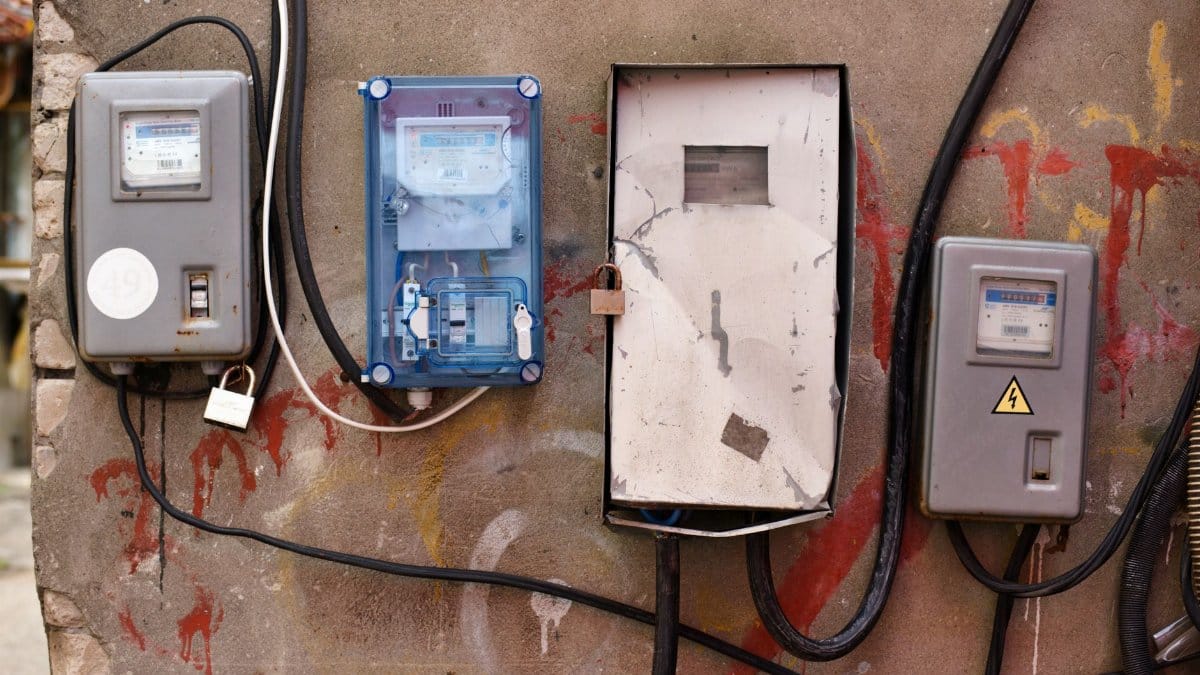
Hialeah officials reviewed several years of billing records before choosing to test new meters. Older mechanical devices often produced estimates that left homeowners surprised by large adjustments at the end of a quarter. The pilot addresses those gaps by collecting readings in real time and sending the information directly to utility databases.
Technology Behind the Current Test
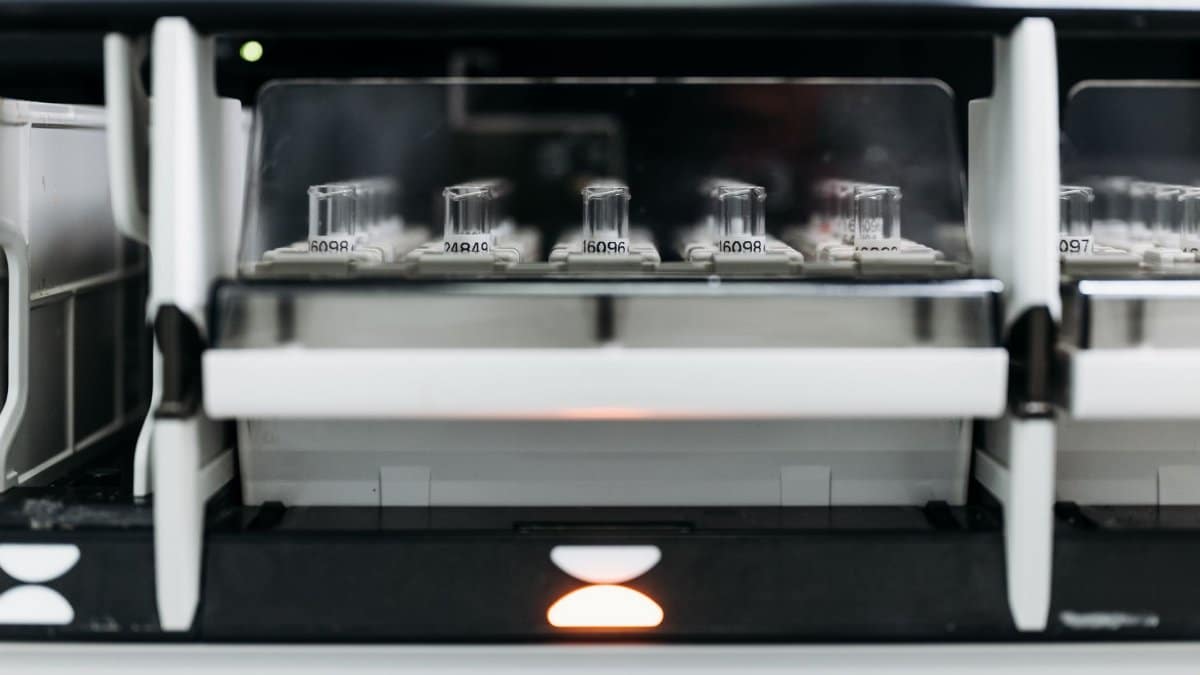
Each selected meter records flow every hour and transmits summaries through secure radio signals. Technicians can review patterns without visiting every property which reduces labor hours and speeds response when leaks appear. Early data already shows fewer discrepancies between reported and actual consumption.
Resident Reactions and Early Feedback

Participants in the first phase report receiving statements that match their own observations of daily use. One family noted a sudden drop in the bill after a small leak was identified through the detailed reports. City staff say they will expand the sample only after confirming consistent performance across different household sizes.
Potential Impact on Monthly Costs
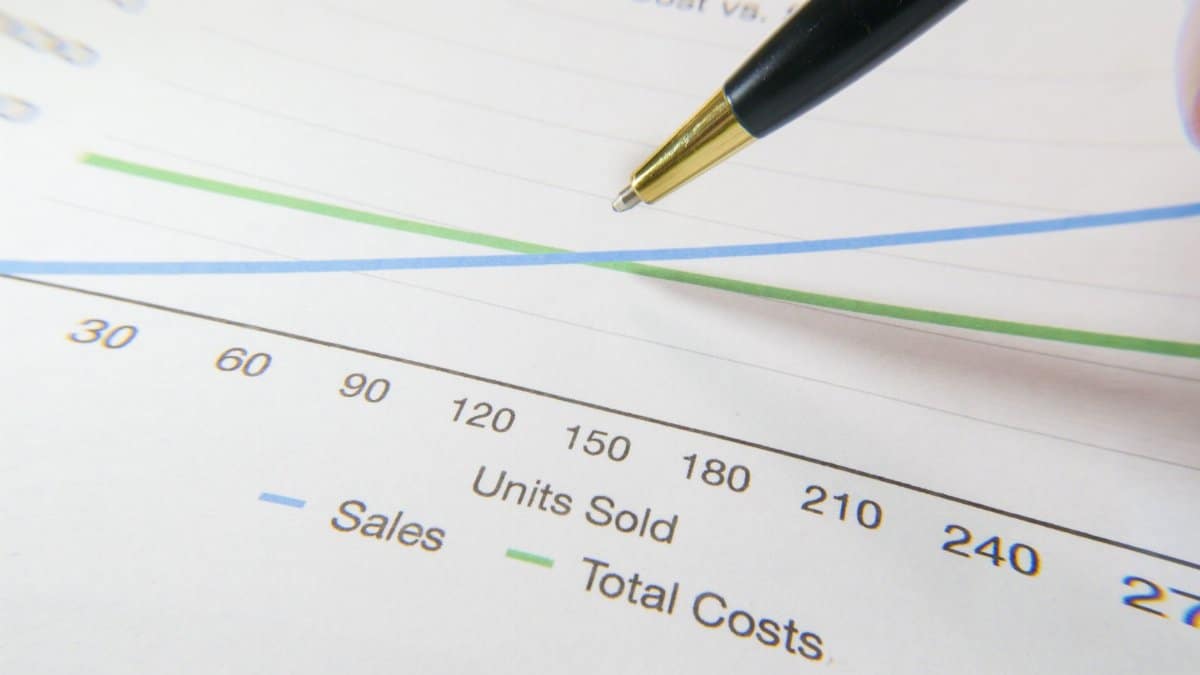
More precise measurement tends to eliminate the padding that sometimes appears in estimated bills. If the pilot maintains its current accuracy rate the average household could see modest savings within the first year. Officials plan to publish quarterly summaries so taxpayers can track progress without waiting for an annual report.
Comparison With Nearby Cities

Other municipalities in Miami Dade County have tried similar upgrades on a smaller scale. Hialeah leaders studied those experiences and adjusted the rollout timeline to avoid overlapping with peak summer demand. This measured approach allows crews to resolve installation issues before the program grows larger.
Environmental Considerations in Meter Upgrades
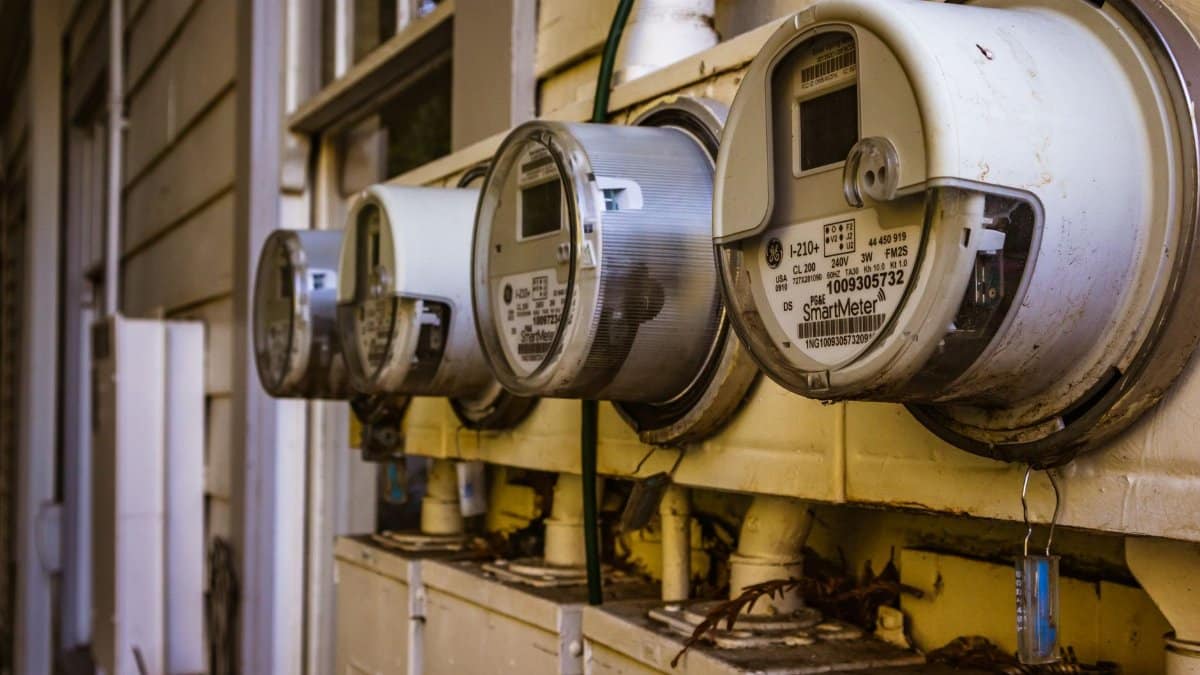
Reduced need for manual readings lowers vehicle emissions from utility trucks. The new devices also help detect underground leaks faster which conserves treated water that would otherwise be lost. City documents list these secondary benefits as part of the overall justification for continued testing.
Next Steps for Program Expansion

After the initial six month review period staff will recommend whether to install the technology across all residential accounts. Public meetings are scheduled so residents can ask questions and review sample data before any final decision. The timeline depends on supply chain reliability and available funding.
Training and Workforce Preparation

Utility workers attend short courses on installing and maintaining the digital units. Supervisors emphasize safety procedures during the changeover to avoid service interruptions. The investment in staff skills ensures that future repairs can be handled locally rather than through outside contractors.
Long Range Planning for Water Systems
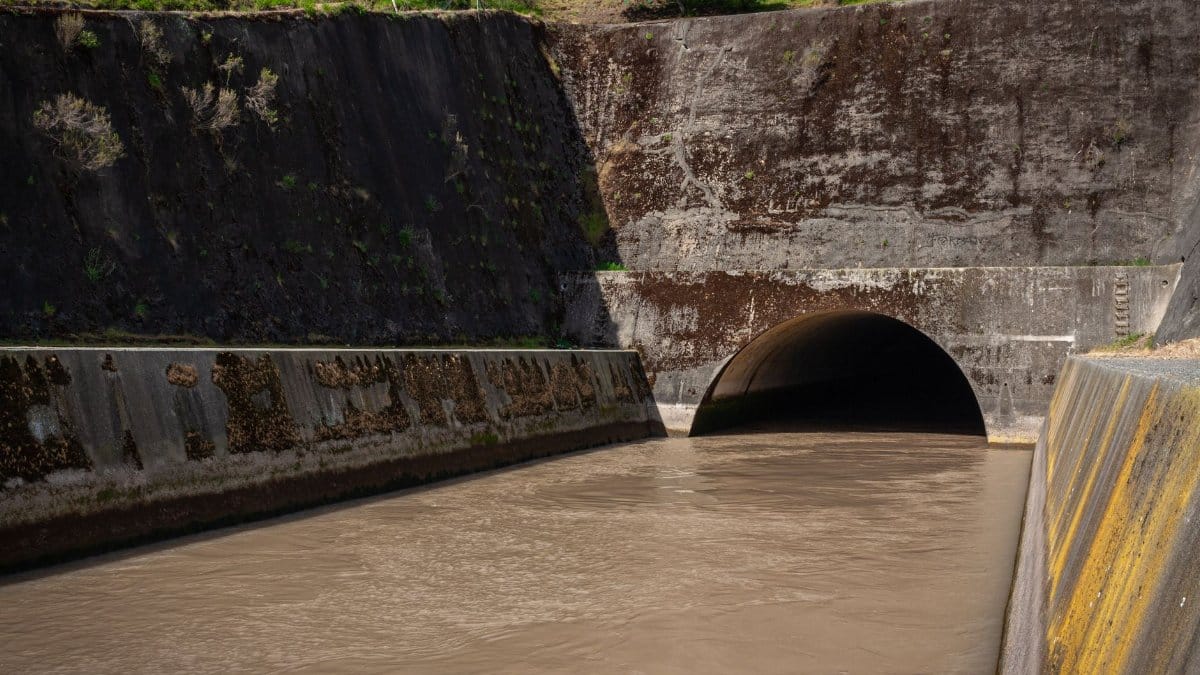
City planners view the pilot as one piece of a broader strategy to modernize infrastructure. Reliable usage data supports decisions about pipe replacement and reservoir capacity. Without accurate figures those larger projects rest on assumptions that may prove costly over time.