

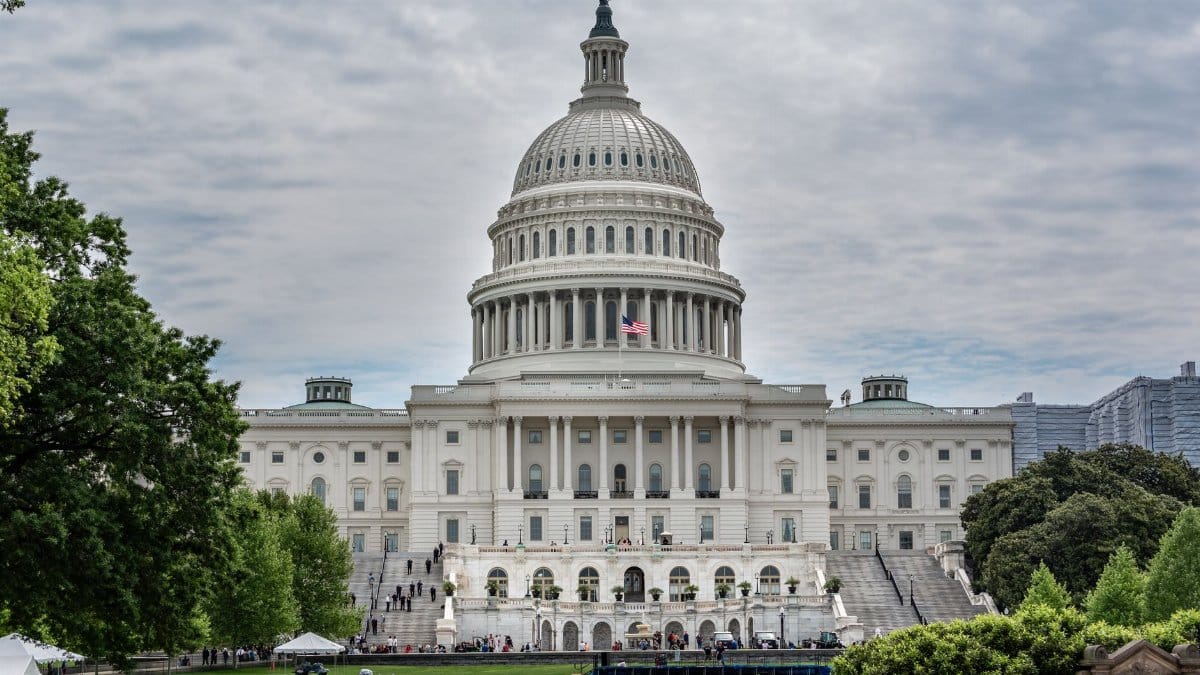
In the tense atmosphere of Capitol Hill hearings last spring, a veteran lawmaker stepped aside as scrutiny intensified over longstanding nuclear negotiations with Tehran. This episode revealed layers of Iran Deal Politics that continue to shape alliances and rivalries within the Republican Party. Observers noted how calculated retreats can preserve influence while others absorb public pressure.
Background on Recent Negotiations

The framework established years ago aimed to curb nuclear activities through inspections and sanctions relief. Recent developments have tested those terms amid regional conflicts and domestic debates. Lawmakers from both parties have revisited the original commitments, weighing security benefits against compliance concerns.
Roles Played by Key Senators
Senator Marco Rubio has long voiced reservations about verification measures in such agreements. His approach often involves measured statements that avoid direct confrontation during high profile exchanges. In contrast, newer voices have faced pointed questions about past positions on sanctions enforcement.
Public Statements and Their Timing

Vance addressed reporters following a closed door session, defending aspects of prior policy while acknowledging enforcement gaps. This came after Rubio declined an invitation to lead the discussion in a televised forum. The sequence allowed one figure to maintain distance from immediate criticism.
Impact on Party Dynamics

Such maneuvers reflect broader patterns where established members guide outcomes without occupying the center of controversy. Younger senators encounter expectations to articulate evolving stances on international accords. Internal discussions highlight how experience influences decisions on when to engage or defer.
Media Coverage Patterns

Outlets across the spectrum examined transcripts and video clips from the hearings. Analysts pointed to selective emphasis on certain remarks over others. This coverage amplified perceptions of divided priorities within foreign policy circles.
Historical Parallels in Diplomacy

Past administrations navigated similar challenges with Iran through a mix of incentives and restrictions. Lessons from those efforts inform current arguments about sustainable frameworks. Bipartisan records show repeated cycles of negotiation followed by reassessment.
Future Implications for Legislation

Upcoming votes on related funding measures may test the durability of recent positions. Committees are preparing reports that incorporate input from multiple offices. The process could clarify boundaries for future involvement in multilateral talks.
Regional Reactions and Stability Concerns

Allies in the Middle East have monitored statements from Washington with attention to consistency. Iranian officials have cited divisions as factors in their own strategic calculations. Observers track these exchanges for signs of shifting leverage.
Expert Assessments of Compliance

Think tank reports evaluate data from monitoring agencies on enrichment levels and access provisions. Findings suggest mixed results that fuel ongoing arguments in legislative settings. These evaluations provide context for debates without resolving underlying tensions.
Broader Voter Perspectives

Surveys indicate middle aged Americans view nuclear proliferation as a persistent priority alongside economic matters. Responses vary by region, with some favoring renewed dialogue and others preferring stricter measures. Political strategists consider these views when framing messages ahead of elections.