
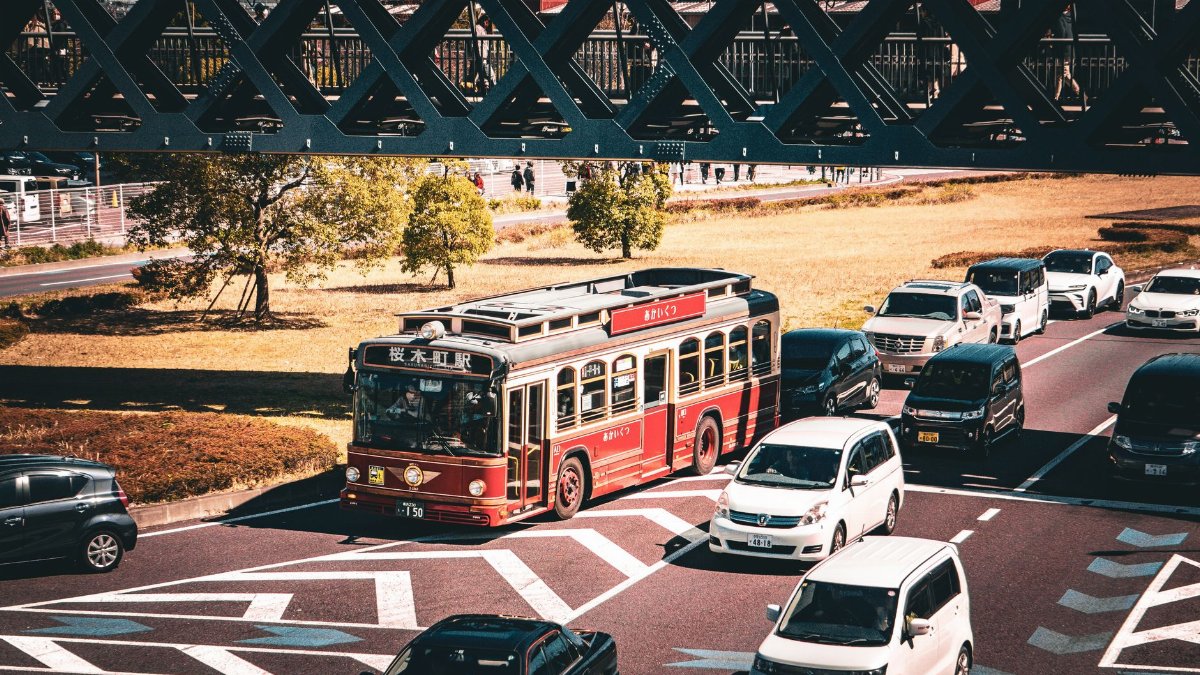
In the crowded corridors of Seattle where buses often crawl through rush hour, city leaders have embraced a practical measure to speed up public transit. Red Bus Lanes now mark key stretches along Denny Way, offering a fresh attempt to untangle one of the slowest routes in the system.
Origins of the Denny Way Project
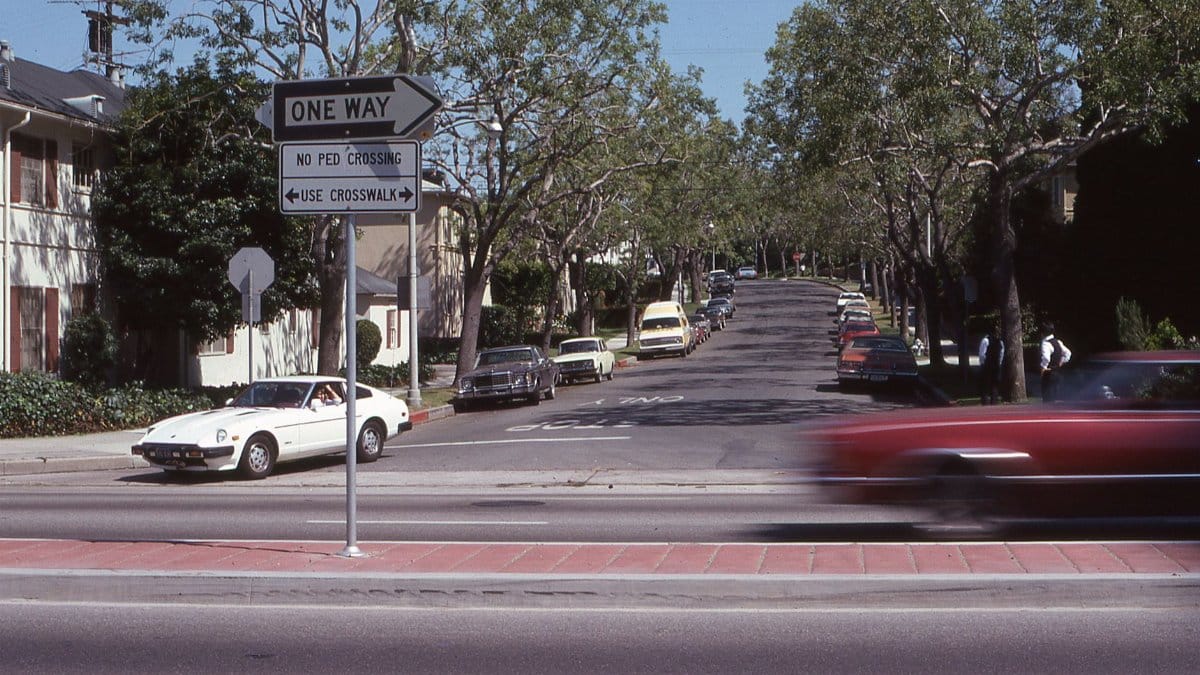
Mayor Wilson proposed the addition after reviewing performance data for Route 8. The line connects several neighborhoods yet suffers from repeated delays. City staff examined traffic patterns and found that dedicated space for buses could cut travel times without major construction.
How Painted Lanes Change Daily Travel
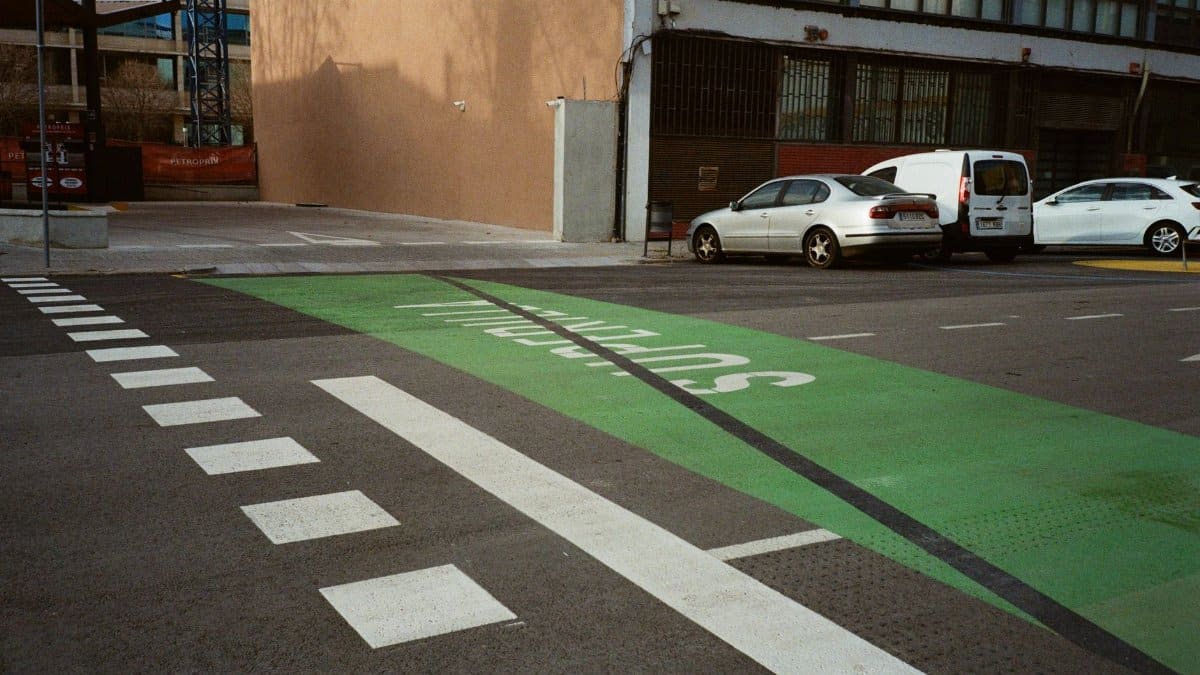
Drivers see bright markings that signal restricted use during peak periods. Buses gain priority while other vehicles must yield or shift lanes. Early observations show modest gains in on time arrivals though full results will take months to confirm.
Impact on Route 8 Riders
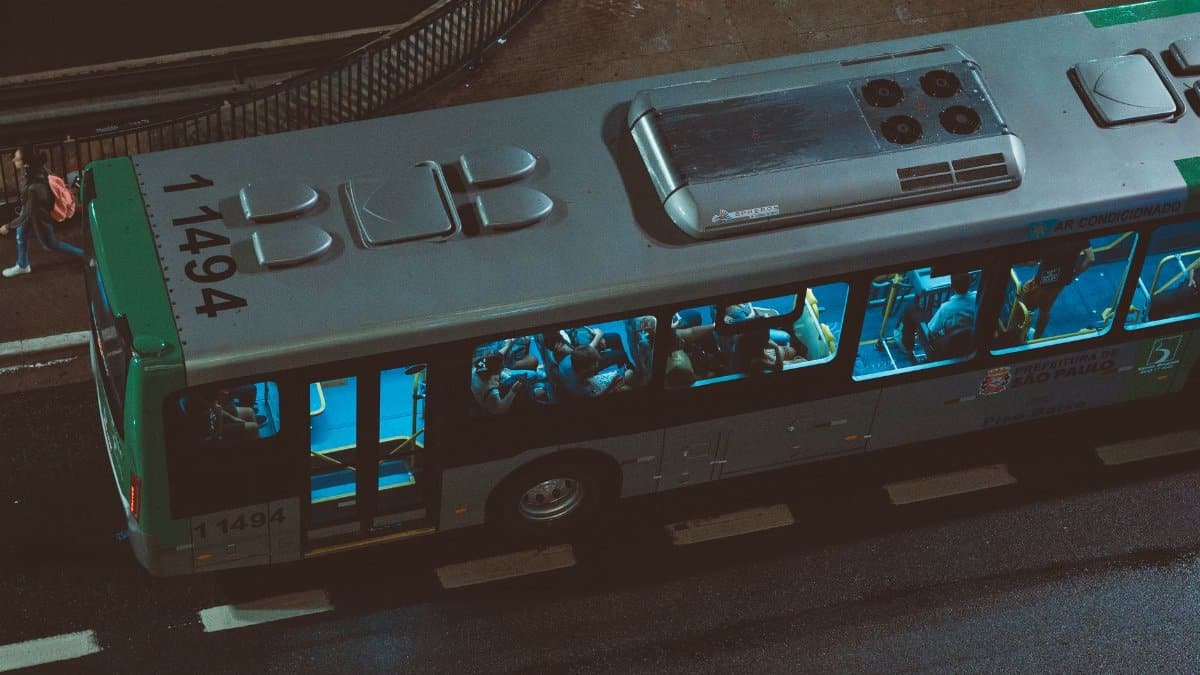
Passengers who rely on the line for work and errands report less crowding at stops. The change aligns with broader goals to make transit competitive with private cars. Officials expect higher ridership as reliability improves over successive quarters.
Comparison With Other Cities

Similar markings appear in places like New York and London where bus priority reduced average trip duration. Seattle adapts those models to local street widths and enforcement capacity. Planners studied camera systems and fine structures before final design choices.
Business Community Response

Shop owners along the corridor express mixed views. Some welcome steadier foot traffic from faster buses while others worry about lost parking spots. The chamber of commerce scheduled meetings to review access for delivery trucks during restricted hours.
Enforcement and Compliance Challenges
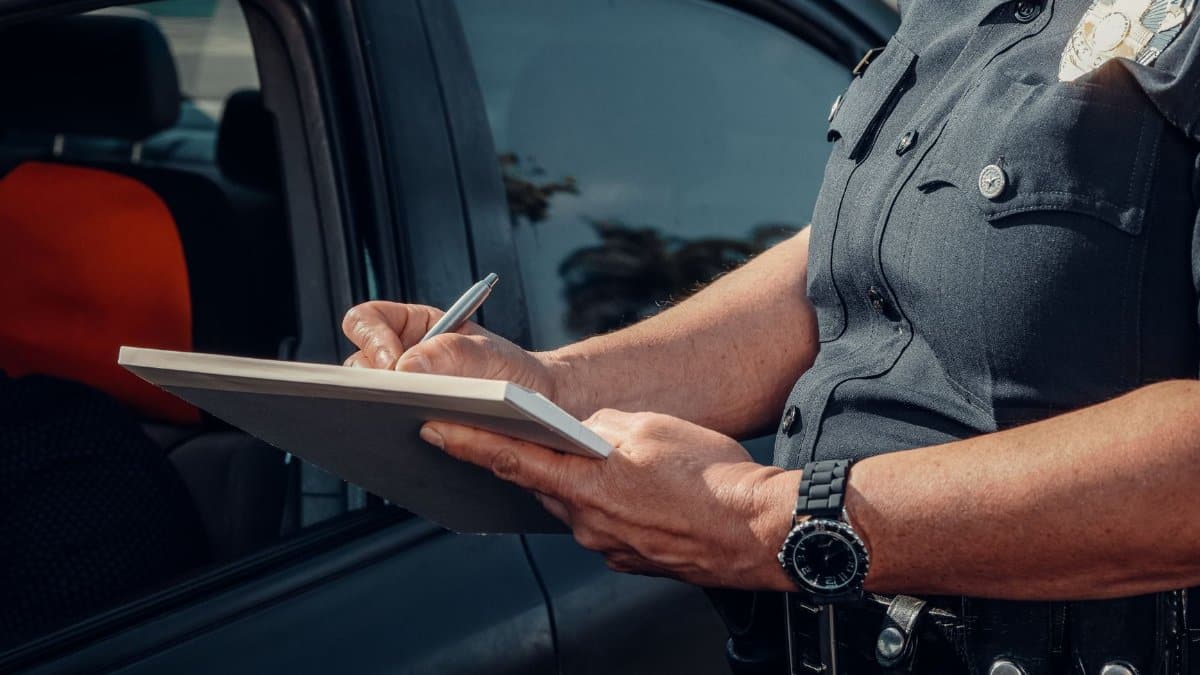
Police and traffic cameras monitor the new lanes. Fines aim to deter misuse yet early violations remain common as drivers adjust habits. City hall plans public awareness campaigns through mailers and digital signs at major intersections.
Environmental Considerations
Fewer idling vehicles translate to lower emissions along the corridor. Air quality monitors near Denny Way may record small improvements if bus volumes rise and private car trips fall. Environmental groups praise the step as part of larger climate targets.
Future Expansion Plans
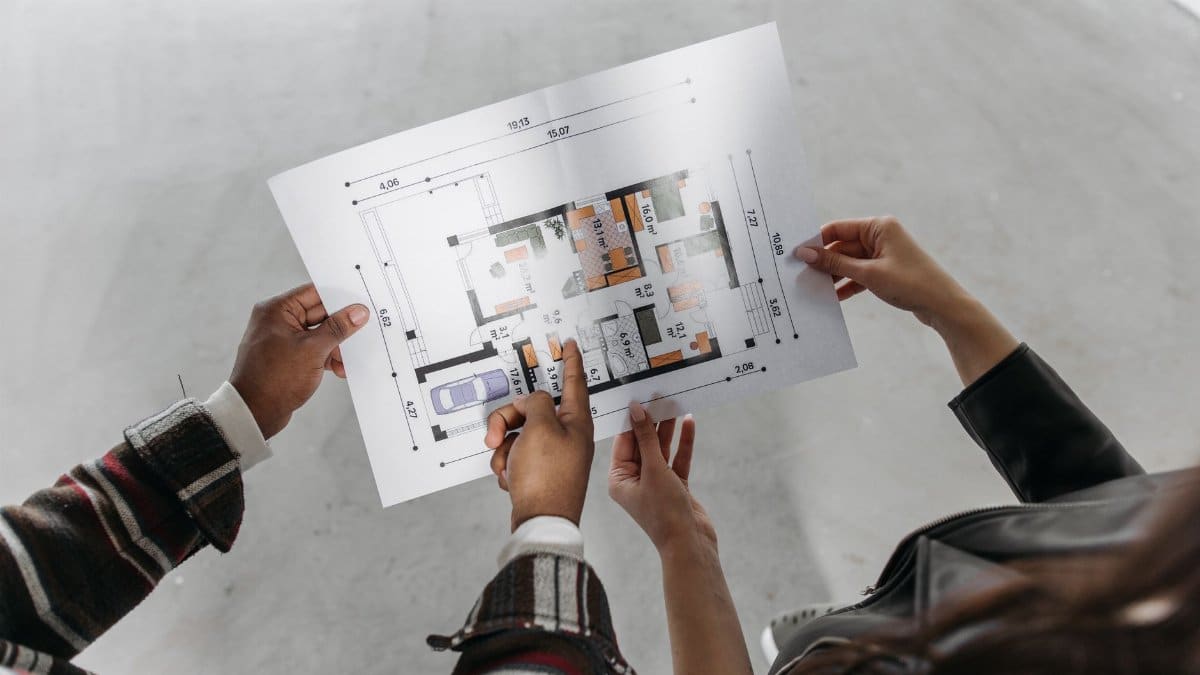
Success on this segment could lead to additional lanes elsewhere in the network. Planners review data from multiple routes before committing funds. Budget discussions continue at the city council with attention to maintenance costs over the next decade.
Public Feedback and Adjustments

Surveys gather rider comments on signage clarity and safety at crossings. Adjustments to timing and buffer zones may follow based on incident reports. Community meetings allow residents to voice concerns directly to transit staff.
Role in Regional Mobility Goals
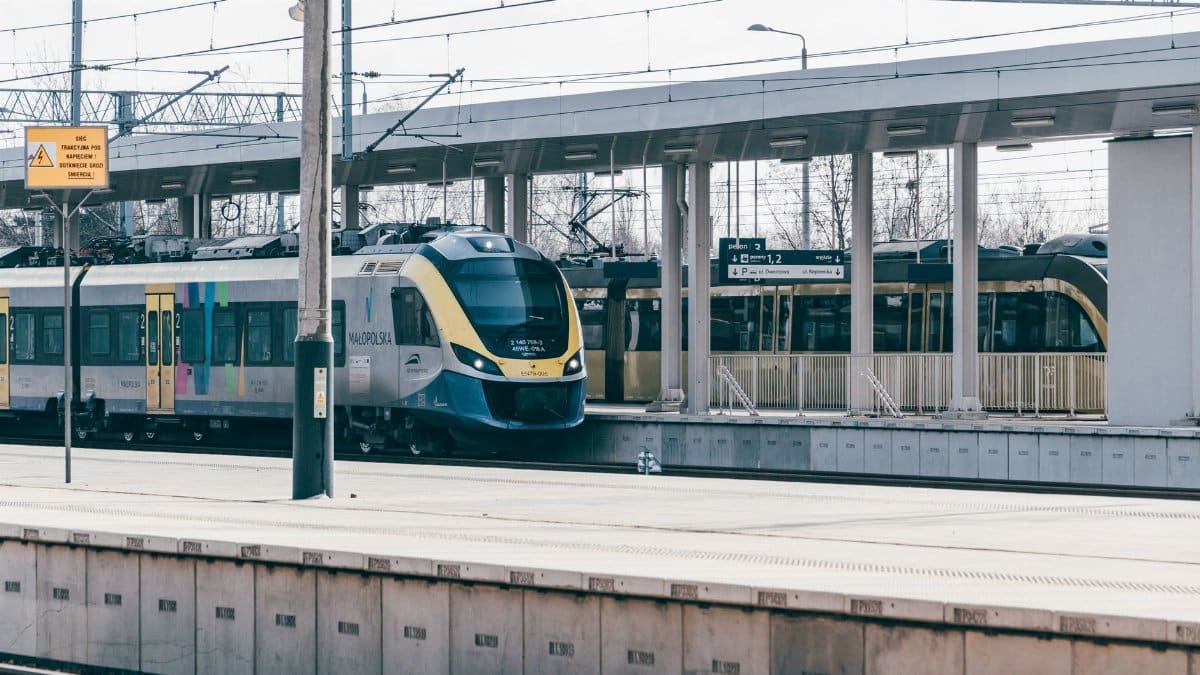
The project supports county wide efforts to shift commuters toward shared transport. Integrated schedules with light rail stations receive renewed focus. Long term success depends on continued investment in vehicles and driver recruitment.