
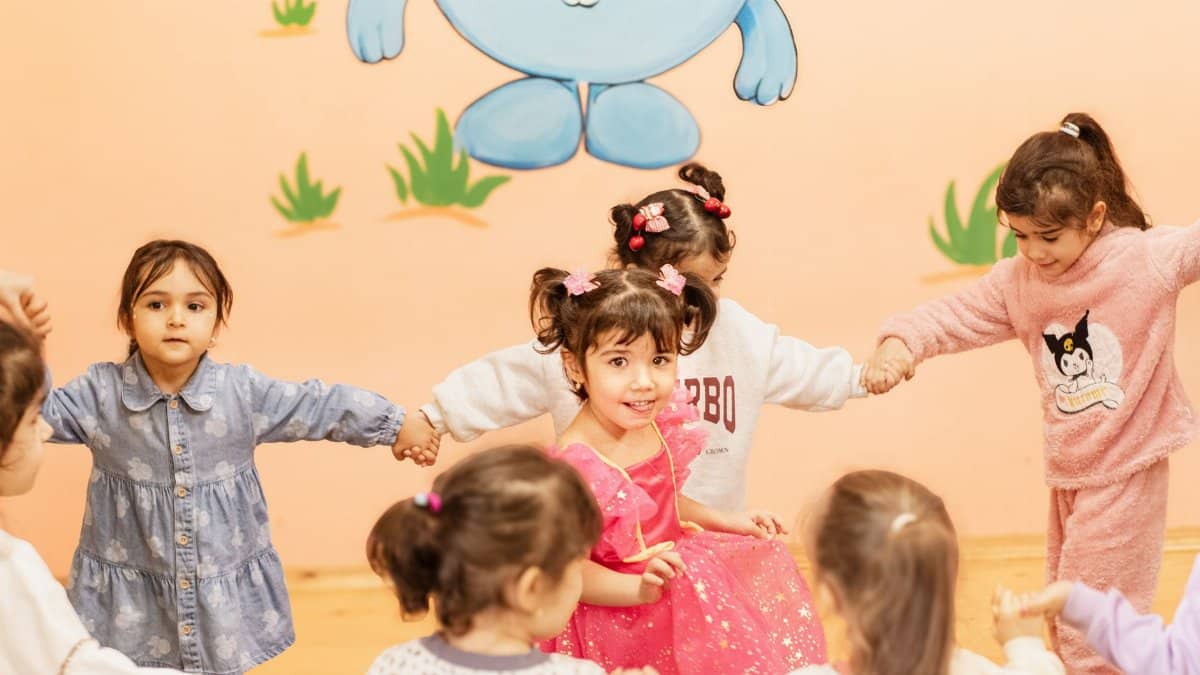
In many American homes and schools today young people encounter daily pressures that test their ability to recover from setbacks. A growing number of educators now turn to creative techniques that blend imagination with calm awareness. Through these methods children develop the inner resources known as Kids Resilience allowing them to meet challenges with greater ease and self kindness.
Play as a Natural Path to Strength
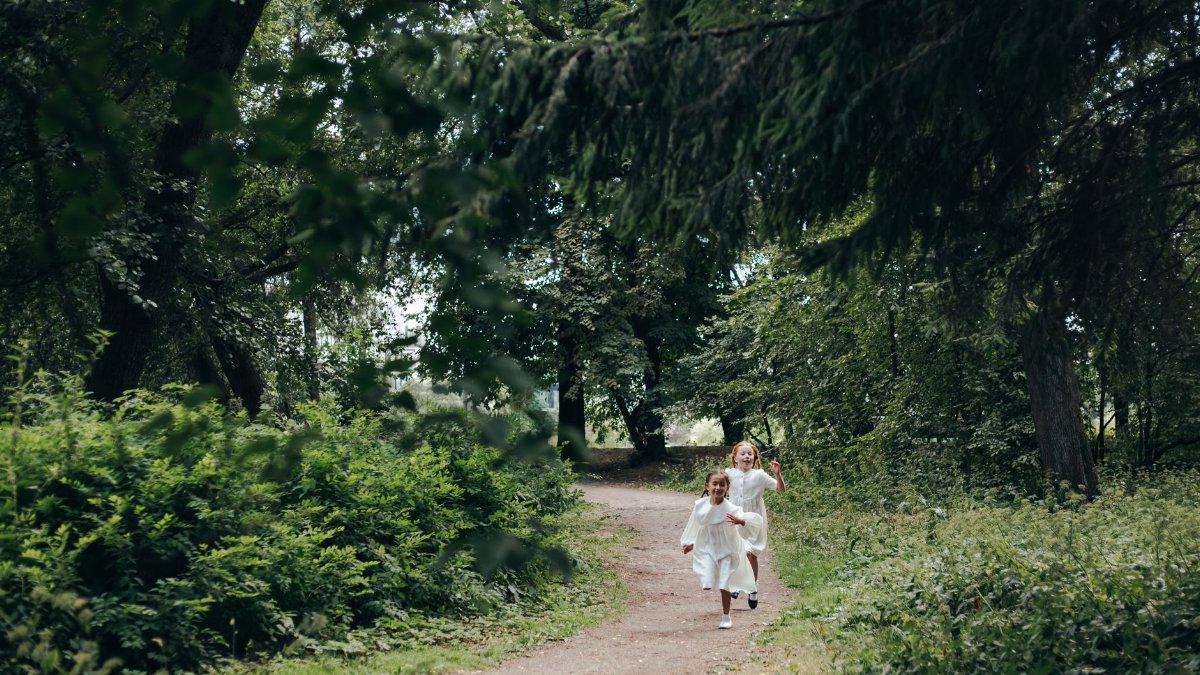
Children often learn best when lessons arrive disguised as games. Playful interactions let them practice responses to frustration without the weight of formal instruction. In this setting they experiment with breathing exercises or simple movements that restore balance after moments of upset.
Animal Stories Capture Attention
Characters drawn from the natural world serve as relatable companions on the journey toward emotional steadiness. A wise turtle or an adventurous fox can model patience or curiosity in ways that feel immediate to a six year old. These narratives create safe spaces where feelings are named and explored rather than avoided.
Mindfulness Without Pressure
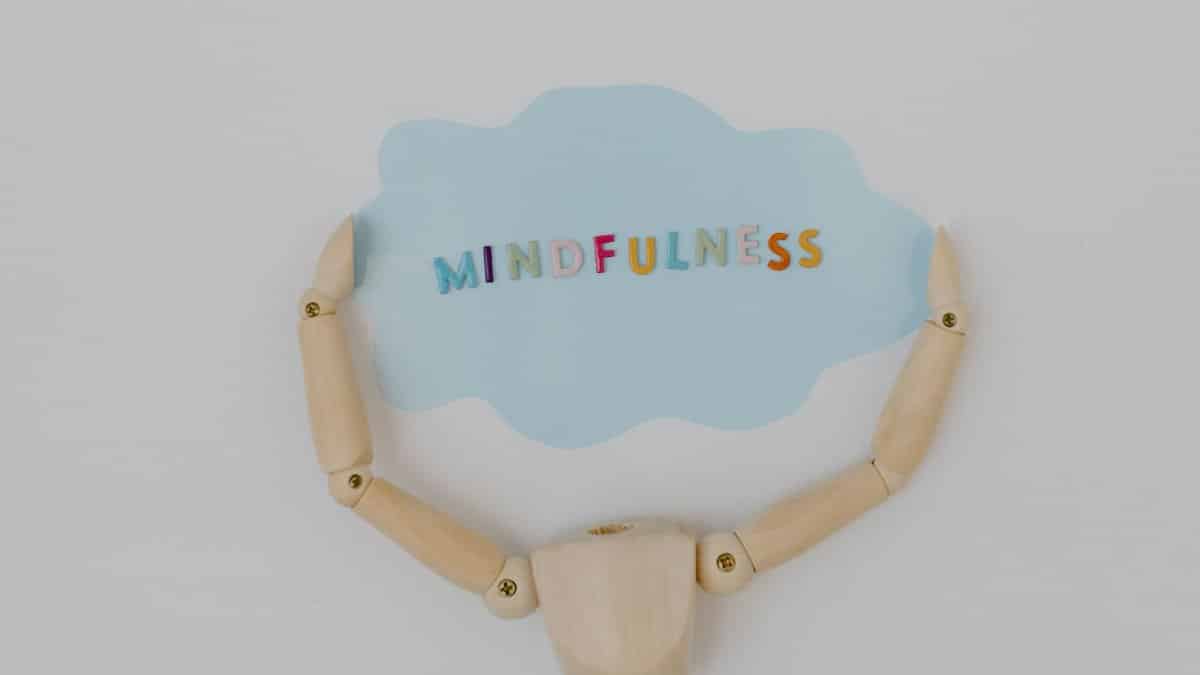
Traditional meditation can intimidate the youngest learners. Instead brief moments of noticing sounds or sensations become part of a larger game. Such light touches build habits that later support recovery when disappointment arrives at school or on the playground.
Linking Calm Awareness to Recovery
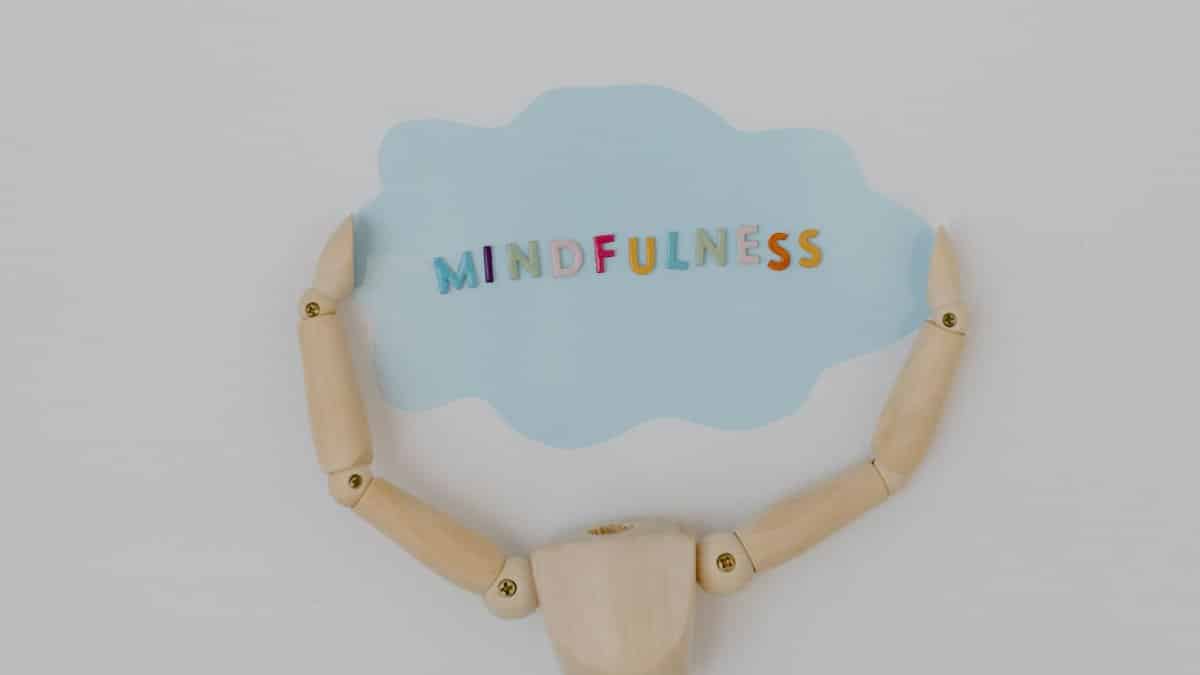
When young people practice noticing their breath they gain tools to pause before reacting. This pause creates room for choice and reduces the intensity of strong emotions. Over time the skill contributes directly to the broader quality called Kids Resilience.
Guidance for Parents and Teachers
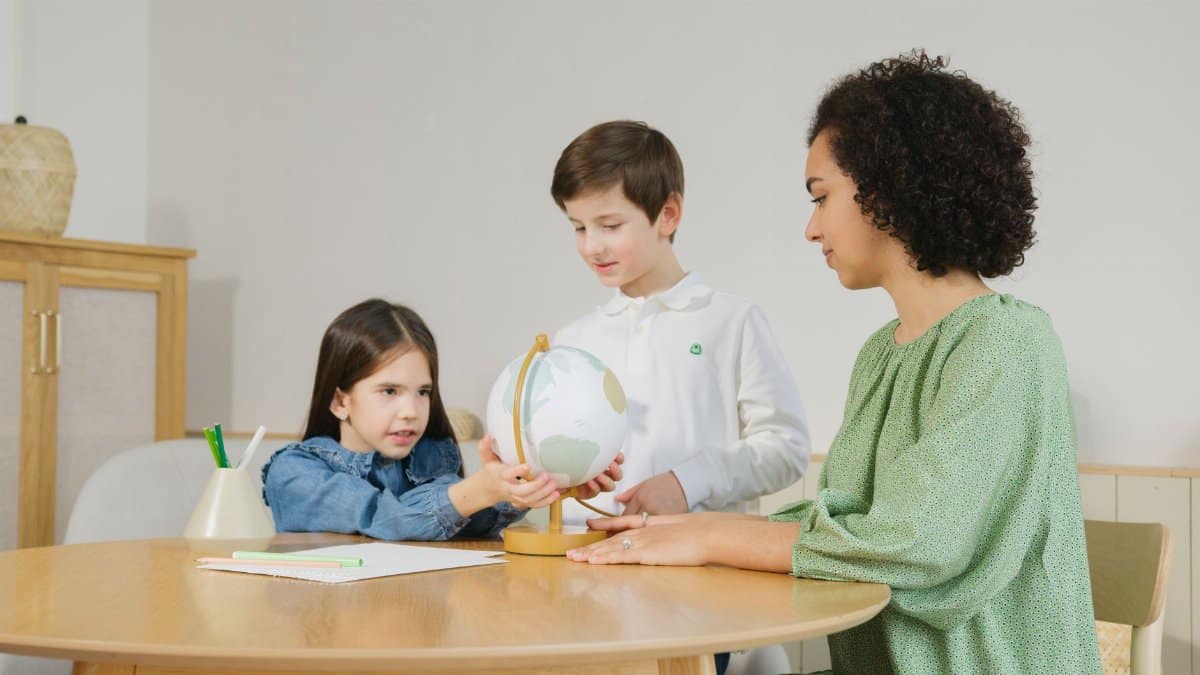
Adults need only a few simple prompts to begin. They might invite a child to imagine walking like a gentle elephant after a quarrel or to listen for three outside sounds when worry rises. Consistency matters more than perfection in these shared routines.
Evidence From Classroom Trials
Researchers at the University of California Berkeley have examined similar approaches in early education settings. Their observations suggest measurable gains in how children handle transitions and conflicts. Details appear at https://greatergood.berkeley.edu/article/item/a_playful_way_to_help_children_learn_resilience.
Adapting Activities for Different Ages
Younger groups respond to movement based stories while older children enjoy creating their own animal adventures. Both paths reinforce the same core abilities to stay present and to return to steadiness after difficulty.
Community Support Strengthens Results

Schools that involve families see deeper effects. Evening workshops allow parents to learn the same playful sequences and then repeat them at home. Shared language across settings helps the practice take root.
Long Term Value for Emotional Health

The habits formed in early years travel with children into adolescence. Those who have rehearsed calm responses tend to approach new pressures with curiosity instead of fear. This foundation supports sustained wellbeing across many stages of growth.
Future Directions in Education
As awareness spreads more districts consider adding these elements to standard curricula. Training for teachers and access to story resources remain important next steps. Continued attention to Kids Resilience can shape kinder more adaptable generations.