

In a sunlit office overlooking the mountains of Colorado a woman in her early fifties sat quietly with her eyes closed. She had spent years practicing mindfulness meditation. The technique helped her observe her racing thoughts but it did not quiet the deeper unrest within. Then her therapist guided her into a state of focused relaxation where vivid images began to emerge. She saw herself not as the anxious executive she had become but as a confident mentor helping others. This experience marked the beginning of her journey with Hypnotherapy Imagination a powerful approach that combines hypnotic states with creative visualization to foster genuine change.
Many people reach a point where simply being aware of their thoughts is not enough. They crave transformation that reaches the root of their behaviors and emotional patterns. As interest in mental wellness grows so does curiosity about methods that go beyond the now familiar practice of mindfulness. For a broad group of middle aged readers seeking more than temporary calm this intersection of guided hypnosis and deliberate imagination offers a path toward deeper personal shifts.
Understanding the Limits of Mindfulness Alone

Mindfulness has earned its place as an accessible entry point to mental well being. It teaches observers to notice emotions and bodily sensations without immediate reaction. Countless studies confirm its ability to lower stress and improve focus. Yet practitioners often encounter a plateau. They can describe their anxiety in great detail yet still feel powerless to change it. Awareness without agency can lead to frustration. This gap between knowing and shifting is where many seekers turn toward additional tools. Juliana Sloane an experienced guide in this work observes that insight alone rarely rewires the deeper layers of personality. Something more active is often required to produce enduring results.
What Hypnotherapy Imagination Actually Involves

Hypnotherapy Imagination is not the dramatic stage performance many picture when they hear the word hypnosis. Instead it is a collaborative process in which a trained practitioner helps a client enter a relaxed focused state. In this state the critical mind softens and the imagination becomes a potent vehicle for change. Clients are invited to experience new versions of themselves with all five senses engaged. They might walk through an imagined future home feel the emotions of success or symbolically release old burdens. The approach treats imagination not as escape but as rehearsal for the subconscious mind which then begins to align daily behavior with these new inner experiences. Sessions typically last fifty to seventy five minutes and most people report feeling refreshed afterward.
The Central Role of Imagination in Lasting Growth

Imagination has long been undervalued in adult personal development. We tend to associate it with childhood play or artistic pursuits. Yet the same mental faculty that once invented imaginary friends can be harnessed to reshape adult lives. When people vividly picture new possibilities their brains respond as though those possibilities are already unfolding. This mental practice strengthens neural pathways associated with confidence resilience and calm. Hypnotherapy Imagination simply provides a structured way to direct that natural capacity. Rather than hoping for change through willpower alone individuals actively experience it first in the safe laboratory of the mind. The emotional charge of these imagined scenes often proves more persuasive than logical arguments or repeated affirmations.
Neurological Insights Supporting the Practice

Modern brain imaging has begun to catch up with what skilled practitioners have known for decades. During hypnotic states the brain shows increased connectivity between the executive control network and the default mode network. This allows for greater integration of conscious intention and subconscious material. A 2016 study from Stanford University School of Medicine found that highly hypnotizable people exhibit distinct patterns of brain activation particularly in regions involved in attention and salience. These findings suggest that hypnosis is not a trick but a genuine shift in cognitive processing. When combined with intentional imagination the practice appears to accelerate neuroplasticity helping new emotional habits take root more quickly than talk based approaches alone.
Stories From Those Who Have Benefited

One Colorado teacher in her late forties arrived at therapy exhausted by perfectionism that mindfulness could name but not dissolve. Through Hypnotherapy Imagination she met a younger version of herself and offered the compassion she had never received. Weeks later colleagues remarked on her newfound ease with delegation. A retired engineer from Chicago used the method to address lifelong social anxiety. He imagined himself moving through crowded rooms with grounded confidence and later reported enjoying family gatherings for the first time in decades. These accounts echo thousands of others shared in practitioner circles. The common thread is that participants did not simply understand their issues differently. They began to feel different at a visceral level which then changed their choices.
Techniques Employed by Skilled Practitioners

Effective sessions often begin with progressive relaxation to establish safety. From there practitioners might guide clients through several proven imagery exercises. The future self protocol invites people to meet an older wiser version of themselves and receive guidance. Symbolic transformation allows clients to change the shape weight or color of a troubling emotion until it loses its power. Resource anchoring helps them locate and strengthen inner qualities such as courage or calm. Because the work is highly individualized good practitioners adjust their language and pacing to match each client sensory preferences. Visual learners might be asked to describe scenes in detail while kinesthetic clients focus on physical sensations. The key is collaboration rather than authority.
How This Approach Differs From Traditional Talk Therapy

Conventional psychotherapy excels at helping people understand the origins of their difficulties. Hours are spent exploring childhood memories and family dynamics. Hypnotherapy Imagination while respectful of that history spends less time analyzing and more time experiencing alternatives. Talk therapy operates primarily at the level of the conscious mind. This method deliberately engages the subconscious where habits emotions and automatic responses reside. Many clients appreciate the reduced need to retell painful stories repeatedly. Instead they move quickly into creating new associations. The two approaches are not mutually exclusive and many therapists now blend them to give clients both understanding and embodied change.
Potential Obstacles and How to Overcome Them

Skepticism remains the most common barrier. Decades of movie portrayals have convinced some that hypnosis means loss of control. In reality clients remain aware and can stop a session at any time. Finding a qualified practitioner requires care. Look for certifications from recognized hypnotherapy organizations and ideally therapists who also hold licenses in counseling or psychology. Initial sessions may feel unfamiliar because sitting with imagination differs from familiar meditation instructions. Patience helps. Most people need three to six sessions before the process begins to feel natural. Those with active trauma histories should ensure their practitioner has specific trauma training before beginning deep imagery work.
Bringing These Methods Into Daily Routines
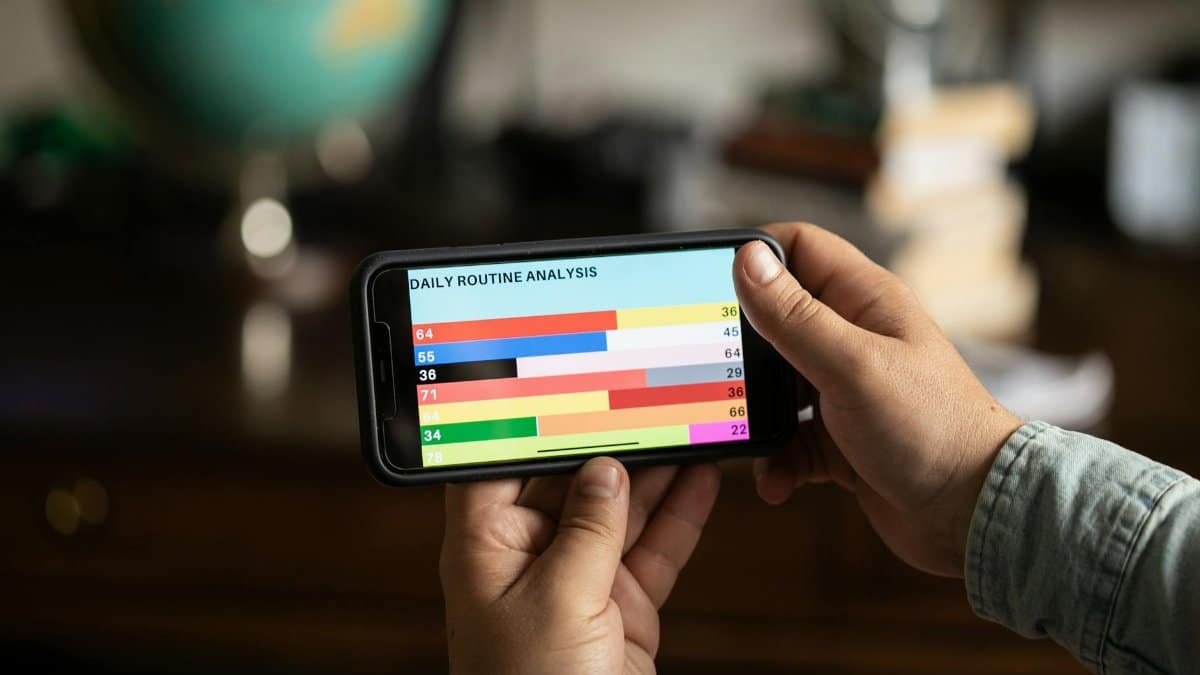
Formal sessions with a practitioner form the foundation yet the real power emerges through daily practice. Many clients learn short self hypnosis inductions that take less than ten minutes. They might listen to a recorded guided imagery track during their commute or spend five minutes before bed mentally rehearsing a confident version of an upcoming conversation. Journaling after imagery sessions helps anchor the insights. Some create physical reminders such as a small object from a powerful session that they can hold when stress returns. Over time these brief contacts with the imagined future begin to reshape the present in subtle but measurable ways. The goal is to make the practice as routine as brushing teeth.
Expert Perspectives on the Future of Inner Work
Juliana Sloane suggests we are entering an era that values both insight and imagination. In her conversation with Mindful magazine she emphasizes that many seekers have already done the awareness work. What they need now is a way to embody new possibilities at the level of felt experience. Hypnotherapy Imagination appears particularly well suited to this next phase of collective healing. As mental health challenges continue to rise creative collaborative approaches that respect both science and the mystery of the human mind may become increasingly central. For those who have felt stuck despite sincere mindfulness practice this blend of relaxation and vivid inner storytelling offers renewed hope for genuine transformation.
The journey beyond mindfulness does not require abandoning its gifts. Instead it invites building upon them. When awareness meets imagination and calm focus meets creative vision many discover capacities they did not know they possessed. For a generation raised on logic and effort the permission to imagine boldly may prove one of the most practical tools available. The stories emerging from this work suggest that real change often begins not with harder striving but with a softer deeper kind of seeing.