

**Cancelling Plans** has long been wrapped in layers of guilt and second guessing, particularly for those in their 40s and 50s who juggle careers, aging parents, and children still finding their way. Yet fresh research suggests the social fallout people fear is often far milder than imagined. A growing body of psychological work shows that backing out of social commitments at the right time can meaningfully lower social anxiety and protect mental health.
Many middle aged adults were raised to believe that showing up, no matter what, is a core measure of character. This ingrained sense of duty collides with the realities of modern life: demanding jobs, chronic health concerns, and the quiet exhaustion that accumulates when every weekend fills with obligations. The result is a low level dread that can build for days before an event, stealing peace of mind and sometimes triggering genuine physical symptoms.
The Weight of Unspoken Expectations

By the time people reach middle age, their social calendars often reflect decades of accumulated relationships rather than current capacity. Friends from college, neighbors, work colleagues, and extended family all compete for limited emotional bandwidth. The pressure to maintain every connection at the same intensity creates a quiet anxiety that many never name out loud.
Clinical psychologists note that this generation was taught early that changing plans signals unreliability. That lesson, absorbed in childhood, continues to echo even when circumstances have changed dramatically. The internal narrative becomes harsh: if I cancel, they will think less of me, our friendship will weaken, I am letting everyone down.
What the Research Actually Reveals
Recent studies challenge that inner critic. Research highlighted by Happiful magazine demonstrates that people consistently overestimate how negatively others will react to a cancelled plan. In controlled experiments, participants predicted strong disappointment from friends, yet the actual emotional response proved far more understanding and transient.
The original research, available at Happiful, aligns with broader findings in social psychology showing that recipients of cancellations typically adjust quickly and feel less bothered than the canceller assumes. One study published in the Journal of Personality and Social Psychology found that people rate their own cancellations as more damaging to relationships than those receiving the news do.
How Cancelling Plans Reduces Social Anxiety
Social anxiety thrives on the gap between the persona we present and our authentic state. When someone forces themselves to attend an event while depleted, they often spend the entire time managing their discomfort rather than connecting. This performance exacts a psychological toll that can linger for days.
Allowing oneself to cancel when genuinely overwhelmed interrupts that cycle. The relief is immediate and measurable. Sleep improves. Rumination decreases. The nervous system downshifts from high alert to something closer to rest. Over time, these moments of honest boundary setting retrain the brain to view social life as flexible rather than threatening.
The Spiritual Dimension of Honest Boundaries
Within spiritual traditions, the practice of discernment has always been valued over rigid adherence to external expectations. Many contemplative paths teach that true compassion includes oneself. When middle aged adults begin viewing the decision to cancel as an act of self stewardship rather than selfishness, the shame begins to dissolve.
Mindfulness teachers often frame this as listening to the wisdom of the body and spirit. That persistent tightness in the chest or heavy fatigue before a social event can be understood as important information rather than weakness to overcome. Honoring that signal becomes a spiritual practice of authenticity.
When It Is Acceptable and When It Is Not
Not every impulse to cancel deserves to be followed. The research distinguishes between patterns of avoidance that shrink life and occasional, thoughtful decisions that preserve wellbeing. Cancelling because a quiet evening at home suddenly feels necessary is different from repeatedly backing out of commitments made to close friends.
Context matters. A last minute cancellation for a large gathering carries different weight than backing out of an intimate dinner planned weeks in advance. The studies suggest that people are remarkably forgiving when they sense the decision comes from genuine need rather than indifference.
Learning to Communicate with Kindness
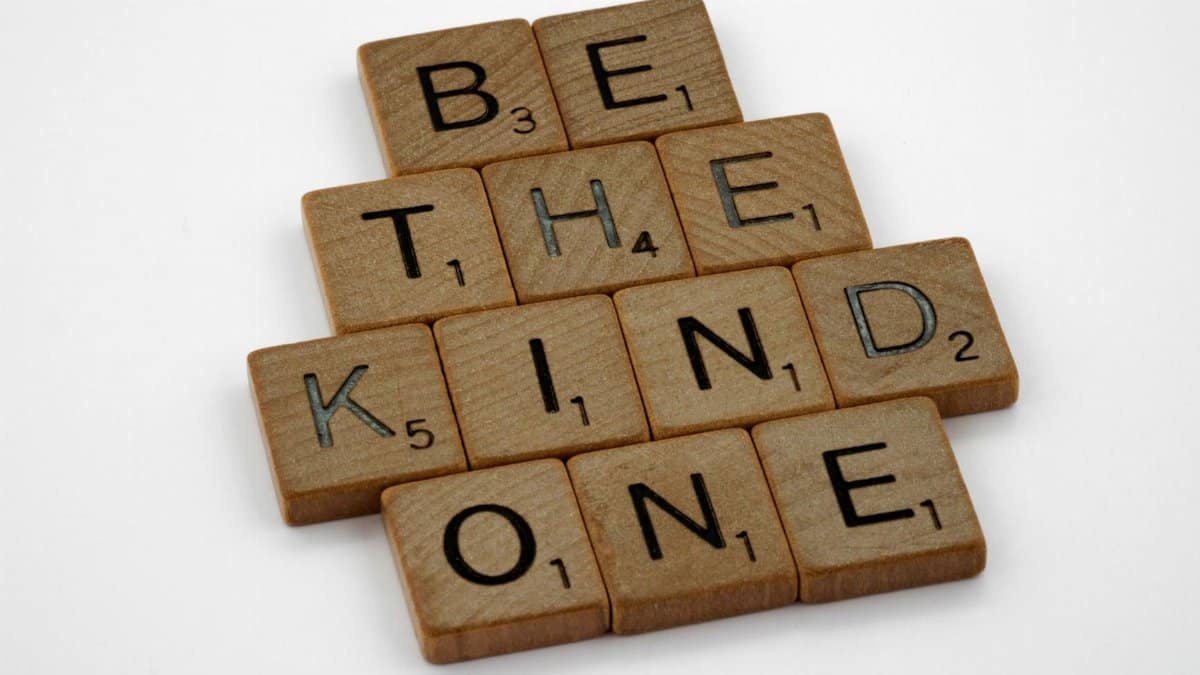
The manner of cancellation significantly influences how it is received. Simple, direct communication that expresses both regret and appreciation lands far better than elaborate excuses. A brief note acknowledging the change while reaffirming the value of the relationship preserves connection without unnecessary drama.
Many in their middle years report that once they began cancelling with honesty and warmth, their friendships actually deepened. The pretense of having infinite energy had kept relationships somewhat superficial. Greater honesty invited greater honesty in return.
The Middle Age Reckoning with Limited Energy

Energy is not what it was at 25. Hormonal shifts, accumulated life stress, and increased responsibilities create a different operating system. What felt manageable a decade ago can now trigger genuine overload. Recognizing this biological reality represents wisdom rather than defeat.
Many readers in this age group describe a profound sense of liberation once they stopped apologizing for their limitations. They discovered that their most meaningful relationships survived and often improved when built on realistic expectations rather than performative enthusiasm.
Rebuilding Social Life on Authentic Terms

The goal is not to cancel more but to participate more genuinely. Some people are finding smaller, more flexible ways to connect that honor both their need for rest and their desire for community. Morning walks instead of evening parties. Spontaneous coffee rather than formal dinners. These adjustments often lead to richer conversations and less performance.
Others are curating their social circles with greater intention, choosing depth over breadth. The relief of fewer obligations creates space for the relationships that matter most. This pruning, while initially uncomfortable, frequently leads to more satisfying social lives.
Practical Steps Toward Greater Freedom

Start small. Practice cancelling low stakes plans first. Notice the actual reaction compared with what the mind predicted. Keep a quiet record of these experiences to retrain the anxious brain with evidence rather than assumptions.
Develop a few reliable phrases that feel natural. “I need to honor some rest this weekend after all” lands more gracefully than vague excuses. Offer a specific alternative when possible, though research shows this is less necessary than many assume.
Consider discussing the topic openly with close friends. Many discover they share the same secret dread of social overload. These conversations often become bonding experiences that normalize what was once hidden.
A More Compassionate Future

The cultural conversation around mental health has created room for greater honesty about social capacity. What once might have been seen as flaky is increasingly understood as responsible self awareness. This shift benefits everyone by lowering collective pretense and exhaustion.
For those navigating middle age with social anxiety, the research offers permission to breathe. The relationships that matter will survive honest adjustments. The ones that cannot may have been sustained more by duty than genuine connection anyway.
Perhaps the most spiritual insight here is that showing up authentically serves both self and others better than showing up exhausted. When people bring their genuine presence rather than their performed availability, relationships have the chance to deepen in ways impossible under the old rules of constant accommodation.
The evidence is clear. Learning to cancel with grace and discernment is not a character flaw. For many, it becomes an unexpected pathway to reduced anxiety, stronger boundaries, and ultimately more meaningful social connections. The plans we release sometimes matter less than the peace we reclaim in their place.