
**As we stand on the cusp of a new year** mental health professionals are paying close attention to forces that will shape how we understand the mind. Picture a middle aged woman in a suburban home turning to a digital companion for guidance after a sleepless night or a retiree in coastal Florida grappling with persistent dread after yet another season of powerful storms. These moments capture something essential about the present era where technology environmental pressures and the search for meaning converge. The psychology trends 2026 reflect this convergence according to the American Psychological Association offering a window into both innovation and the enduring human need for connection purpose and resilience.
What emerges is a field increasingly attuned to the intersections of science and the spirit. Psychologists are not simply treating symptoms but exploring how people find stability when familiar structures shift. For readers who have witnessed the rapid changes of recent decades these developments feel both promising and sobering. They suggest that caring for mental health will require wisdom drawn from diverse traditions including those that honor inner experience community and our relationship with the living world.
Artificial Intelligence Steps into the Role of Companion
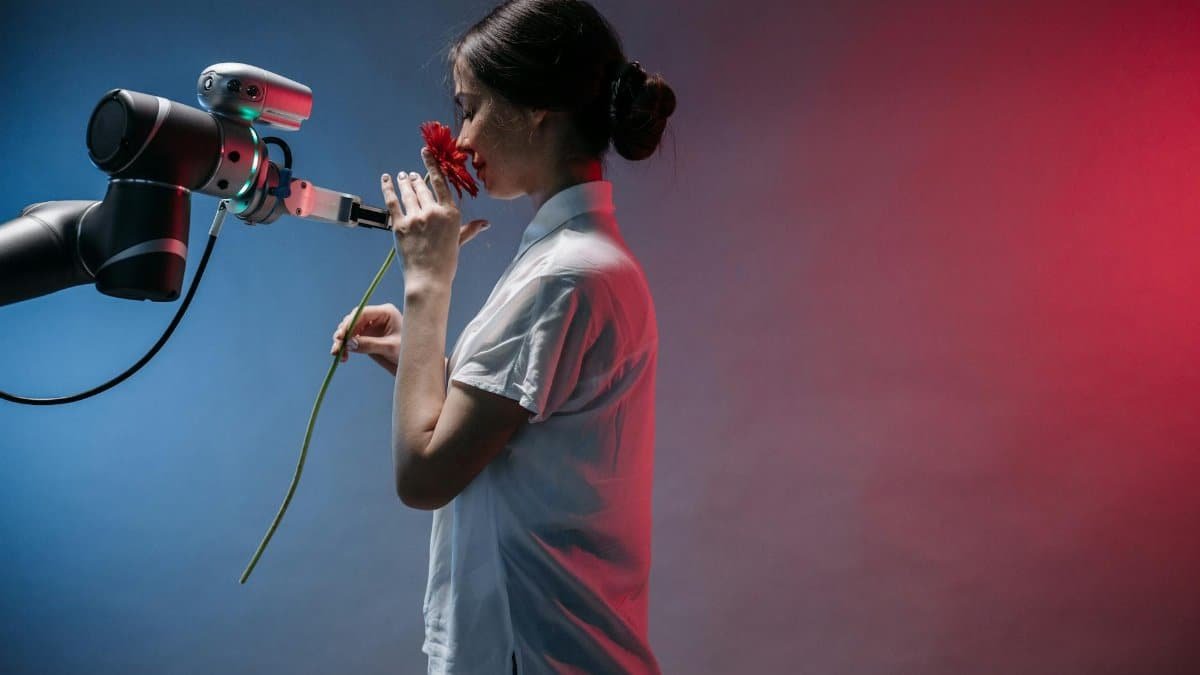
Among the most visible psychology trends 2026 is the expansion of artificial intelligence into everyday emotional support. Advanced systems can now maintain extended conversations remember personal histories and deliver tailored cognitive exercises at any hour. For many middle aged adults juggling career demands family responsibilities and personal worries these tools remove barriers that have long limited access to care.
Yet the technology raises profound questions. Can an algorithm truly witness suffering in the way another person can? The APA report (https://www.apa.org/monitor/2026/01-02/nine-trends-to-watch) stresses the importance of human oversight and ethical guidelines. Early research from Johns Hopkins University (https://www.hopkinsmedicine.org/news/newsroom/news-releases/2025/ai-therapy-boundaries) suggests that while AI companions reduce feelings of isolation they work best when paired with periodic guidance from licensed professionals. The trend points toward a hybrid model rather than full replacement.
Climate Shifts Bring New Mental Health Challenges

Behavioral responses to severe weather have moved from niche concern to mainstream focus. Psychologists report rising numbers of patients experiencing eco anxiety solastalgia and posttraumatic stress after floods wildfires and extreme heat. These reactions differ from traditional disorders because the threat feels both immediate and planetary.
Researchers at Yale University (https://yaleclimateconnections.org/2025/climate-mental-health-study/) have documented how repeated exposure to climate impacts can erode a sense of safety and future orientation particularly among those in their forties and fifties who worry about their children and aging parents. Treatment approaches now emphasize building collective efficacy and reconnection with nature. Some practitioners incorporate practices drawn from contemplative traditions to help people process grief while renewing their sense of agency.
Psychedelic Medicines Find Their Place in Psychiatry
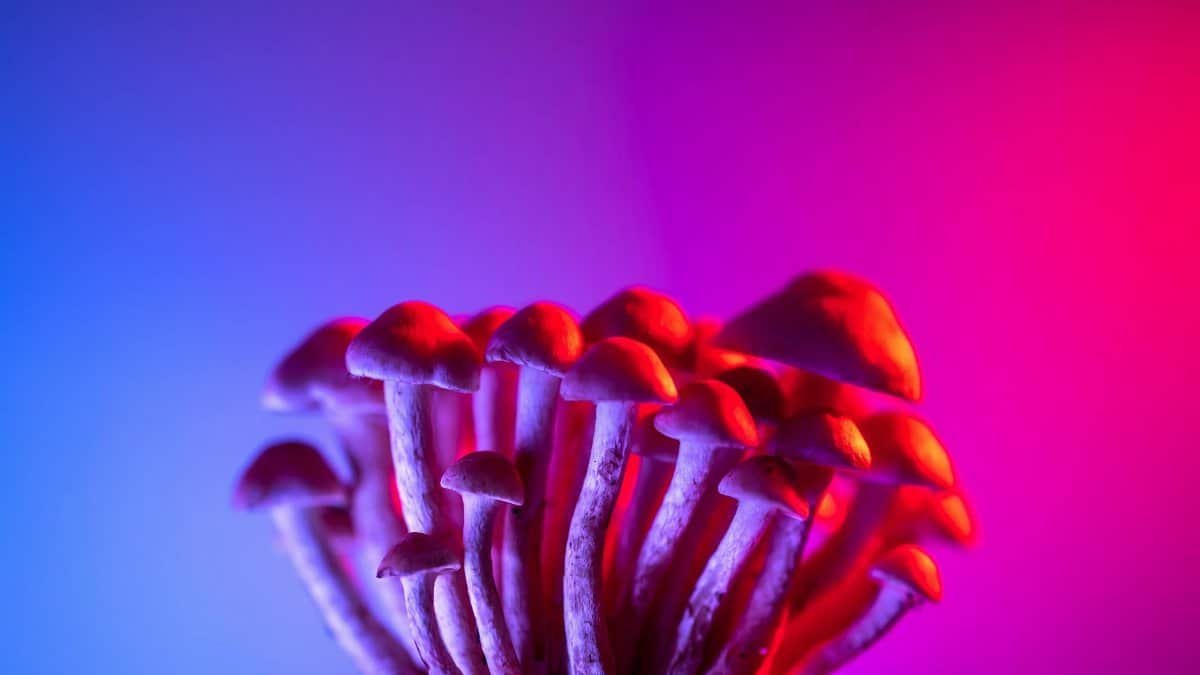
Clinical trials involving psilocybin MDMA and ketamine have produced results strong enough to shift these substances from counterculture to clinic. By 2026 several protocols are expected to gain broader approval for treatment resistant depression and posttraumatic stress.
What interests many observers is the reported sense of spiritual significance that often accompanies these sessions. Patients frequently describe encounters with profound unity or personal insight that mirror experiences long cultivated in meditation or prayer. The University of California San Francisco maintains careful ethical frameworks (https://psych.ucsf.edu/psychedelic-research) to help integrate these powerful states into lasting therapeutic gains rather than fleeting highs. For spiritually inclined readers this development suggests psychology may reclaim territory it once ceded to religion.
Wearable Devices Monitor Emotional Wellbeing
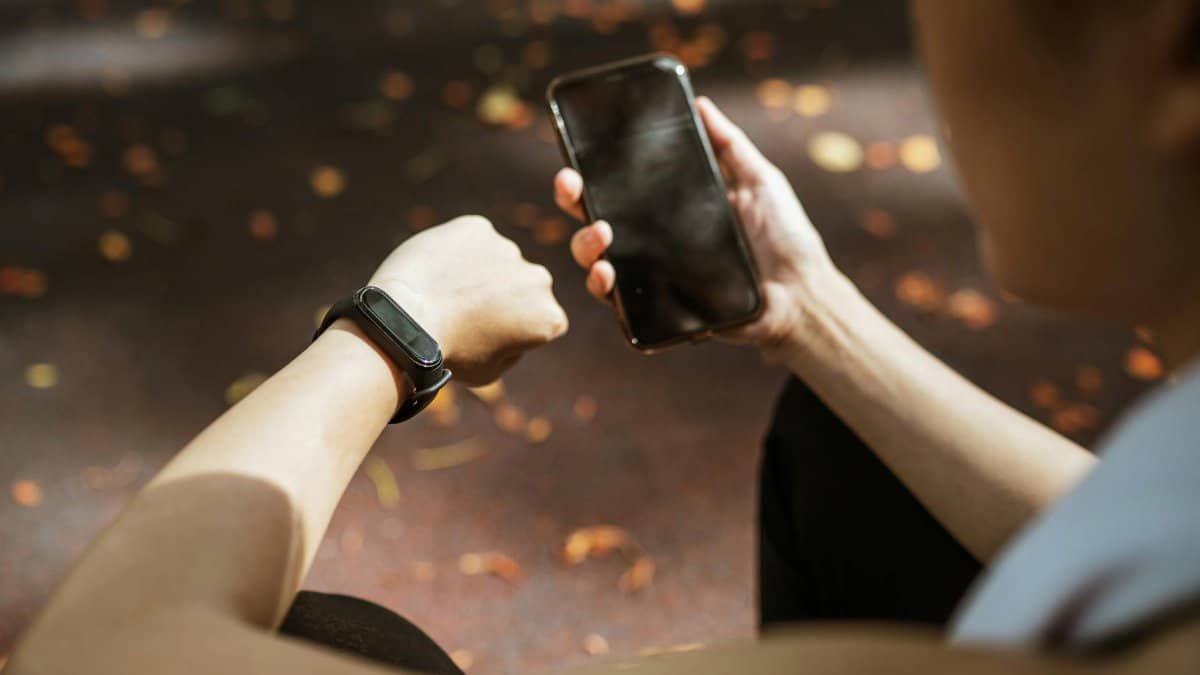
Smart rings watches and even clothing now track heart rate variability sleep patterns and vocal tone to offer realtime insights into emotional states. This quantification appeals to many middle aged professionals accustomed to measuring steps and calories who now want data about their stress levels.
The technology creates new possibilities for early intervention but also fresh risks of obsession. Psychologists warn that constant self tracking can heighten anxiety in some users. A balanced approach recommended in the APA outlook combines device feedback with reflective practices that cultivate self compassion beyond numbers. When used thoughtfully these tools may help people notice subtle shifts before they become crises.
The Science of Consciousness Attracts Fresh Interest
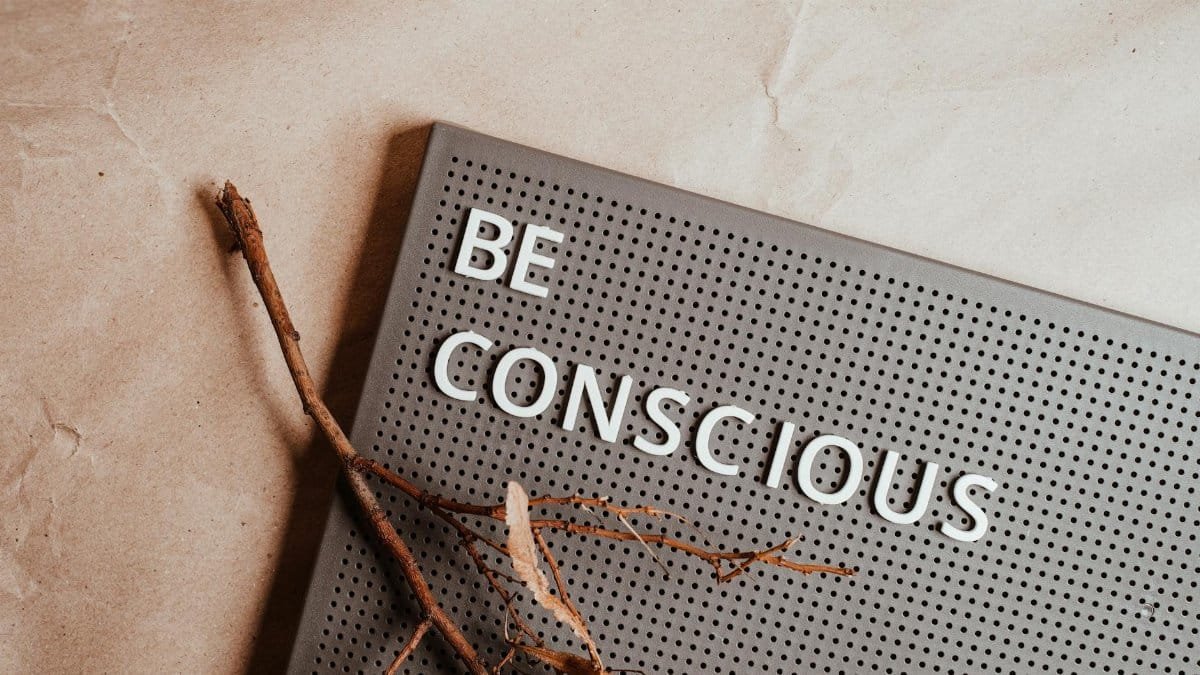
Psychology trends 2026 show renewed respect for the study of consciousness itself. Neuroscientists contemplative scholars and clinicians are collaborating to understand mystical states transcendent experiences and the nature of awareness. This work resonates with readers who have explored meditation yoga or prayer yet wondered how these practices affect the brain and sense of self.
Institutions such as the University of Virginia Division of Perceptual Studies (https://med.virginia.edu/perceptual-studies/) continue rigorous examination of phenomena once dismissed as unscientific. Findings suggest that certain experiences reported across spiritual traditions correlate with measurable changes in brain function and reported levels of compassion and life satisfaction. The trend indicates that psychology may increasingly serve as a bridge between empirical rigor and the deepest questions of meaning.
Communities Foster Healing through Social Connections
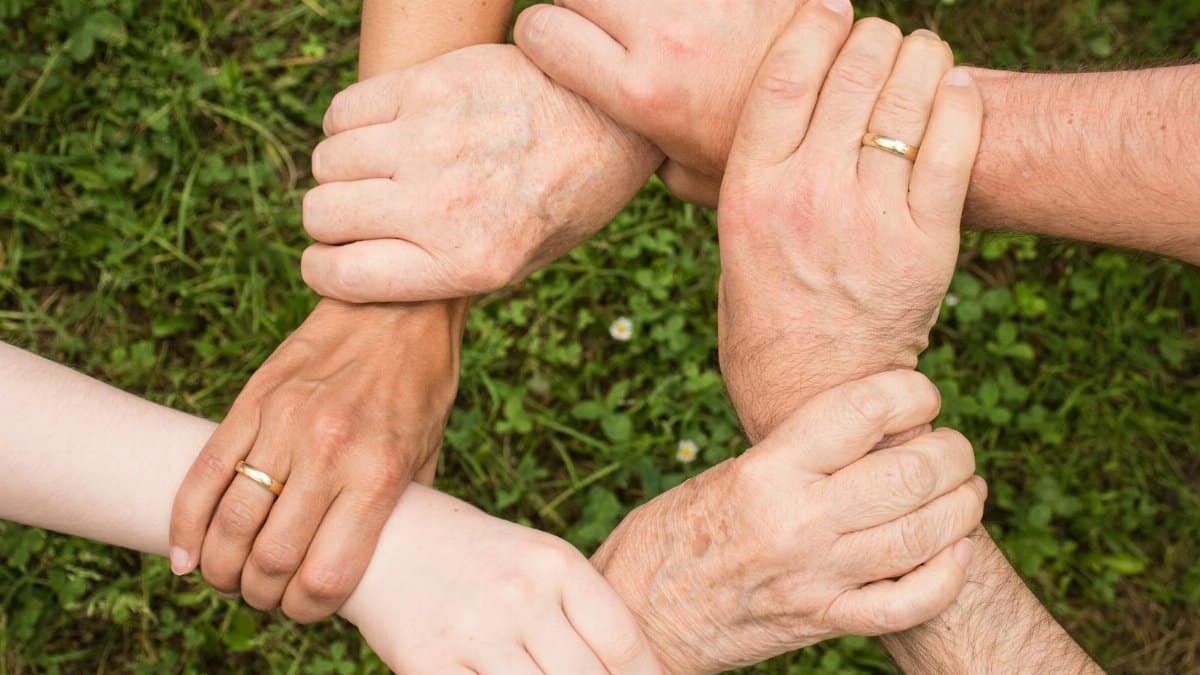
Social prescribing is gaining momentum as physicians and therapists refer patients to community gardens choirs volunteering programs and neighborhood walking groups. Rather than adding another medication many practitioners now consider whether isolation itself is the primary affliction.
This shift aligns with spiritual wisdom about the primacy of relationship. Middle aged adults who have watched their social circles shrink amid busy careers and empty nests often respond powerfully to structured opportunities for connection. Early data from pilot programs in Pennsylvania and Oregon show measurable improvements in mood and sense of belonging that rival some pharmaceutical interventions.
Virtual Reality Opens Doors to New Therapeutic Techniques
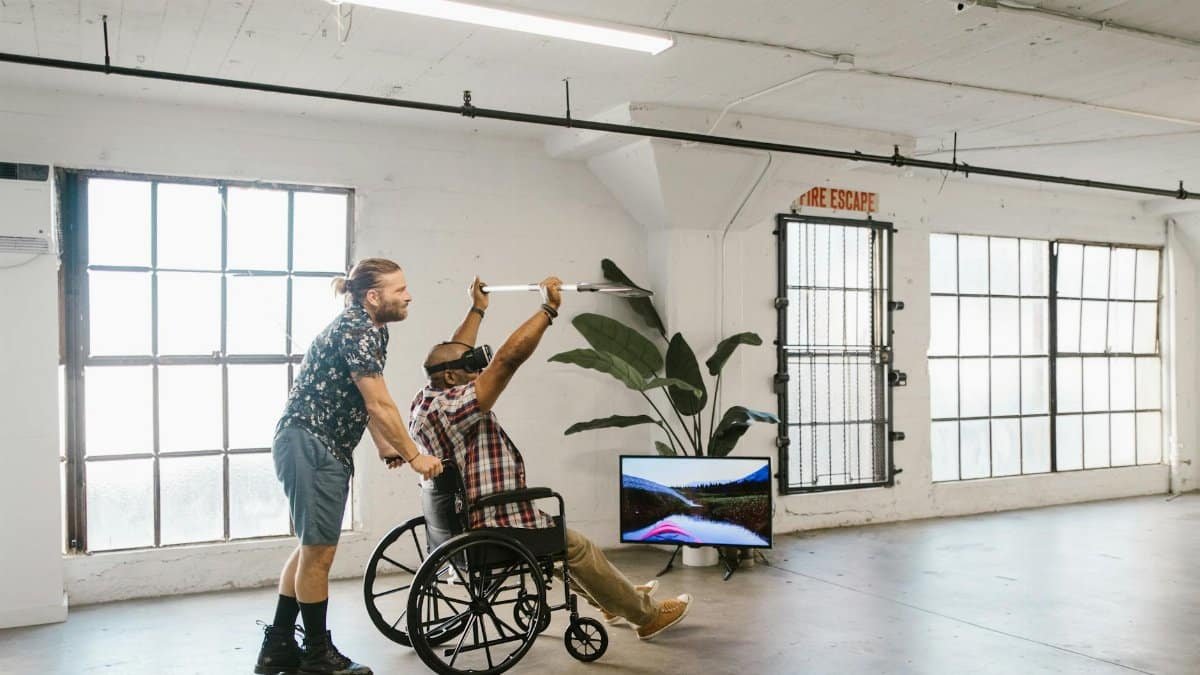
Immersive environments allow patients to confront phobias rehearse social skills or experience peaceful natural settings unavailable in daily life. Clinicians are also exploring virtual spaces for guided imagery and simulated encounters with deceased loved ones to support grief work.
The technology carries spiritual implications when used to evoke awe or facilitate perspective shifting. Researchers at Stanfords Virtual Human Interaction Lab (https://vhil.stanford.edu) document how carefully designed experiences can produce lasting increases in empathy and environmental concern. As the equipment becomes more affordable virtual reality may democratize certain transformative practices once limited to those who could afford retreats.
An Aging Population Demands Nuanced Approaches

With millions of baby boomers reaching their seventies psychologists are developing specialized frameworks for late life purpose anxiety and cognitive change. The work extends beyond memory concerns to address existential questions that intensify with age.
Many older adults seek integration of life experiences and reconciliation with past choices. Therapeutic models that incorporate life review narrative techniques and contemplative elements show particular promise. This trend invites all of us to reconsider what mental health means across decades rather than treating aging as mere decline.
Collective Trauma Requires Broad Solutions
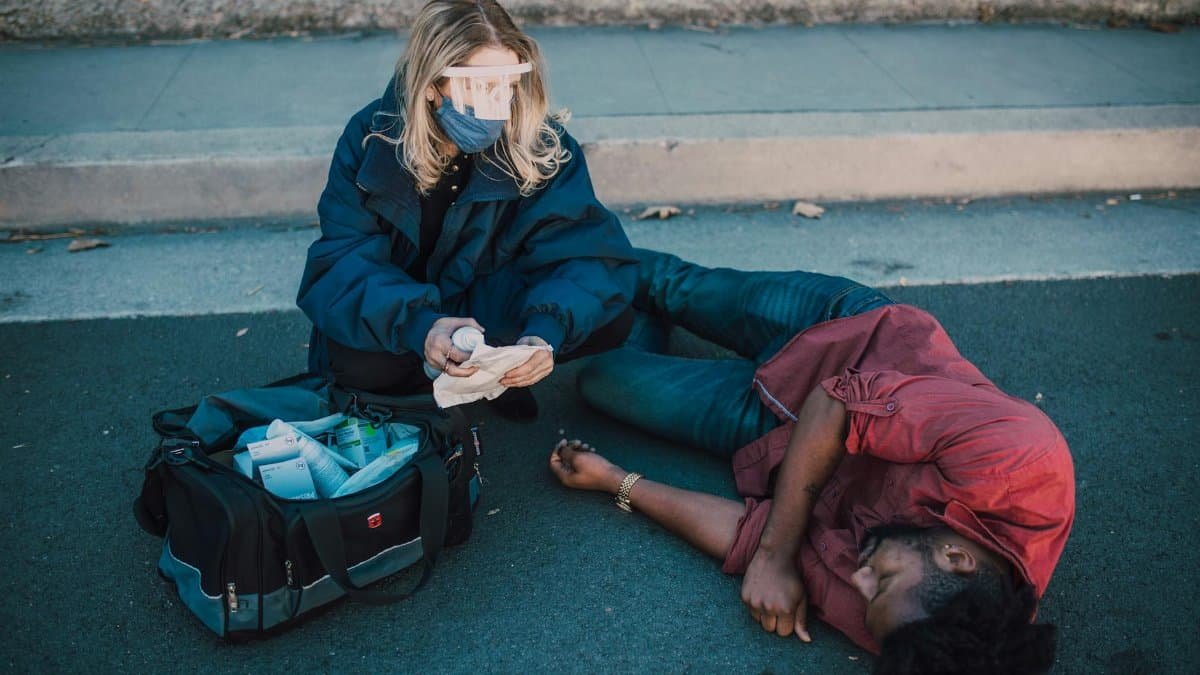
Years of political division pandemic aftermath and accelerating climate events have left marks on the national psyche that individual therapy alone cannot address. Community healing circles public rituals and large scale resilience programs are being piloted with encouraging early results.
These efforts recognize that some wounds are shared and must be tended collectively. The approach echoes spiritual traditions that have long understood the power of gathering to acknowledge suffering and renew hope. Psychologists are learning to facilitate such processes while maintaining scientific grounding.
What These Developments Mean for Daily Life

The psychology trends 2026 ultimately return us to timeless concerns about how to live with awareness compassion and purpose amid uncertainty. Whether working with an AI companion processing grief after a natural disaster or exploring consciousness through clinical or contemplative means people are seeking the same thing: a sense of being deeply seen and connected to something larger than themselves.
Rather than viewing these trends as disconnected phenomena we might see them as expressions of a single underlying movement toward integration. The most skillful response may combine the best of new tools with the hard earned wisdom of spiritual and communal traditions. For those of us in the middle years of life these developments arrive at a moment when many are asking what matters most. The answers that emerge in 2026 and beyond will likely be as much about heart and spirit as they are about brain and behavior.