
In the heart of Melville a sense of anticipation has been building for years. After a four year delay that tested the patience of local food enthusiasts the much discussed modern American eatery has finally thrown open its doors. This new establishment promises to redefine dining in the area by blending innovative cuisine with a deep sense of community and mindful consumption. For many in this suburban enclave the opening represents more than just another restaurant. It signals a return to shared experiences around the table something that feels especially meaningful in our fast paced world. Residents who have watched the construction site with curiosity will now have the chance to experience what careful planning and dedication can achieve.
The Years of Patient Expectation
The four year wait for this project became a local saga that mirrored broader shifts in how Americans gather. What started as a straightforward restaurant plan in 2019 soon collided with a global pandemic supply chain disruptions and complex permitting processes. Rather than rush the opening the developers chose to pause and reconsider every element from layout to menu philosophy. This extended timeline allowed for deeper conversations with community members about what they truly wanted from a dining experience. Many middle aged residents expressed a longing for spaces that moved beyond hurried meals toward something more intentional. The delay ultimately transformed initial frustration into genuine excitement. When the team finally announced the opening date earlier this month the response was immediate with reservations filling up within hours.
Defining the Modern American Eatery
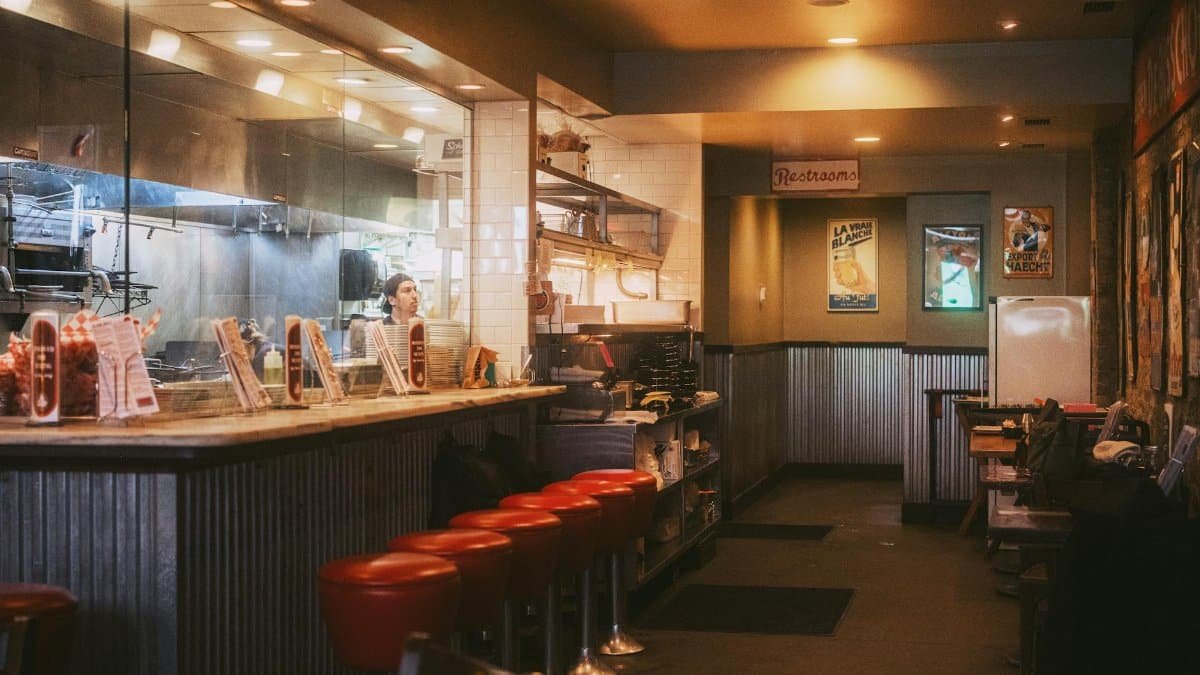
At its core this modern American eatery seeks to capture the diversity of our national palate while grounding itself in seasonal rhythms and regional traditions. The concept draws from classic American roadside diners elevated farm stands and the creative energy of immigrant kitchens that have shaped our food culture. Yet it avoids rigid definitions choosing instead to evolve with the ingredients available each week. Chefs here focus on dishes that feel both familiar and surprising such as a carefully roasted chicken paired with fermented vegetables or a grain bowl that changes with the harvest. This approach reflects a growing desire among diners particularly those in their forties and fifties to understand where their food comes from and how it connects them to larger cycles of nature and community.
Creating an Environment for Connection

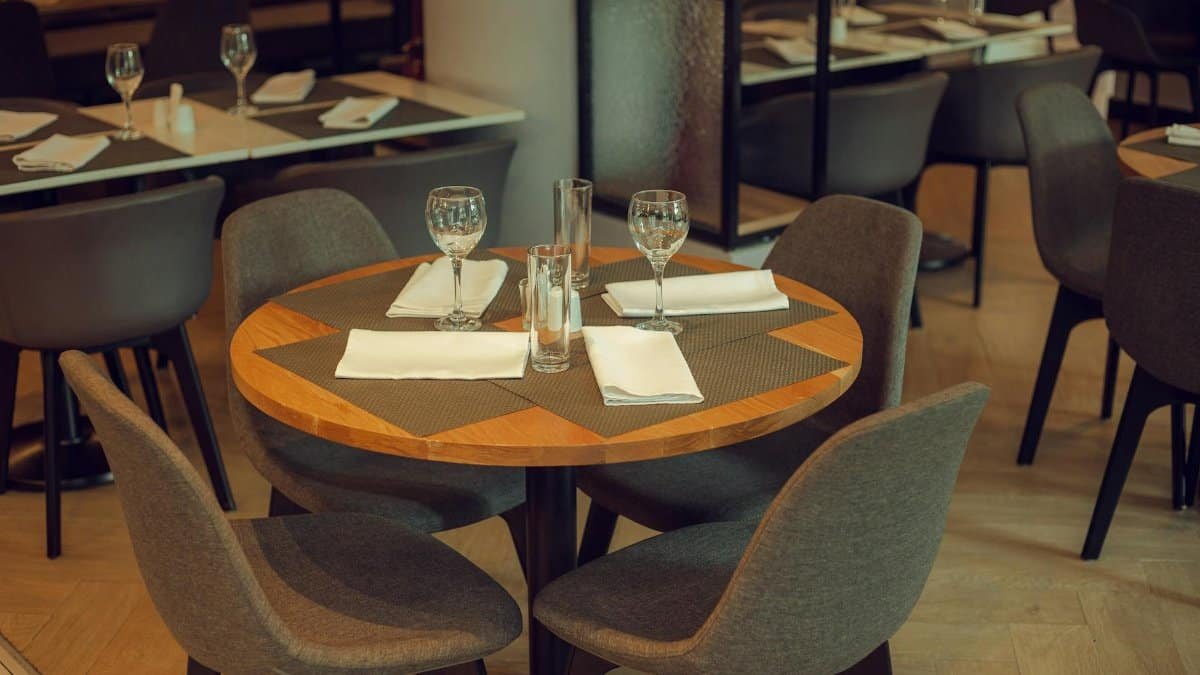
The physical space itself has been designed with human connection as its primary purpose. Warm lighting crafted from natural materials and thoughtfully arranged seating encourage conversation rather than isolation. Tables vary in size to accommodate everything from intimate couple dinners to larger family gatherings. Acoustic elements ensure that voices carry comfortably without creating overwhelming noise. In an era when many middle aged Americans report feeling increasingly disconnected this modern American eatery offers a physical antidote. The layout includes several communal tables where strangers might find themselves sharing stories over plates of food. Early visitors have already noted how the design seems to slow down time allowing for the kind of unhurried interaction that feels increasingly rare.
The Menu as a Reflection of Values

Menu development for this venture took nearly two years of testing and refinement. Executive chef Marcus Chen drew inspiration from his own upbringing in California combined with techniques learned in New York kitchens. Signature offerings include a maple glazed brisket served with root vegetables and an herb sauce that changes with the seasons. Vegetarian options receive equal attention rather than functioning as afterthoughts. A barley risotto with wild mushrooms has already become a favorite among early diners. Each dish tells a story about sustainability respect for labor and the pleasure of eating well. Portion sizes strike a balance that satisfies without excess reflecting a conscious approach to both health and resource use. The beverage program similarly emphasizes small producers and creative nonalcoholic options for those seeking alternatives.
Food as a Pathway to Mindfulness

What distinguishes this establishment within the current dining landscape is its subtle emphasis on mindfulness. The team has incorporated elements that invite guests to be more present with their meals without ever feeling preachy. Servers receive training that encourages them to share brief stories about ingredients when appropriate. A small card on each table offers an optional reflection prompt for those interested though it is never required. This approach aligns with broader spiritual trends that view everyday acts like eating as opportunities for gratitude and awareness. Research from the University of California Berkeley has shown that mindful eating practices can reduce stress and improve overall wellbeing. The modern American eatery does not position itself as a wellness center yet it creates conditions where such benefits might naturally emerge through atmosphere and intention.
Sourcing Ingredients with Purpose

Relationships with local farms and producers form the backbone of the kitchen operation. The team spent the extended waiting period building connections with growers across Long Island and the Hudson Valley. Many of these partnerships began as tentative conversations years ago and have now matured into reliable supply chains. This commitment goes beyond marketing language to become a central operating principle. For instance the restaurant works directly with a fishery in Montauk to ensure seafood arrives within twenty four hours of harvest. Such practices reflect a form of stewardship that resonates with many middle aged diners who worry about environmental legacy for their children. By maintaining transparency about sourcing the establishment invites guests to consider their own relationship with the food system in new ways.
Community Voices on the New Arrival

Reactions from Melville and surrounding areas have been largely enthusiastic though not without nuance. Sarah Thompson a teacher in her mid fifties waited three years for the opening after first reading about the project. She describes her first meal there as surprisingly emotional noting how it reminded her of family dinners from her childhood but with elevated technique. Local business owner Richard Morales appreciated the restaurants decision to hire many staff members from the immediate community. Not every voice has been entirely positive with some expressing concern about whether prices will remain accessible over time. Yet even these skeptics acknowledge the care evident in every detail. The opening has already sparked new energy in the neighborhood with nearby shops reporting increased foot traffic on busy evenings.
Overcoming Obstacles Along the Way

Bringing this vision to reality required persistence through countless challenges. Supply chain issues during the pandemic threatened to derail carefully laid plans while labor shortages made staffing difficult. The team made the difficult choice to delay rather than compromise on quality or values. This decision came with financial risks that tested the commitment of everyone involved. Architects revised blueprints multiple times to incorporate feedback from potential diners and health experts. Through it all the core idea remained constant: to create a space where food serves as both nourishment and connection. The successful navigation of these hurdles offers lessons for other ventures in the hospitality industry particularly those seeking to balance commercial realities with higher purpose.
Building New Traditions in Dining

Looking forward the restaurant plans to establish traditions that extend beyond standard service. Monthly community dinners will bring together diverse groups for shared plates and facilitated conversation. Seasonal celebrations will highlight ingredients at their peak while educational workshops will explore topics from fermentation to food history. These initiatives aim to position the modern American eatery as more than a place to eat but as a hub for meaningful gathering. For many in middle age who find traditional community spaces less available such opportunities feel particularly welcome. Early indications suggest strong interest in these programs with waitlists already forming for the first events.
The Broader Significance for American Culture

This opening arrives at a moment when many Americans are reconsidering their relationship with food work and community. After years of isolation and digital overload there appears to be a quiet hunger for experiences that ground us in physical space and human connection. The modern American eatery in Melville embodies this search by offering thoughtful cuisine in an atmosphere designed for presence rather than performance. Its success or challenges will likely influence other establishments seeking similar balance. More importantly it contributes to an evolving conversation about what constitutes meaningful living in contemporary America. In a small but significant way places like this remind us that breaking bread together remains one of our most enduring and adaptable spiritual practices. As more diners discover what has been waiting in Melville one hopes the lessons learned during those four years of preparation will continue to shape how we come together around tables for years to come.