
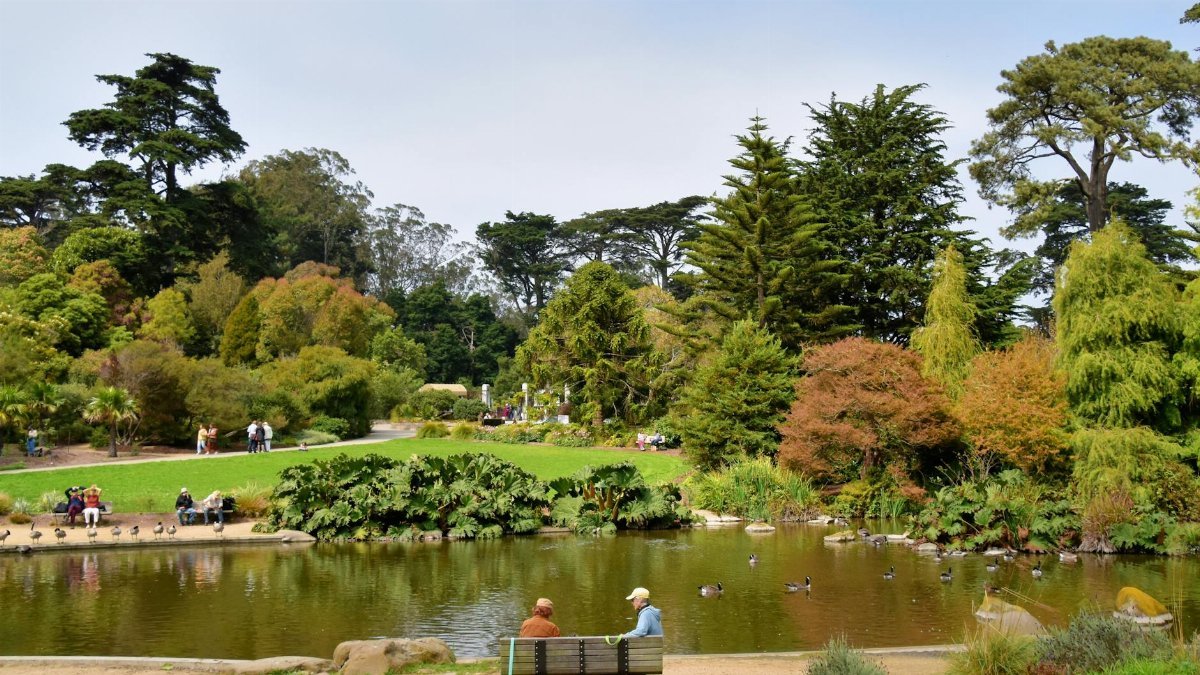
On a typical morning in San Francisco, the sounds of a Beethoven sonata might compete with the calls of seabirds near the ocean. Someone has claimed a seat at one of the public pianos scattered throughout Golden Gate Park, losing themselves in the music as joggers and dog walkers pass by. These instruments have become an essential part of the park experience for countless visitors and locals alike. They offer a democratic space where talent is optional and participation is everything. Now, however, maintaining this beloved tradition requires significant investment. City officials have approved a multimillion dollar plan to restore and preserve these pianos. The decision has sparked conversations about the value of cultural amenities in urban green spaces and what society chooses to protect.
The Enduring Charm of Street Pianos
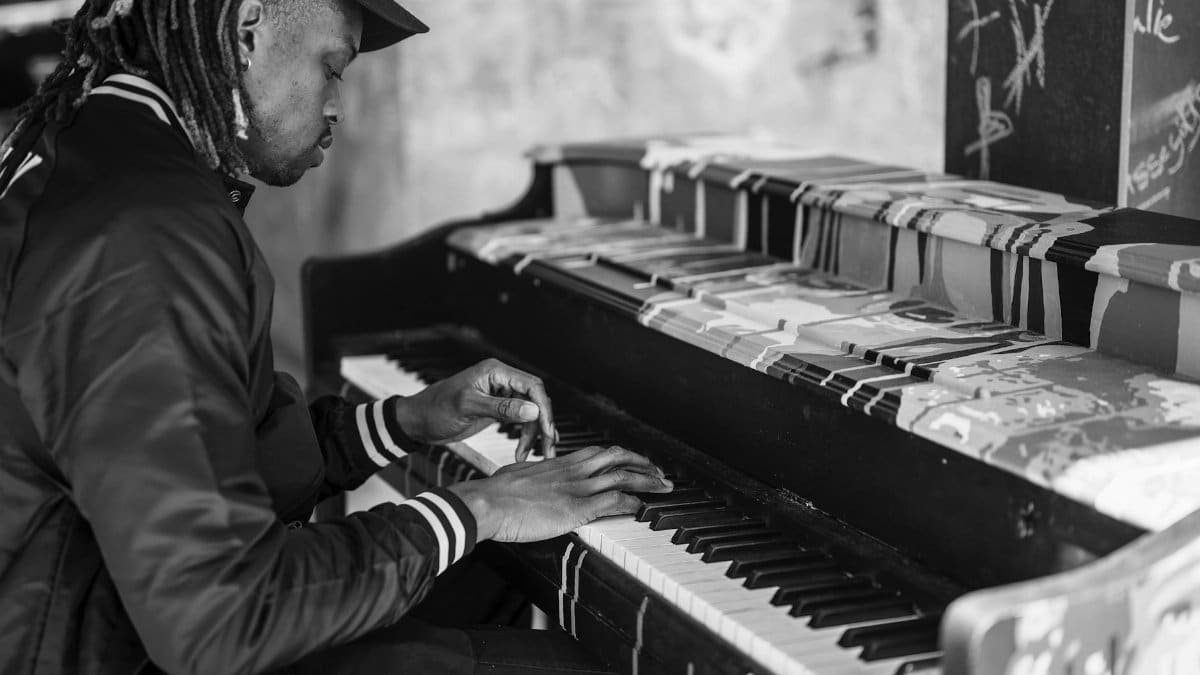
Public pianos first appeared in Golden Gate Park more than a decade ago as part of a larger movement to bring spontaneous music into city life. What began as a handful of painted uprights has grown into a network of instruments that transform ordinary paths into stages. Middle aged walkers often stop not to perform but simply to listen. The music creates brief communities around a shared moment of beauty.
Unlike formal concert halls, these pianos demand nothing. No ticket. No reservation. No dress code. A grandmother might play a hymn. A teenager could attempt jazz. The results vary wildly yet somehow always feel perfect within the surrounding landscape of cypress and eucalyptus. This accessibility explains why so many residents feel protective of them.
Researchers have documented how unplanned musical encounters improve mood and reduce feelings of isolation. One study from the University of California tracked emotional states before and after park visitors interacted with the instruments. Participants reported higher levels of calm and connection afterward. The full findings can be reviewed at this NIH report on community music.
Tracing the Origins of This Musical Movement

The concept owes much to the international Play Me, I Am Yours project that began in England and spread to dozens of cities. San Francisco embraced the idea with particular enthusiasm, painting pianos in bright murals that reflect the city diverse artistic spirit. Volunteers maintained them for years until weather and heavy use took their toll.
Park officials initially viewed the pianos as temporary installations. Their surprising popularity changed that assessment. What started as an experiment became a fixture that many consider central to the park identity. Older residents remember when the first ones appeared near the de Young Museum. They recall how quickly the instruments began drawing crowds even on cold foggy days.
This evolution mirrors larger shifts in how cities think about public space. Rather than simply providing grass and benches, municipalities now invest in experiences that feed the spirit. Music in natural settings seems to fulfill a deep human need that transcends entertainment.
Understanding the Toll of Time and Weather
Salt air from the nearby Pacific has not been kind to wooden instruments. Keys stick. Tuning pins loosen. Some pianos have developed cracks in their soundboards after years of exposure to dampness and temperature swings. The colorful paint that once made them landmarks has faded and chipped.
Technicians who service the instruments describe the damage as extensive yet not beyond repair. Each piano requires individual assessment. Some need new strings and action mechanisms. Others require complete rebuilding of their cases to withstand another decade of outdoor life. The restoration cannot be rushed without compromising quality.
Park staff have quietly removed several instruments over recent years when repairs became impossible. Their absence created noticeable gaps in the musical landscape that regulars quickly noticed. The current project aims to prevent further losses while upgrading the remaining collection.
Breaking Down the Restoration Budget

The price tag has raised eyebrows even among supporters. At approximately 3.8 million dollars, the project includes not only repairs but climate resistant cases, improved anchoring systems, and regular maintenance contracts for the next ten years. Materials alone account for a substantial portion given the need for marine grade components.
Critics point out that San Francisco faces pressing challenges including homelessness and infrastructure repairs. They question whether expensive pianos should rank high on the priority list. Supporters counter that cultural assets matter deeply to quality of life and help justify the taxes residents pay for parks.
City supervisors ultimately approved the expenditure after hearing testimony from musicians, seniors, and mental health advocates. The debate revealed how differently people value intangible benefits versus immediate practical needs. Both perspectives contain truth.
Securing Support for the Project
Funding comes from multiple sources including park improvement bonds, private donations, and grants from arts foundations. The largest single contribution arrived from a technology executive who remembered playing one of the pianos during difficult periods in his life. His gift came with no naming rights, only a request that the instruments remain free and accessible.
Smaller donations arrived through crowdfunding from people who shared personal stories about the pianos impact on their families. One woman wrote about how her husband with dementia would play familiar songs for thirty minutes at a time, finding temporary clarity through music. Stories like these proved persuasive with decision makers.
The broad base of financial support suggests the pianos touch lives across economic and generational lines. This universality strengthens arguments for their preservation as truly public goods.
Local Residents Share Their Thoughts
Interviews conducted near the instruments reveal consistent themes. Many middle aged visitors describe the pianos as sources of unexpected peace during stressful times. A nurse from the Mission District stops by twice weekly after shifts at the hospital. She does not play but sits nearby while others perform, allowing the music to wash away the tension of her work.
A retired teacher who walks the park daily believes the instruments foster a gentler civic culture. He has witnessed strangers applauding children attempts and offering gentle encouragement. In an era of division, these small interactions feel significant.
Not everyone supports the restoration cost. A fiscal watchdog group argues the money could fund additional park rangers or trail maintenance. Their concerns deserve consideration even if they do not ultimately prevail. The conversation itself proves healthy for democratic governance of public resources.
The Healing Power of Music in Open Spaces
Scientific evidence continues to mount regarding musics effect on human wellbeing. Playing or listening to music outdoors appears to offer benefits beyond what either activity provides separately. The combination of fresh air, natural surroundings, and live sound creates what some researchers describe as a perfect environment for emotional regulation.
Doctors at local hospitals have begun informally recommending park visits to patients dealing with anxiety or grief. The suggestion sounds almost too simple yet produces measurable results. Cortisol levels drop. Heart rates stabilize. Something about the setting allows people to process difficult emotions more effectively than in clinical environments.
This aligns with growing interest in spiritual practices that emphasize presence and connection rather than dogma. The pianos facilitate a non religious yet deeply spiritual experience available to anyone who pauses long enough to receive it. No membership required. No belief system demanded.
Blending Artistic Expression With Natural Beauty

The park setting elevates the music in ways indoor venues cannot match. Birds sometimes seem to respond to certain pieces. Wind through the trees provides natural percussion. Fog softens sound while sunlight creates shifting patterns across the instruments painted surfaces.
Artists have begun incorporating the pianos into larger environmental projects. One composer wrote a series of pieces meant to be performed at specific times of day to harmonize with changing light conditions. Another group organizes seasonal celebrations built entirely around the instruments and their place within the larger ecosystem.
These efforts suggest the pianos potential extends far beyond simple recreation. They become bridges between human creativity and the natural world, offering experiences that nourish both aesthetic and spiritual dimensions of life.
Overcoming Obstacles in Instrument Care
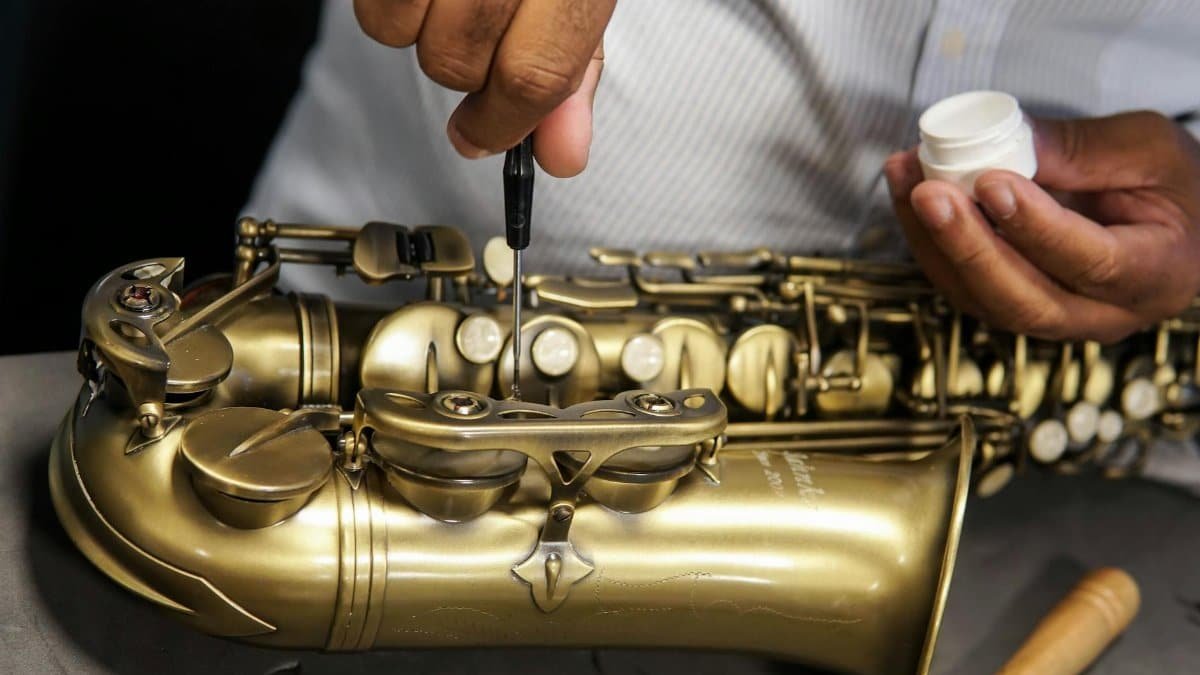
Maintenance in an outdoor environment presents unique difficulties. Vandalism, though relatively rare, does occur. Weather exposure requires constant vigilance. Finding qualified technicians willing to work under these conditions has grown increasingly challenging.
The new restoration plan addresses many of these issues through better materials and improved monitoring systems. Sensors will eventually track humidity levels inside the cases and alert staff to potential problems before damage occurs. Regular tuning schedules will be formalized rather than depending on volunteer availability.
Education campaigns will also teach visitors proper care of the instruments. Simple rules about covering keyboards during rain and avoiding excessive force when playing can dramatically extend the pianos lifespan. Respect for shared resources seems to grow when people understand the real costs involved.
Details of the Upcoming Upgrades
Each piano will receive individualized attention based on its condition and musical characteristics. Some will be returned close to their original factory specifications while others may be modified slightly for better outdoor performance. The distinctive artwork will be carefully restored by the same artists where possible.
New weatherproof covers will allow the instruments to remain available during light rain. Reinforced legs and anchoring systems will prevent tipping during windstorms. Interior components will receive protective coatings designed to resist salt corrosion.
The project timeline spans eighteen months to minimize disruption. Instruments will be removed and replaced in small groups so that musical opportunities remain available throughout the park. When complete, the collection should require significantly less intensive maintenance while preserving its character.
Ensuring the Legacy Continues
The true test will come years from now when current decision makers have moved on. Will future generations recognize the value of these instruments enough to maintain them? The current investment buys time for deeper cultural embedding of the pianos within San Francisco identity.
Schools have expressed interest in bringing students to play and learn about the instruments history. Music programs serving underserved communities see opportunities for outdoor performances that might not otherwise be possible. These connections with younger residents offer the best guarantee of long term support.
Ultimately the pianos represent more than entertainment. They embody a belief that beauty and shared experience matter even, perhaps especially, in challenging times. Their restoration at considerable cost reflects a conscious choice to prioritize certain qualities of urban life. Whether that choice proves wise will be measured not in accounting ledgers but in the quiet moments when strangers gather around weathered keys to create something together that none could create alone.