
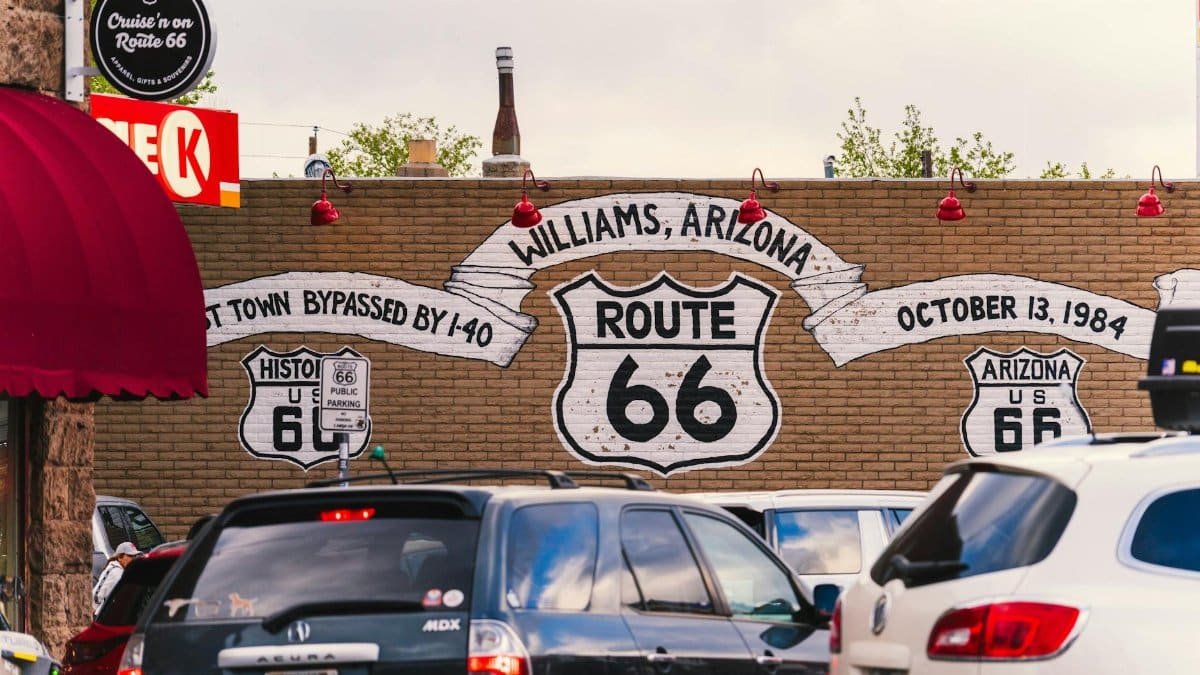
The sun dips low over the Illinois prairie casting long shadows across a row of whitewashed cabins. A hand painted sign welcomes weary travelers to the Cozy Motel one of the few remaining stops along what was once the main artery of American adventure. For people like owner Margaret Kline these Route 66 motels are more than just lodging. They are living museums cultural touchstones that connect us to a simpler time. Yet many stand on the brink of extinction threatened by time neglect and modern development. A dedicated community of innkeepers is fighting to keep their doors open. In doing so they sustain not only buildings but a sense of continuity in a country that often rushes toward the new.
These modest structures with their flickering neon and individual room doors represent a chapter of American life that feels increasingly distant. They speak of family road trips postwar optimism and the simple pleasure of pulling off the highway after a long day. The people who run them understand their fragility. Many describe the properties as highly endangered yet they remain open through determination creativity and a deep belief in their value.
The Enduring Allure of Classic Roadside Stays
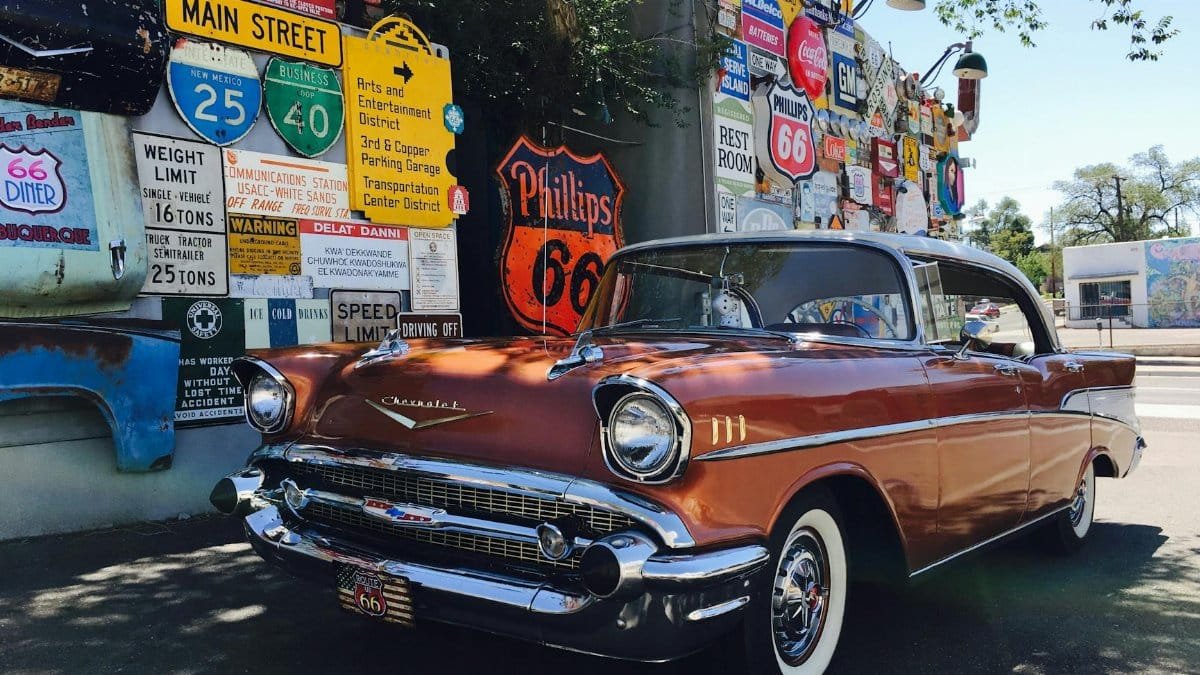
Route 66 motels emerged in the 1930s and 1940s as the automobile transformed how Americans moved. Independent owners built distinctive properties meant to stand out. Some featured stone cottages others sported space age designs or whimsical themes. Each offered a personal touch absent from todays interstate exits.
Travelers remember the thrill of spotting a bright sign after hours on the road. The motels became part of the journey itself. Their courtyards invited conversation while their offices displayed local maps and recommendations. This human scale created memories that chain hotels rarely match. Even now the surviving examples draw people seeking something genuine in an increasingly uniform landscape.
Meet the Stewards Fighting for Survival

Margaret Kline purchased the Cozy Motel in 1998 when it had sat vacant for three years. At the time she worked as a schoolteacher with no hospitality experience. What she possessed was a conviction that the property deserved another chapter. She cleaned rooms repaired fixtures and slowly brought the business back to life.
Further down the route in Missouri James Harlan and his wife Susan took over the Sunset Motel after his retirement from teaching. They spent their first two years replacing plumbing and restoring the original neon sign. Their children help during busy seasons but the daily work falls to the couple. They speak of the role with a sense of calling rather than mere occupation.
These stewards form a loose network trading advice on grants and restoration techniques. Their shared mission transcends individual properties.
One Womans Lifelong Commitment to History

Elaine Thompson first stayed at the Twilight Inn near Springfield as a child in 1962. Decades later after a career in banking she bought the property when its owner could no longer maintain it. Now in her seventies she still changes sheets and greets guests personally.
Thompson keeps meticulous records of every visitor who signs the guestbook. She can recount stories of a Korean War veteran who returns yearly and a young couple who became engaged in room number seven. Her devotion illustrates a larger truth. For some preserving these places satisfies a profound need to protect tangible links to the past. The work is physical demanding and often lonely yet she considers it meaningful service.
Economic Hurdles in a Fast Paced World

Operating a historic motel brings constant financial pressure. Modern travelers expect reliable WiFi and in room coffee stations yet many Route 66 motels occupy buildings constructed before such amenities existed. Upgrades are costly and returns remain modest.
Insurance rates have risen sharply while maintenance on aging roofs and vintage heating systems drains resources. Competition from discount chains located along the interstate diverts many potential customers. Still a growing niche of nostalgia tourists particularly retirees and European visitors has created new revenue streams. The stewards learn to market their properties as experiences rather than mere accommodations.
The Spiritual Significance of These Cultural Anchors

Beyond their architectural value these motels serve a deeper purpose. In a fragmented society they offer spaces where strangers exchange stories by the ice machine or rocking chairs. Guests often describe a sense of peace that eludes them in daily life. The open road itself functions as a form of moving meditation and the motels provide the necessary pauses for reflection.
Preservationists note that caring for these properties connects participants to something larger than themselves. The work demands patience humility and respect for those who came before. Many innkeepers speak of feeling responsible to both previous owners and future generations. In this way the physical labor of painting trim or tending flower beds takes on spiritual dimensions. Each maintained detail becomes an act of remembrance and hope.
Travelers Seeking More Than Just a Bed

Contemporary visitors to these motels tend to share certain qualities. They crave connection with the past and with one another. Many are middle aged couples retracing routes they traveled with their parents. Others come from overseas drawn by romantic notions of American road culture.
A recent guest at the Cozy Motel told Kline he needed to remember who he was before constant digital demands reshaped his attention. He spent three nights reading paperbacks in a room without a television. Such accounts are common. The motels function as sanctuaries where people can step away from acceleration and rediscover slower rhythms.
The Challenges of Maintaining Historic Structures
Preservation requires specialized skills. Original fixtures prove difficult to repair as manufacturers no longer produce matching parts. When neon tubes fail finding artisans capable of restoration grows harder each year. Weather takes its toll on flat roofs and wooden signage.
Zoning regulations sometimes conflict with historic features. Neighbors occasionally complain about the properties attracting what they consider the wrong clientele though data shows most guests are courteous and curious. The stewards balance compliance with authenticity often making personal sacrifices to meet both demands.
Community Efforts Bolstering These Landmarks
Success stories frequently involve broader support. Local historical societies have helped several owners secure grants for structural repairs. Volunteer groups organize work weekends to paint exteriors and landscape grounds. Online communities spread awareness and drive reservations.
In one Missouri town residents rallied to prevent the demolition of a long shuttered motel converting part of it into a small museum while keeping overnight rooms operational. Such collaborations demonstrate that these properties can strengthen community bonds when given attention and resources.
Innovations Helping Ensure a Future
Creative adaptations help the motels remain viable. Some owners have added small museums showcasing Route 66 artifacts within their lobbies. Others host stargazing events or live music nights that attract nearby residents. A few have partnered with electric vehicle enthusiasts providing charging stations alongside their vintage appeal.
Digital marketing plays an important role too. Professional photographs and engaging websites allow these modest properties to compete visually with newer establishments. The stewards increasingly recognize that sharing their stories authentically resonates with travelers seeking meaning alongside their mileage.
A Lasting Legacy for Future Generations

The question of what happens when the current cohort of innkeepers can no longer continue looms large. Many worry their children lack the same passion or financial ability to take over. Without succession plans some properties may close permanently.
Yet there are encouraging signs. Younger preservationists have begun purchasing motels with plans to maintain their character while updating systems sustainably. Educational programs now teach the history of roadside architecture in several Midwestern schools. If enough people recognize the cultural worth of these places they may endure.
The dedicated individuals currently caring for Route 66 motels remind us that some treasures require ongoing human effort to survive. Their work preserves physical spaces but also sustains less tangible qualities: wonder curiosity and the belief that certain chapters of our past remain worthy of attention. In quiet parking lots across the Midwest neon still glows against the evening sky thanks to their resolve. That light carries more than mere illumination. It signals that memory and meaning still have places reserved for them in our hurried world.