

When Representative Troy Nehls addressed a gathering of supporters he unleashed a statement that immediately traveled far beyond Texas. He likened the political resurgence of Donald Trump to the second coming itself drawing directly from Christian eschatology to describe a former president. The comparison stunned even some seasoned political watchers and quickly became a flashpoint in discussions about loyalty partisanship and the sacred. It also threw a spotlight on the Texas Republican Trump whose public expressions of fealty have escalated in both tone and theological intensity. For many middle aged Americans who recall a time when political rhetoric stayed within more earthly bounds this moment feels like an inflection point where devotion risks becoming doctrine.
Nehls remarks did not emerge from nowhere. They reflect years of deepening identification between a segment of conservative voters and the former president. What makes the latest comments noteworthy is their explicit invocation of messianic imagery at a time when religious affiliation and political identity have grown tightly intertwined. The episode invites sober consideration of how faith language can both energize a base and alienate others in an already fractured republic.
Examining The Specific Comments From The Congressman

During a recent event Nehls left little room for interpretation. He described Trump as a figure of redemption whose return would rescue the nation from moral and economic drift. The lawmaker insisted that the former president alone possessed the strength and vision to reverse national decline. Such language echoes sermons more than policy speeches. It transforms a candidate into a vessel of divine purpose. Observers familiar with Texas politics note that Nehls has calibrated his message to resonate with conservative Christian voters who form a substantial share of his district. The choice of words appears deliberate and aimed at consolidating enthusiasm ahead of future contests.
The Congressmans Long History Of Trump Support

Nehls has stood with Trump since the earliest days of the first campaign. He defended the former president through two impeachments through legal challenges and through the events of January sixth. Colleagues describe him as reliable and unflinching in his allegiance. That consistency has earned him favor within party circles where deviation from Trump orthodoxy can invite primary challenges. His latest statement fits a pattern rather than breaking one. It simply raises the rhetorical stakes. In doing so Nehls mirrors a wider shift in which elected officials compete to prove purest loyalty. This dynamic has reshaped incentives throughout the Republican conference especially in safe conservative districts like his own.
Religious Language And Its Appeal To Voters

Political invocations of scripture and prophecy have appeared throughout American history yet the current iteration carries distinct urgency. Many voters facing cultural change economic pressure and rapid technological upheaval seek a narrative that offers clarity and hope. Portraying Trump as a divinely appointed deliverer supplies that narrative. It frames elections not as policy choices but as cosmic struggles between good and evil. Scholars who track religion and public life suggest this approach mobilizes turnout among those who feel Christianity itself stands under threat. At the same time it can repel believers who view the mixing of messianic hope with any politician as a form of idolatry.
Perspectives From Texas Political Experts
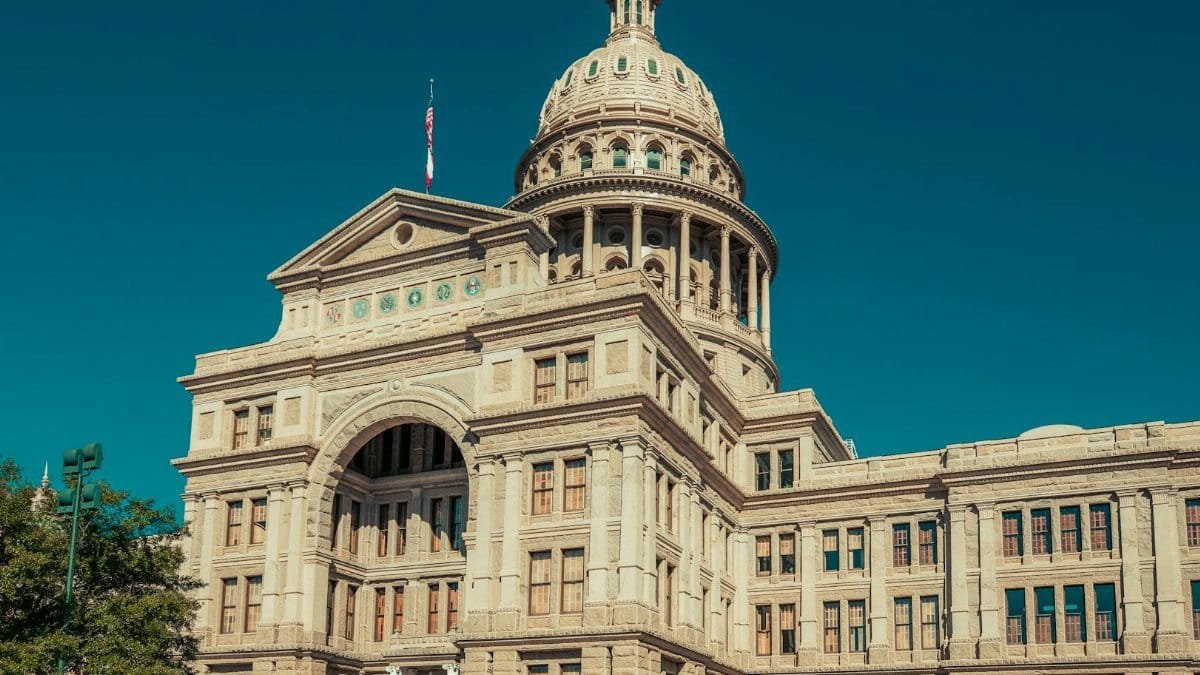
Analysts based in Houston and Austin describe the phenomenon as both predictable and potentially risky. They point out that Texas remains a proving ground for national conservative trends. What begins in suburban Dallas or rural Hill Country often echoes in other states. One longtime watcher of state politics noted that candidates who master the fusion of faith and populist grievance tend to dominate primaries. Nehls understands this terrain. His comments likely strengthen his standing with the Republican base even as they draw scrutiny from national media. Texas experts also caution that such rhetoric can harden opposition among independents and moderate Republicans who prefer pragmatic governance over prophetic claims.
National Implications For The Republican Party
The ripple effects extend well beyond one congressional district. Party strategists recognize that intense devotion secures primaries but general elections often require broader coalitions. When leaders employ salvific language they may excite the core while complicating outreach to suburban women college educated voters and minority communities wary of theocratic overtones. Republican operatives privately acknowledge the tension. Some worry the party risks becoming a vehicle for personality cult rather than conservative principles. Others counter that raw emotional connection outperforms policy white papers in an era of fragmented media. The Texas Republican Trump has become both symbol and symptom of this internal debate.
Criticism From Moderate Voices And Faith Leaders
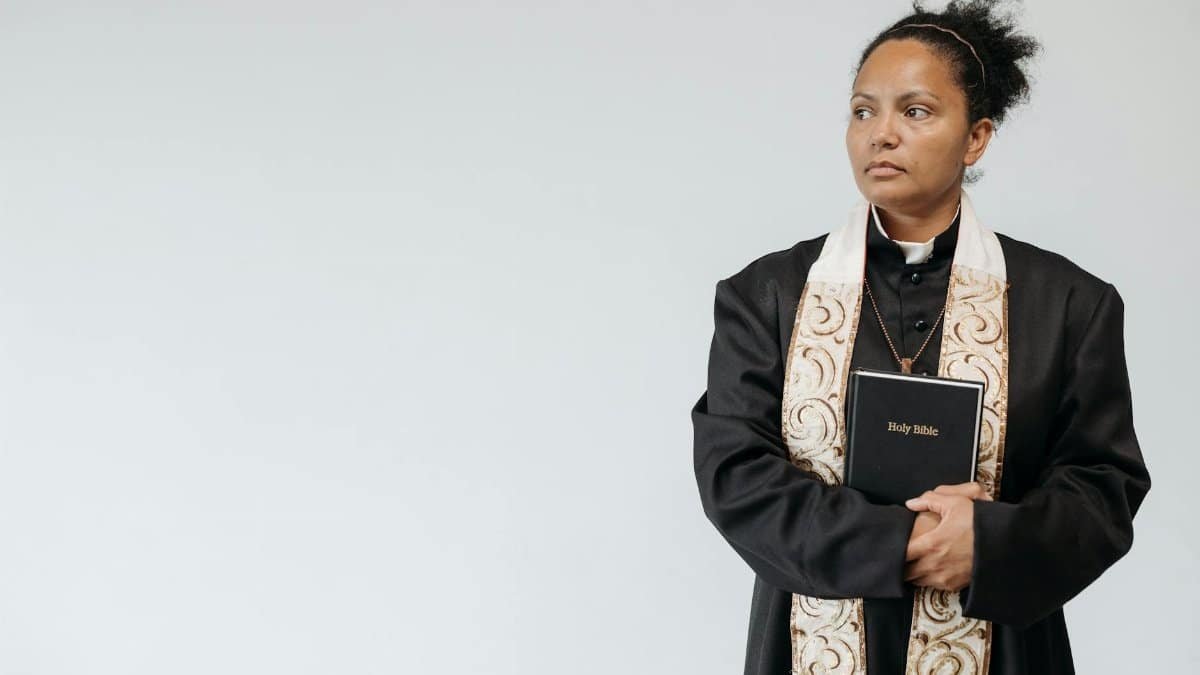
Not all Christians applaud the comparison. A number of pastors and theologians have pushed back arguing that applying second coming language to any political leader borders on blasphemy. They insist the biblical promise refers to Christ alone and that equating a twice divorced casino owner with messianic return disrespects sacred tradition. Moderate Republicans likewise express discomfort. They argue that healthy democracy depends on viewing leaders as fallible humans subject to criticism and accountability. When followers treat a politician as infallible they erode the capacity for self correction that republics require. These critiques have gained volume in recent days though they often struggle to penetrate the information ecosystems where Nehls message thrives.
How This Fits Into Broader Spiritual Trends

The phenomenon aligns with larger patterns tracked by researchers who study American religion. Declining trust in institutions has pushed many toward personalized forms of spirituality that blend nationalism with selective biblical interpretation. Trump has proven adept at speaking this hybrid dialect. He rarely quotes scripture yet frequently promises deliverance in terms that sound like revival. The Texas Republican Trump exemplifies how elected officials amplify that message to maintain relevance. Surveys indicate that a significant minority of white evangelicals now view Trump in nearly religious terms. This development raises profound questions about the future of American Christianity and whether political loyalty is quietly replacing theological orthodoxy for some believers.
The Influence Of Media On Political Devotion

Conservative media outlets have played a crucial role in sustaining and amplifying such fervor. Talk radio podcasts and certain cable programs frame Trump as a heroic warrior constantly under siege by dark forces. This storytelling style lends itself naturally to religious parallels. Viewers and listeners immersed in that narrative for years find Nehls comments logical rather than extreme. Meanwhile mainstream outlets often highlight the remarks as evidence of dangerous radicalization. The result is parallel realities where the same event produces opposite moral conclusions. Bridging this divide grows harder when each information sphere treats the other as enemy rather than interlocutor.
Potential Consequences For Democratic Discourse
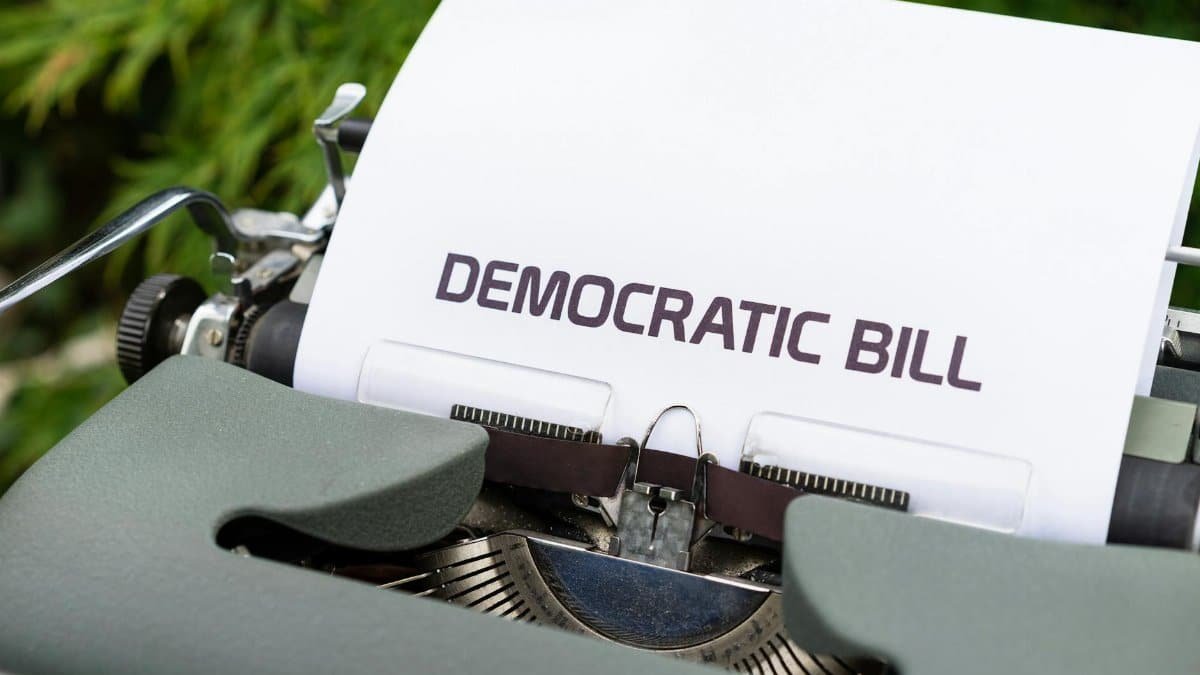
When political speech adopts apocalyptic tones compromise becomes heresy. Opponents are not simply wrong but agents of evil. This mindset complicates the mundane work of legislation which depends on negotiation and mutual recognition of good faith. Observers fear that rhetoric like Nehls latest statement accelerates the erosion of democratic norms. It trains supporters to see elections as spiritual warfare rather than periodic administrative tasks. Restoring healthier discourse will require leaders willing to lower the temperature even at the cost of short term applause. Whether sufficient numbers of elected officials possess that courage remains uncertain particularly in environments where primary voters reward maximalist language.
What Lies Ahead For Politics And Faith In America
The episode involving the Texas Republican Trump ultimately points toward a deeper reckoning. American society must decide whether it can sustain a secular public square while respecting genuine religious conviction. The alternative appears to be continued escalation in which each political tribe claims divine sanction. Middle aged readers who remember less polarized times may feel particular unease at the trajectory. They sense that something sacred is being lost when both faith and governance suffer distortion through excessive fusion. Healing will not arrive through one election or one politician. It will demand renewed commitment to pluralism humility and the recognition that no leader however compelling can embody the fullness of national salvation. The path forward remains contested but the stakes have rarely been clearer.