

In the corridors of power in Springfield Illinois lawmakers are engaged in a contentious debate that pits the future of professional football against the everyday financial struggles of residents. House Democrats have advanced a proposal centered on the Bears stadium tax to help finance a new stadium for the Chicago Bears along the lakefront. This move comes as Republican legislators advocate strongly for measures that would provide much needed relief from rising property taxes. The divide underscores the difficult choices facing the state as it balances ambitious projects with the needs of its citizens.
At stake is not only the home of a beloved franchise but also the wallets of millions of Illinois families already stretched by high living costs. Democrats argue the investment will pay dividends through jobs and tourism. Republicans counter that relief for property owners must come first. The resulting tension reveals much about competing visions for the states future.
The Political Landscape in Illinois

Illinois has long wrestled with budget deficits pension obligations and population loss in many rural areas. In this environment every major spending decision carries extra weight. House Democrats hold a solid majority yet they must navigate internal differences and anticipate resistance in the Senate where Republicans wield more influence. The current session has become a proving ground for these fiscal philosophies with the stadium proposal emerging as a central test of priorities.
Observers note that Democrats view infrastructure projects as engines for growth while their counterparts across the aisle see unchecked spending as a driver of the very tax burdens they seek to ease. This fundamental difference shapes nearly every negotiation in the capitol. For many middle aged Illinoisans watching from afar the debate feels disconnected from their daily efforts to manage mortgages healthcare and education expenses.
Mechanics of the Proposed Tax

Under the Democratic plan the Bears stadium tax would combine several revenue streams including a targeted surcharge on tickets luxury suites and related economic activity around the stadium. Lawmakers have also discussed redirecting a portion of state sales tax collected in the immediate area to service bonds issued for construction. The total public contribution could reach nearly two billion dollars according to preliminary estimates with the remainder covered by the team and private investors.
Supporters emphasize that the levy would fall primarily on visitors and higher income patrons rather than average residents. They point to similar models in other cities that have funded venues without broad based tax increases. Yet independent analysts caution that economic leakage often occurs when projected visitor spending fails to materialize at expected levels. The conversation has prompted many citizens to question whether any public contribution to a professional sports facility can truly deliver widespread benefits.
Republican Priorities for Property Tax Relief
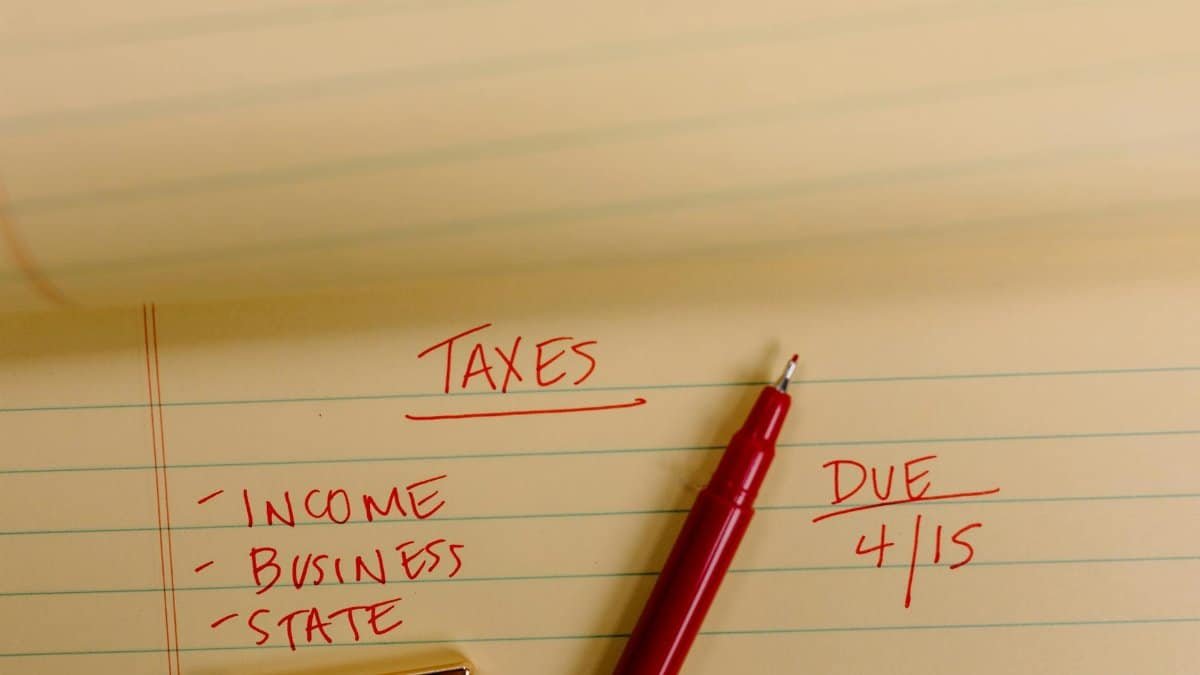
Republican leaders have made clear that any stadium deal must include concrete steps to lower property taxes which have climbed steadily in many counties. They propose using some of the new revenue mechanisms to create a dedicated fund for direct relief to homeowners and seniors on fixed incomes. Without such provisions GOP members say they will block the legislation arguing that it would exacerbate the states already heavy tax load.
This stance resonates with suburban and downstate voters who feel overburdened by years of rising assessments. For these residents the prospect of additional taxes to support a stadium owned by a wealthy franchise seems particularly galling. Republican lawmakers have scheduled town halls across the state to gather feedback and build momentum for their relief agenda framing the issue as a matter of basic fairness.
Examining the Economic Arguments
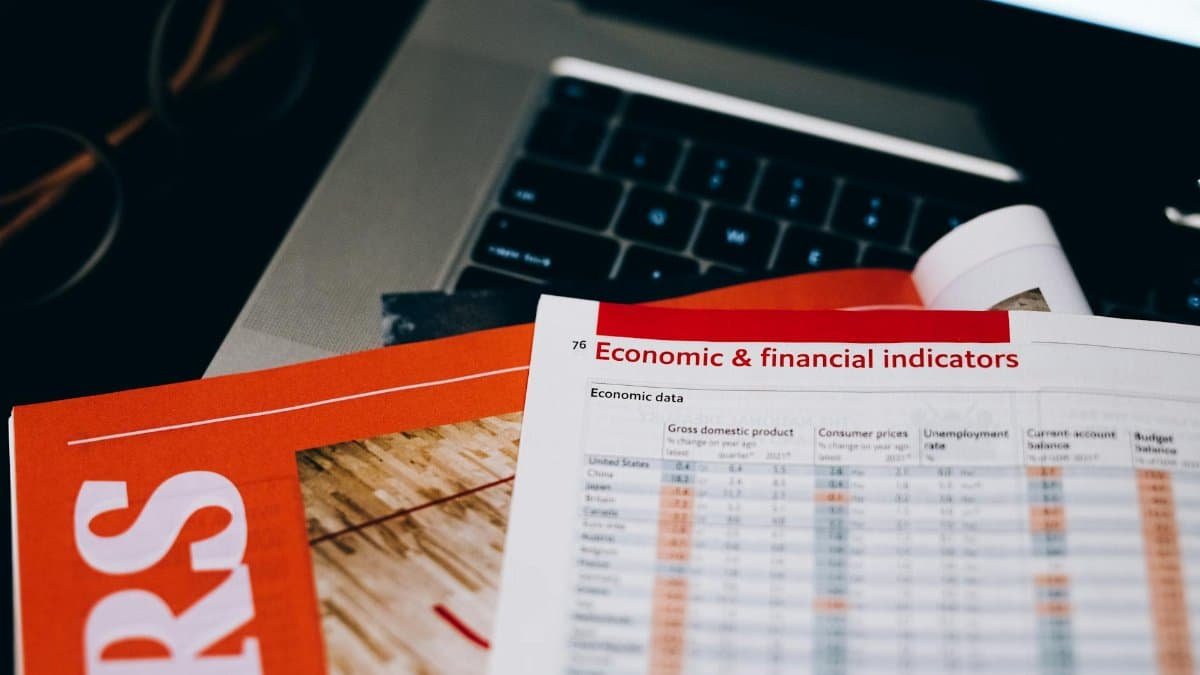
Proponents of the stadium project cite studies suggesting that new facilities can generate thousands of construction jobs and ongoing employment in hospitality and retail. They envision increased foot traffic at nearby businesses and a boost to regional prestige that might attract other investments. Civic leaders in Chicago have echoed these points noting the potential for revitalization in surrounding neighborhoods.
Skeptics however draw on a substantial body of research indicating that sports stadiums rarely produce the promised economic multipliers. Much of the spending simply shifts from other entertainment options rather than creating net new activity. A report from the University of Illinois at Chicago underscores these concerns highlighting opportunity costs when public dollars flow to one high profile project instead of schools or transportation infrastructure. These findings add weight to Republican calls for caution.
Past Experiences with Public Stadium Funding
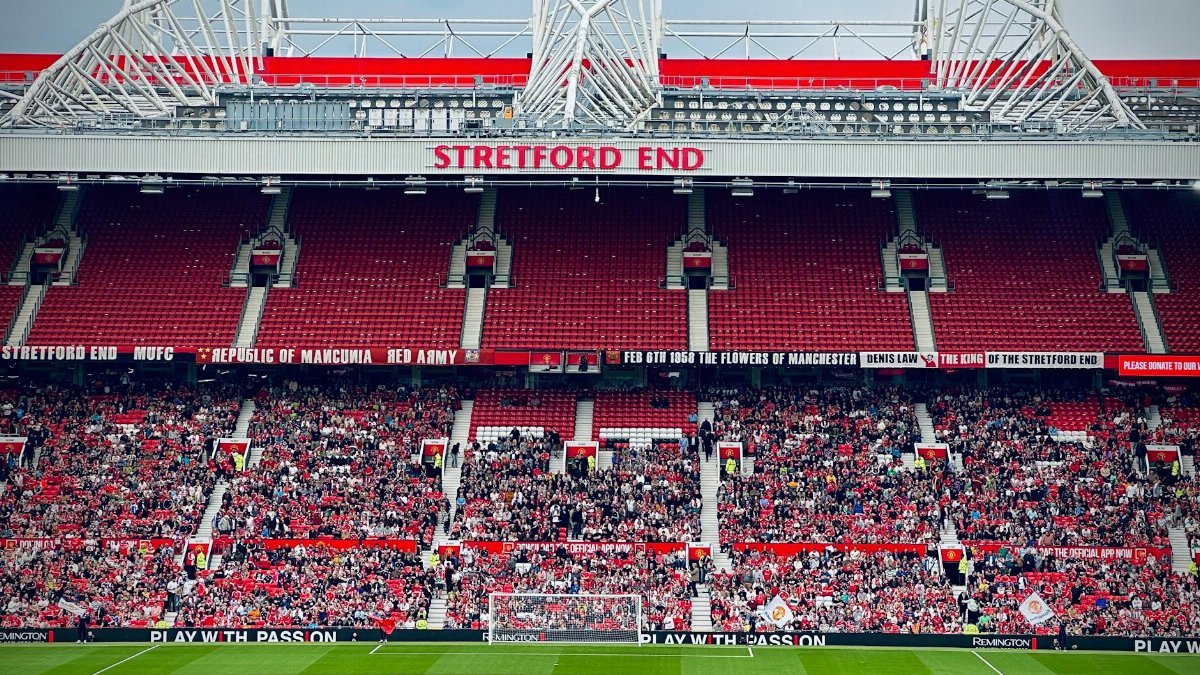
Illinois and Chicago have traveled this road before. Previous efforts to fund Soldier Field renovations delivered mixed results with costs exceeding initial projections and benefits proving difficult to measure. Across the country similar ventures in cities such as St Louis and Oakland have left taxpayers liable for decades while teams eventually departed.
These precedents inform the current skepticism. Many middle aged readers remember the debates surrounding earlier projects and the assurances that this time would be different. The pattern raises legitimate questions about accountability and whether governments can effectively structure agreements that truly protect public interests over the long term.
Community Perspectives on the Proposal

Conversations in neighborhoods from Bronzeville to Rockford reveal a complex mix of emotions. Lifelong Bears fans express excitement about a modern venue yet many worry about the financial implications for their own budgets. Older residents in particular recall eras when local teams felt more connected to the community and question whether massive public subsidies align with that tradition.
Advocates for social services argue that the same energy devoted to stadium talks should address affordable housing and mental health resources. Their perspective highlights a values based tension at the heart of the debate: what does the state owe its citizens versus its iconic sports institutions? These grassroots voices add depth to what might otherwise remain an abstract legislative discussion.
Seeking Common Ground in Negotiations

With both sides dug in Speaker of the House Chris Welch and Republican counterparts have begun quiet talks aimed at finding compromise. One emerging idea involves scaling back the public share of stadium costs while pairing any tax measures with automatic triggers for property tax rebates once certain revenue targets are met. Such creative structuring could satisfy demands for fiscal discipline without killing the project outright.
Governor JB Pritzker has signaled willingness to participate in negotiations though he has stopped short of endorsing the House plan. His involvement could prove decisive given his influence over state finances and his public support for keeping the Bears in Illinois. The coming weeks will test whether lawmakers can rise above partisan lines to craft legislation that balances these competing interests.
The Broader Implications for State Budgets

Beyond the immediate stadium question the debate has illuminated larger structural challenges in Illinois budgeting. The state carries one of the highest pension debts in the nation and credit rating agencies continue to watch fiscal decisions closely. Committing substantial resources to a stadium could limit flexibility for addressing these core liabilities in future years.
Economists following the situation suggest that transparent cost benefit analyses should guide all major capital projects. Without rigorous oversight the Bears stadium tax risks becoming another example of concentrated benefits and dispersed costs a pattern that has eroded public trust in government spending across many states.
Potential Effects on Families and Seniors

For middle aged families already coping with inflation and stagnant wages the addition of even indirect taxes can feel significant. Seniors on fixed incomes are especially vulnerable as property tax relief has become a paramount concern. Many have voiced fears that stadium related expenses could translate into reduced services or higher fees elsewhere in the state budget.
Advocates have urged lawmakers to consider these human dimensions rather than focusing solely on macroeconomic projections. The discussion serves as a reminder that policy decisions ultimately touch real lives in tangible ways from the dinner table conversations about budgets to the anxiety of retirees wondering if they can remain in their homes.
Looking Ahead to November Elections

As the legislative session progresses the stadium debate is certain to echo in campaign rhetoric. Both parties will seek to portray their position as the one that best protects Illinois taxpayers. Democrats will likely emphasize job creation and the cultural importance of the Bears while Republicans will hammer on the need for relief from what they describe as excessive taxation.
Voters will ultimately render judgment on these priorities. In the meantime the current standoff offers a window into the democratic process at work with all its messiness and possibility. Whether the final outcome includes the Bears stadium tax or a modified version with stronger taxpayer protections remains uncertain. What is clear is that the conversation has moved beyond football into fundamental questions about governance fairness and the kind of state Illinois aims to become.
The coming months promise further developments as committees refine language and stakeholders weigh in. For now the Bears stadium tax stands as both a specific policy proposal and a larger symbol of the choices ahead. Illinoisans of all backgrounds will watch closely to see which vision prevails.