
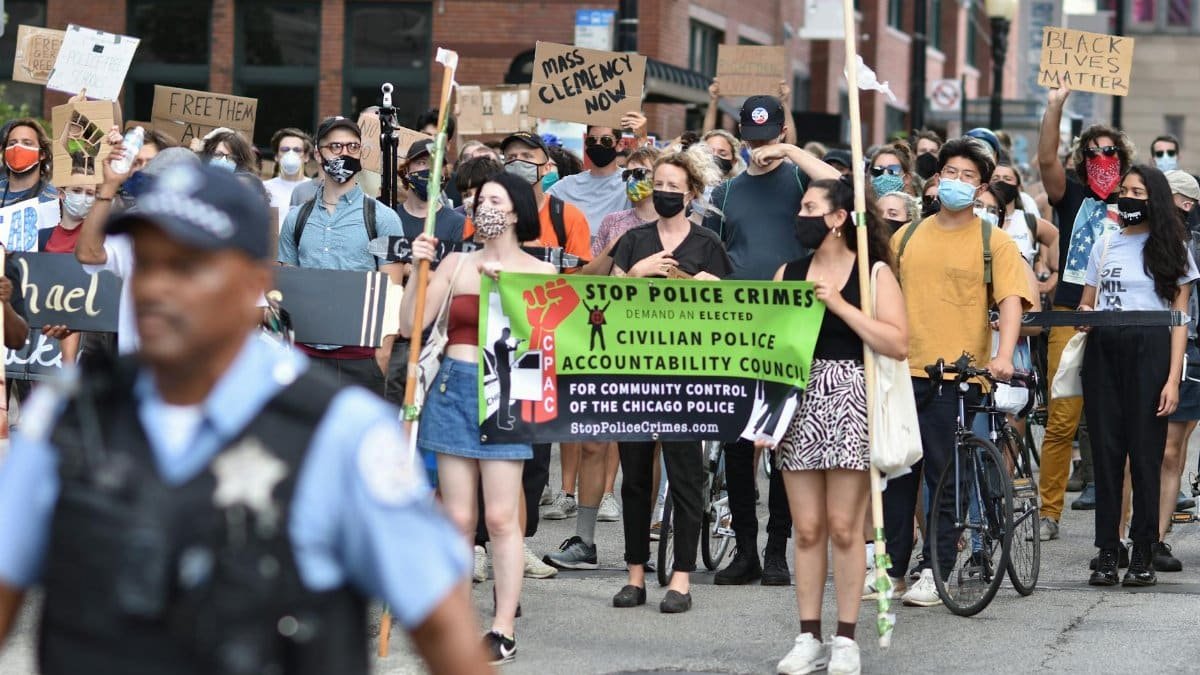
It was a scene that had become as steady as the seasons in Burlington. Every Saturday morning, hundreds of people from across Vermont and beyond converge on a patch of sidewalk facing an unassuming federal building. They carry hand painted signs, light candles, and lift voices in song and chant. One year after the first gathering, this weekly assembly outside the ICE field office shows no sign of weakening. What began as an urgent response to a wave of federal immigration raids has evolved into something deeper: a sustained moral witness that draws strength from spiritual conviction and community solidarity.
A Year of Unwavering Commitment

The numbers tell part of the story. Organizers estimate that more than twelve thousand people have participated over the past fifty two weeks. Some come once and never return. Others have missed only a handful of Saturdays in the entire year. The consistency itself has become a form of testimony. In an era when public attention often shifts quickly from one crisis to the next, the persistence of these demonstrators stands out. They return regardless of weather, holiday schedules, or competing news cycles. Their continued presence has turned the street outside the ICE field office into a landmark of conscience in northern New England.
Faith Communities Lead the Charge
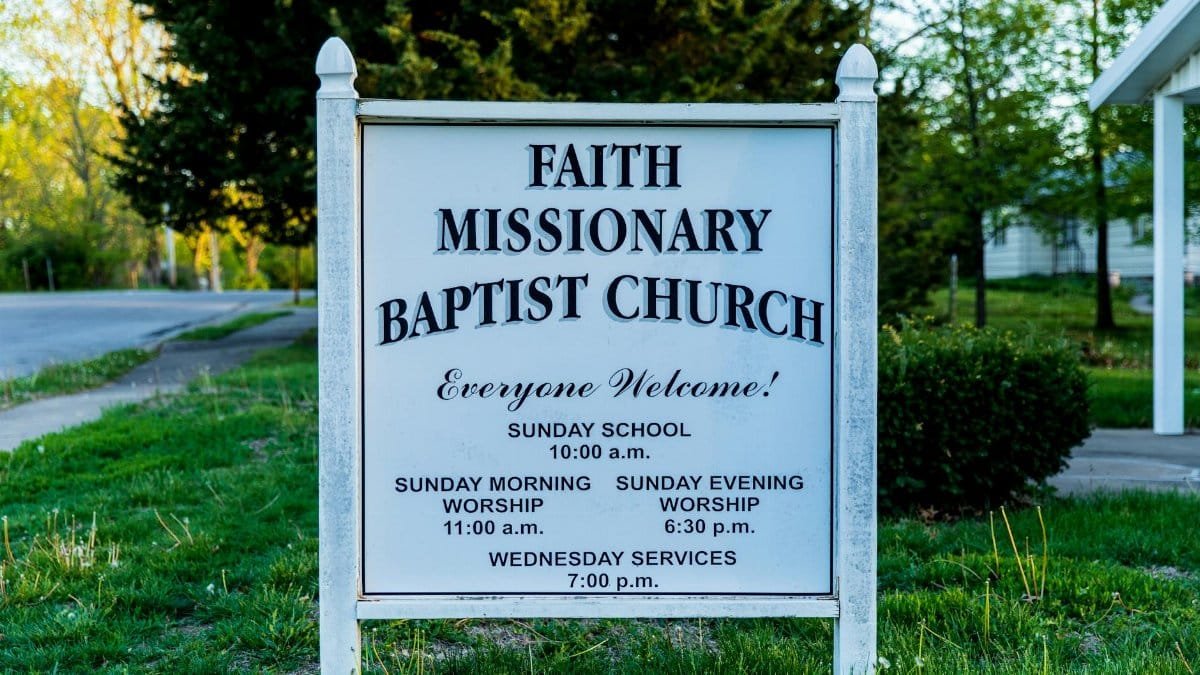
From the beginning, local congregations have formed the backbone of the effort. Clergy from Catholic, Protestant, Jewish, Unitarian, and Muslim traditions rotate leadership of the weekly vigils. Many participants describe their involvement as an expression of core religious teachings about welcoming the stranger and protecting the vulnerable. Prayer circles often form alongside the political chants. Scripture readings from the book of Exodus and the words of Jesus about the least of these echo off the building walls. This interfaith dimension has broadened the appeal and given the protests a spiritual gravity that resonates with middle aged residents who may not consider themselves activists but do consider themselves people of faith.
Personal Testimonies Fuel the Movement
Many who stand outside the ICE field office each week share deeply personal reasons for being there. Sarah Kline, a retired teacher from Montpelier, speaks about her own grandparents who arrived as refugees after World War Two. She says the current policies feel like a betrayal of the welcome her family once received. Others tell stories of neighbors suddenly detained or longtime community members living in fear of a knock at the door. These human narratives have proven more powerful than abstract policy debates. The weekly gatherings provide a space where these stories can be heard and witnessed by fellow citizens who might otherwise never encounter them.
Spiritual Practices That Sustain the Work

The protests have developed their own rhythm of spiritual discipline. Organizers begin each gathering with a period of silence followed by communal singing. Different faith traditions contribute liturgies and blessings. Some participants practice walking meditation along the sidewalk while others maintain a literal prayer vigil facing the building. These practices help sustain energy during what has become a marathon rather than a sprint. Several longtime demonstrators report that the spiritual dimension prevents burnout and keeps them returning even when progress seems slow. The rituals have also attracted people who initially came out of political concern but stayed because they found spiritual nourishment in the shared witness.
The Human Cost Behind the Statistics
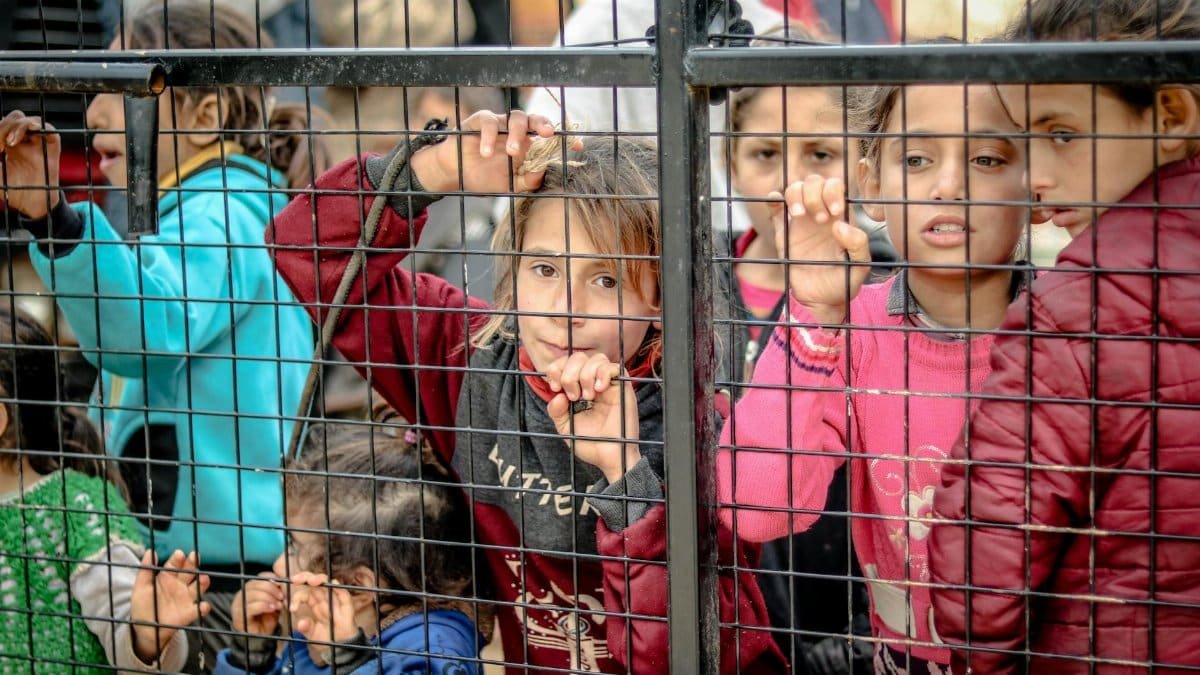
While the demonstrators pray and chant, the building they face continues its work. Immigration enforcement officers process cases that can separate families, upend livelihoods, and send people back to countries where they face genuine danger. Advocates have documented numerous instances of longtime Vermont residents with deep community ties being detained after minor traffic stops. The contrast between the quiet efficiency inside the facility and the passionate moral appeal outside creates a tension that participants say cannot be ignored. Many describe the weekly gatherings as an attempt to remind both officials and the broader public that these are not merely bureaucratic matters but decisions with profound human and spiritual consequences.
Official Responses and Community Tensions
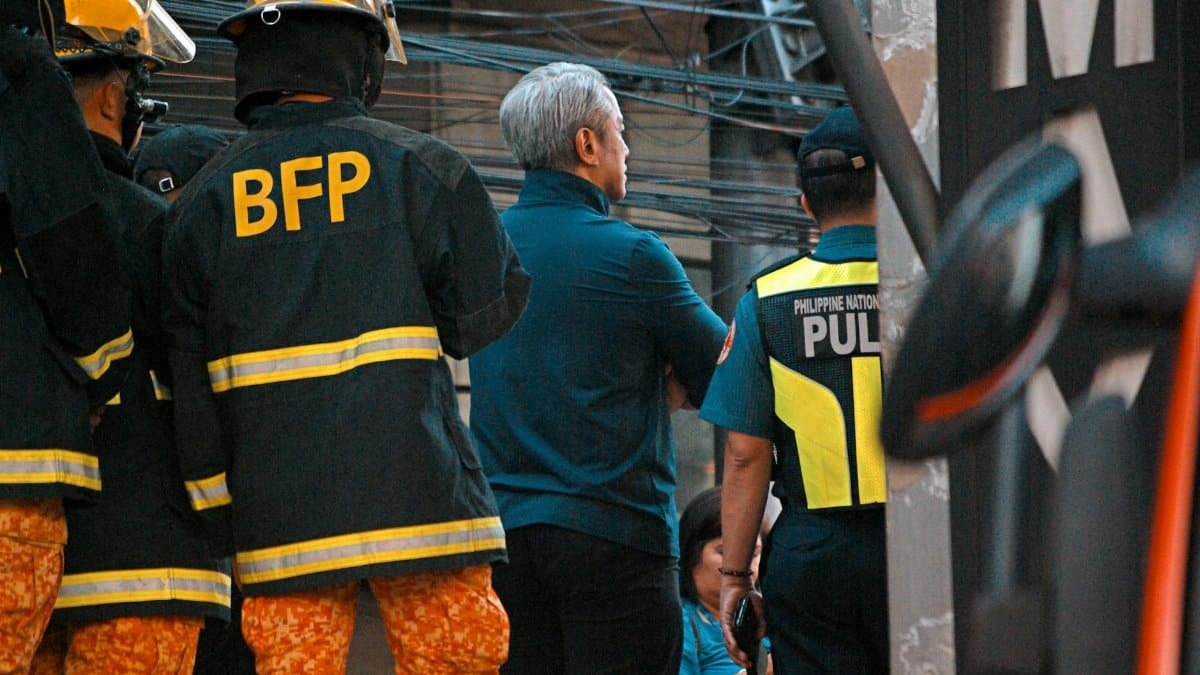
Local and federal authorities have taken notice. ICE officials issued a statement acknowledging the right to peaceful protest while emphasizing that enforcement operations follow federal law and court orders. Vermont state police have maintained a discreet but consistent presence to ensure safety for both demonstrators and employees. Some nearby businesses have expressed frustration about weekly traffic disruptions, while others have begun offering coffee and snacks to participants. The divide in public opinion mirrors larger national conversations about immigration yet maintains a distinctly New England flavor of neighborly concern mixed with respect for the rule of law.
Interfaith Solidarity Takes Root
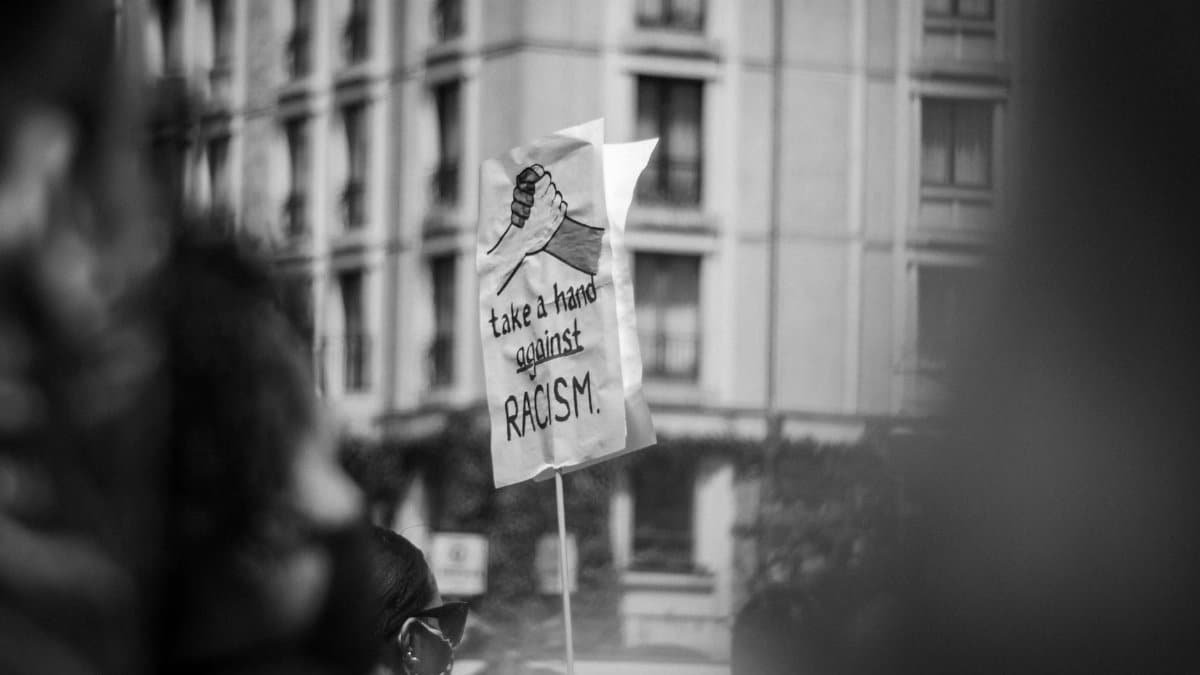
One of the most remarkable developments has been the deepening relationships across faith traditions. Rabbis stand shoulder to shoulder with imams and Catholic priests. Buddhist practitioners meditate alongside Methodist choir members. These connections have extended beyond the Saturday vigils into joint programs supporting immigrant families with legal aid, English classes, and emergency financial assistance. Several participants describe the protests as a spiritual awakening that revealed common values across traditions that had previously operated in separate spheres. The shared commitment to human dignity has created bonds that organizers hope will endure long after the specific issue of this ICE field office fades from weekly headlines.
Measuring Success Beyond Policy Change
Organizers readily admit that federal immigration policy has not shifted in the ways they had hoped. Raids continue. Deportations proceed. Yet they point to other forms of impact that may prove more lasting. Local elected officials have become more vocal in criticizing certain enforcement tactics. Several churches have declared themselves sanctuaries for immigrants. Young people who attended the vigils with their parents now organize their own solidarity events. The sustained public witness has helped prevent the issue from disappearing from community consciousness. In this sense, participants argue, the measure of success includes changed hearts and strengthened relationships as much as altered statutes.
Voices From Immigrant Communities
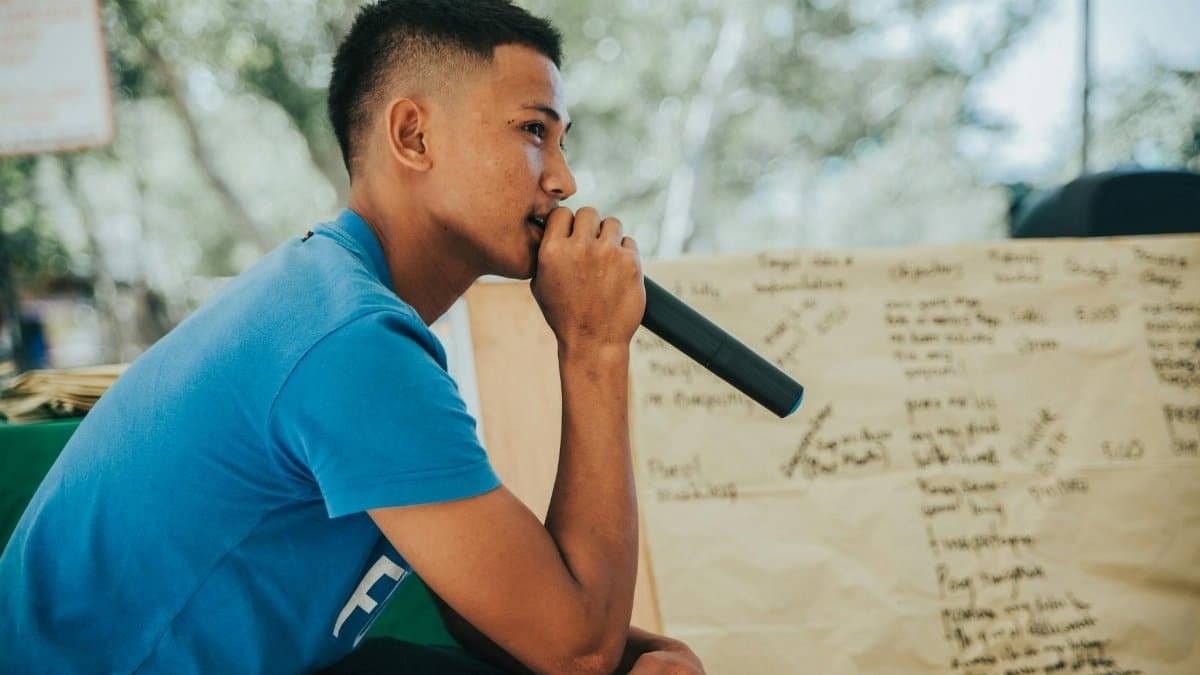
Some of the most powerful moments occur when immigrants or their family members choose to speak during the open microphone segments. Their words carry particular weight because they speak from direct experience rather than theoretical concern. One Colombian mother described watching her teenage son excel in school while living with the constant fear that their family could be torn apart. Another participant shared how his brother had been deported after twenty years in Vermont, leaving behind a wife and American born children. These testimonies remind everyone present that the stakes are not abstract. The weekly gatherings provide a rare public platform where these realities can be spoken aloud with dignity and heard by hundreds of fellow citizens.
The Moral Legacy Taking Shape

As the second year of weekly vigils begins, participants find themselves reflecting on what spiritual tradition calls the long arc of justice. Many draw inspiration from historical movements that seemed futile in their early years yet eventually helped bend the moral universe toward compassion. The commitment to continue showing up week after week reflects a belief that consistent moral witness matters even when immediate results remain elusive. The street outside the ICE field office has become more than a protest site. It has become a sacred space where a community gathers to affirm the worth of every human being and to declare that compassion must remain central to public policy.
The candles still flicker each Saturday. The songs still rise. The crowd still numbers in the hundreds. One year on, the witness continues. Whether this sustained moral pressure will eventually influence broader policy remains uncertain. What is clear is that something profound has taken root in Burlington, something that combines spiritual conviction with civic courage. The people standing on that sidewalk believe that bearing witness is itself a form of action. And so they return, week after week, refusing to let their community forget the human faces behind the immigration debate. In their persistence lies both discomfort and hope, the dual gifts that have sustained moral movements throughout history.